For decades, getting ready meant becoming someone else. In front of the mirror, millions of people traced their ideal selves: bold red lips, sharp cheekbones, smoky eyes, flawless skin. Beauty wasn’t just a personal ritual—it was a performance. One rooted in expectations, cultural codes, and the ever-evolving standards of what it meant to be desirable, polished, feminine.
Layer by layer, we built our faces to meet the moment. Whether it was the traditional glam of the 50s, the rebellious liner of the 60s, or the sculpted influencer glam of the 2010s, beauty meant transformation—not expression.
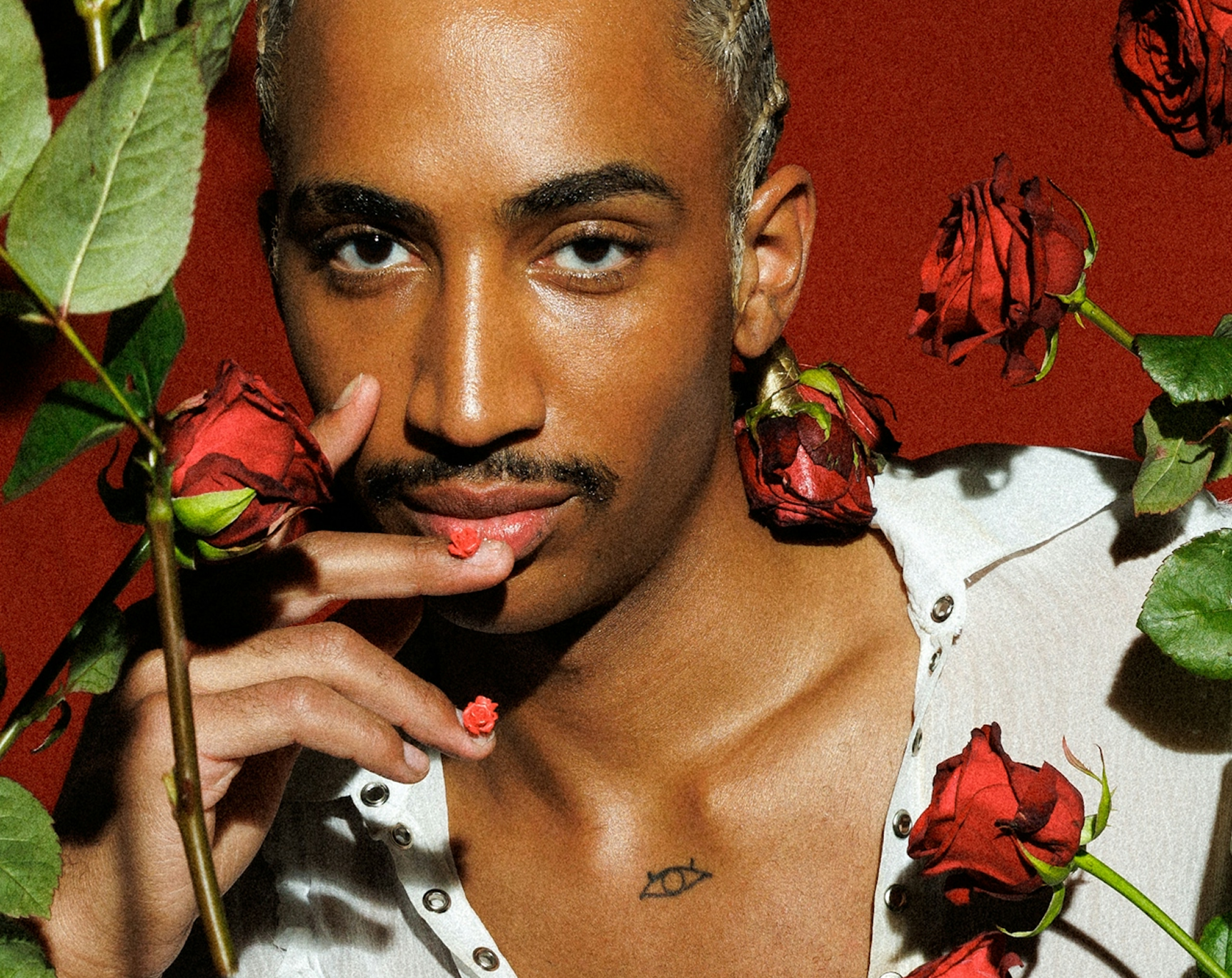
But something has cracked that foundation. Quietly, and without apology, a new visual language is taking over. One where skin breathes, lips speak without gloss, and makeup no longer hides but highlights. One where beauty isn’t a mask—it’s a reflection.
Welcome to the anti-glam revolution.
Author: Elizabeth Ulloa

From Glam as Armor to Glam as Identity
In the 20th century, beauty served as a visual script. In the 1950s, red lips symbolized traditional femininity. By the 1960s, thick eyeliner was rebellion in black. The bronzed, glossy supermodel era of the ’90s made beauty both commerce and aspiration. By the early 2000s, beauty had become extreme. Contouring and Instagram glam reshaped faces into digital ideals: sharp brows, cut creases, over-lined lips, and foundations that left nothing to chance. The goal wasn’t self-expression it was assimilation. The “flawless” face became a global standard, rewarding those who could replicate it, and erasing those who couldn’t.
Cracks in the Perfection
But with the rise of the digital age came a growing dissatisfaction. Filters smoothed away pores, algorithms boosted symmetry—but offline, people were tired. Tired of performing, of chasing flawless and of looking camera-ready 24/7.
Then came the pandemic. Red carpets were replaced by Zoom. Stilettos gave way to sweatpants. And the full glam routine? Paused.
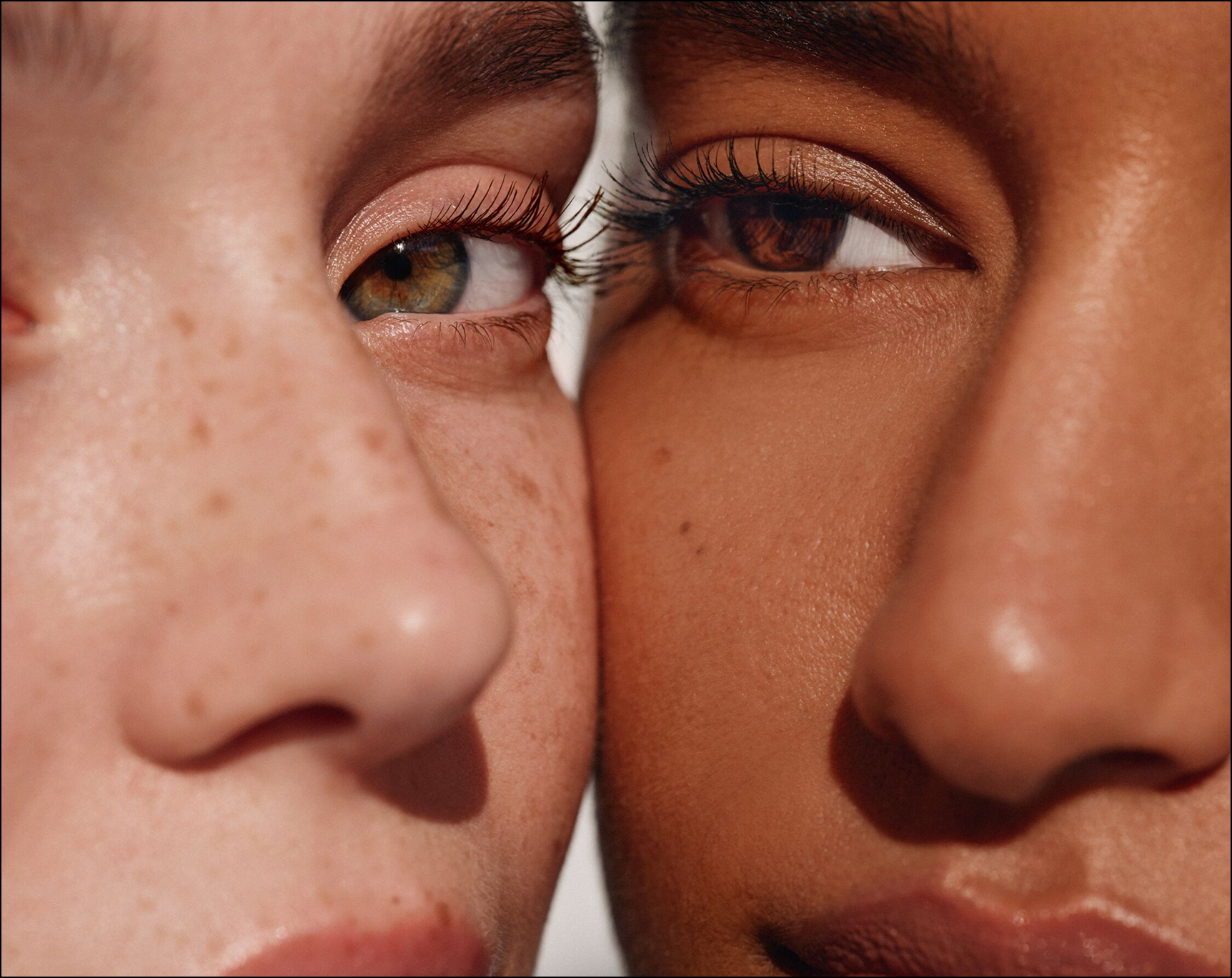
Skin care, self-acceptance, and stripped-down beauty rose to the surface. Bare faces gained power—not because they were plain, but because they were real.
“For the first time, beauty wasn’t about shouting. It was about showing up—as you are.”
Less Glam, More Meaning
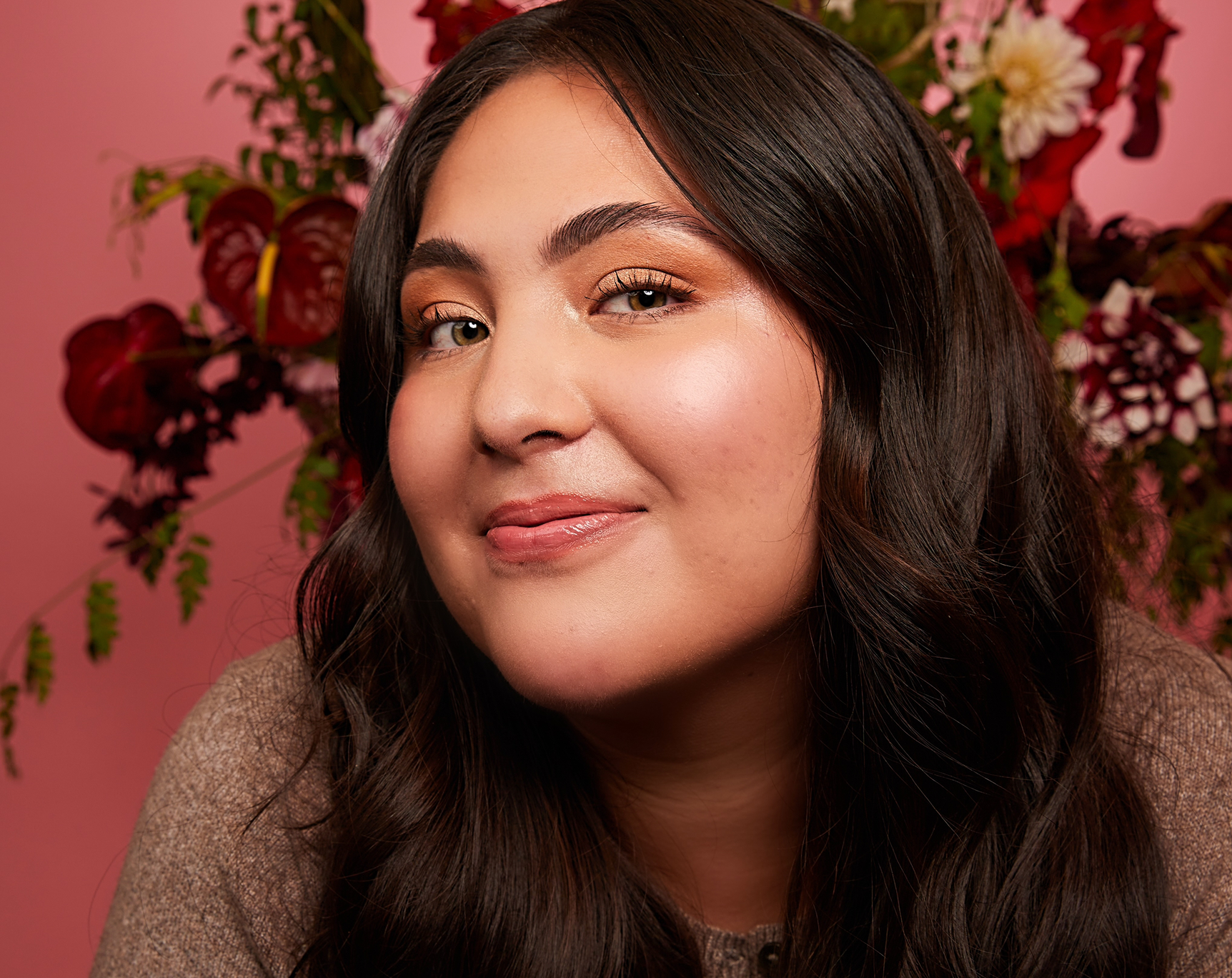
Today, “less is more” doesn’t mean anti-makeup—it means pro-choice. Glossy skin, messy brows, blurred lipstick—these aren’t lazy looks. They’re statements of intention.
A nude lip can be as bold as a red one, depending on who’s wearing it and why. That’s the core of the anti-glam ethos: it’s not about rejecting beauty, it’s about reclaiming it.
As one industry insider put it: “It’s not about rejecting glam. It’s about glam that speaks to you.” This new approach asks: What happens when we stop performing for the algorithm, and start creating rituals that honor who we really are?

A Beauty Industry in Flux
The market is listening. Brands are stepping away from hyper-polished perfection and leaning into skin-first narratives. Lightweight foundations, multi-use balms, and inclusive shades are taking over new product launches.
The most successful campaigns? “The ones that show texture, freckles, and faces that don’t fit the mold.”
The rise of “no-makeup makeup” tutorials and hybrid skincare products proves one thing: consumers aren’t seeking transformation anymore—they’re seeking truth.
And that shift isn’t just visual. It’s cultural. It mirrors a broader societal current: a desire for transparency, individuality, and the rejection of toxic perfectionism.
“Where beauty once acted as a shield, now it functions as a microphone”.
Where Beauty Goes Next
The future of beauty is fluid, personal, and deeply authentic. The new modern face won’t be defined by contour maps or viral hacks, but by the person who wears it. Beauty will keep evolving—from silence to storytelling, from sameness to selfhood.
“Because in the end, the most radical glam is the one that feels like you.” The anti-glam revolution isn’t about ditching tradition, it’s about liberation. It reminds us that the most modern face isn’t built in layers. It’s revealed in honesty.