Walk into any major grooming brand’s men’s line and you will find a tinted moisturizer that does not call itself a tinted moisturizer. It is a skin perfector. A complexion booster. An energizing face fluid with a hint of color. Walk a little further and you will find a concealer that is not called a concealer. It is a spot corrector. A targeted skin treatment. A cover stick for active men.
The products are identical to what lives in the women’s beauty aisle. The formulas are often the same. The packaging is darker. The language is engineered to travel a specific distance from anything that sounds like makeup.
This is the quiet agreement the beauty industry has made with men. We will give you the products. We will not call them what they are. And for a long time, that agreement worked well enough for everyone involved.
But something is shifting. And the shift is worth paying attention to.
Author: Elizabeth Ulloa
Men Have Always Used Makeup
The historical record on men and cosmetics is long, consistent, and largely ignored in mainstream beauty conversations. Ancient Egyptian men lined their eyes with kohl. Roman men used powders to even their complexions. Eighteenth century European aristocrats wore heavy face powder, rouge, and beauty patches without any sense that this was a feminine pursuit. It was a sign of status. Of civilization. Of the kind of person who paid attention to their presentation.
The idea that makeup is inherently and exclusively a female pursuit is not ancient. It is modern. It arrived with the industrial revolution and the rigid gender codes of the Victorian era, which drew a hard line between what was acceptable for men and what was not. Before that line was drawn, the history of beauty belonged to everyone.
And it has never fully left. Every male actor who steps in front of a camera has a groomer. Every news anchor, every politician filmed under studio lights, every athlete appearing in a commercial sits in a makeup chair before the cameras roll. Foundation. Concealer. Setting powder. The works. The difference is that this version of men wearing makeup has always been understood as professional necessity rather than personal vanity, which tells you everything about where the real discomfort actually lives. It is not about the product. It is about who is watching and what they are allowed to think about it.
What the current generation of men using tinted moisturizers and concealer and brow pencils is doing is not new. It is a return. Dressed in different packaging and different language, but a return nonetheless.
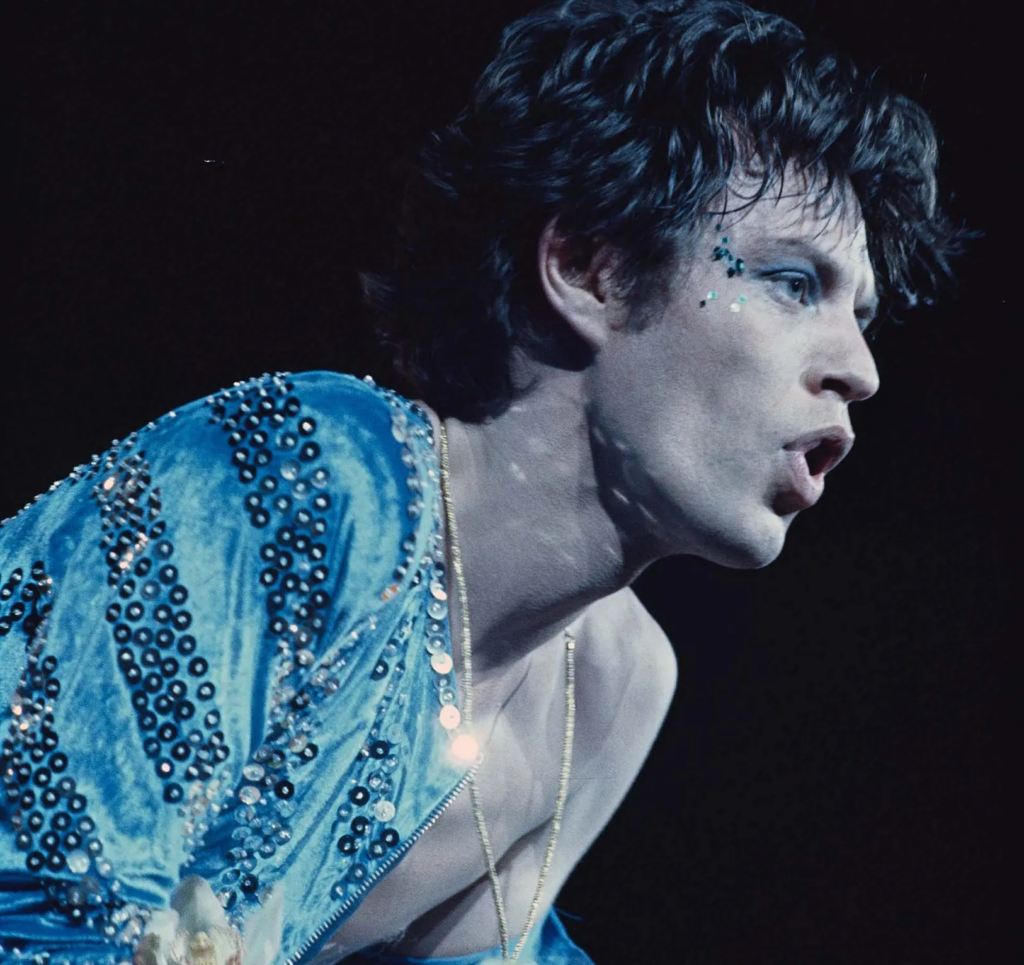
“The idea that makeup is inherently and exclusively a female domain is not ancient. It is modern.”
The Language Game
The beauty industry is not naive about what it is selling men. It is simply strategic about how it sells it. The word makeup carries a weight for many men that the industry has correctly identified as a barrier to purchase. So the language is adjusted. Not lied about exactly, but carefully reframed.
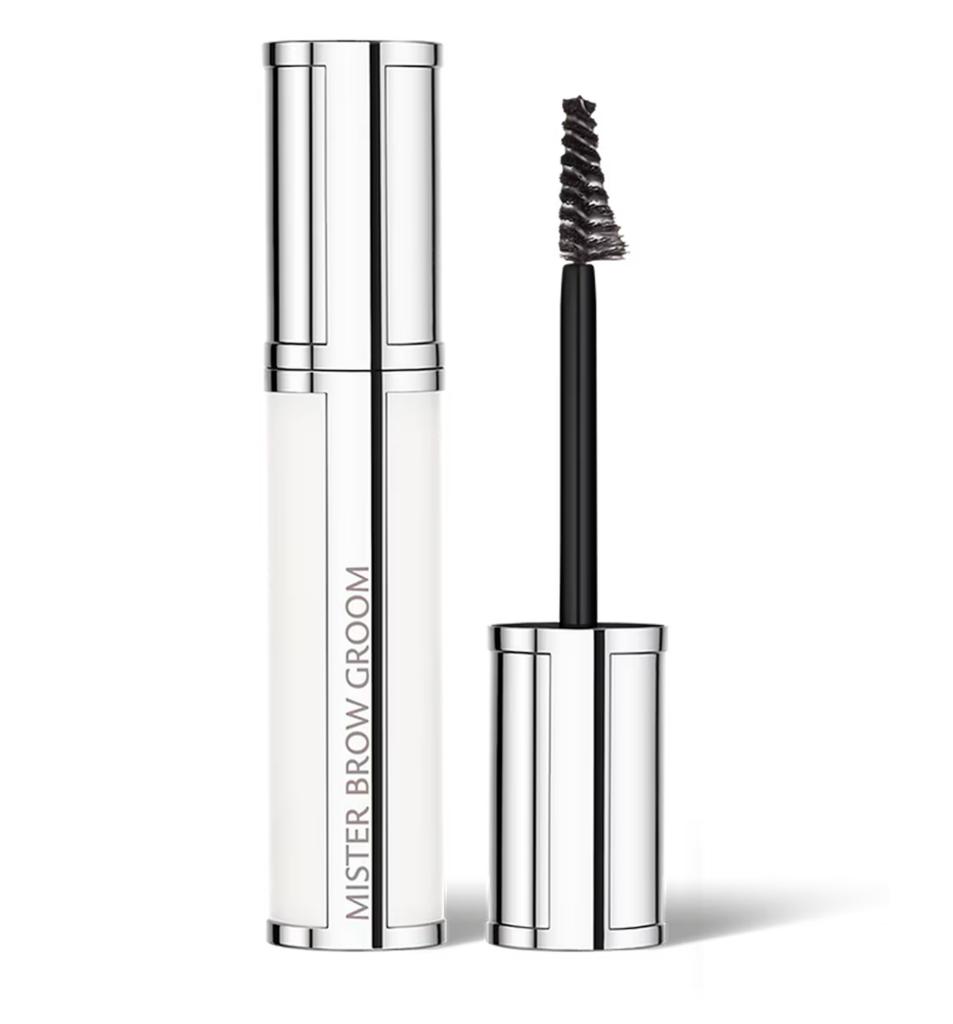
A concealer becomes a skin corrector. A tinted moisturizer becomes a grooming essential. A brow pencil becomes a hair filler. The product category is labeled grooming rather than beauty, a word that has always been more comfortable on men’s shelves. The packaging shifts to matte black and gunmetal gray.
The result is a multi-billion dollar market built on a product category that does not speak its own name. And the men buying these products know, on some level, what they are buying. The concealer covering the dark circles before the meeting. The tinted moisturizer that makes the skin look more even in the video call. The brow gel that keeps everything in place. They know. The industry knows. Everyone is simply maintaining the fiction that this is something other than what it is.
The question worth asking is why the fiction is still necessary.
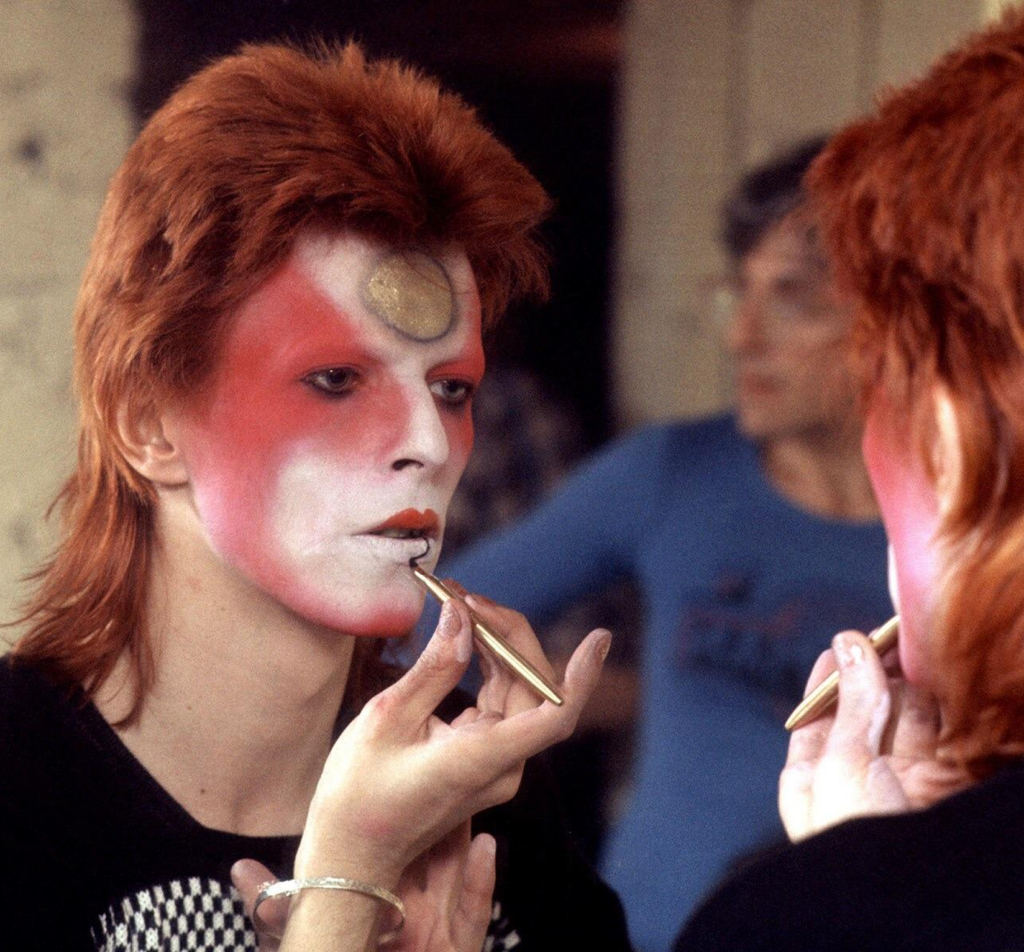
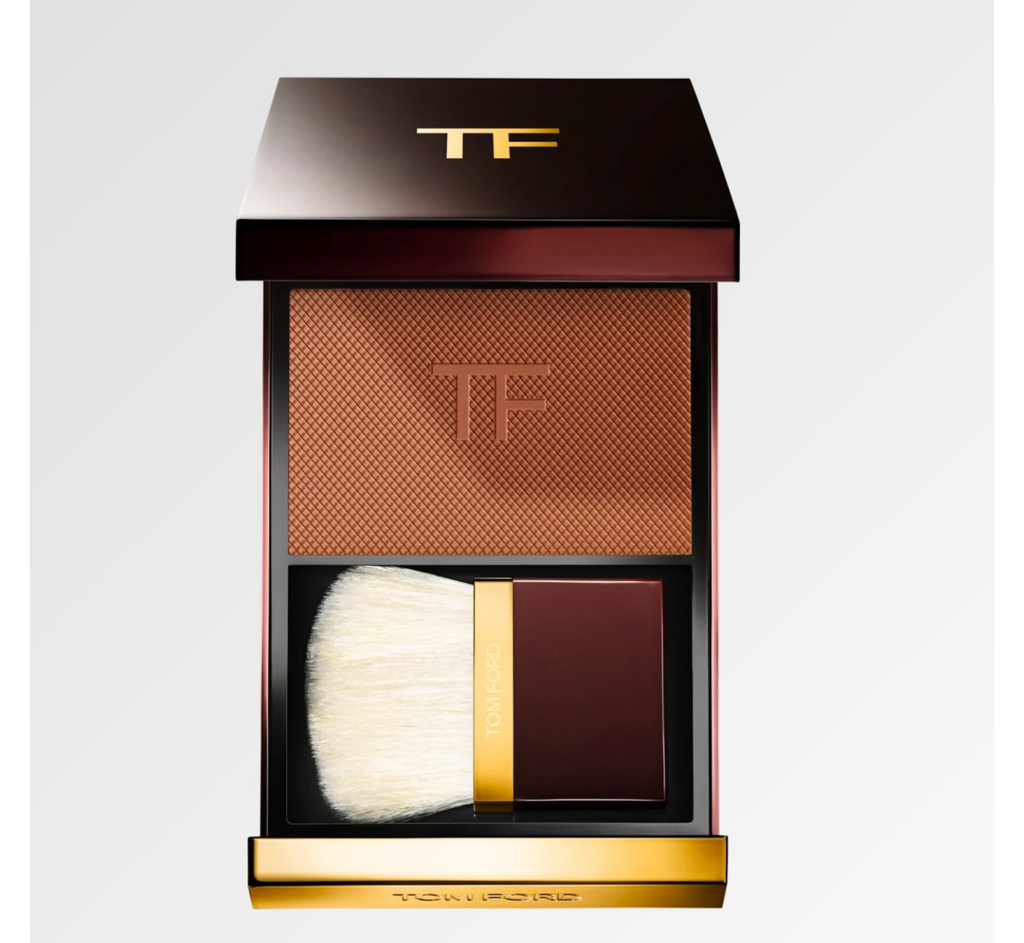
“It has always belonged to anyone willing to take the face seriously as something worth attending to.”
Why the Discomfort Exists
The discomfort men feel around the word makeup is not accidental. It is the product of a specific cultural construction that tied masculinity to the absence of visible self-care. To look like you have done nothing. To appear as though the face you present to the world requires no effort or attention. The effort is supposed to be invisible. The maintenance is supposed to be denied.
This construction has never made sense from a practical standpoint. Shaving is a daily beauty ritual that most men never think of as one. Haircuts are aesthetic decisions. The choice of fragrance is an identity statement. The line between grooming and beauty was never really a line. It was a boundary someone drew out of discomfort and called a rule.
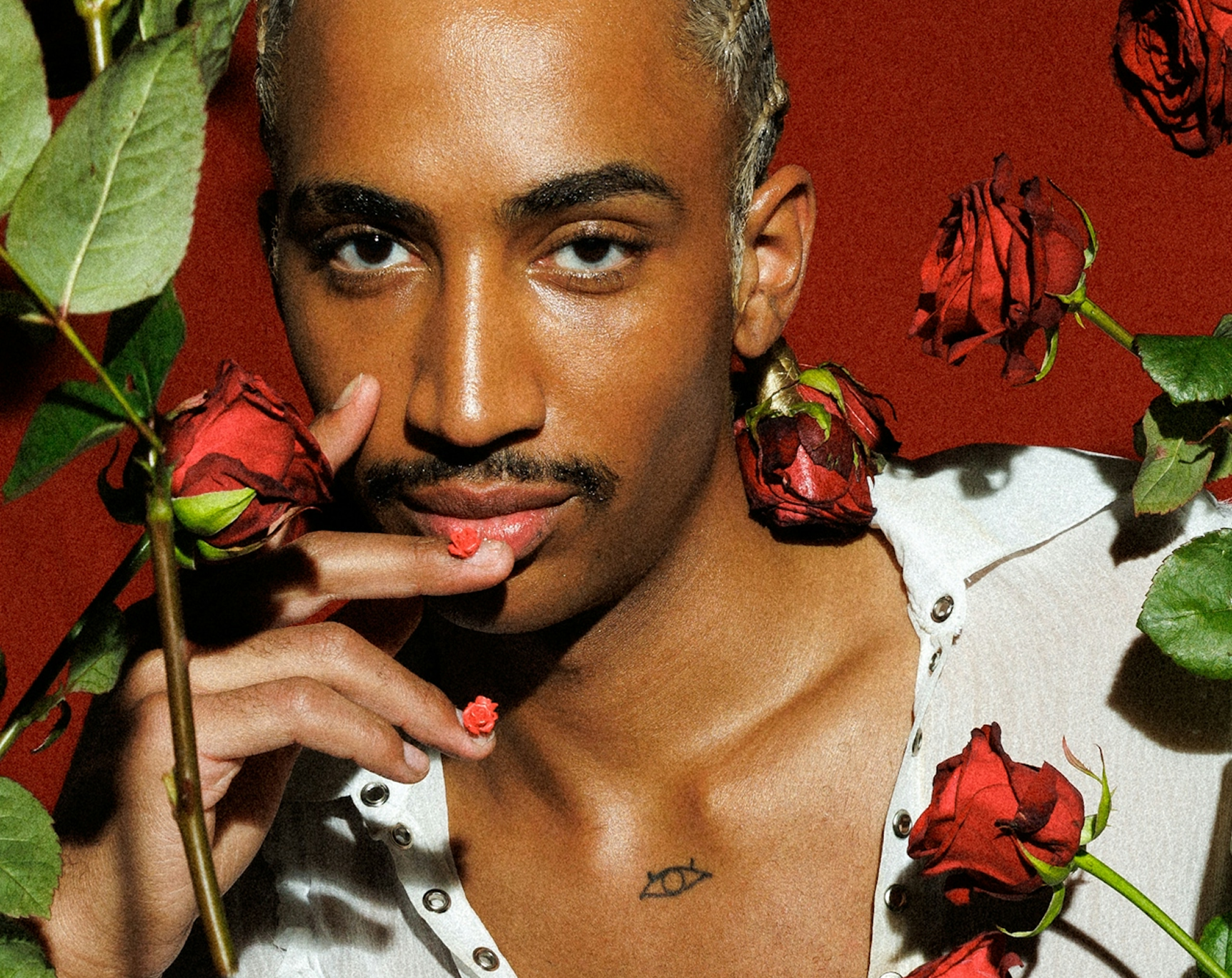
What is changing, and changing meaningfully, is that a generation of men is growing up in a culture where the line feels less necessary. Where Bad Bunny wears nail polish on the cover of a magazine and nobody is particularly surprised. Where skincare routines are discussed openly among men without any sense that the conversation is transgressive. Where the idea that caring for your face is somehow incompatible with masculinity is beginning to feel as dated as the Victorian era that invented it.
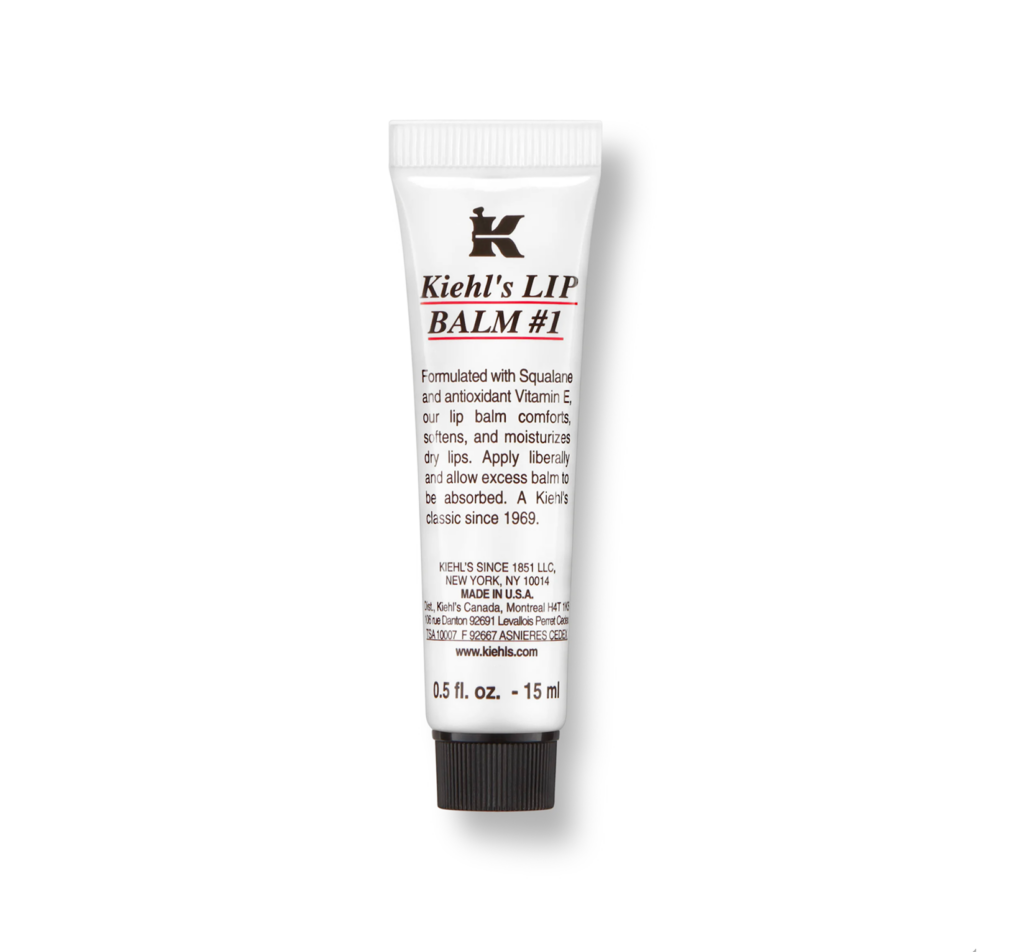
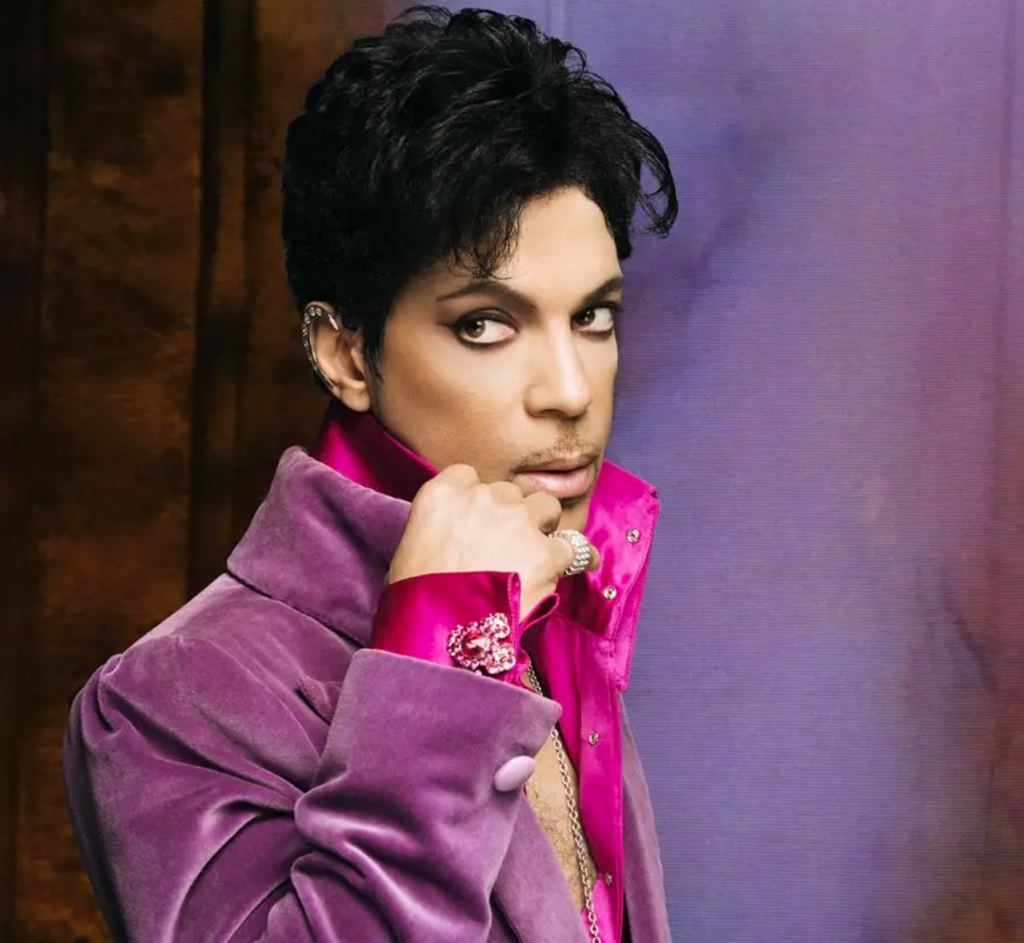
“The line between grooming and beauty has always been arbitrary. It was drawn not by logic but by social anxiety.”
What This Means for Beauty
For the beauty industry, the shift is already significant and will become more so. The men’s grooming market is one of the fastest growing spaces in beauty globally, and the products driving that growth are increasingly those that sit on the blurred line between grooming and makeup. Tinted products. Color-correcting products. Products that address the eye area, the brow, the skin tone.
For the men using these products, the shift is more personal. It is the quiet permission to care for the face without apologizing for it. To reach for the concealer before the important day and not narrate a justification for doing so. To groom the brow and see a more finished version of the face without feeling like something has been compromised.
And for the beauty conversation broadly, the shift is clarifying. Because if makeup is about caring for the face, about presenting the version of yourself you intend to present to the world, then it has never belonged to one gender. It has always belonged to anyone willing to take the face seriously as something worth attending to.
The products are already on the shelves. The men are already buying them. The only thing still catching up is the language.