For years, the wellness conversation revolved around one specific idea: performance. Training harder, running faster, lifting heavier. Constantly pushing the body further. But something started to shift a few years ago. It is no longer only about physical effort. Today, the focus has moved toward what happens after: rest, muscle recovery, sleep quality, stress levels and, above all, the energy we carry throughout the day.
Yes, we are talking more and more about what can be quantified. And that shift reveals something important: wellness is no longer measured only through calories burned or miles completed. It is also measured through the body’s ability to recover. The industry understood that quickly.
In the middle of that transition, an entirely new category started gaining momentum within wellness: technology centered around recovery. Wearables that track sleep and stress, devices designed for body decompression, smart massage tools and gadgets that feel straight out of a performance lab.
Because the new luxury in wellness doesn’t live in the effort; it lives in how we feel after it.
Author: aNDREA BAU
The Body Turned Into Data
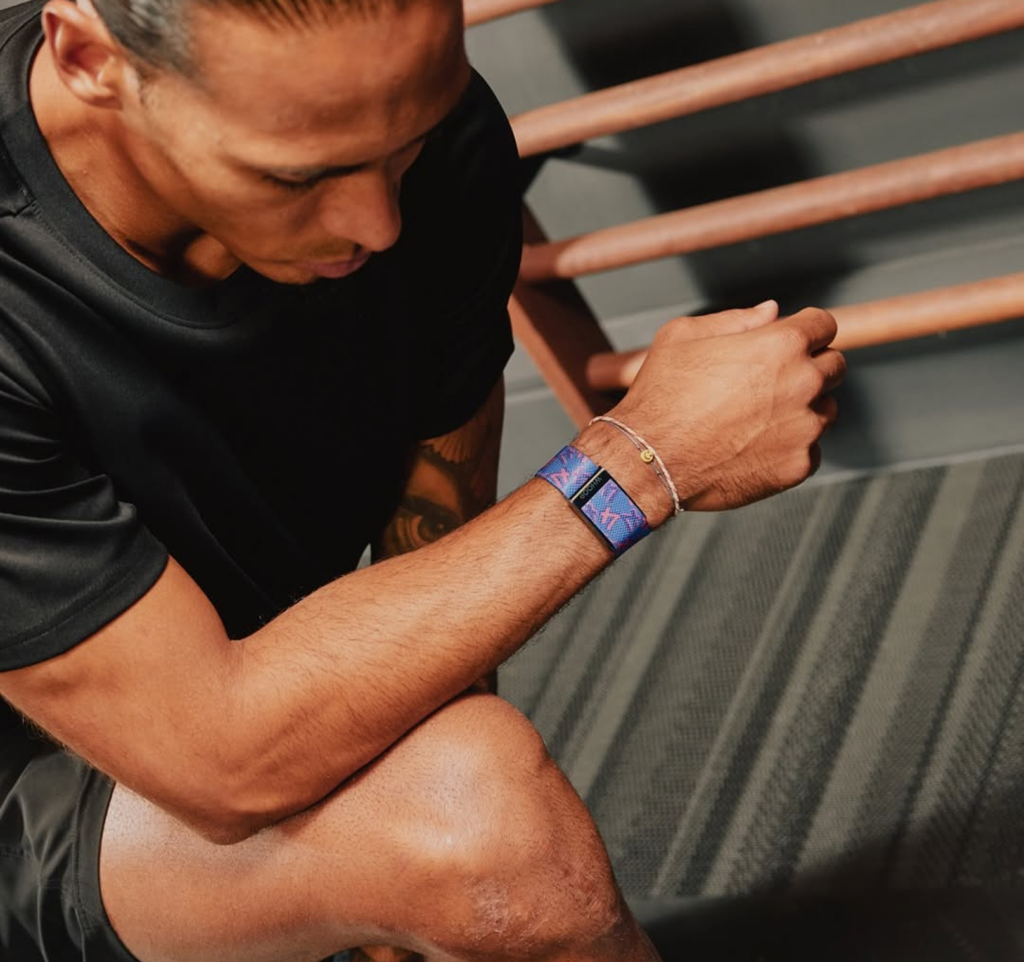
For years, sports watches functioned almost exclusively as tools built around physical performance. They tracked distance, pace, speed and calories burned. Honestly, they only really mattered during workouts. But Garmin changed that completely. What started as a brand deeply connected to running and high-performance sports is now part of a much broader conversation around energy, recovery and overall wellbeing.
Metrics like sleep, stress, Body Battery and Training Readiness transformed the wearable into something far more complex than a sports accessory: a constant reading of the body itself. A Garmin can now measure your energy levels from the moment you wake up until you go to sleep, function as an incredibly detailed menstrual cycle tracker and, of course, continue delivering real-time training metrics throughout the day.
That is exactly why it became one of the most widely used wearables in fitness: because it does not just support training, it learns how to read the body beyond it.

the new luxury in wellness no longer lives only in effort; it lives in how we feel after it.
A New Way of Reading the Body
As wellness became increasingly connected to rest, regulation and energy, devices started appearing with a focus beyond training per se. Their goal was to understand how the body behaves throughout the day. That is where Whoop and Oura began leading an entirely new conversation within wellness.
What makes both devices so interesting is that neither of them feels overtly athletic at first glance. Much of their appeal comes from the way they turned wellness tracking into something quieter, more seamless and ultimately more elegant.
While Whoop removed the screen entirely to focus on recovery, stress and performance through an almost clinical lens, Oura transformed a minimalist ring into one of the most sophisticated objects in modern wellness. Both brands understood something before many others did: people no longer want to measure only how much they train; they want to understand how they sleep, recover and move through everyday life.

The Obsession With Recovery
There is something fascinating happening within contemporary wellness: the focus —almost obsession— with recovery. What once ended with a few minutes of stretching after a workout has now become part of the workout itself.
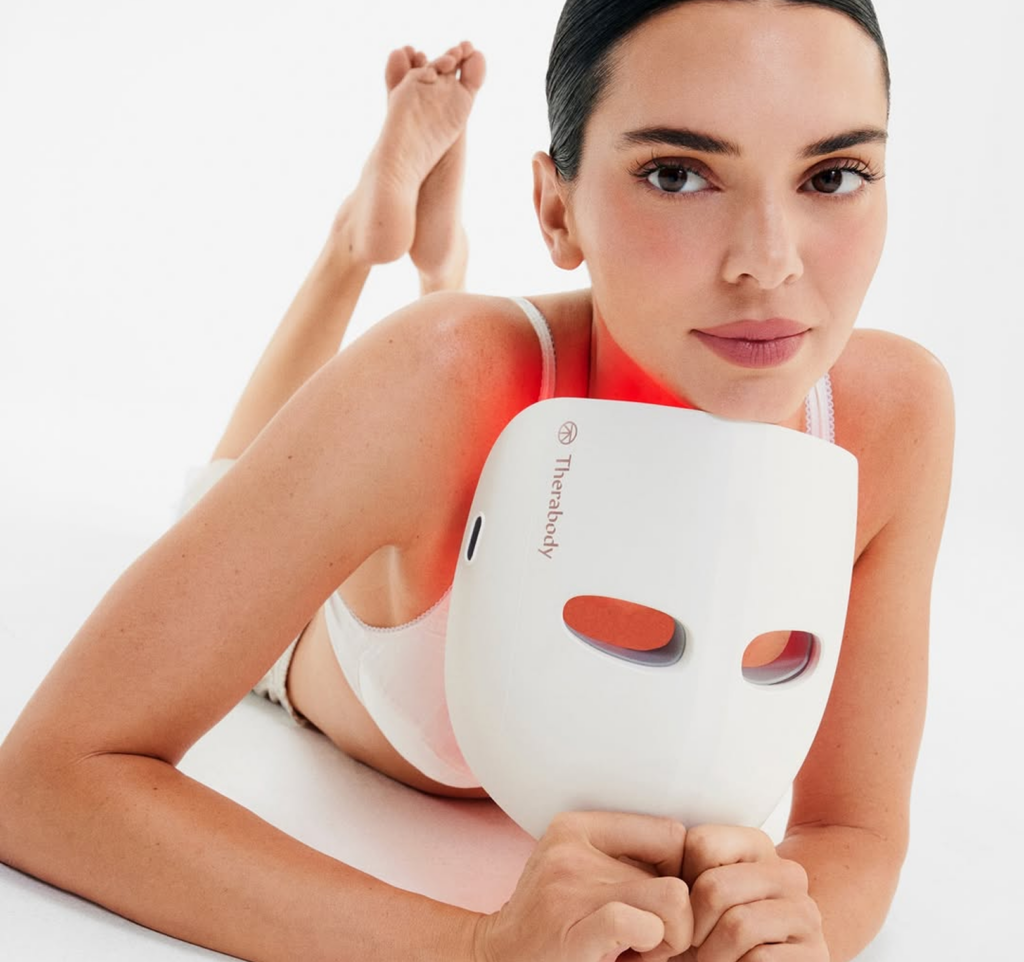
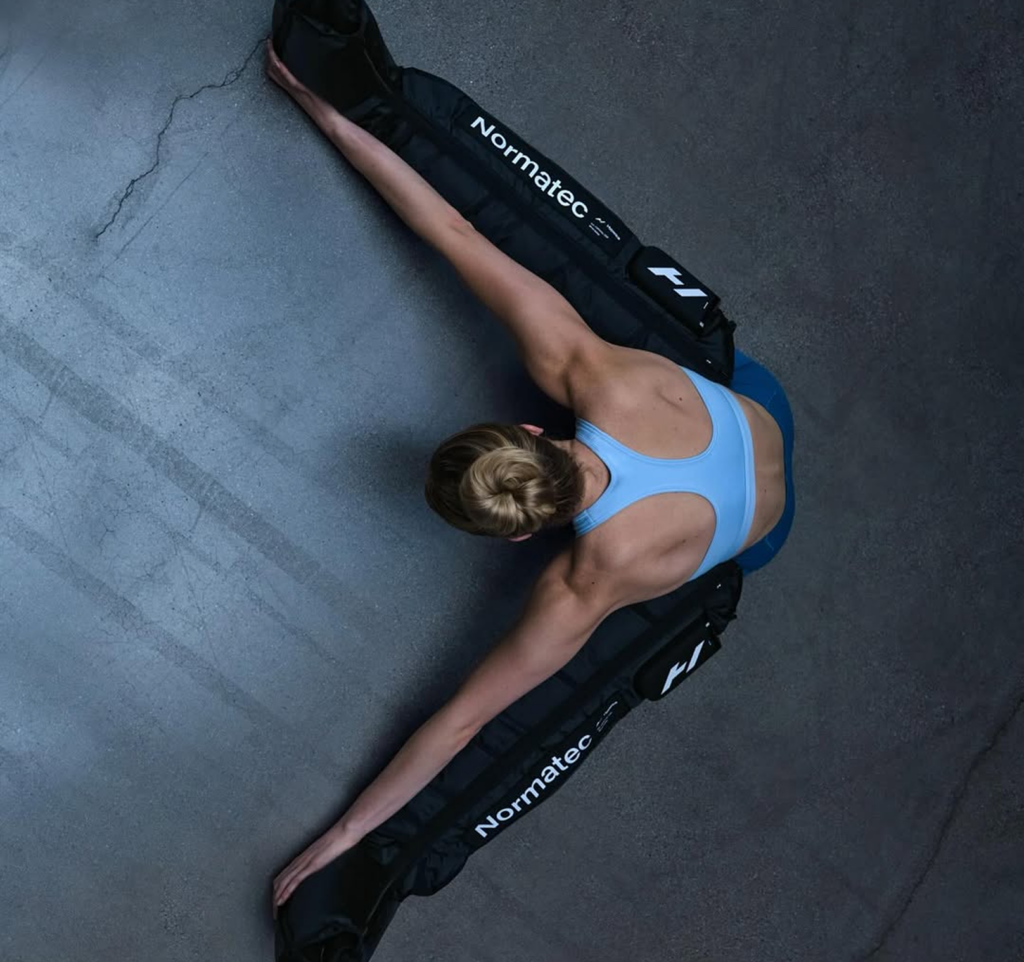
Therabody and Hyperice saw the shift before most brands did: recovery was becoming part of everyday wellness. Their proposal revolves around devices designed to relieve muscle tension, a category that still feels relatively new within wellness. Massage guns, compression eye goggles, ice baths and air compression boots have become cult objects among runners, triathletes and, more broadly, people deeply invested in physical performance.
In other words, these gadgets made one thing very clear: training no longer ends when the workout does.
Contemporary wellness no longer seeks only to optimize the body; it also wants to understand it.
Sleep as a Form of Performance
Let’s be honest: sleep used to feel like one of the most basic conversations in wellness. Important, yes, but difficult to turn into experience. In 2026, the opposite feels true. Quality sleep has become a priority. And alongside that shift came devices designed to transform sleep into something measurable, optimizable and deeply personalized —even beyond wearable statistics.
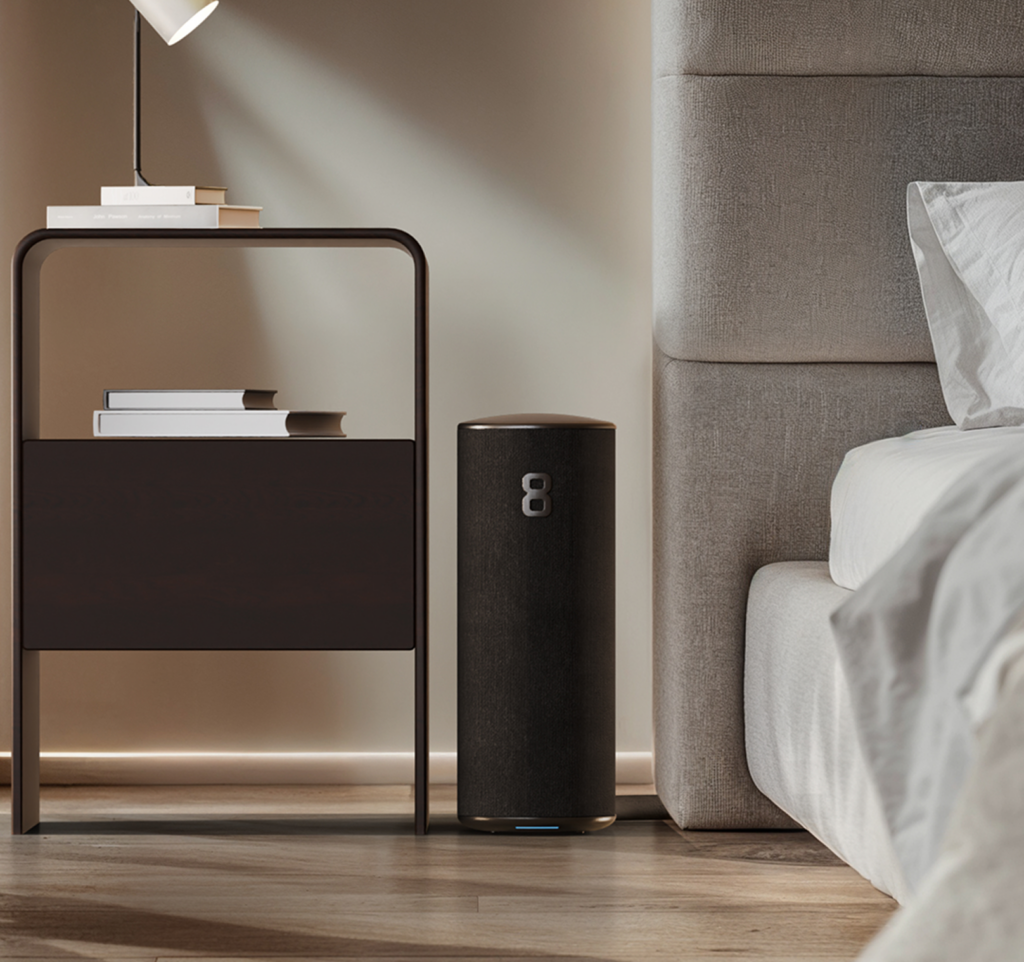
Eight Sleep entered that conversation with an almost futuristic approach. Its devices turn rest into a deeply personalized experience through technology designed to monitor the body while sleeping: body temperature, heart rate, sleep cycles, recovery levels and even automatic snoring response. Yes, all inside a bed designed to function as an extension of the wellness ecosystem itself.
That is exactly why it feels so dystopian —because until recently, no one was really talking about how true recovery begins while we sleep.
Epilogue
Contemporary wellness no longer seeks only to optimize the body; it also wants to understand it. Today, metrics related to sleep, energy, stress, recovery and physical regulation coexist within the same ecosystem that once focused exclusively on exercise. And that is a good thing. Because paying attention to how we sleep, rest and recover energy makes it clear that wellbeing extends far beyond training itself. And that is exactly where the relevance of this new generation of wellness devices lives.
But at the same time, there is something important worth remembering throughout this entire conversation: data cannot become an obsession. While wellness technology can absolutely help us understand the body better, no metric can replace real rest or the ability to listen to what we actually need. After all, the goal should never be to obsessively optimize every aspect of our routines, but to build a far more conscious relationship with our own wellbeing.