For decades, the universe of spirits was built around a deeply masculine narrative. From production to the bar, the culture of distilled beverages was dominated by aesthetic codes, rituals and structures where women rarely occupied positions of leadership.
Today that story is beginning to change. In Mexico, one of the projects that best represents this transformation is Xila, the Mexican aperitif created by women that proposes a new reading of the contemporary spirit: more sensory, more cultural and deeply connected to the identity of those who produce it.
More than a drink, Xila is a stance.
Author: Claudia Valdez
A distillery conceived from another vision
Behind the project is Hillhamn Salome, founder of Flor de Luna, the first experimental craft distillery in Mexico City operated by women.
When she began her project, the spirits industry, like many others within the gastronomic world, was dominated by men. Instead of adapting to that structure, Salome decided to build an alternative from the ground up.
Flor de Luna was born as a creative laboratory where technical experimentation, ingredient research and artisanal production coexist under a clear premise: creating real spaces for female leadership within the spirits industry.
From distillation to product conceptualization, the project embraces a model in which women not only participate, but also make decisions, design processes and define the creative direction of the brand. From that vision, Xila emerged.
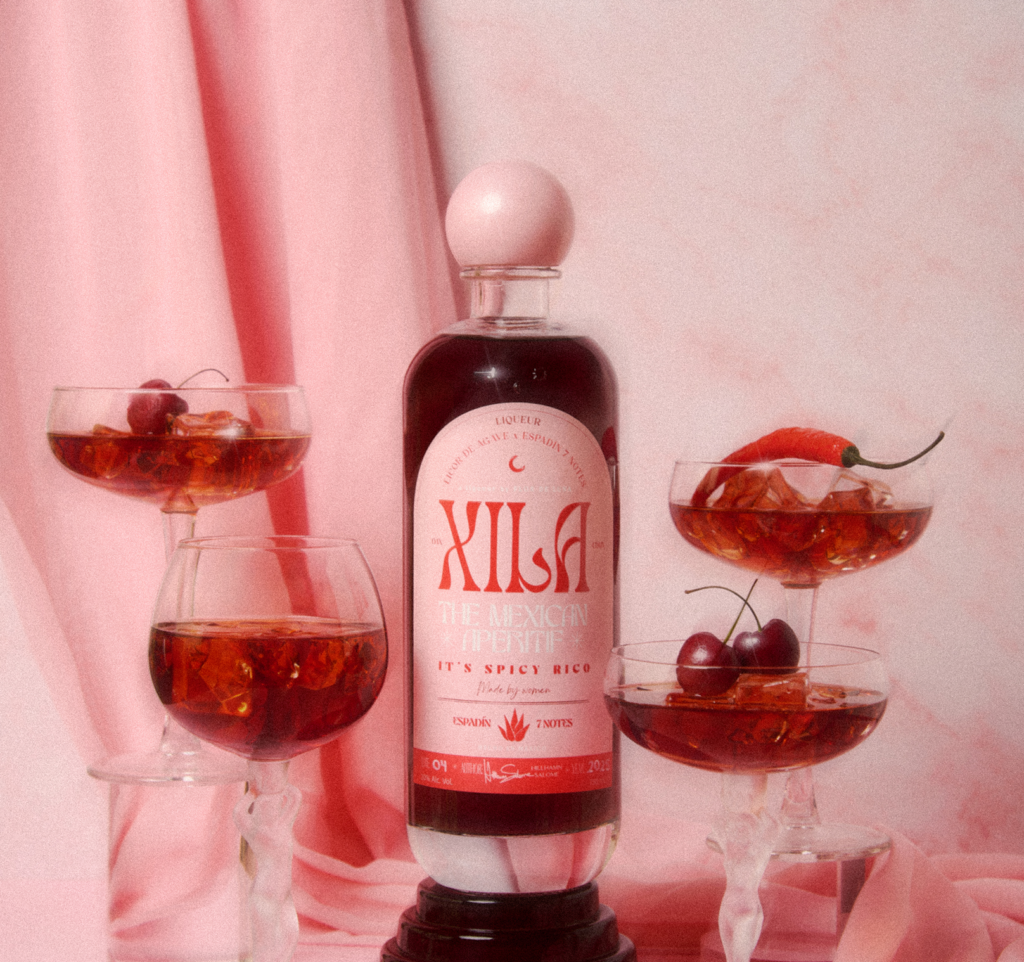
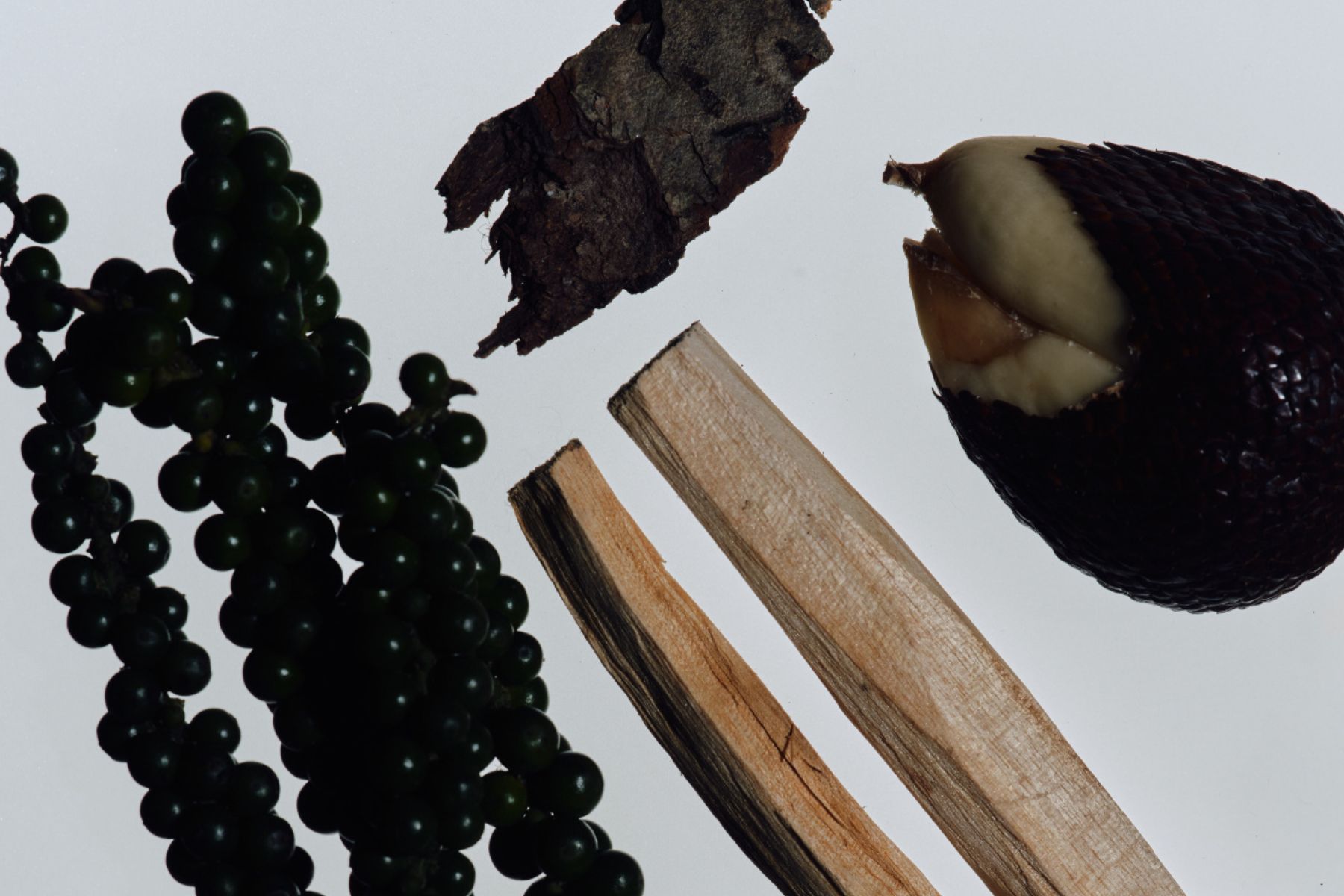
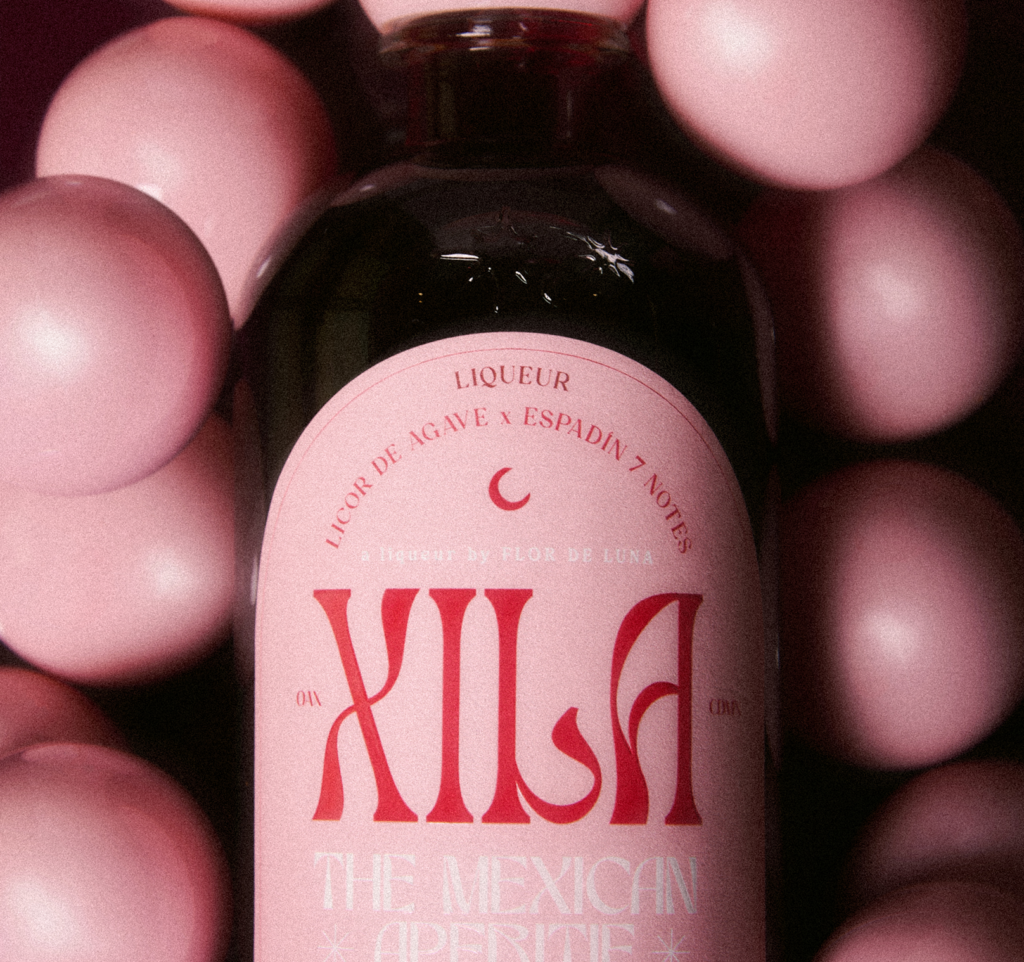
xila, Its recipe combines mezcal made from espadín agave with seven botanicals: caramelized pineapple, ancho chile, lavender, hibiscus, cinnamon, clove and black pepper.
A deeply Mexican aperitif
The name Xila means woman in Zapotec. Its recipe combines mezcal made from espadín agave with seven botanicals: caramelized pineapple, ancho chile, lavender, hibiscus, cinnamon, clove and black pepper.
The result is a complex sensory profile where sweetness, florality and spice coexist with a subtle heat that slowly appears on the palate. But the most interesting gesture of Xila is not only its flavor.
In a global market historically dominated by European aperitifs, Italian vermouths, amaros and classic bitters, the brand proposes something different: an aperitif with a Mexican identity, built from ingredients that evoke the country’s gastronomic memory.
The ritual of seven
The production of Xila is also guided by a particular symbolism.
The number seven marks each stage of the process: the espadín agave used as the base matures for seven years, the botanicals macerate for seven days, the liquid rests for another seven days and it is finally filtered seven times before bottling.
In many cultural traditions, seven symbolizes complete cycles, balance and transformation. For Xila, this number functions as a kind of internal language that connects technique, time and narrative.
In a market where speed often dominates, seven reminds us of something essential: great spirits require patience.
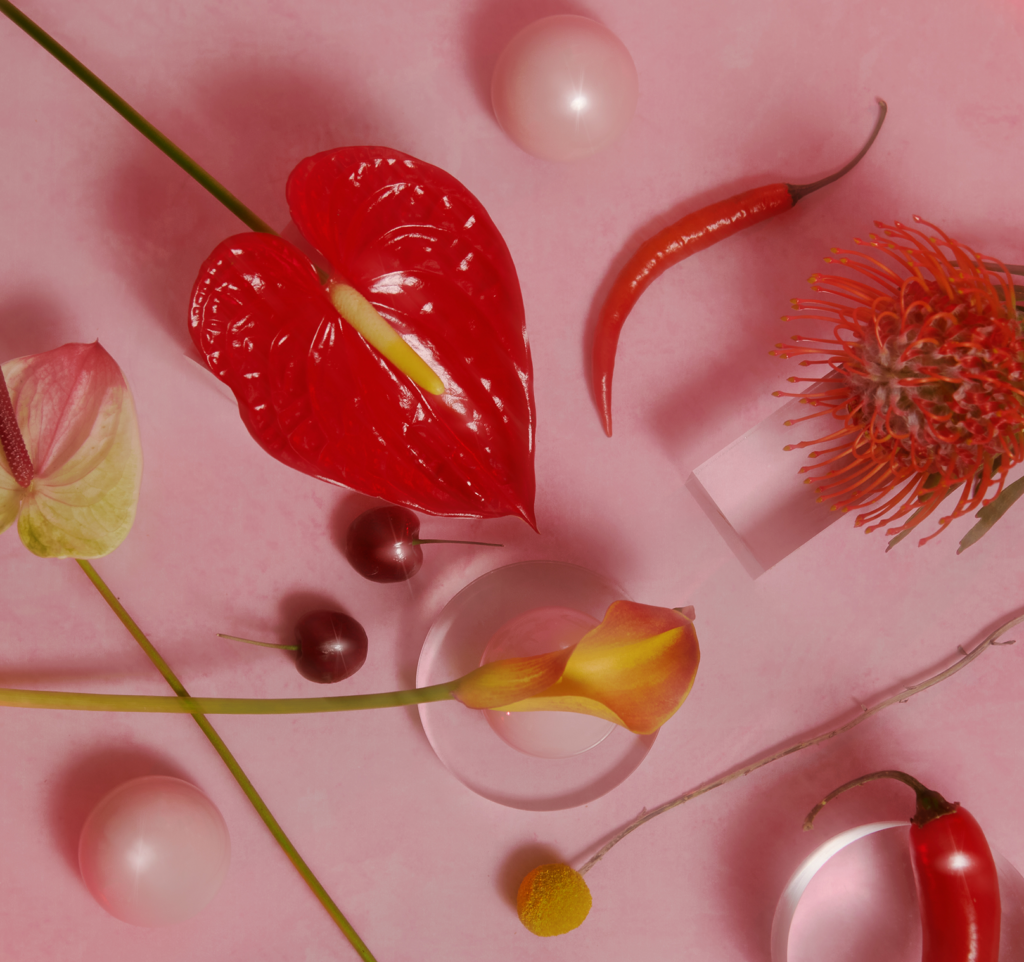
Pink and red represent two complementary dimensions of the project: sensuality and strength, softness and character.
The language of design
If the liquid is the essence of the project, the object is its visual manifesto. The design of Xila deliberately moves away from the traditional aesthetics of spirits, heavy bottles, restrained labels and masculine codes, to adopt a contemporary and expressive identity.
The bottle stands out for one of its most recognizable elements: its caps in two intense colors, pink and red.
Far from being a decorative gesture, they function as a visual system that communicates the personality of each expression of the aperitif.
The pink cap, which identifies the original recipe, reflects the aromatic and floral profile of the spirit. Its notes of caramelized pineapple, lavender and hibiscus create a bright and elegant experience that the color translates visually with natural ease.
The red cap, used for Xila Extra Spicy, introduces a bolder character. Here the chiles and spiced botanicals create a more vibrant and intense experience on the palate.
Rather than simply differentiating products, color functions as a narrative language. Pink and red represent two complementary dimensions of the project: sensuality and strength, softness and character.
Distilling can also be an act of transformation
The impact of Xila cannot be measured only in market terms. The Flor de Luna distillery was conceived as a space where women could learn, produce and lead within a sector that historically denied them those opportunities.
This implies something deeper than the creation of a drink. It implies reconfiguring who has access to technical knowledge, who defines the language of the bar and who has the authority to create new spirits. In other words: changing the structure of power within the industry.
The future of the Mexican bar
In recent years Mexico has become one of the most interesting territories in the world in terms of contemporary spirits. Within that conversation, Xila occupies a singular place.
It not only explores new sensory profiles. It also proposes a new narrative about hospitality, identity and leadership. Because in the history of spirits, few things have been as radical as this: “a distillery where women not only participate in the alchemy, but write the entire formula.”