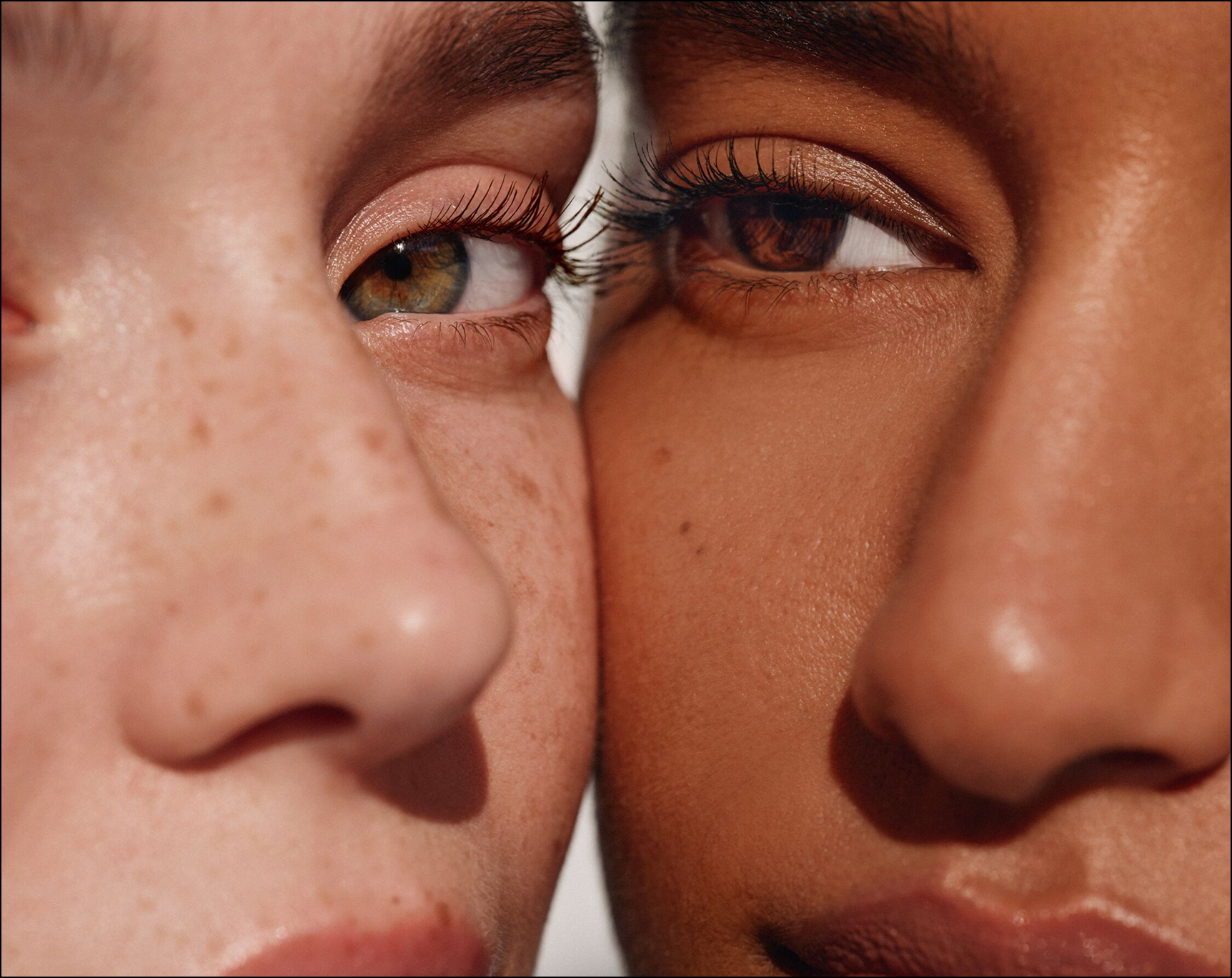
Today, contemporary art is experienced in motion. It is visited, crossed, documented. The experience often lasts only as long as the walkthrough, the opening night, or even an Instagram story. There is an implicit speed in the way we observe and interpret a work.
Yet not every space operates at that rhythm. Tereza Diaque Galería proposes a different cadence: one where intimacy and proximity do not merely frame the experience, but sustain it. Within that territory, Krytzia Dabdoub’s work finds a natural home, and her pieces unfold beyond the first glance.
Author: aNDREA BAU
Tereza Diaque: A Gallery That Invests in Intimacy
Entering Tereza Diaque Galería does not feel like walking through an exhibition space devoid of context or intention. It feels like stepping into an intimate conversation with the artwork itself, its history, and even its maker. The space does not seek to impose; it accompanies, and the distance between artwork and viewer is designed to draw closer, not to create separation.
Rather than accumulating exhibitions, Tereza Diaque Galería builds a narrative that evolves with each piece. Its selection of artists privileges those who approach art as a living process shaped by memory and identity, rather than as a closed concept. This is evident in the material-symbolic depth of Juan Manuel de la Rosa and the expressive intensity of Fernando Leal Audirac. Within its walls, the work does not aim to impress; it seeks to open conversation. And in that decision lies a clear stance on how contemporary art can be experienced.
“Tereza Diaque Gallery feels like entering an intimate conversation with the art itself, its history, and even with the person who created it.”
Krytzia Dabdoub: Memory Built in Layers
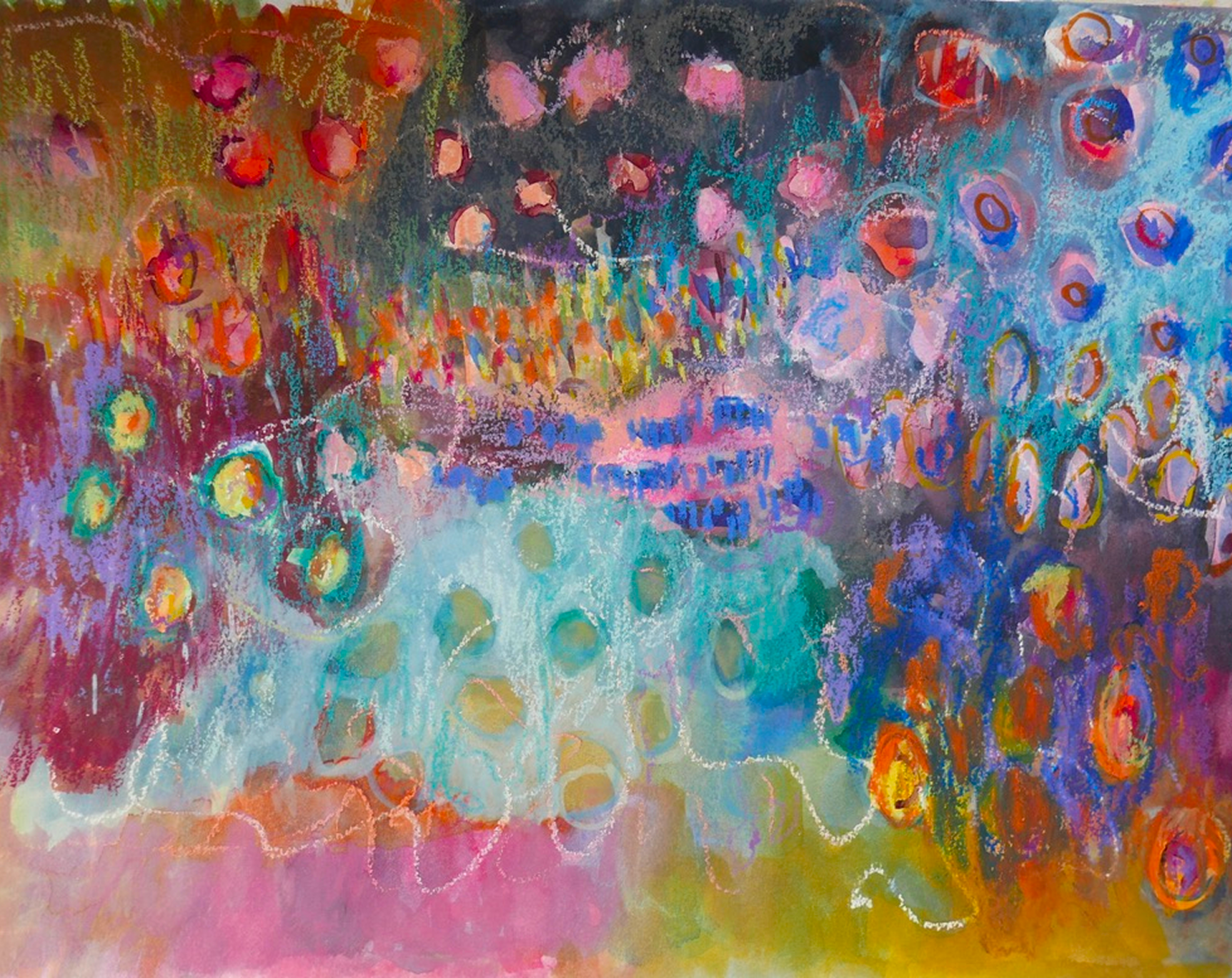
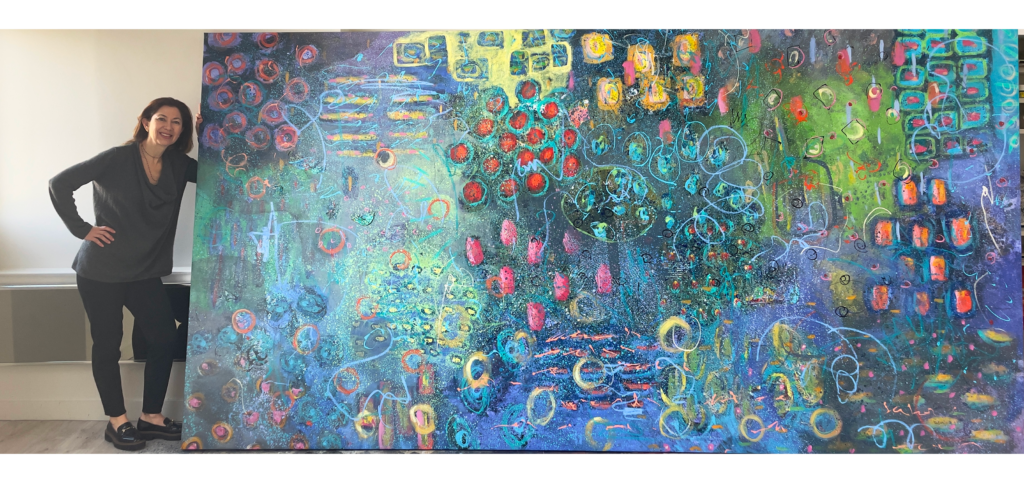
Within this territory of proximity, Krytzia Dabdoub’s work finds a natural place. Her practice has established itself within the Mexican contemporary art scene as an ongoing investigation of identity and memory through material exploration. Through manual processes and layers that speak to one another, her work constructs a personal archive that, rather than presenting itself as a fixed narrative, reveals itself as a constantly evolving process.
Textures, veils, and superimpositions build a language that does not respond immediately. The work does not resolve itself at first glance; it demands — and deserves — pause. The Mexican artist does not seek to close a narrative, but to expand it.
From Gallery to Fair, Without Losing Coherence
During Mexico City’s Art Week, the presence of Tereza Diaque Galería and Krytzia Dabdoub at the 22nd edition of Zona Maco made something clear: even within large-scale settings, their proposal does not depend on noise, but on depth.
More than an isolated moment, their participation reaffirmed a line they had already been building over time: curatorial coherence and an artistic practice capable of sustaining itself, even beyond the intimate space of the gallery.
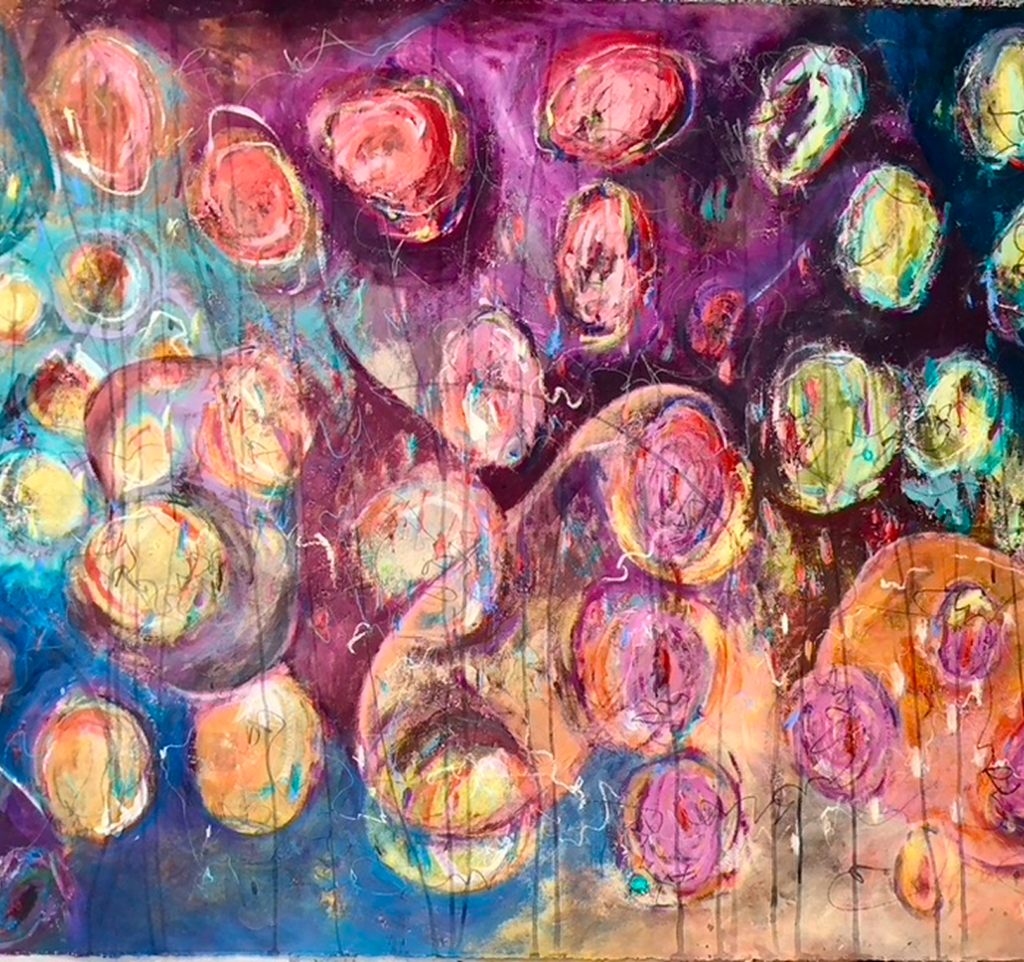
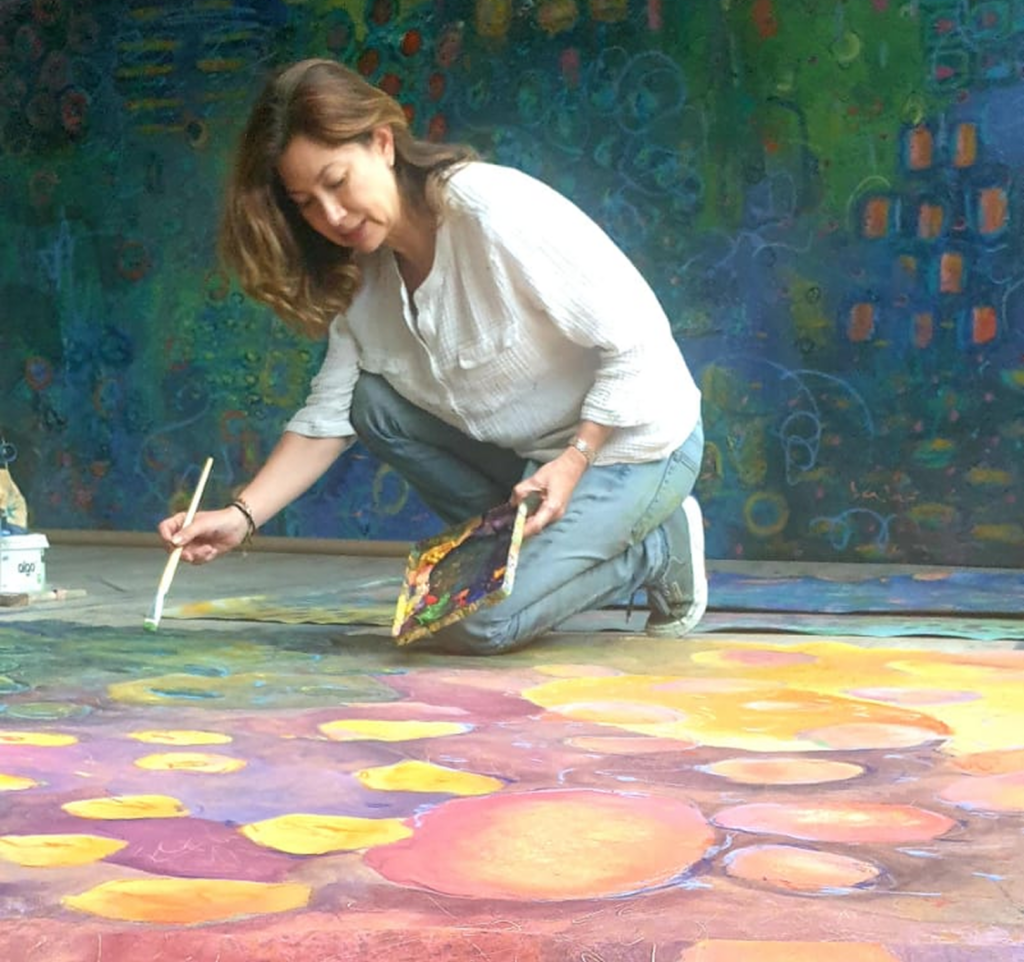
“Krytzia Dabdoub’s practice, that intention becomes tangible, the work does not seek to impose itself, but to endure over time.”
Learning to Remain
At Tereza Diaque Galería, the experience does not end with the walkthrough. It extends into memory, into the conversation that unfolds, and into the pause the work demands. In Krytzia Dabdoub’s practice, that intention becomes tangible: the work does not seek to impose itself, but to endure over time.
Perhaps that is why contemporary art can sometimes unsettle us. Because it is not always about understanding immediately, but about learning not to rush — and simply remaining in front of it.