For years, romance was treated as one of the “lighter” genres within pop culture and film. These stories were often dismissed as guilty pleasures rather than taken seriously as cultural forces. But while Hollywood kept chasing superhero universes, darker narratives and epic franchises, millions of readers were quietly building something far more powerful online: deeply obsessive communities around romance novels capable of turning books into cultural phenomena.
That’s where BookTok entered the conversation. What started as a literary subcommunity within TikTok quickly transformed reading into one of the internet’s most influential cultural ecosystems. And streaming platforms like Prime Video understood almost immediately that contemporary romance was no longer just generating audiences — it was generating fandom, digital identity and constant online conversation.
Because these stories no longer live only inside books. They live in edits, playlists, fancasts, TikToks, theories and emotional universes that internet culture learned to collectively inhabit. And increasingly, they also live at the center of one of streaming’s most profitable business opportunities.
Author: aNDREA BAU
From the BookTok Algorithm to Cultural Phenomenon
Hollywood has always relied on adapting stories with built-in recognition. Think of Harry Potter or even older cultural giants like The Godfather and The Da Vinci Code. Global franchises with already established fan communities behind them. But BookTok completely changed the logic behind that strategy.
Because beyond simply recommending books, the platform began creating digital communities capable of turning romance novels into constant cultural conversation. Stories that are no longer just read; they’re edited, soundtracked, romanticized and collectively shared through the algorithm. And little by little, they also began taking over streaming.
The phenomenon truly exploded with adaptations like Daisy Jones & The Six and even Ibero-American productions like Culpa mía. Yes, the books dominated TikTok conversations first. But their screen adaptations confirmed something important for platforms like Prime Video: the real value of these stories isn’t just the audience they attract, but their ability to create emotional fandom. Because internet culture no longer consumes romance passively; it transforms it into identity, aesthetics and collective experience.

The Summer I Turned Pretty: Romance at the Center of the Conversation
The fact that romance stories are now at the forefront of entertainment isn’t accidental. It says a lot about the way we currently inhabit the world. In the middle of collective exhaustion, digital burnout and constant overstimulation, internet culture began searching for something different. Something softer. More intimate. More emotional. In short, stories capable of disconnecting us — even for a few hours — from the constant noise of reality.
Contemporary romance ended up offering exactly that. A return to narratives built around nostalgia, emotional closeness and vulnerability. Series like The Summer I Turned Pretty understood that conversation particularly well. Because beyond the love triangle between Belly, Conrad and Jeremiah, the series created an entire emotional fantasy around summer, friendship, playlists and the intensity of feeling everything for the first time. The adaptation based on Jenny Han’s books stopped functioning solely as entertainment. It also became emotional escapism.

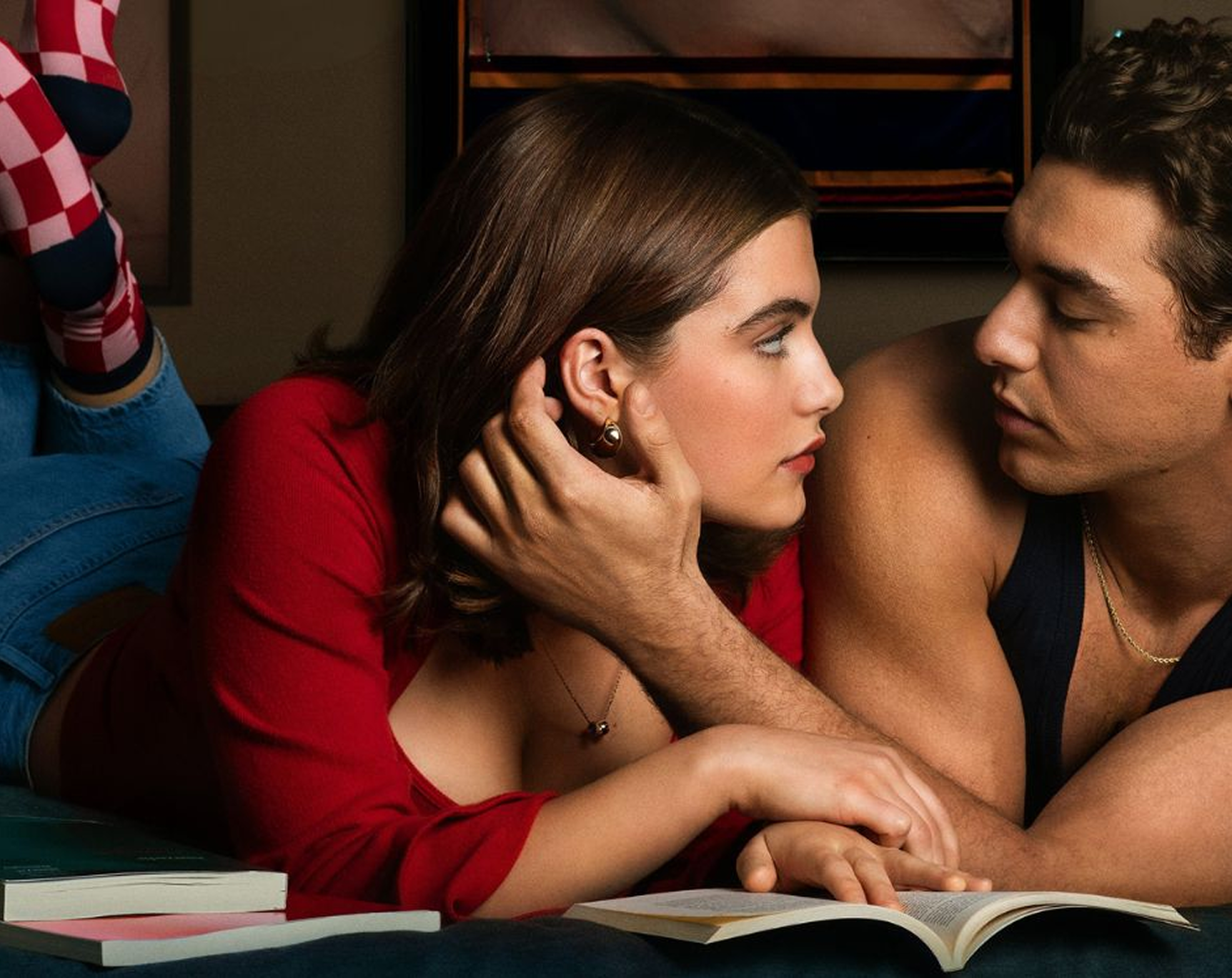
Communities deeply obsessed with romance novels, capable of turning books into cultural touchstones.
Off Campus and the Business of Romance
Looking back, The Summer I Turned Pretty was probably the series that made Prime Video realize that investing in these stories wasn’t simply about following a digital trend. It was also about building one of the most emotionally powerful — and profitable — phenomena in contemporary streaming.
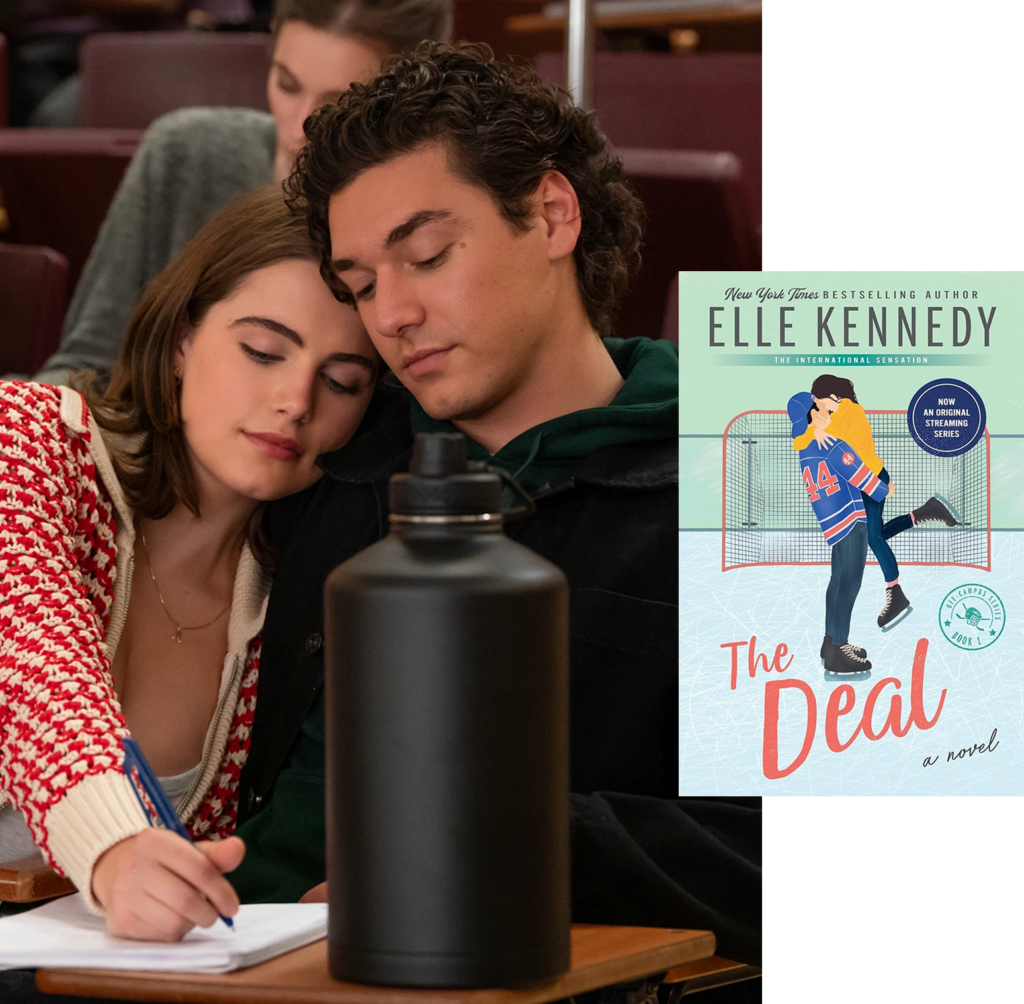
The newly released adaptation of Off Campus confirms exactly where romantic entertainment is heading. Because the hockey romance phenomenon was never really about sports or college relationships alone. It was about emotionally accessible characters, desire-driven dynamics and a generation completely obsessed with the romantic tropes dominating internet culture.
With a 96% approval score on Rotten Tomatoes, the series based on Elle Kennedy’s books became — in just one week — one of the most visible streaming conversations online. For the fandom, it was the adaptation of one of BookTok’s most beloved sagas. But for Prime Video, it became proof that its multimillion-dollar investment in a historically underestimated genre is also one of its smartest business decisions.
Fourth Wing and the Return of Romantic Fantasy
After the boom of contemporary romance, the next step felt inevitable. Because BookTok is no longer dominated solely by college romances or coastal love stories; it’s now completely obsessed with romantasy. A subgenre built around fantasy, desire, romantic tension, emotionally intense universes —and dragons— that today move millions of readers worldwide. Prime Video recognized that shift almost immediately.
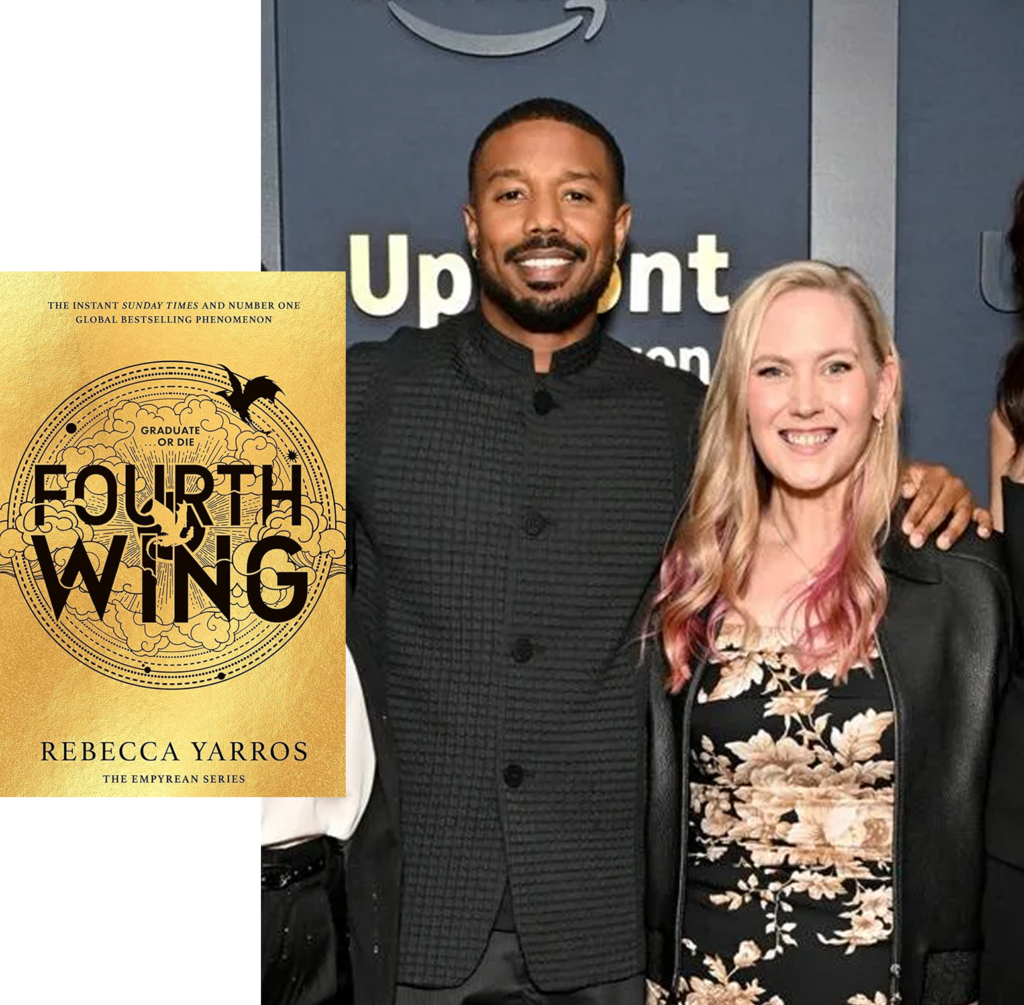
Its next major bet is Fourth Wing, the bestselling series by American author Rebecca Yarros. Produced by Academy Award winner Michael B. Jordan, the adaptation confirms just how seriously Hollywood has started taking this phenomenon. Because romantasy doesn’t just create fandom; it creates multimillion-dollar franchises capable of expanding across books, streaming, merchandising, theories, fancasts and digital communities obsessed with every fictional universe.
Yet perhaps the most interesting part of all this is that it also feels cyclical. Because this phenomenon isn’t entirely new. Back in the early 2010s, franchises like Twilight, The Vampire Diaries and Teen Wolf had already demonstrated the enormous cultural and economic power behind female-driven romantic fantasy. The difference now is that internet culture amplified the phenomenon into something far more immediate, global and, of course, profitable.
Contemporary romance no longer just generates audiences; it generates fandom, digital identity, and constant conversation.
The Romantic Reader as Streaming’s Main Character
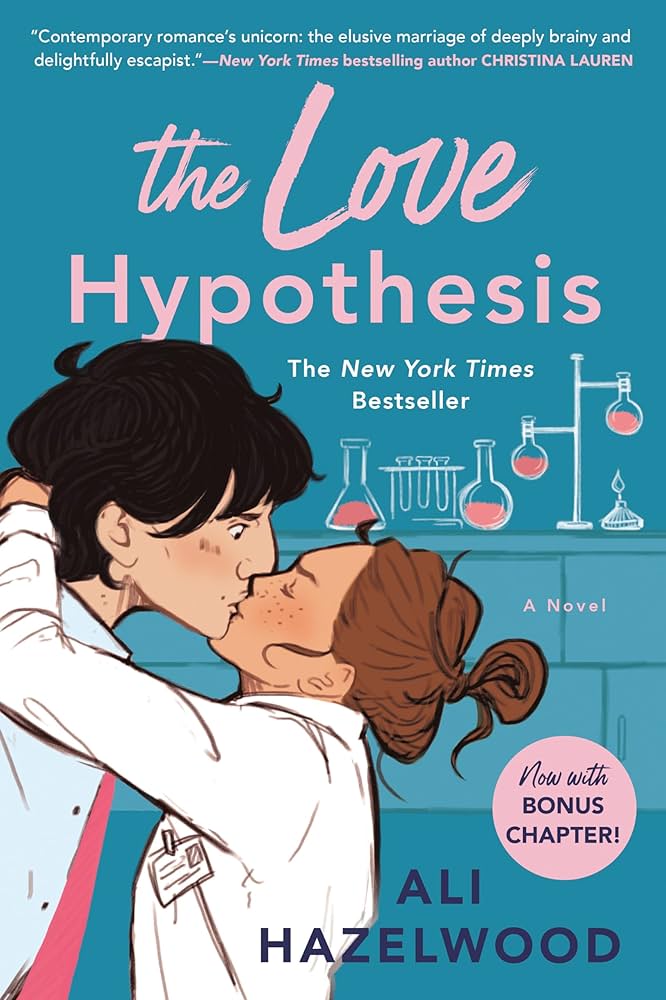
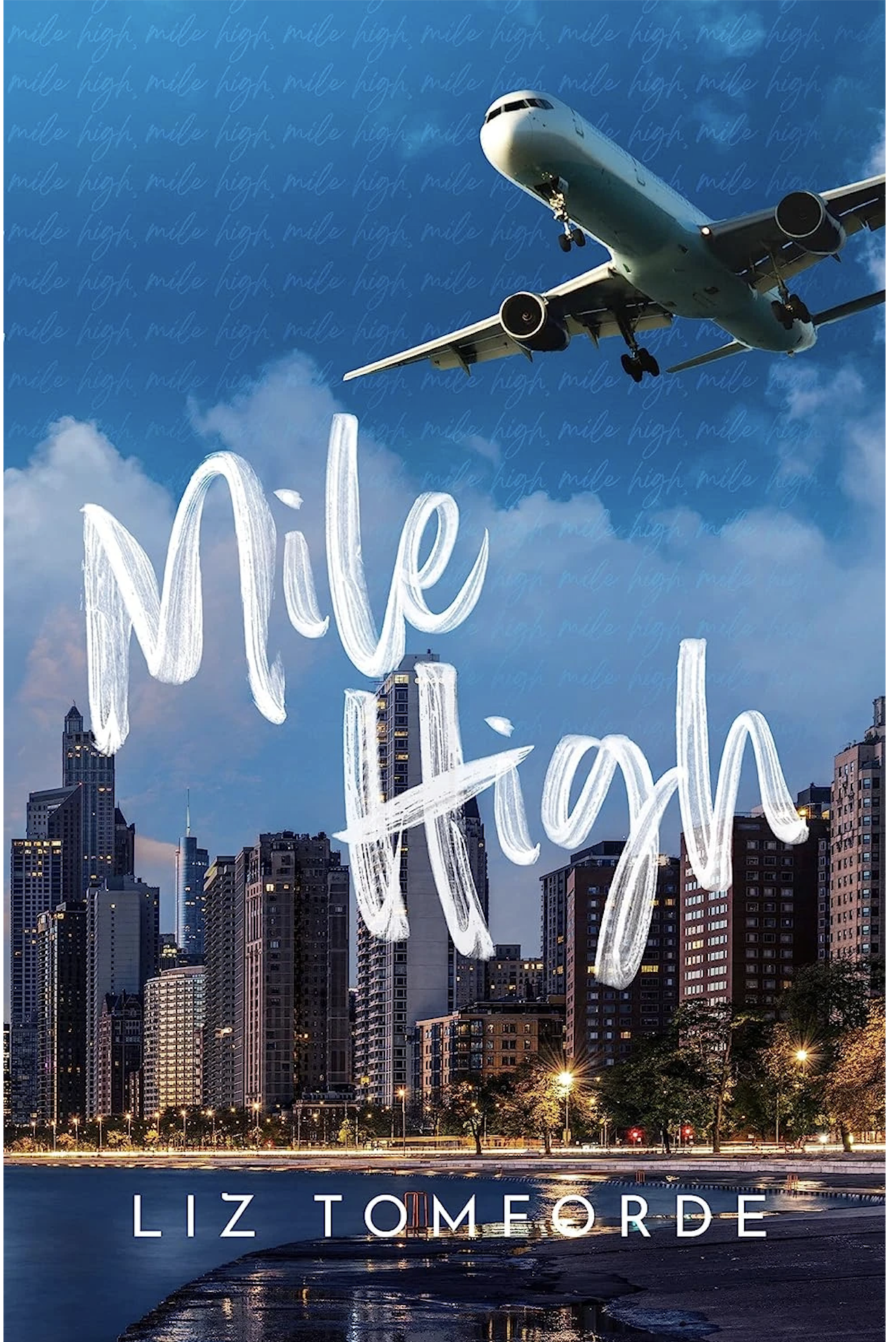
There’s no doubt about it: after several major successes, it’s clear that Prime Video understood — before many other studios — where online cultural conversation was heading. Amazon’s streaming platform recently acquired the rights to Windy City, another romance series by author Liz Tomforde, while also preparing for the release of The Love Hypothesis by Ali Hazelwood. This isn’t accidental. It’s a strategic reading of something far bigger than a temporary digital trend.
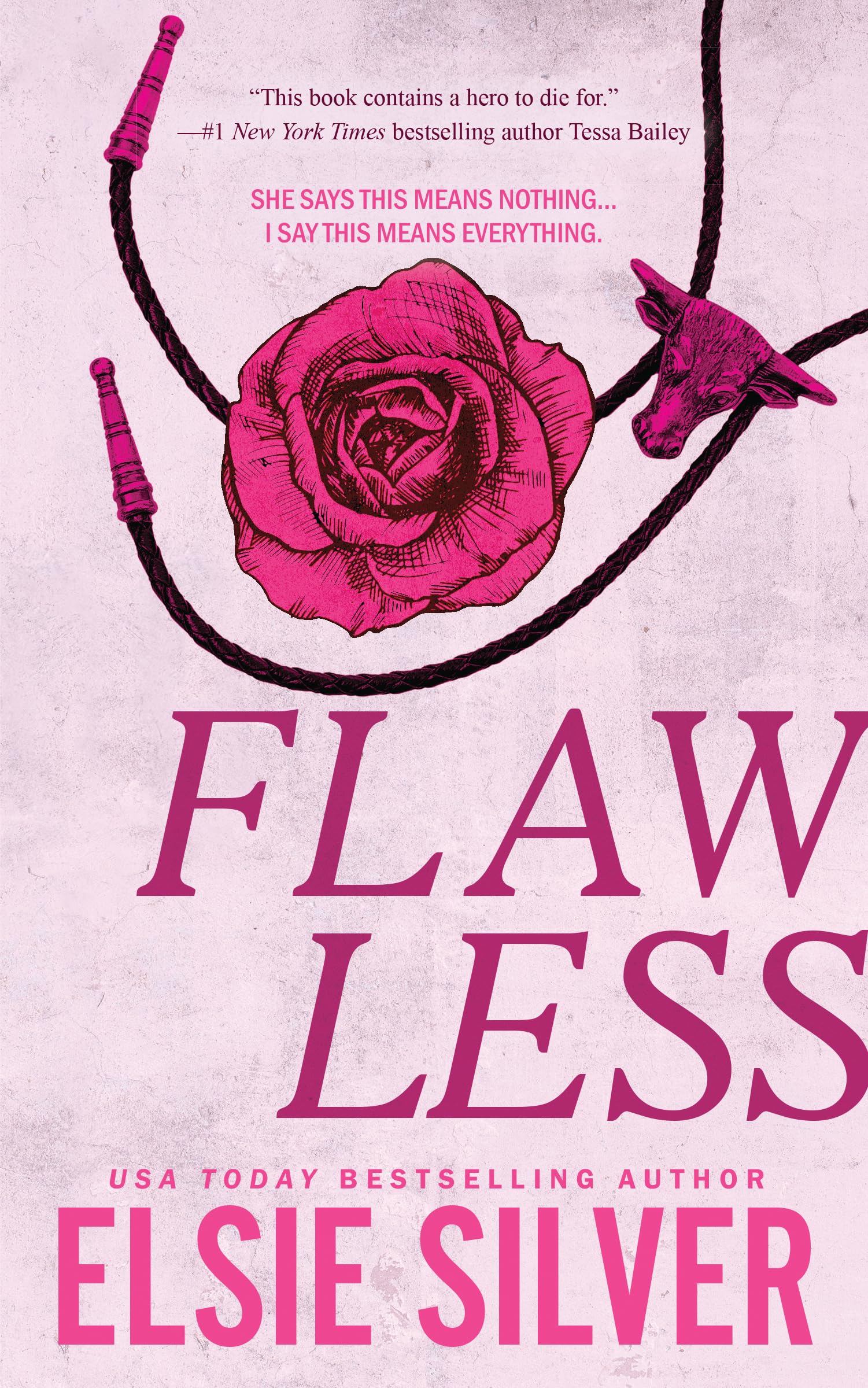
What may be even more revealing, however, is how quickly the rest of the industry is reacting to the boom. While Prime Video continues expanding its investment in contemporary romance, Netflix is currently developing adaptations of Twisted by Ana Huang and Chestnut Springs by Elsie Silver. Books just as powerful within BookTok that are now finding their place inside streaming’s multimillion-dollar ecosystem.
In short, Hollywood is evolving. Because after years of underestimating romance, the film and television industry is finally realizing something important: romantic readers were never a niche audience. They were always one of the most powerful, organized and profitable audiences in contemporary entertainment.

Twisted love de ana huang
THE LOVE HYPOTHESIS de ALI HAZELWOOD
MILE HIGH de LIZ TOMFORDE