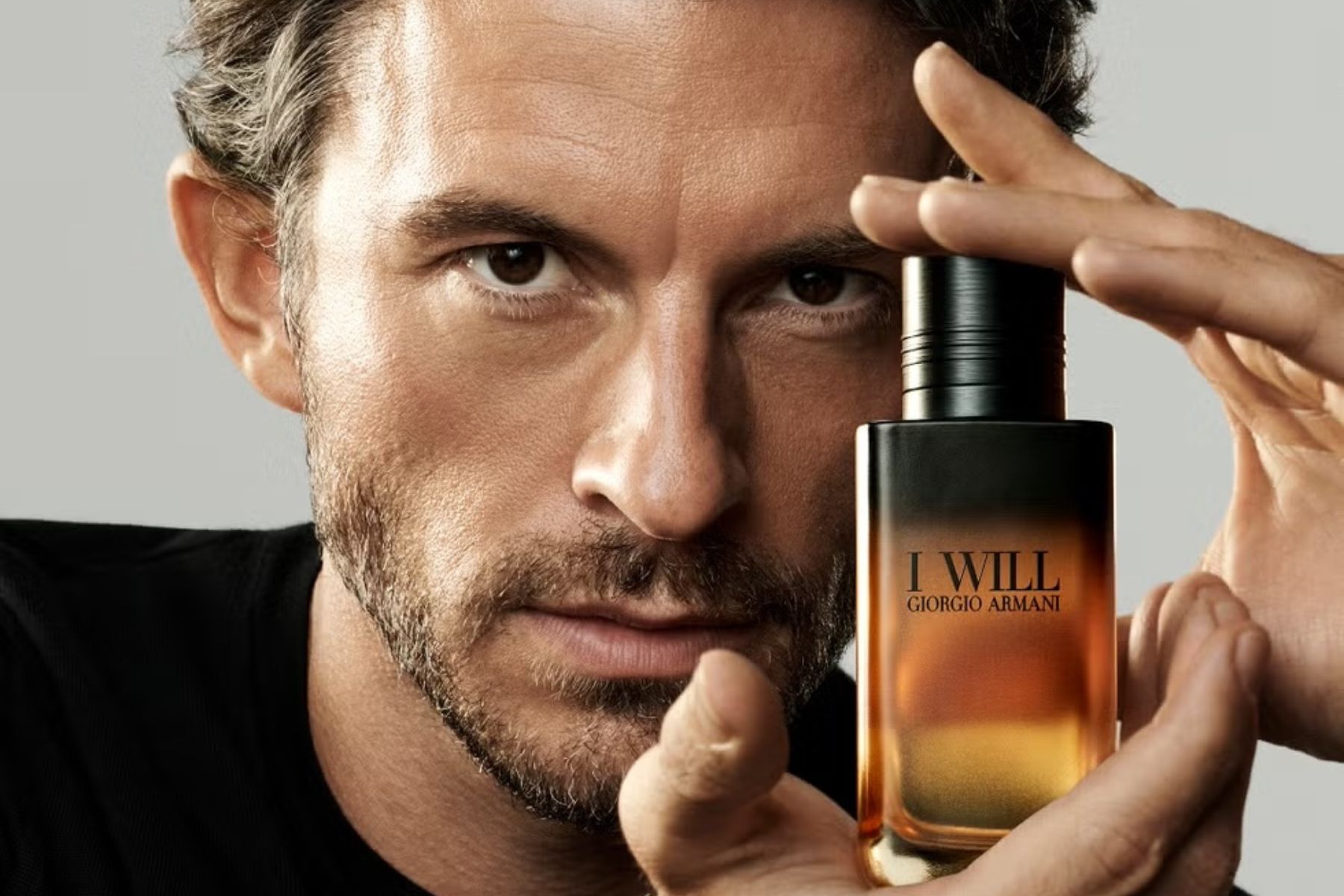
There is something quietly revealing about naming a fragrance I Will. Not I Am, because it speaks less about identity than intention; it is a statement of movement, determination and the willingness to become. For Giorgio Armani, those two words carry particular weight. More than two decades after introducing a new pillar to its men’s fragrance portfolio, Armani Beauty unveils I Will, an Eau de Parfum fronted by Jonathan Bailey and developed over four years under Giorgio Armani’s close creative direction.
Yet to see I Will simply as another fragrance launch would overlook the larger story behind it. For decades, Armani has been redefining what masculinity looks like; now, that same conversation extends into the world of scent.
Armani has spent decades quietly questioning what a man should look like, and now that same conversation extends into fragrance.
It started with a suit
When Giorgio Armani transformed men’s tailoring in the 1970s, he never set out to reinvent the suit by rejecting it altogether. Instead, he softened it. Jackets lost their rigid construction, shoulders became lighter, fabrics moved more naturally and clothing began to follow the body instead of controlling it. At a time when masculine authority was largely expressed through structure and sharp silhouettes, Armani proposed another language, one in which elegance could feel relaxed, confidence no longer depended on rigidity and sensuality emerged through restraint rather than display.
That philosophy would become one of the defining signatures of the house and, decades later, I Will feels like a continuation of the same idea. The medium is no longer tailoring; it is fragrance.
Rethinking the masculine fragrance
The creation of I Will took four years. Master perfumers Nathalie Lorson and Alberto Morillas worked through nearly 2,800 trials before arriving at the final composition, placing an unexpected ingredient at its center: Bourbon vanilla.
Traditional masculine perfumery has long relied on a familiar vocabulary of woods, spices, citrus, aromatic herbs and leather. Vanilla has never been absent from men’s fragrances, yet it has often carried softer, sweeter associations that historically belonged to a more feminine olfactory language. Armani does not attempt to disguise it. Instead, vanilla becomes the emotional core of the composition, bringing warmth and sensuality, while Italian bergamot introduces brightness; lavender and violet leaf create an aromatic freshness, and smoky woods and leather provide structure and depth.
What makes the fragrance compelling is not that it abandons the traditional codes of masculine perfumery, but that it rearranges them. Softness is allowed to carry as much presence as strength, while sensuality becomes inseparable from restraint. It is, in many ways, the same creative gesture Armani made decades ago with tailoring.
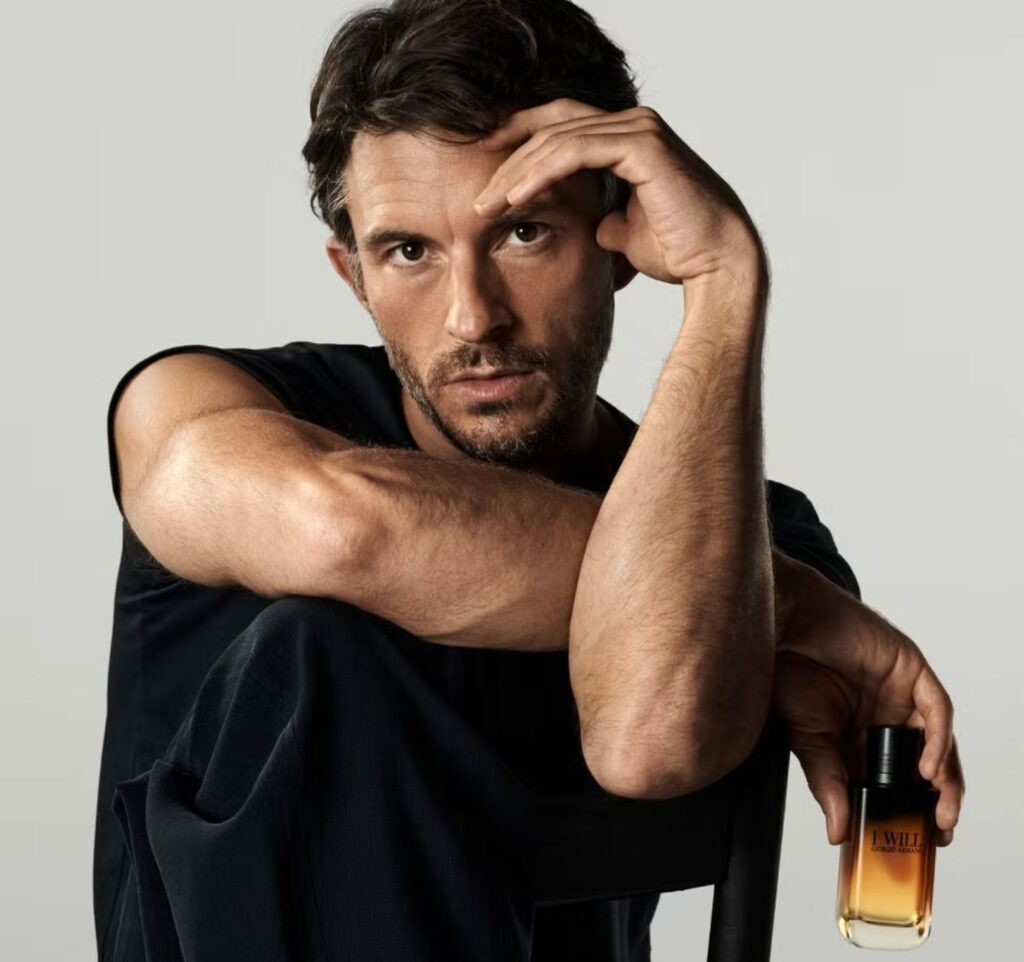
What is interesting is not that Armani eliminates the traditional codes of masculine perfumery, but that he changes the way they coexist.
Why Jonathan Bailey
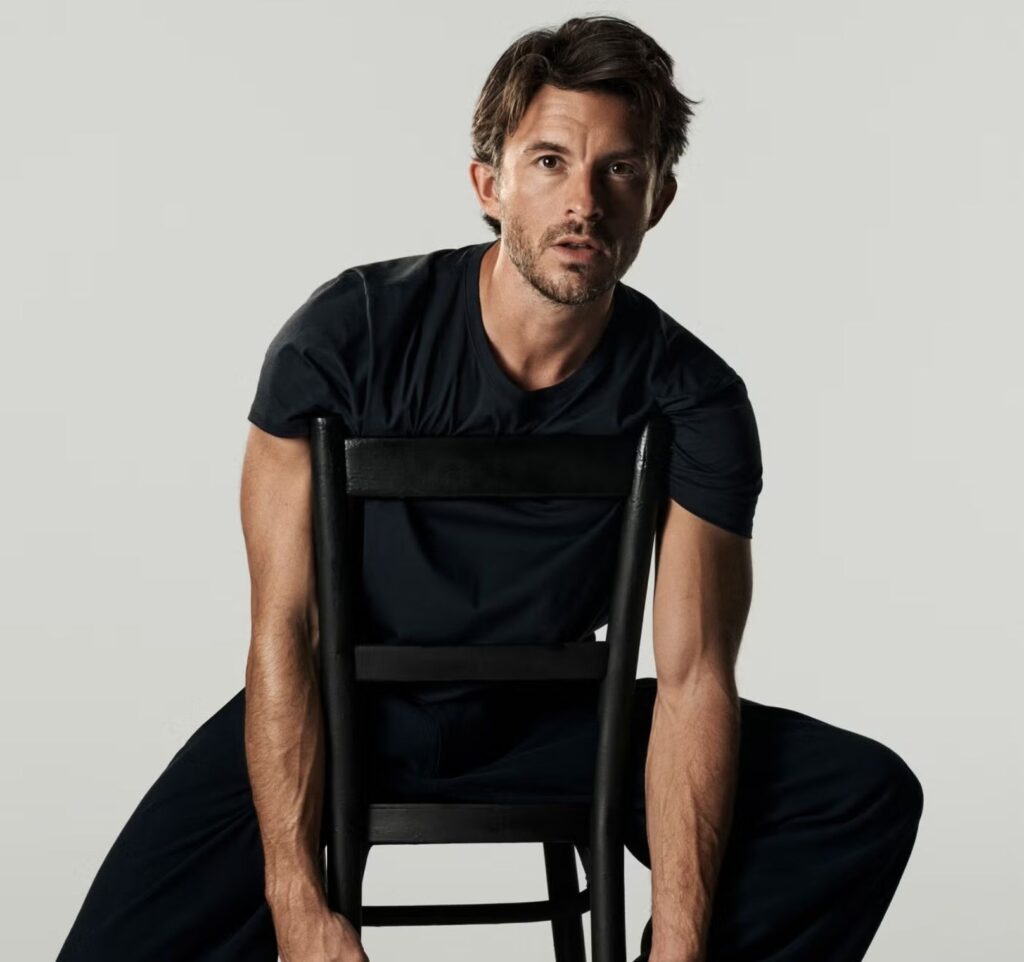
Within that context, Jonathan Bailey becomes a remarkably thoughtful choice.
The British actor has emerged as one of the defining talents of his generation, moving effortlessly between Bridgerton, Wicked, Jurassic World Rebirth and an acclaimed stage career. Yet Armani’s decision seems to reach beyond casting one of the industry’s most visible names.
Bailey embodies a version of masculinity that resists simple definition. Romantic without losing confidence, charismatic without performance and emotionally expressive without compromising strength, he reflects the cultural shift that I Will quietly explores.
His own relationship with fragrance adds another layer to the partnership. Bailey has spoken about wearing different scents while developing characters, treating fragrance almost as an invisible costume capable of shaping identity and emotion. For a fragrance built around intention and transformation, the connection feels remarkably natural.
More than determination
Directed by filmmaker Todd Field, the campaign revolves around a simple line: “It’s not about luck, it’s about will.” Bailey plays an actor navigating uncertainty before choosing to move forward. The visual narrative gradually shifts from black and white into color, suggesting that the real transformation takes place internally rather than through spectacle.
That sense of restraint feels unmistakably Armani. Throughout his career, Giorgio Armani demonstrated that authority rarely needs to announce itself; his designs reshaped contemporary elegance not through excess, but through refinement.
Even the bottle reflects that philosophy. Free from aggressive edges, it transitions from matte black into transparent glass, creating an object built on contrast rather than opposition; darkness and light, solidity and transparency, strength and softness coexist within the same form.
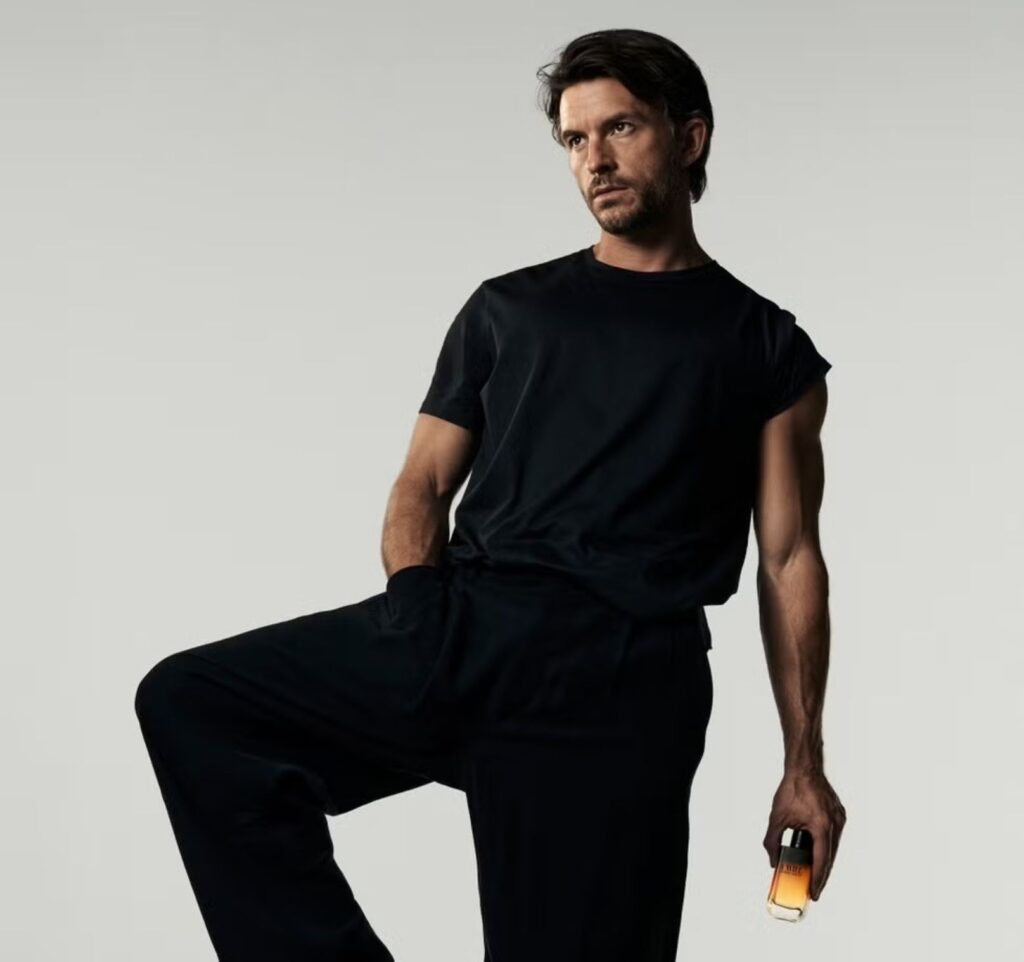
Armani rarely destroys what already exists; he prefers to shift its balance.
A different definition of masculinity
The timing of I Will is no coincidence. The fragrance industry has gradually moved beyond rigid gender classifications as consumers increasingly approach scent through emotion, memory and ingredients rather than labels. Florals no longer belong exclusively to women’s fragrances, woods are no longer inherently masculine and vanilla comfortably exists between both worlds.
That is precisely why I Will becomes more interesting when it is viewed not as a revolution, but as an evolution. Armani is not attempting to erase the traditional language of masculine fragrance. Instead, the house adjusts its balance, allowing familiar ingredients to express themselves differently while remaining unmistakably Armani.
The final gesture
There is also something deeply symbolic about I Will. Giorgio Armani remained personally involved throughout its development, from the olfactory direction to the design of the bottle, making it one of the last fragrance projects to carry his direct creative imprint. Perhaps that is what makes this launch resonate beyond beauty.
A designer who transformed the way men dressed has now helped shape a fragrance that quietly asks how masculinity might smell today. Not by rejecting tradition, nor by declaring a revolution, but by shifting its proportions ever so slightly, allowing softness to occupy more space and proving that strength no longer requires armor. First came the suit. Now comes the fragrance.