For decades, the beauty industry built its reputation on what consumers couldn’t see. New active ingredients, increasingly sophisticated technologies and science-backed formulas defined an era in which efficacy was the ultimate selling point. Packaging served an essential, yet secondary, role: protecting the product, ensuring ease of use and reflecting a brand’s identity. Today, that equation has changed.
Before learning about an ingredient’s concentration, reading a list of benefits or feeling a texture, consumers have already formed a first impression. It happens while walking through a store, scrolling on a phone or pausing for a few seconds over an image.
At that moment, they still don’t know whether the formula will deliver on its promises, yet they have already interpreted the color of the packaging, the shape of the bottle, the material, the typography and even imagined how the object might look on their vanity. The experience no longer begins when the product touches the skin. It begins much earlier—when it succeeds in capturing our attention.
When Design Changed the Rules
This transformation did not happen overnight. It reflects a fundamental shift in the way we discover, evaluate and purchase products. For years, developing a beauty product followed a familiar sequence: research came first, formulation followed, and only then did the creative team design the packaging. Today, those conversations happen simultaneously. Design is no longer the final step; it has become part of the brand’s value proposition from the very beginning.
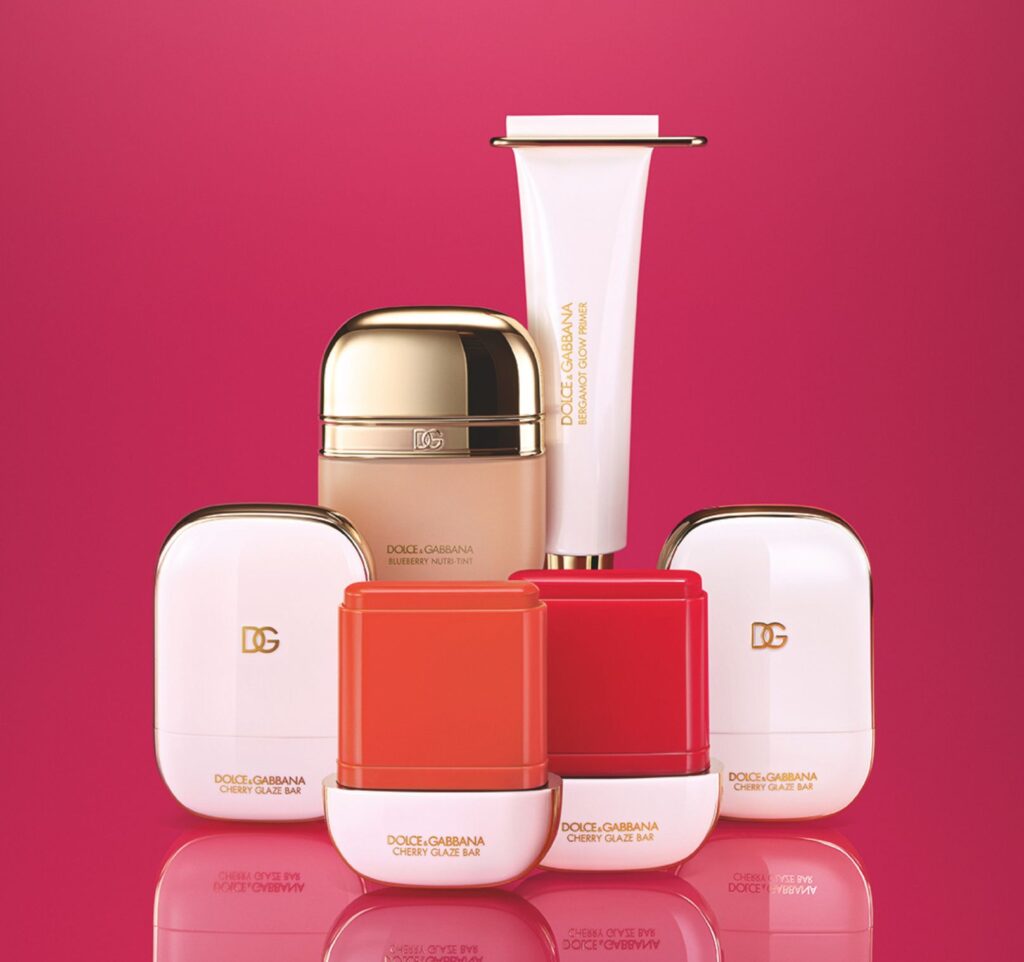
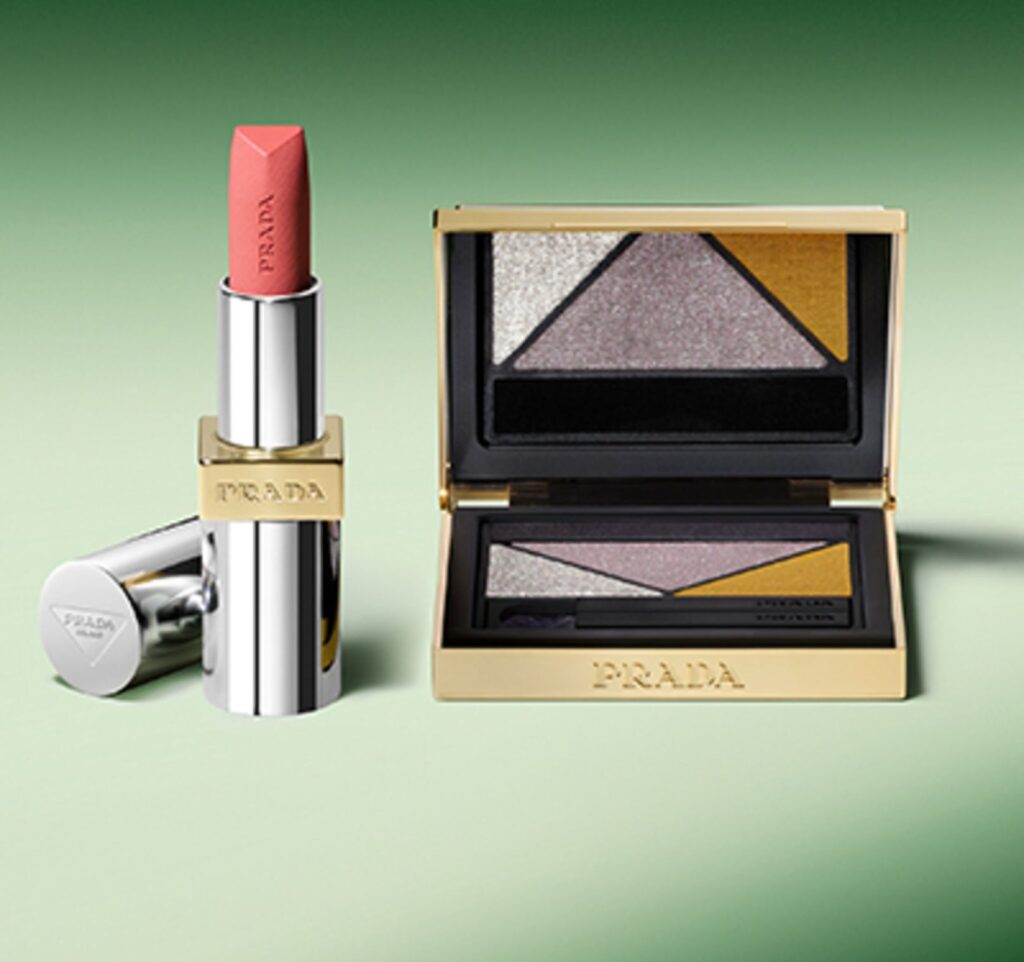
The goal is no longer simply to create an attractive product. It is to create an object capable of communicating sophistication, innovation, sustainability or luxury before anyone even twists off the cap. Consumers decode these visual cues almost instinctively. The weight of a bottle, a matte finish, a magnetic closure or a minimalist typeface all communicate information we rarely process consciously, yet they shape our perception from the very first glance. Design no longer accompanies the product it has become part of the product itself.
The experience no longer begins when a product touches the skin. It begins much earlier, the moment it captures our attention.
Beauty Is Consumed Through the Eyes, Too
The digital revolution accelerated that shift. For decades, the first encounter between a brand and its consumer happened at a beauty counter, in a magazine or through an advertising campaign. Today, it most often happens on a smartphone screen. A twenty-second video, a widely shared photograph or a beauty routine posted by a content creator can generate interest long before there’s any opportunity to experience the formula itself.
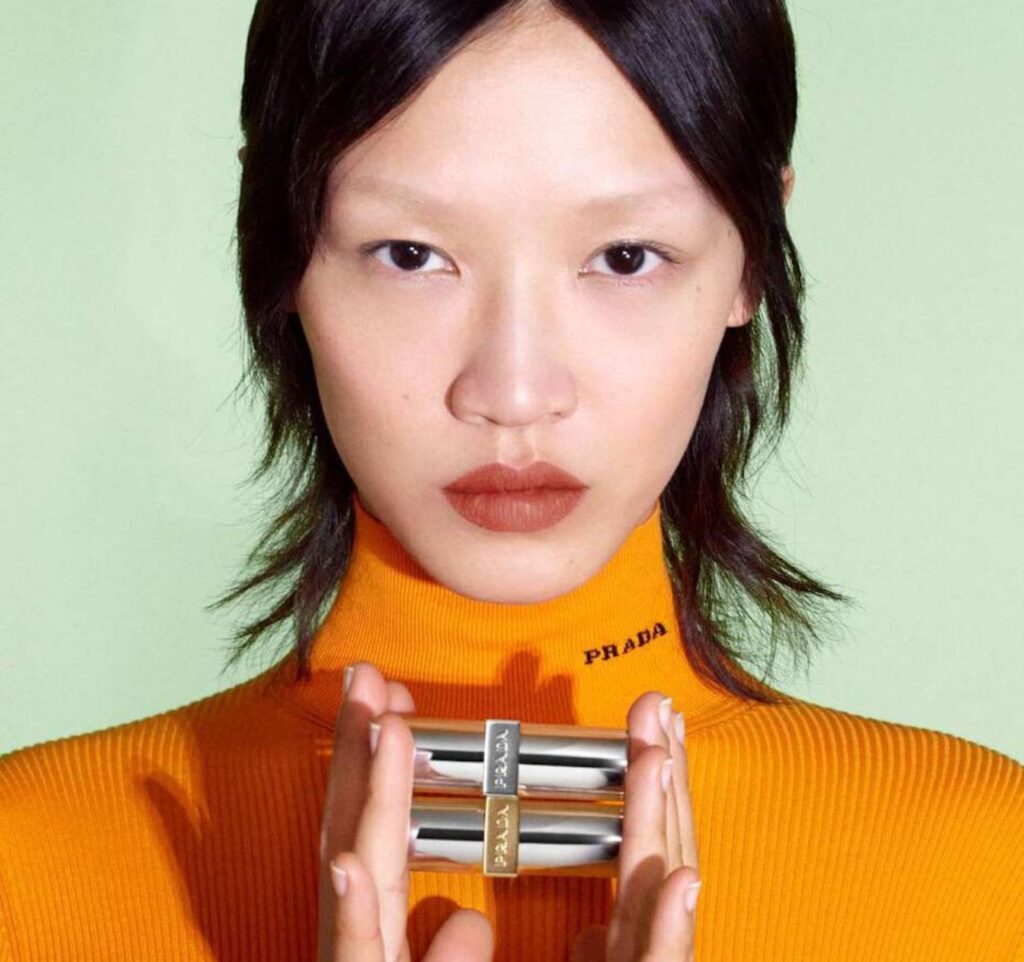
In this new landscape, products are designed to exist in two places at once: on the vanity and on the screen. They must feel satisfying to hold, but they also need to be instantly recognizable in an image, perform well on camera and stand out within an endless stream of content. The conversation no longer begins when a consumer purchases a product. It begins much earlier, when an object is compelling enough to stop a scrolling thumb.
The New Language of Luxury Speaks Softly
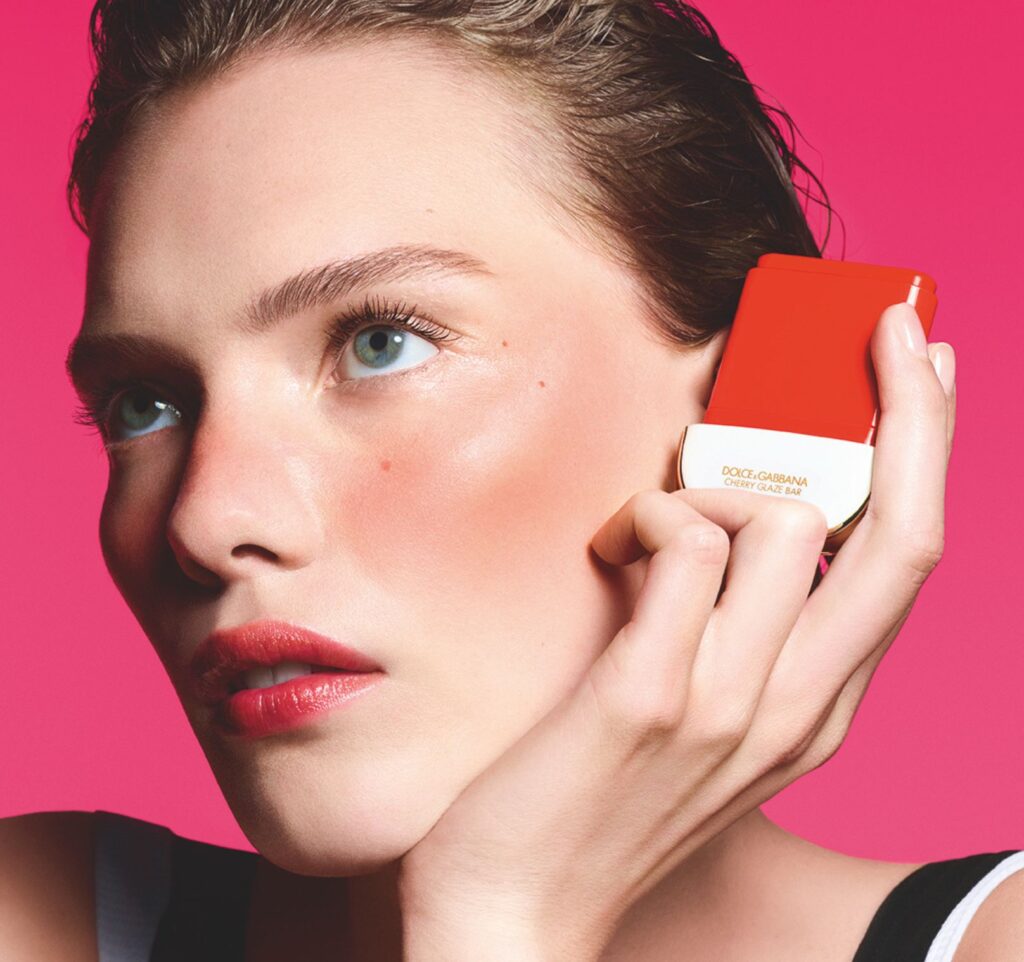
Ironically, while digital platforms reward constant stimulation, many of today’s most influential beauty brands have embraced the opposite approach. Instead of loud colors and elaborate packaging, they rely on clean lines, refined materials, understated typography and a visual language where simplicity communicates sophistication. This is no coincidence. Luxury once spoke through excess; today, it speaks through precision. Ornament has given way to restraint, and logos have ceded the spotlight to form. In a world saturated with images, subtlety has become one of the most powerful ways to stand out. A well-designed object no longer needs to shout to be noticed.
This evolution also reflects a broader cultural shift. Today’s consumers seek products that align with their lifestyle and the image they project to the world. Beauty products are no longer simply functional objects; they have become expressions of identity. That is why many brands have developed a cohesive visual language that extends far beyond packaging, shaping campaigns, retail spaces and digital experiences alike. The relationship with a product no longer begins at first application it starts much earlier and often continues long after.
For years, luxury spoke through excess. Today, it speaks through precision. Extravagance has given way to restraint, and logos have taken a back seat to form.
A First Impression Is Never Enough
Still, no matter how compelling the design, packaging alone cannot sustain a product’s success. Design captures attention, but the formula determines whether that relationship continues. In an industry where launches multiply every week and virality can disappear as quickly as it arrives, lasting success still depends on delivering on the promise.
The strongest brands understand that design and science are not competing forces—they are complementary. One creates desire; the other builds trust. Design opens the door, but performance is what transforms an impulse purchase into lasting loyalty. First impressions matter, but they are never enough.
More Than an Aesthetic Choice
It would be easy to conclude that we live in an era where packaging matters more than the product itself. In reality, what has changed is the way we relate to objects. Today, we expect products not only to perform, but also to reflect our tastes, our visual sensibility and our understanding of the world. Beauty products have evolved beyond functional tools; they have become cultural objects capable of communicating values, aspirations and identity.
Perhaps that is one of the most significant transformations in contemporary beauty. The industry continues to invest in research, innovation and scientific development, yet it also recognizes that consumers are no longer buying results alone. They are buying stories, symbols and experiences capable of creating an emotional connection from the very first moment.
Beauty has always promised transformation. What has changed is when that transformation begins. It used to happen in front of the mirror. Today, it starts much earlier when an object captures our curiosity, commands our attention and invites us to imagine that, somehow, it belongs in our lives. In an economy where attention has become our most valuable resource, design is no longer simply the vessel for a formula. It has become the very first conversation between a brand and its consumer.