
Some aesthetic procedures end up defining an era. Lip fillers were one of them. For a long time, they became the symbol of an aesthetic that prioritized volume and celebrated increasingly similar facial features. Today, however, the conversation feels entirely different.
Naturalness, proportion, and facial harmony have taken center stage, while questions surrounding these treatments continue to shape public perception. Do lip fillers always look artificial? Is everyone a good candidate? And what does a truly natural result actually look like? In an exclusive interview with Topics That Transform, Dr. Bernardo Goldzweig Hans, one of Mexico’s leading aesthetic medicine specialists, explains why the new era of lip fillers has far less to do with size and far more to do with harmony.
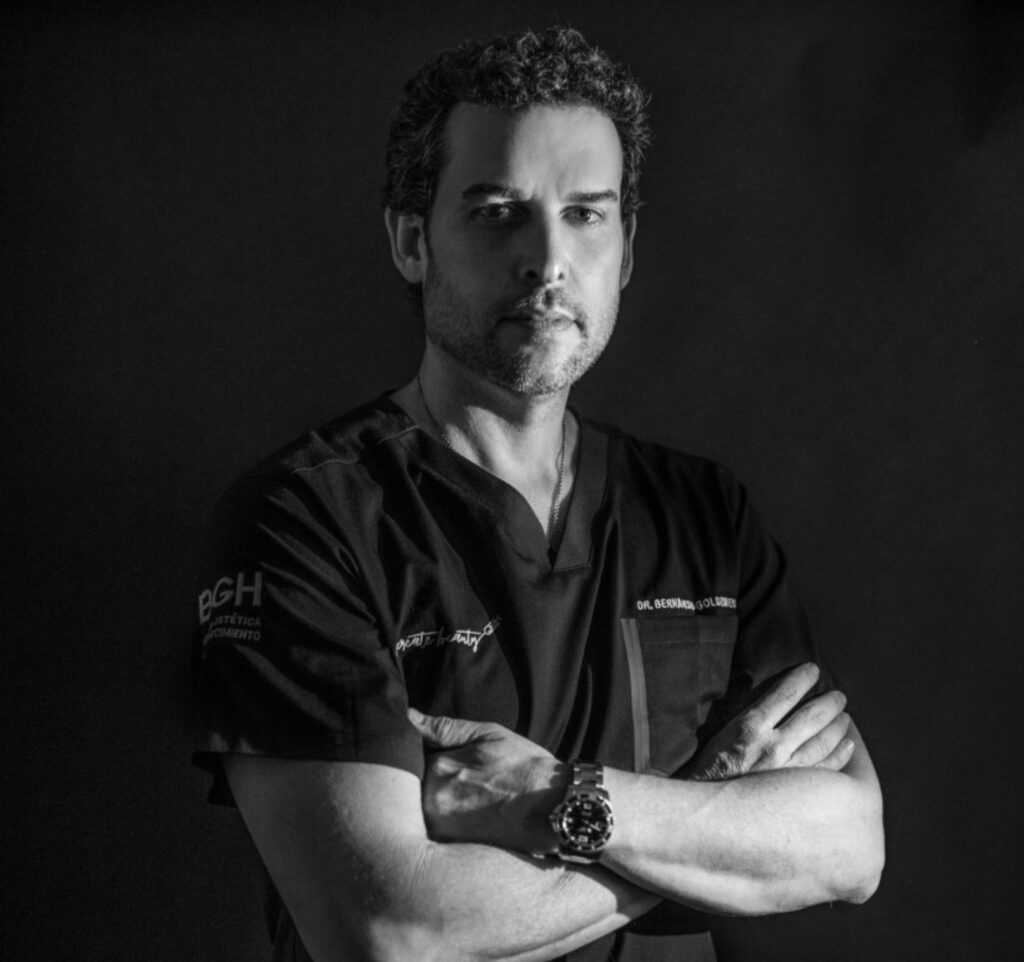
Bernardo Goldzweig: From Beauty Standards to Harmony
When we talk about lips, what once seemed like little more than an aesthetic trend has become part of a much broader conversation about identity and natural beauty. At least, that’s how Dr. Bernardo Goldzweig Hans, Director of Clínica BGH Medicina Estética, sees it. A physician and specialist in aesthetic medicine, his practice is defined by an approach that prioritizes natural, personalized results built on a comprehensive diagnosis, rather than fleeting trends.
Perhaps that’s why, when asked about one of today’s most popular aesthetic procedures, his answer quickly moved beyond volume to something far more complex: harmony. Throughout our conversation, that idea became the thread connecting every topic, offering a different perspective on how our relationship with lips is evolving.
ttt exclusive
Beyond Volume
Topics That Transform (TTT): For years, lip fillers were associated with an exaggerated aesthetic. How has that conversation changed?
Dr. Bernardo Goldzweig (B.G.): The conversation has changed because we now understand that attractive lips are not defined by size alone, but by how they complement the rest of the face. Facial harmonization means evaluating proportion, symmetry, structure, and even the way someone smiles or expresses themselves. In many cases, the goal is no longer to create more volume, but to enhance hydration, definition, and balance. Modern aesthetic medicine is about highlighting each person’s natural features, not recreating a universal beauty standard.
TTT: Many people still believe that all lip fillers end up looking artificial. Myth or reality?
B.G.: It’s largely a myth. Artificial-looking results naturally attract attention, which is why they’ve shaped that perception. But a properly indicated treatment is designed to achieve the exact opposite. A natural result depends on a personalized assessment, the right technique, the right product, and the physician’s experience. In aesthetic medicine, less is almost always more. The best outcome is when people notice you look better but can’t quite tell what has changed.
TTT: One of the most common misconceptions is that hyaluronic acid disappears completely after just a few months. What do we actually know today about how long it remains in the tissues?
B.G.: That’s a great question because it’s one of the topics that has evolved the most in recent years. For a long time, it was believed that hyaluronic acid disappeared completely within a few months. Today, however, we know the reality is much more complex. While the visible effects gradually diminish, studies have shown that small amounts of the product can remain in the tissues much longer than previously thought.
That doesn’t mean the aesthetic result stays exactly the same for years. Its longevity depends on the product used, the treatment area, the patient’s metabolism, the injection technique, and overall lifestyle. Because the lips are constantly in motion, their visible results typically fade sooner than treatments performed in other areas of the face.
The most important distinction is that product longevity and the longevity of the visible result are not the same thing. Rather than following a fixed timeline for touch-ups, each case should be evaluated individually.
TTT: There’s another common belief surrounding lip fillers: once you start getting them, you can’t stop without affecting your appearance. How much truth is there to that?
B.G.: None. Modern fillers are primarily made of hyaluronic acid, a substance that the body gradually reabsorbs over time. As the product dissolves, the lips generally return to a very similar appearance to the one they had before the procedure. What often changes is the patient’s own perception, after becoming accustomed to seeing lips that look more hydrated or better defined. There is no physical dependency, nor any obligation to continue treatment. Choosing to have another session is entirely a personal decision.
Ultimately, it’s interesting that one of the most persistent myths surrounding lip fillers has less to do with the procedure itself than with the way we perceive our own image. Sometimes, the biggest change doesn’t happen in the mirror, but in the way we learn to see ourselves.
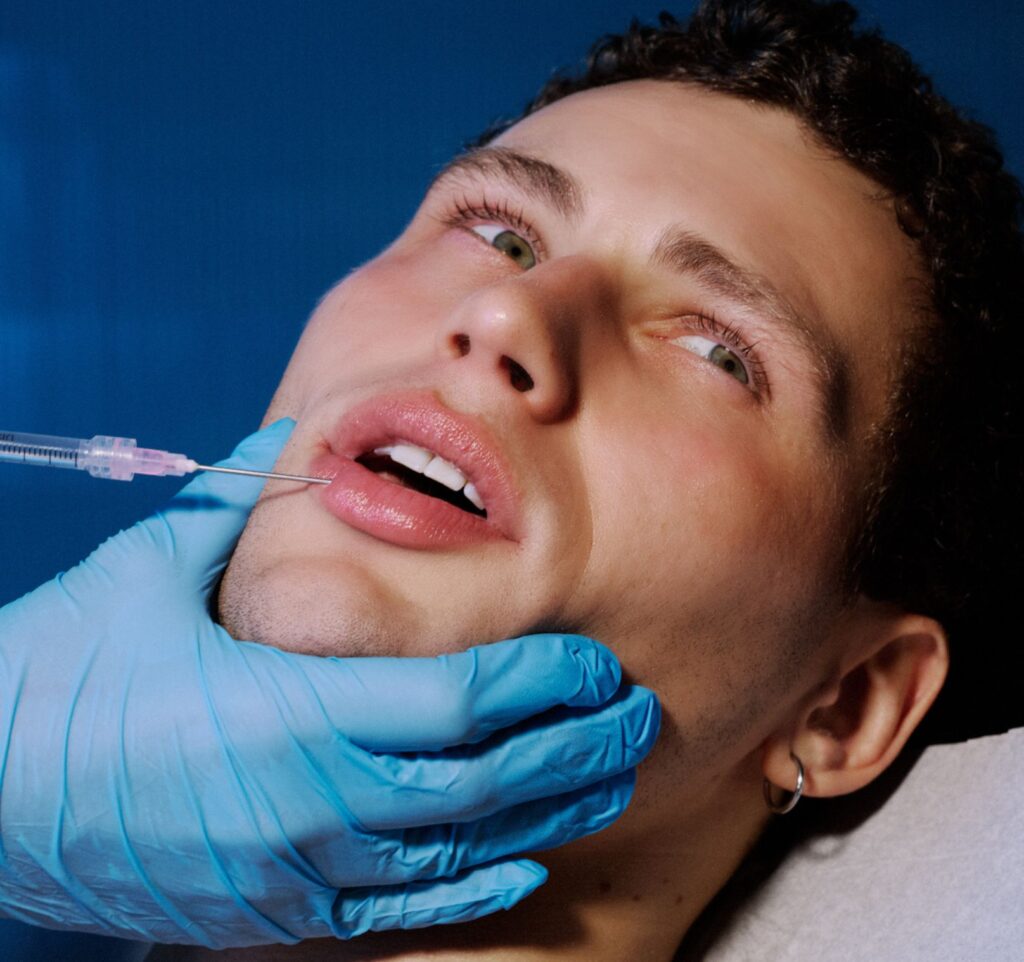
Modern aesthetic medicine is about highlighting each person’s natural features, not recreating a universal beauty standard.
After the “Instagram Face”
If the first major shift happened in the way lips are treated, the second—and perhaps the more interesting one—has happened in the way we define beauty itself. For a time, social media promoted a single type of face. Today, the conversation seems to be moving in the opposite direction: finding balance without giving up what makes us recognizable.
TTT: Now that volume is no longer the center of the conversation, what are patients looking for when they decide to have a lip procedure?
B.G.: Today, patients are looking for far more subtle and personalized results. Most come in hoping to improve lip quality, correct minor asymmetries, or restore definition, without making the change obvious. In fact, one of the phrases I hear most often is: “I want it to look beautiful, but I don’t want anyone to notice I’ve had anything done.” We’ve moved from pursuing transformation to pursuing balance, where authenticity matters far more than following temporary trends.
TTT: For a while, the so-called Instagram Face seemed to define a single beauty ideal. Today, do you think we’re returning to individuality, or are we simply entering a new standard?
B.G.: I believe we’re going through a very interesting transition. For years, beauty trends pushed toward more homogeneous facial features, largely influenced by social media. Today, more and more patients come in wanting to look their best without losing what makes them recognizable. There’s a growing appreciation for natural-looking results, for facial proportions that are unique to each individual, and for treatments that respect facial identity rather than dramatically changing it.
Modern aesthetic medicine is moving away from universal beauty standards and toward personalization. The goal is no longer to recreate a beauty template, but to identify what makes each patient unique and enhance those features in a balanced way.
TTT: At a time when filters, artificial intelligence, and social media constantly shape our perception of beauty, how do you help patients build healthier and more authentic expectations?
B.G.: The first thing I explain is that aesthetic medicine should be a tool to enhance someone’s own features, not to chase beauty standards that are constantly changing. A fundamental part of every consultation is understanding what they would like to improve—and why. More often than not, an aesthetic concern is connected to confidence or to the way someone sees themselves in the mirror.
I always tell my patients that a successful procedure is one that allows them to feel comfortable with their own image. The best aesthetic medicine is the kind that respects each person’s individual features and helps them project a fresher, healthier, and more confident version of themselves—without losing their identity.
A successful procedure is one that allows patients to feel comfortable in their own skin.
A New Definition of Beauty
TTT: Lips are often associated with expression, sensuality, and identity. Beyond aesthetics, what do you think our relationship with them reveals about the way we understand beauty today?
B.G.: Lips hold a unique place in our perception of beauty because they are one of the most visible and expressive features of the face. They are part of the way we communicate, shape our smile, accompany every facial expression, and influence how we convey emotion. That’s why any change to them can have a significant impact on how someone sees themselves—and how they’re perceived by others.
I believe our relationship with lips reflects a much broader transformation in the way we understand beauty. Today, patients are no longer asking only how to look more attractive; they’re asking how to look more aligned with the way they see themselves. More and more, they want to preserve the features that make them unique.
From my perspective, we’re moving away from a beauty ideal built on uniformity toward one that recognizes and celebrates individuality. Aesthetic medicine is evolving alongside that shift. The goal is no longer to create faces that look alike, but to help each patient enhance their own natural features. When it comes to lips, the best result is one that respects the identity of the person wearing them.
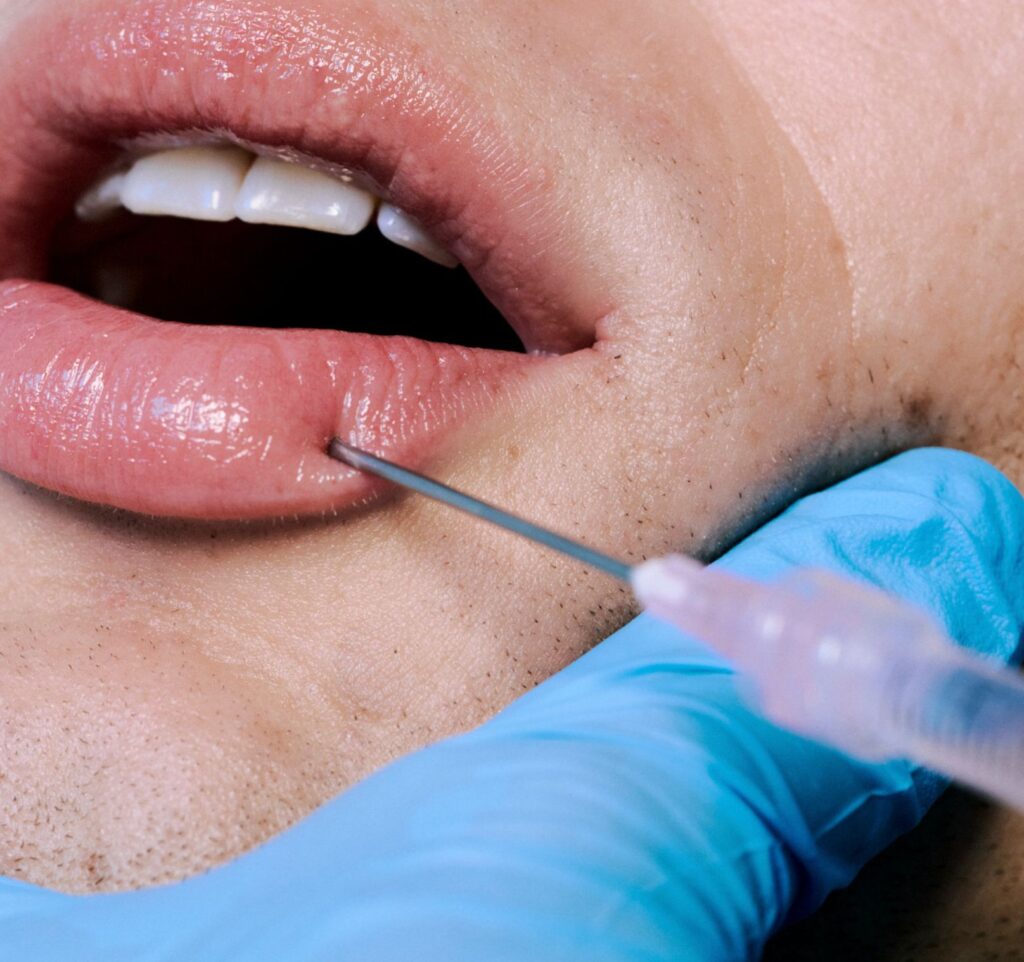
One Final Thought
Not every aesthetic procedure begins with an insecurity. Sometimes, it simply comes from the desire to highlight what is already part of someone’s identity. It may seem like a subtle distinction, but it changes the conversation entirely. Once the goal is no longer to look like someone else, but to feel more comfortable with your own image, aesthetic medicine stops being solely about volume, proportions, or technique. It starts becoming a conversation about confidence.
In the end, lips can certainly bring hydration, definition, or balance. But for many people, the most meaningful transformation happens somewhere else: in the way they smile, pose for a photograph, or recognize themselves in the mirror. Perhaps that’s the clearest sign that this new era of lip fillers has never really been about size—it has always been about helping people feel more like themselves.