When we talk about well-being today, we are no longer just talking about feeling better. We are also talking about how to build a better quality of life. We discuss glucose, muscle strength, supplementation, sleep, and the relationship between nutrition and movement. We are paying attention to what once seemed invisible: metabolic health, prevention, and the small everyday habits that shape long-term health.
But behind all of these conversations lies a much deeper transformation: well-being is no longer understood as a response to a diagnosis, but as a decision we make every single day.
Exclusively for Topics That Transform, Alejandra Ponce, a nutritionist specializing in healthy aging, nutrigenomics, and lifestyle medicine, offers a perspective on a conversation that is increasingly moving beyond trends and becoming grounded in science. A perspective that also helps explain why proposals like Bëne Add Life are finding an increasingly important place within this new language of well-being.
When Well-Being Stops Being Reactive
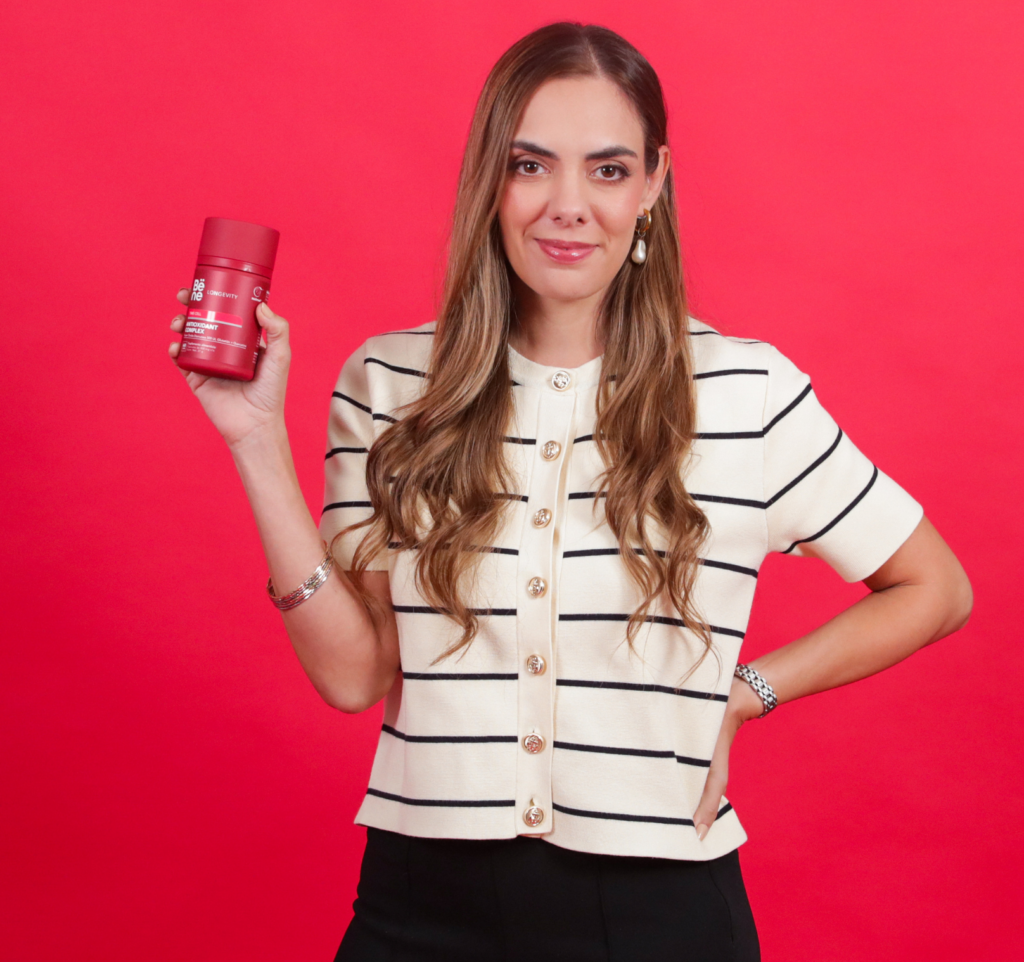
For more than fifteen years, Alejandra Ponce has been exploring a question that now sits at the center of the well-being conversation: how can we live longer and better? A nutritionist specializing in healthy aging, nutrigenomics, and lifestyle medicine, she was one of the first specialists in Mexico to use genetic testing to develop personalized health strategies. From that perspective, she proposes a simple idea: longevity is not built once a diagnosis appears—it begins long before that.
For Ponce, that shift begins by rethinking the way we understand our own bodies. Instead of seeing the body as something that only deserves attention once it stops functioning properly, she encourages us to recognize it as a living system that responds, every day, to the choices we make.
“We used to talk about correcting the body, changing it, or even fighting against the passage of time. Today, we understand that the body is not something we need to fix, but a living, intelligent, and dynamic system that requires care, support, and thoughtful decisions,” she explains. It is a perspective where the goal is no longer to chase youth, but to build a routine capable of sustaining energy, independence, and quality of life over time.
“We are not trying to live longer simply for the sake of it. What truly matters is reaching our seventies, eighties, and nineties with independence, energy, and a high quality of life.”
The Rise of Personalization
Just as skincare has moved away from searching for one ingredient that works for everyone, well-being has also begun to move beyond one-size-fits-all solutions. Science has shown that two people can follow exactly the same routine and achieve completely different results. According to Alejandra Ponce, the difference often lies in the unique characteristics of each individual.
“To me, genetics is not a sentence or a prediction that something is bound to happen. It is a map. It helps us understand predispositions, needs, and the areas where we can take action before a problem ever appears.”
Fields such as nutrigenomics allow us to understand how every body responds differently to nutrition, exercise, sleep, stress, and even caffeine. The goal is no longer to find one solution for everyone, but to develop strategies that respond to each person’s individual needs.
“Genetics deals the cards, but you decide how to play them. And to me, that is the key: not living in fear of our genes, but using them as a tool to make better decisions and ultimately live longer and better.”
Longevity Is Built Every Day
Understanding your body only matters when that knowledge translates into everyday decisions. Sleeping well, building muscle strength, eating well, staying active, or knowing when supplementation can make a difference are all part of the same conversation: protecting health before it is lost.
“It is not about making perfect changes overnight. It is about building habits you can actually sustain, because that is where prevention truly happens.”
Rather than chasing quick fixes, the goal is to develop a different relationship with well-being. One where small daily decisions stop being isolated actions and become an ongoing investment in your future quality of life.
“We are not trying to live longer simply for the sake of living longer. What truly matters is reaching our seventies, eighties, and nineties with independence, energy, and quality of life.”
“It is about building habits you can truly sustain, because that is where prevention begins.”
From Supplementation to a More Holistic Approach
After years in which well-being was shaped by general recommendations, a new generation of approaches is emerging—one that supports people through a far more holistic perspective. Spaces where nutrition, supplementation, physical activity, and preventive medicine are no longer treated as separate conversations, but as part of the same health strategy.
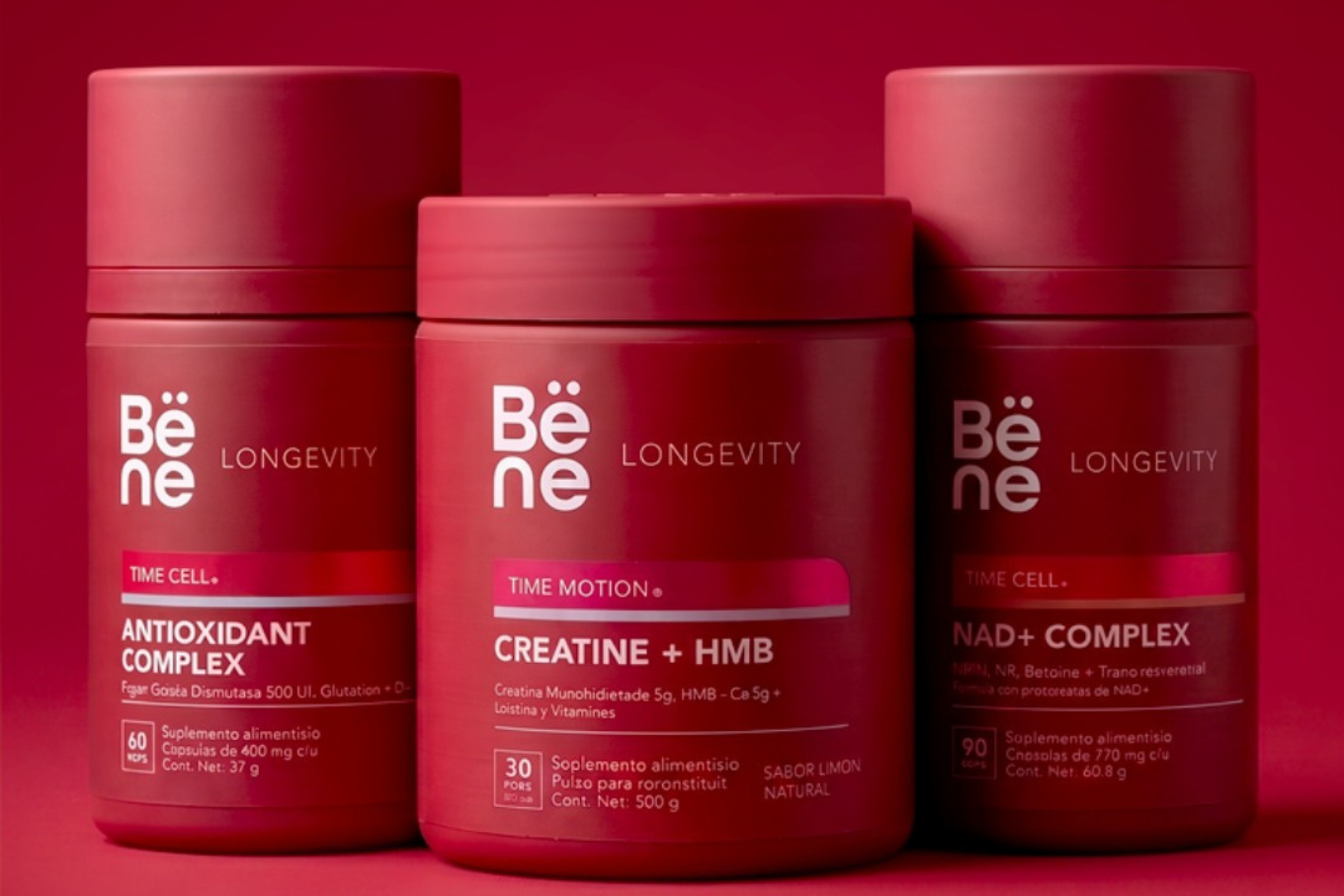
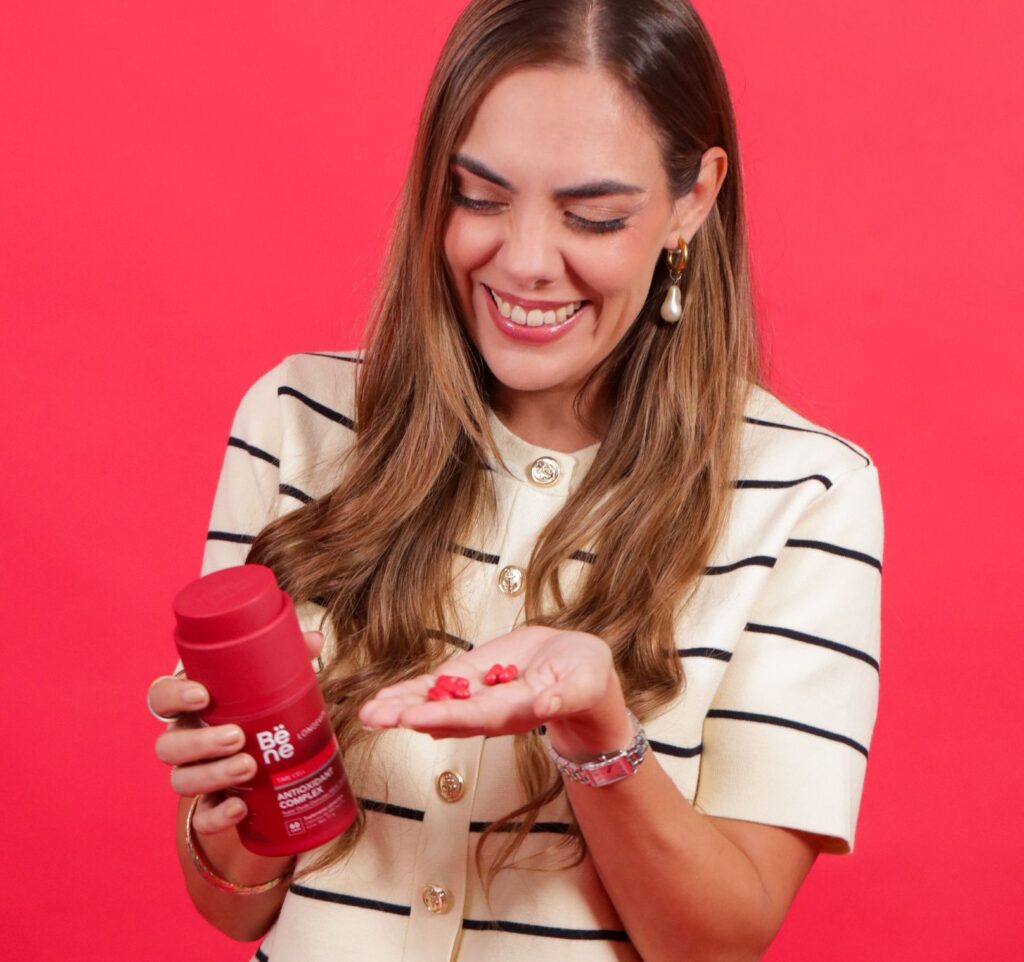
That is where Bëne Add Life finds its place. Rather than simply developing supplements, this Mexican brand offers a different way of understanding well-being. One where science and prevention support the everyday decisions that help people live better over time.
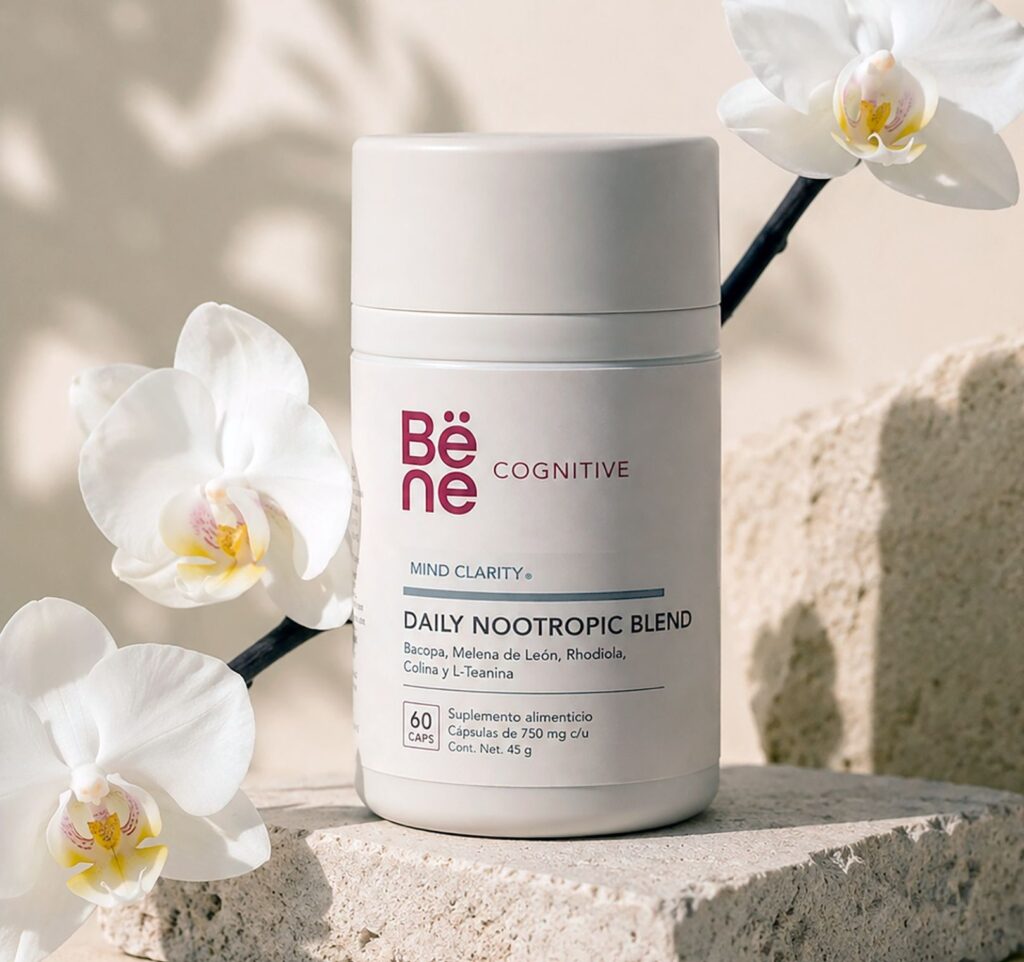
Its portfolio includes supplements designed to support different dimensions of well-being. From Longevity and Cognitive—two of the themes that shaped much of this conversation with Alejandra Ponce—to Essentials, a line focused on specific needs related to energy, sleep, digestive health, physical performance, and hormonal balance. Together, the three collections reflect the same philosophy: understanding supplementation not as an isolated solution, but as part of a comprehensive strategy where nutrition, movement, and prevention work together.
“No supplement can replace a healthy lifestyle. They are tools that, when properly recommended and incorporated into a personalized strategy, can help us protect our health and build a better quality of life over time,” Alejandra concludes.

Epilogue
Ultimately, perhaps the greatest transformation in well-being is not about discovering the next trend, but about changing the way we imagine our own future. Because longevity is no longer just a conversation about the passage of time. It is a decision that begins much earlier: in the habits, the tools, and the small choices we repeat every day.