In the music industry, where the digital era has made everything feel increasingly similar and trends last for less and less time, Zara Larsson realized she needed to build an image that could stand apart from both traditional pop and the aesthetics dominating social media. An identity that felt recognizable within pop culture, but also strong enough to last.
She had already achieved major success with hits like Lush Life and Ruin My Life, songs that helped turn her into one of the pop icons of the 2010s. However, her visual narrative still lacked a truly distinctive signature. There was recognition, but there was still a lack of emotion.
Everything changed when Larsson understood something fundamental about contemporary pop: visual identity no longer just supports the music, it helps define it. The Swedish singer aligned what she wanted to communicate with the aesthetic she began to build around herself. That consistency ended up transforming not only her image, but also the way audiences perceived her.
Author: FERNANDA MERINO
Zara Larsson stopped following pop and started building it
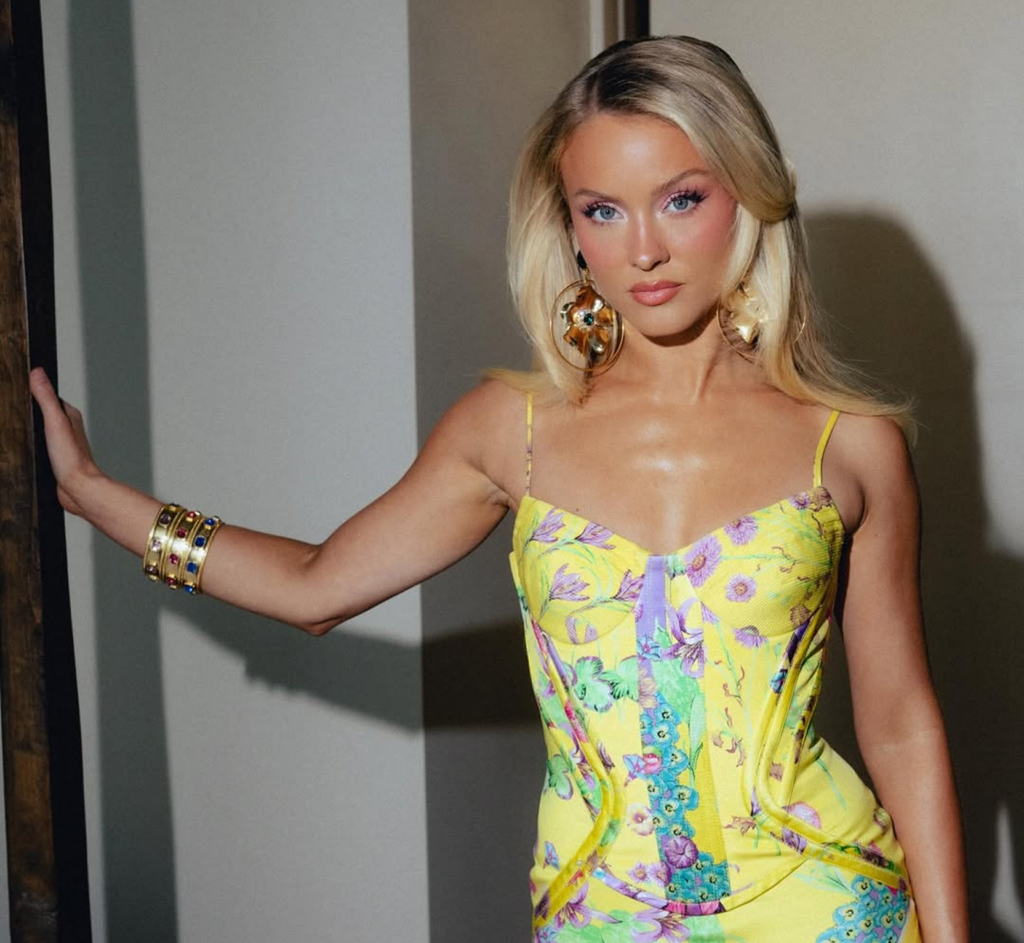
More than the beginning of a new era, Zara Larsson started building a much more defined visual identity. Gone was the image of a European pop star associated with a clean and relatively predictable aesthetic. In its place came a more intentional approach, where makeup, styling, photography, and even the way she used TikTok all followed the same creative direction.
The singer chose to leave behind a comfort zone that had not only become predictable, but had also started to make her lose excitement for her career because of expectations and the constant pressure of the industry. More than changing her image, Larsson wanted to reflect the personal transformation she was going through. This aesthetic reinvention also became a way of reconnecting with her artistic identity.
The first sign of change came in 2022 with the launch of Sommer House, her own record label, marking the beginning of a more independent and creative chapter. Two years later, Venus cemented that transformation. At this point, she started generating conversation not only through her music, but through a vision built around genuine emotion: authenticity over the constant pursuit of perfection.
In a digital landscape dominated by minimalism, the singer leaned into a maximalist, theatrical, and emotional aesthetic. The reinterpretation of The Birth of Venus on the album cover became a Renaissance-inspired statement for this new chapter, alongside an exaggerated and highly visible femininity. Excess no longer felt decorative. It became one of the defining elements of the era.
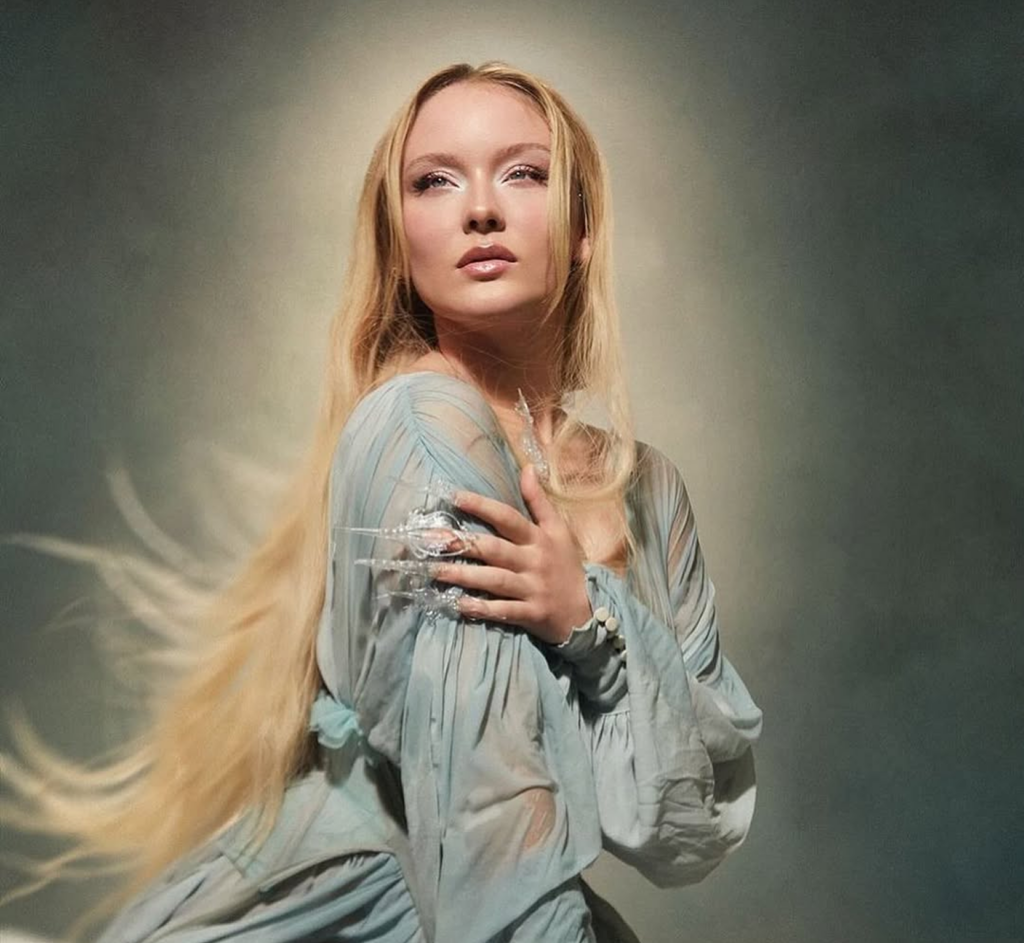
Everything changed when Larsson understood a fundamental truth about contemporary pop: visual identity no longer simply accompanies the music it helps define it.
Makeup as a manifesto for a new era
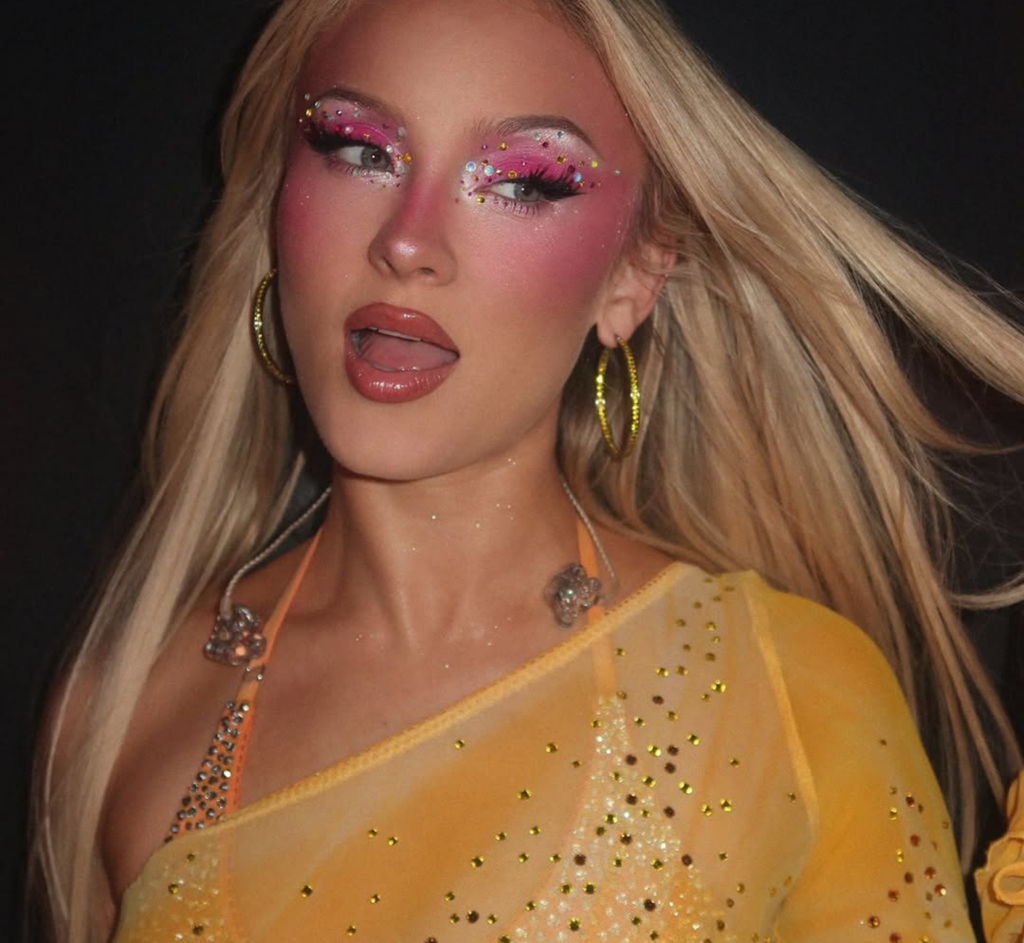
The visual evolution did not come only from digital conversation. Makeup, created by British makeup artist Sophia Sinot, who has worked with Zara Larsson since 2020, became one of the key elements of this new chapter. Instead of following the “clean girl” makeup trend that dominated the internet, Sinot created looks that reflected Larsson’s exaggerated, fantastical, and almost celestial narrative, using crystals, metallic eyeshadows, and dramatic blush.
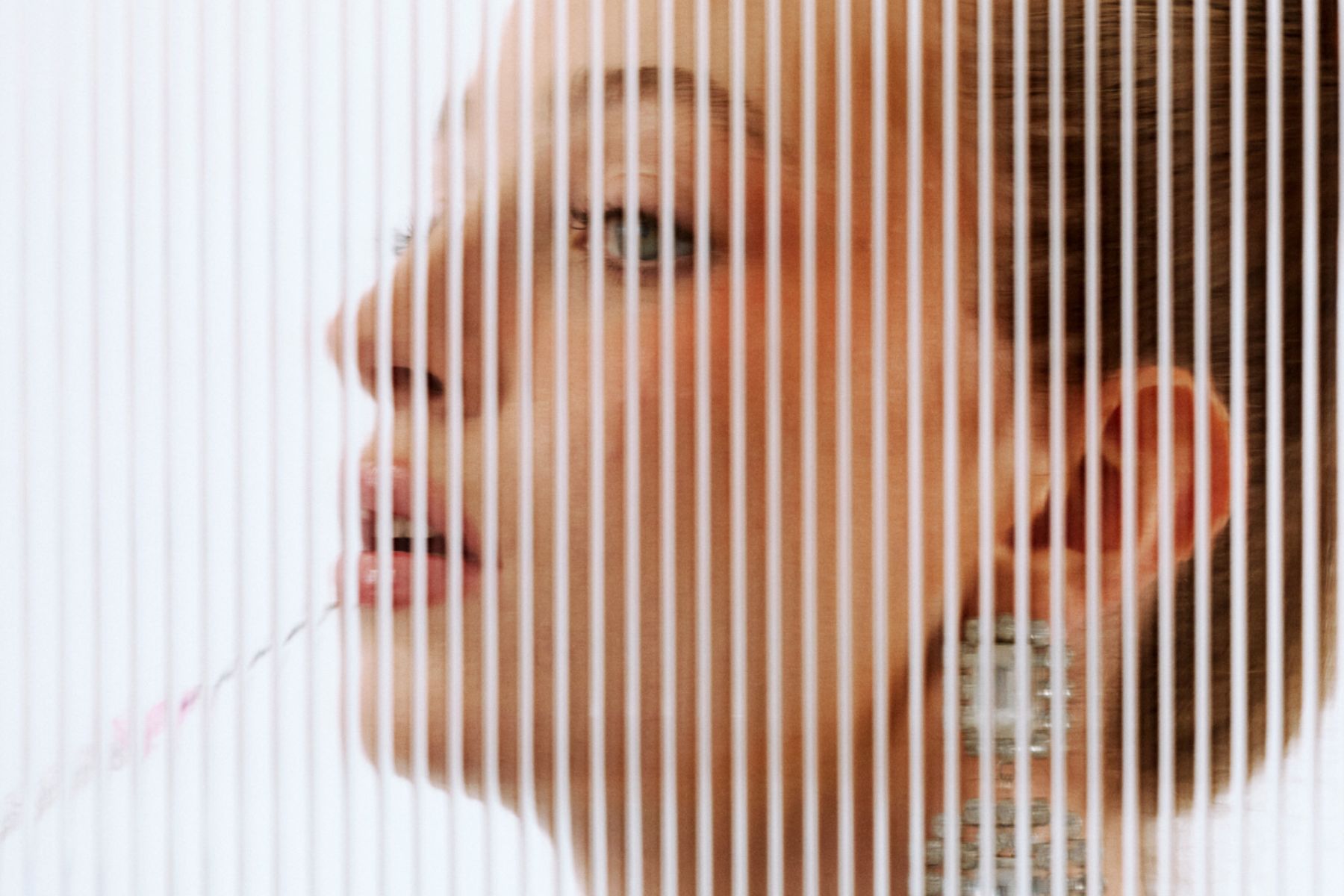
Sinot was not trying to create a natural look. Instead, she wanted to make Larsson memorable through makeup. Her face became one of the artist’s strongest visual signatures through dewy textures, luminous finishes, and strategically placed crystals designed to capture attention instantly. The use of highly saturated eyeshadows and blush made every look more striking and recognizable. During the Venus era, many of these references were inspired by mermaids and the ocean, reinforcing the fantasy that defined this moment.
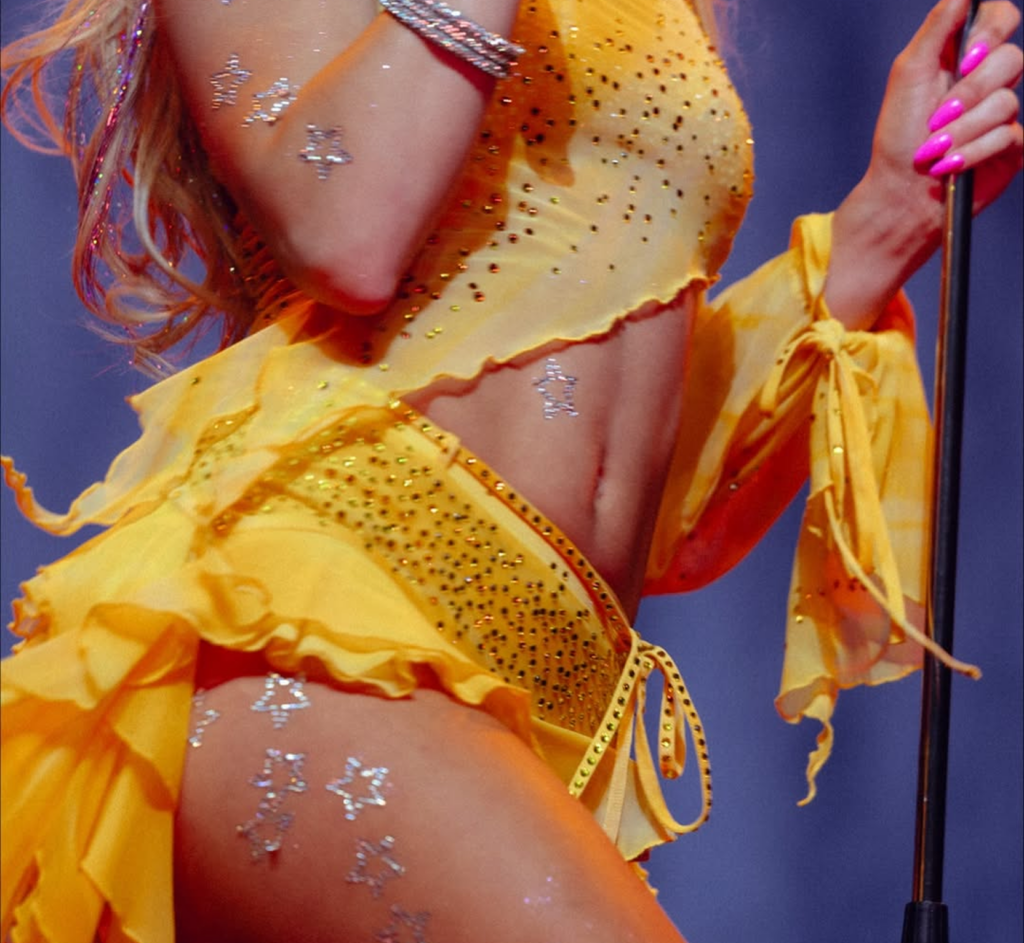
The vision did not stop at the face. Sinot began incorporating body makeup and shimmering details across the body, expanding this visual identity beyond traditional beauty looks. The result was a series of more immersive, cohesive, and instantly recognizable looks that strengthened Larsson’s evolving image.
Makeup eventually became one of the most distinctive elements of this era and quickly connected with audiences. Her looks inspired recreations across social media, edits, and Pinterest mood boards, particularly among Generation Z.
Midnight Sun: The consolidation of her visual universe
With Venus, maximalism and exaggerated glamour did not disappear. Midnight Sun became the project that fully consolidated them. Larsson chose continuity over novelty, a decision that is uncommon in the pop industry.
That choice was exactly what allowed her to stay part of the digital conversation. In an environment where trends and algorithms demand constant reinvention, the internet gave new life to songs like Symphony and Lush Life, bringing them back to the charts years after their original release and proving that her vision could still find new ways to connect.
Nostalgia also played a key role. Y2K references and the songs associated with that era stopped functioning only as collective memories and became a shared emotional language within digital culture. Through makeup recreations, edits, and social media clips, the singer’s visual identity became part of the way her audience expressed itself online.
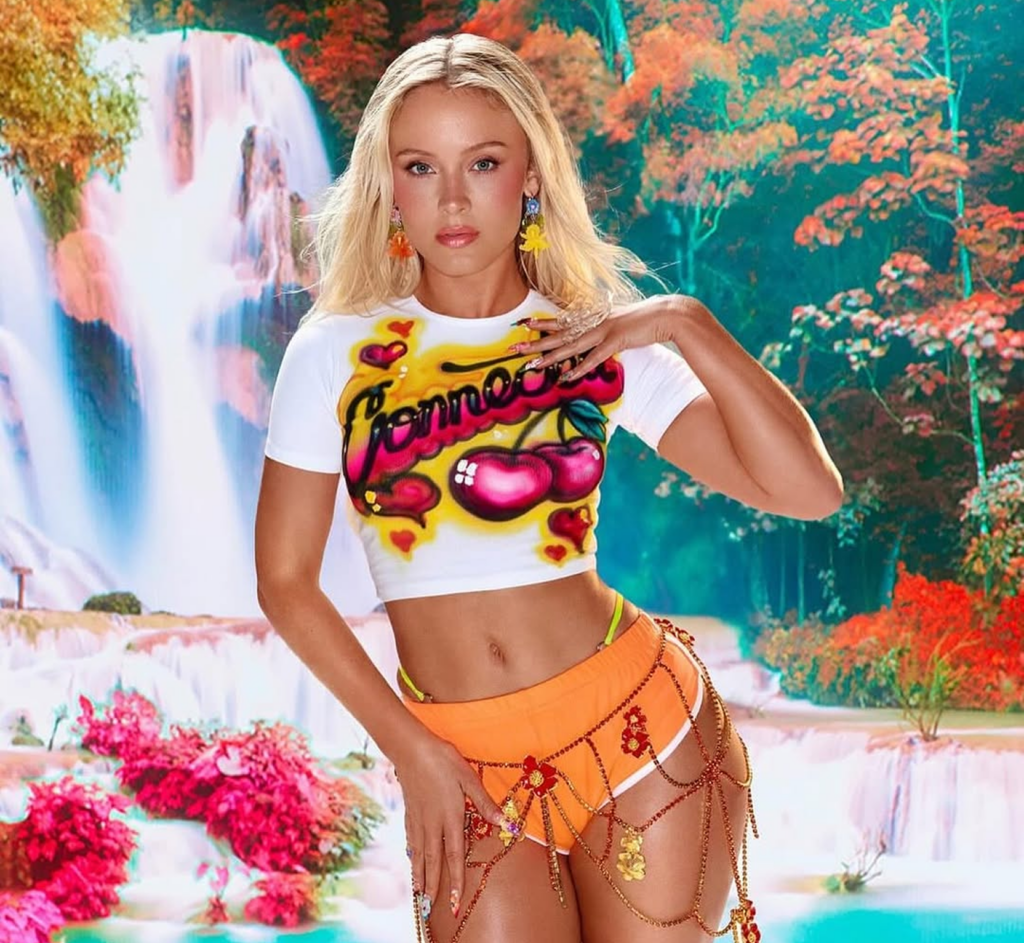
Audiences no longer seek perfection or unattainable personas; they seek authenticity, even within fantasy, and something human behind the image.
An expansion beyond music
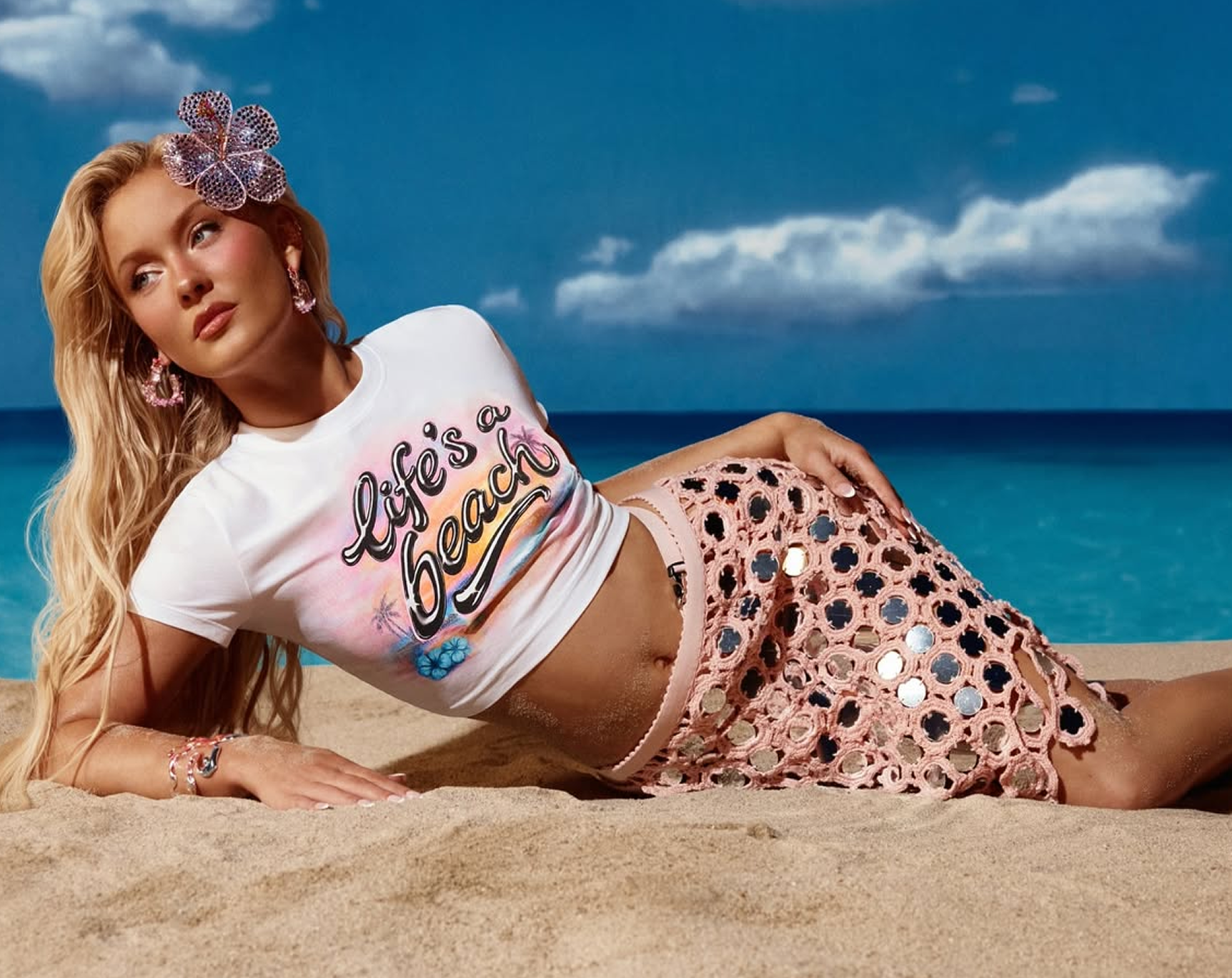
Zara Larsson’s new visual identity soon started to move beyond music. This led Desigual to choose the singer as the global face of its Spring/Summer 2026 campaign, Life’s a Beach, drawing direct inspiration from the visual direction she had been developing. The campaign revisited Y2K references through sparkles, sheer fabrics, saturated graphics, and layered styling.
That same creative direction also began appearing in her newer musical collaborations. One example was “EuroSummer Remix” with Shakira on the remix edition of Midnight Sun, where both artists came together around a vision defined by theatricality, stage presence, and a much more visible expression of femininity.
Little by little, this chapter stopped existing only through collaborations and started expanding into major spaces within the music industry. Her surprise appearance at Coachella 2026 during PinkPantheress’s set became proof of that. The conversation was no longer focused only on her music, but also on her stage presence and the growing expectation of seeing her take up bigger spaces within contemporary pop.

Larsson chose consistency over constant reinvention, a decision that remains relatively uncommon within the pop industry.
EPILOGUE
The real strength of Zara Larsson’s transformation did not come only from the ambition to gain more popularity or outside recognition.
What is most interesting is not what changed, but what this transformation revealed about the relationship between artists and audiences today. People are no longer looking for perfection or impossible personas. They are looking for authenticity, even within fantasy. They want something human behind the image.
That is why this new version of herself resonated with both the industry and digital culture. There was always a genuine intention to build something that felt entirely her own. That was the difference: turning exaggeration, emotion, and femininity into a presence that was not built from restraint, but from something expansive.