
Wellness had always existed as something deeply intuitive. Sleeping well, feeling energized, getting enough rest or even reconnecting with the body after training. Everything came from a much more human place; one where personal experience felt enough to understand our physical and emotional state. For years, body and mind functioned more like an internal conversation than something that constantly needed to be translated into data, metrics or performance.
Today, however, wellness is no longer interpreted through that same logic. The rise of wearables, fitness platforms and performance-driven technology has started transforming the relationship we have with our own bodies; turning rest, recovery and daily energy into something increasingly quantifiable. Because, although the intention behind these tools was never negative, they also opened the door to a much more complex conversation: the contemporary anxiety of living according to a score.
Author: aNDREA BAU

When Wellness Becomes Evaluation
It is both fascinating —and slightly unsettling— to see the way contemporary wellness has started incorporating the language of productivity. Today, we talk about recovery scores, readiness, performance, heart rate zones or sleep efficiency with the same logic once used to analyze workplace metrics or productivity levels. As if our wellbeing were completely tied to a table of indicators.
It is no longer only about personal experience. Today, wellness is something that can be optimized, measured and constantly evaluated. The conversation is no longer simply about feeling good, but about doing it “correctly”: sleeping eight hours, reaching certain heart rate zones during training or burning a specific number of calories even on rest days. Little by little, the body began translating itself entirely into data.
For years, body and mind functioned more as an internal conversation than something that constantly needed to be translated into data, metrics, or performance.
The Difference Between Measuring and Evaluating
The conversation does not come from a criticism of technology itself. After all, many of these platforms genuinely helped transform access to information around rest, recovery and physical health. The conflict appears when data stops functioning solely as a reference point. When it begins emotionally influencing the way we interpret our own wellbeing. The difference may seem minimal, but it completely changes the relationship we have with the body.
Because although measuring does not necessarily imply evaluating, within contemporary wellness both concepts have started blending together constantly. Numbers stop feeling like information and begin turning into emotional validation. A statistic that, little by little, eventually translates itself into anxiety.

The Anxiety of Waking Up “Poorly Rated”
Part of what makes this conversation so complex is that anxiety does not always appear in obvious ways. Sometimes it begins much more subtly. Waking up, checking your sleep score —before even getting out of bed— and automatically feeling like the day already started badly because you did not “score” above an 80. Your body may not actually feel different; but the metric already told you your rest was not good enough.
In psychology, this reaction is analyzed through a concept known as the “nocebo effect”: a negative response generated by the expectation that something will go wrong. In other words, when we believe our body is not doing well, we often begin experiencing it that way. And although a low recovery score does not automatically determine our physical state, it can influence the way we interpret energy, fatigue, stress or performance throughout the day.
From a more personal perspective, this is where one of the strangest contradictions of modern wellness appears. Tools created to help us connect more deeply with the body often end up weakening our trust in it. As if physical intuition had stopped being enough in front of the validation of a screen.
Numbers stop feeling like information alone and begin to function as emotional validation. A statistic that, little by little, ends up translating into anxiety.
Are We More Connected to Ourselves… or More Monitored?
Perhaps one of the most interesting questions surrounding modern wellness has less to do with how hyperconnected we are, and more with the way we have started inhabiting our own bodies through technology. Because although many of these tools promised to help us develop greater awareness around rest, recovery or physical health, they also introduced a constant dynamic of monitoring that is difficult to ignore. The body is no longer only felt; it is also constantly observed, interpreted and analyzed.
And that is not necessarily a bad thing. Measuring certain habits to better understand our rest, energy or recovery can help us develop a much more conscious relationship with physical health. The conflict appears when wellness stops functioning as a personal experience and begins validating itself constantly through metrics. That is where the line between self-care and self-surveillance starts becoming increasingly difficult to distinguish.
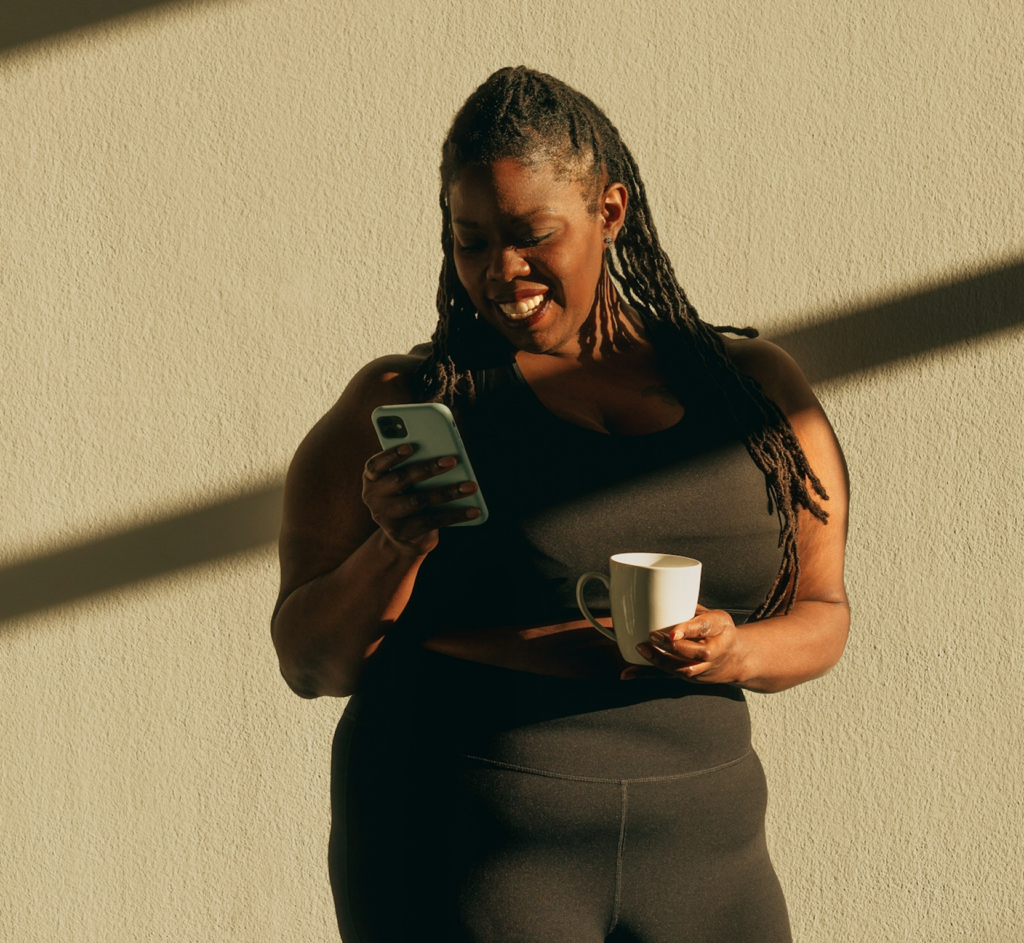
Sometimes, listening to the body remains far more valuable than constantly interpreting it through a screen.
Epilogue
In the middle of dashboards, metrics and scores, modern wellness also seems to have forgotten something important: not everything happening inside the body needs to become a statistic. There are days when exhaustion does not appear inside an app; when exercise cannot be translated into calories burned and when feeling good remains a much more intuitive experience than a quantifiable one.
Let’s say it out loud: sometimes, listening to the body is still far more valuable than constantly interpreting it through a screen.