It’s fascinating to watch the evolution of menswear. Particularly, the way men have started to relate to bags. For years, pockets seemed to offer everything they needed: a wallet, keys, a phone and not much else. The men’s bag existed, of course, but almost always through utilitarian codes —the briefcase, the backpack, the gym bag— and rarely as an aesthetic decision in itself.
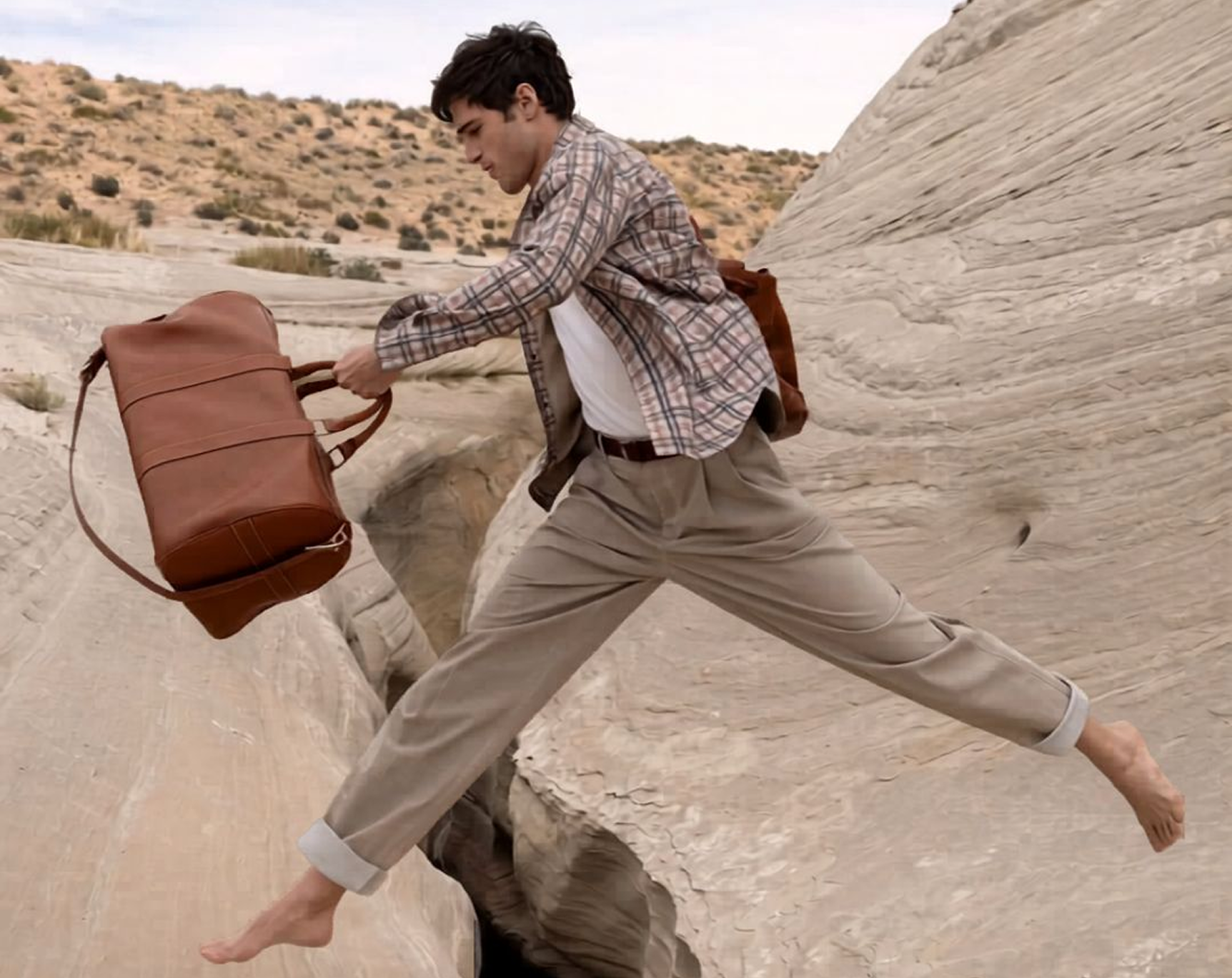
Today, however, the bag occupies a very different place within contemporary menswear. It appears in airports, front rows, special occasions and everyday moments; not just as an accessory, but as the centerpiece of the look. Oversized totes, luxury carryalls and even silhouettes historically associated with womenswear are now naturally finding their place within the male wardrobe. The interesting question, then, is not necessarily what changed, but why the idea of men carrying bags remained tied to femininity for so long.
Because this was never really about questioning when men started wearing bags. It was about when they finally stopped explaining them.
Author: aNDREA BAU
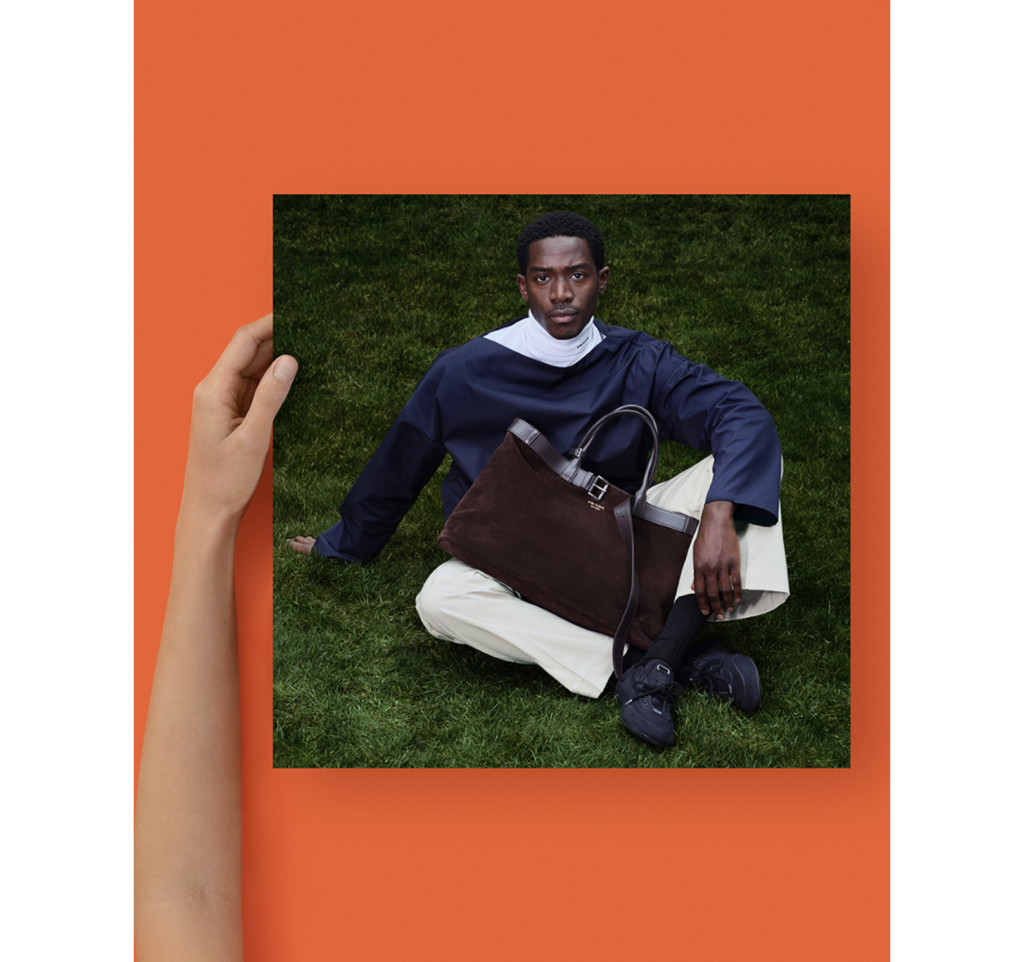
Before Menswear Was Ready
Throughout the history of womenswear, the bag was never just an accessory. It became a symbol of identity, status and desire. Pieces transformed into cultural icons, capable of communicating femininity, aspiration and power far beyond fashion itself.
In menswear, however, bags belonged to a completely different conversation. One where carrying too much, looking too polished or paying too much attention to personal aesthetics could easily be perceived as excess. Everything revolved around functionality. Which is why men’s bags became briefcases, messenger bags or gym backpacks. Bags, after all — just never called that.
Still, luxury houses never stopped insisting that bags belonged in menswear too. Particularly during the 2000s, when the rise of the It Bag transformed accessories into some of the most aspirational objects in fashion. Brands like Louis Vuitton, Prada and Hermès began expanding their menswear universes with bags that felt far more visible, sophisticated and aesthetically intentional. Perhaps the male consumer still wasn’t ready to make them the protagonist — but fashion had already started imagining that shift.
this was never really about questioning when men started wearing bags. It was about when they finally stopped explaining them.
Front Rows, Birkins and Contemporary Masculinity
Over the last decade, and as menswear embraced oversized silhouettes and a far more aesthetic relationship with personal style, the way men approached accessories began to shift as well. The bag stopped hiding behind functionality and became central to the image itself.
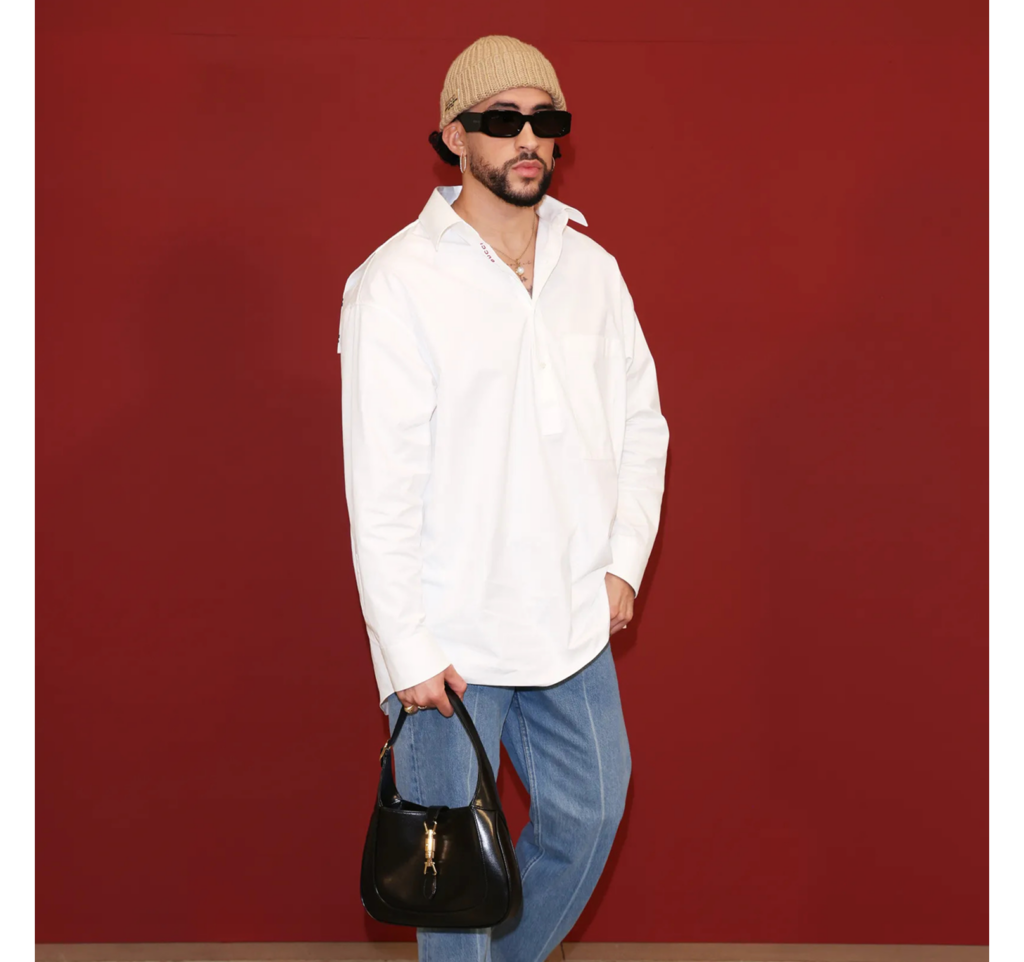
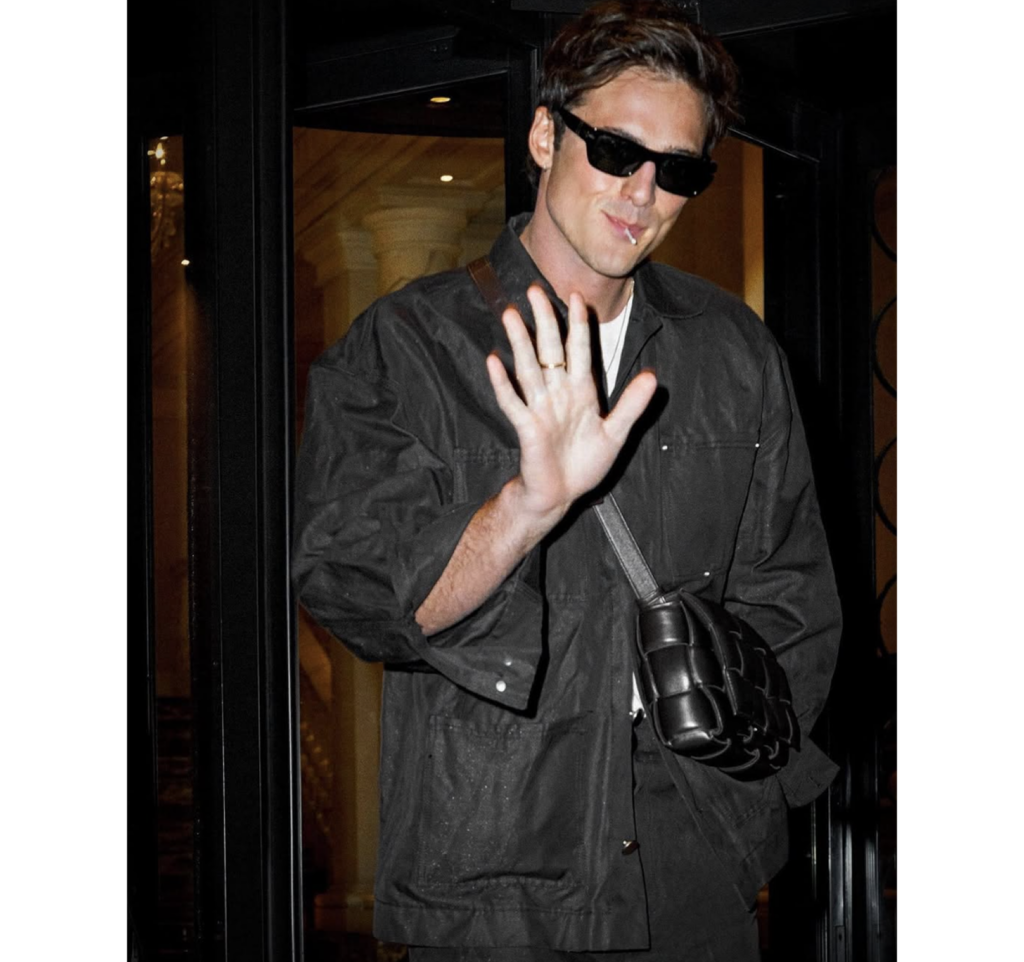
As with every cultural shift, the first signs appeared through public image. Jacob Elordi taking over front rows with iconic Bottega Veneta silhouettes, Pharrell Williams presenting oversized bags for Louis Vuitton through a much more relaxed and expressive masculinity or even Bad Bunny incorporating a Gucci Jackie into his personal aesthetic.
This wasn’t a passing trend: the men’s bag had already started speaking the same language of status, desire and aspiration that historically defined the accessory itself.
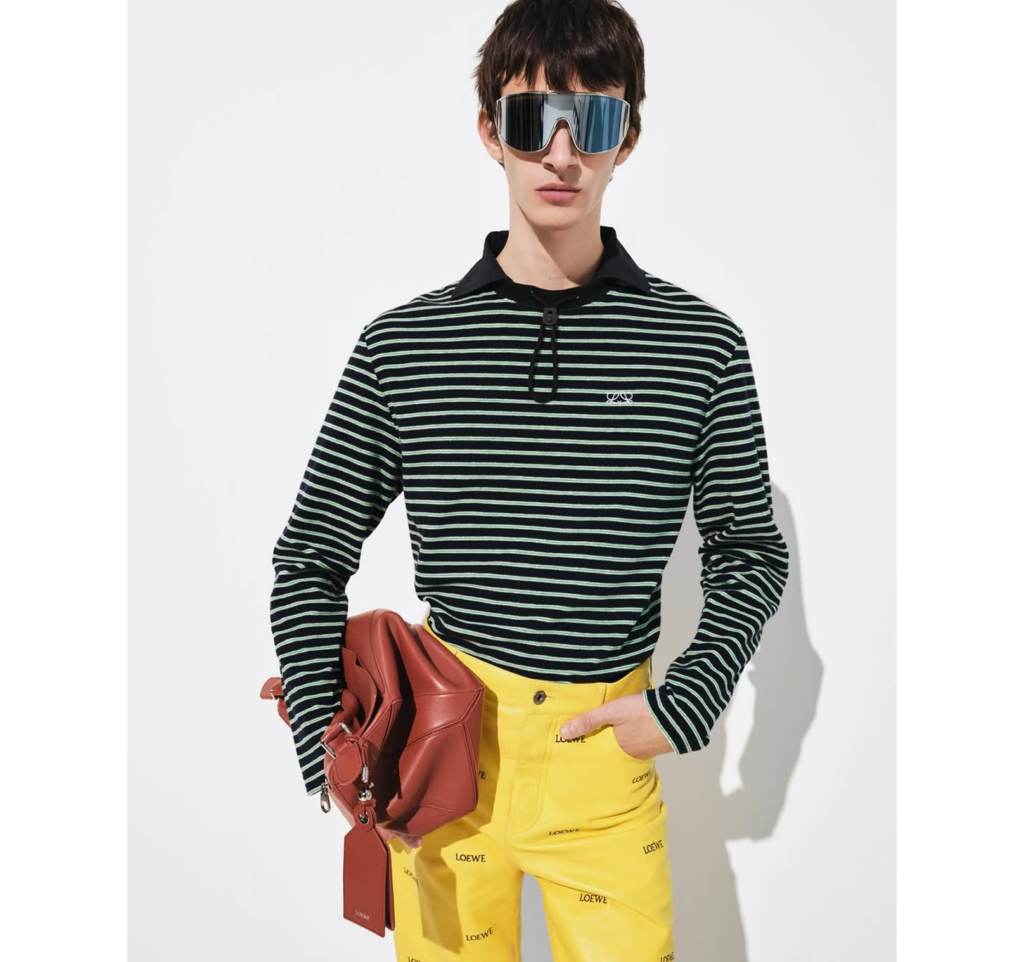
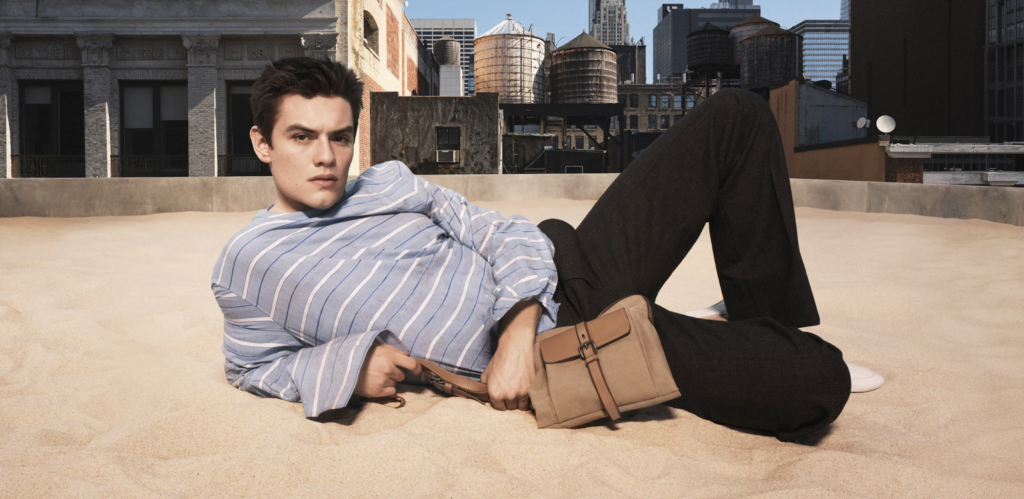
Loewe, The Row and Prada began creating menswear accessories that feel increasingly visible, sophisticated and deeply aspirational.
Masculine Luxury No Longer Needs to Hide
The evolution of the conversation around the men’s bag goes far beyond aesthetics. Like every transformation within fashion, it also reflects a broader shift in cultural codes. This time, around men and aesthetics.
For a long time, masculine luxury built its identity around discretion. The perfect suit, the right watch, impeccable shoes. Everything needed to communicate status — without appearing too invested in doing so. So, what does the bag say about contemporary masculinity?
It speaks to men who feel far more comfortable with the idea of looking styled. To a masculinity that no longer needs to hide its interest in fashion behind functionality. To a generation increasingly interested in luxury, styling and the small visual codes that shape identity. Perhaps that’s why brands like Loewe, The Row and Prada began creating menswear accessories that feel increasingly visible, sophisticated and deeply aspirational.
Because if the bag historically functioned as a symbol of identity, desire and aspiration within womenswear, today it’s beginning to occupy a similar role in contemporary menswear. And perhaps that is the real shift. The men’s bag stopped existing purely as a practical accessory and became a visible extension of identity instead. One that can now speak about personal style, aspiration and individual narrative far beyond fashion itself.