The return of The Devil Wears Prada doesn’t live only in nostalgia. It lives in something far more interesting: its ability to remain relevant. Two decades after its release, its language still shapes the digital conversation, its lines turned into a generational dictionary and, yes, the way we see (and love) fashion. Today, Mexican designer Alexia Ulibarri understands this better than anyone with Everyone Wants to Be Us, a capsule that doesn’t aim to replicate that universe, but to translate it through her own.
From red (an immediate icon of the film’s visual identity) to the gestures that define each character, Ulibarri builds a proposal that doesn’t stay at the level of reference, but becomes something that is worn and lived in. Because when it comes to The Devil Wears Prada, it was never just about what you see — it was about what it builds.
Author: aNDREA BAU
When fashion looks back at The Devil Wears Prada
If The Devil Wears Prada made anything clear, it’s that fashion was never just aesthetic. It’s a way of communicating who you are, where you stand, and what you’re trying to achieve. Twenty years later —and on the verge of taking over the box office with its second installment— the conversation returns to where it has always belonged: fashion. And this time, with Mexico as its stage.
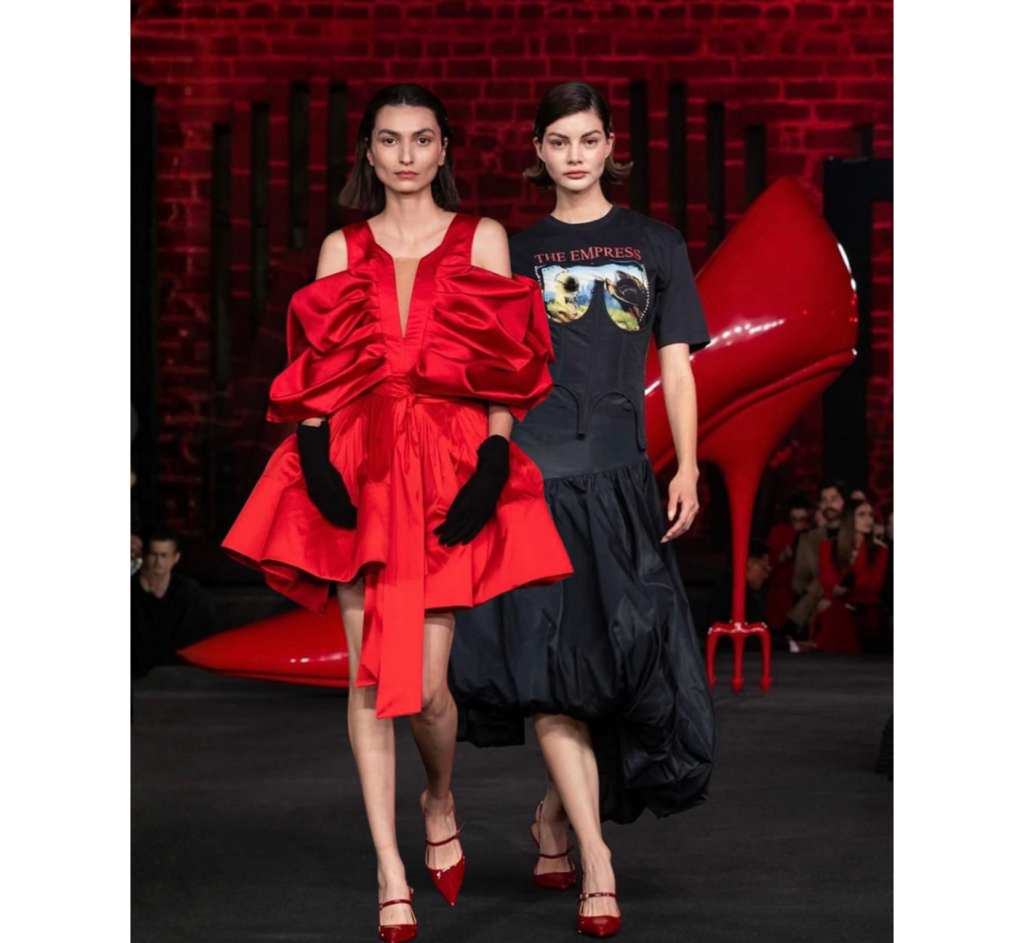
With an event that marked the beginning of its global press tour —and that washed the Museo Anahuacalli in red— the global reference found a new way to exist: the runway. Twenty Mexican designers took that universe and filtered it through their own lens, in a presentation that felt less like homage and more like interpretation. Among them, Alexia Ulibarri, who started with two looks for that night and, almost naturally, took it a step further.
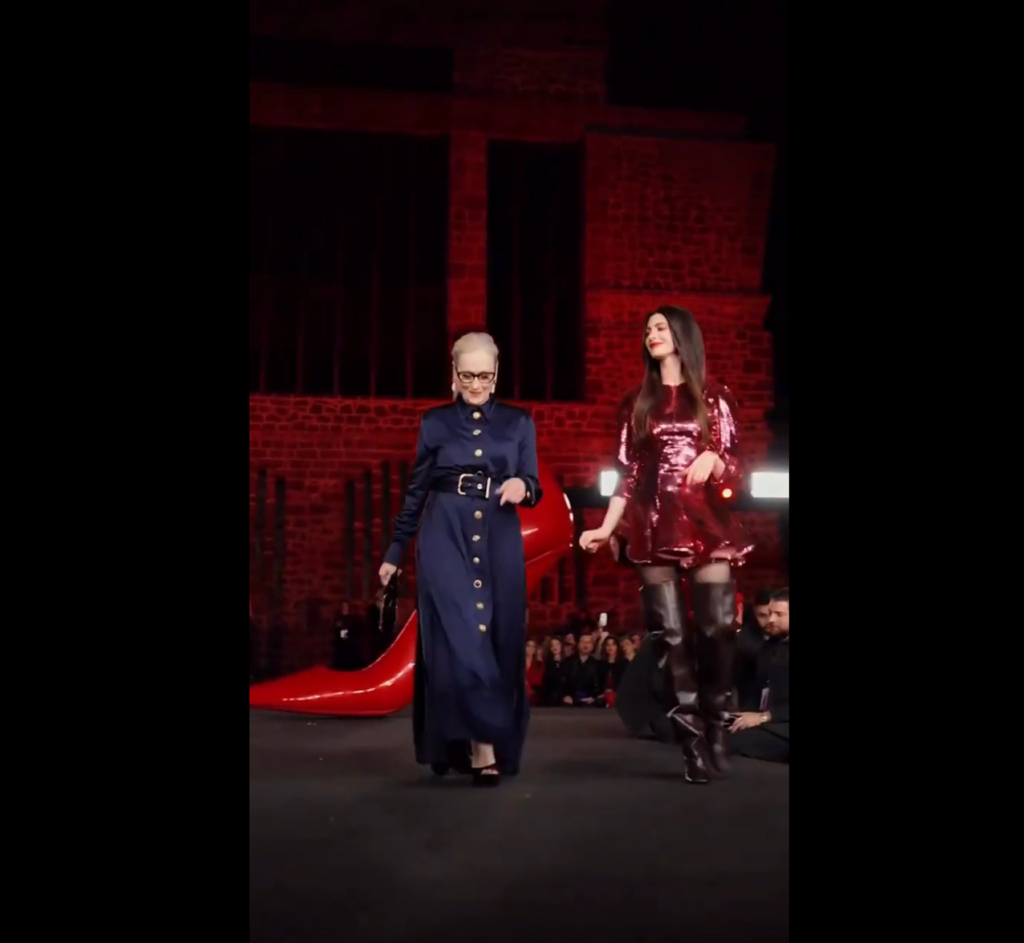
Twenty years later, the conversation returns to where it has always belonged: fashion.
Everyone Wants to Be Us: from reference to personal language
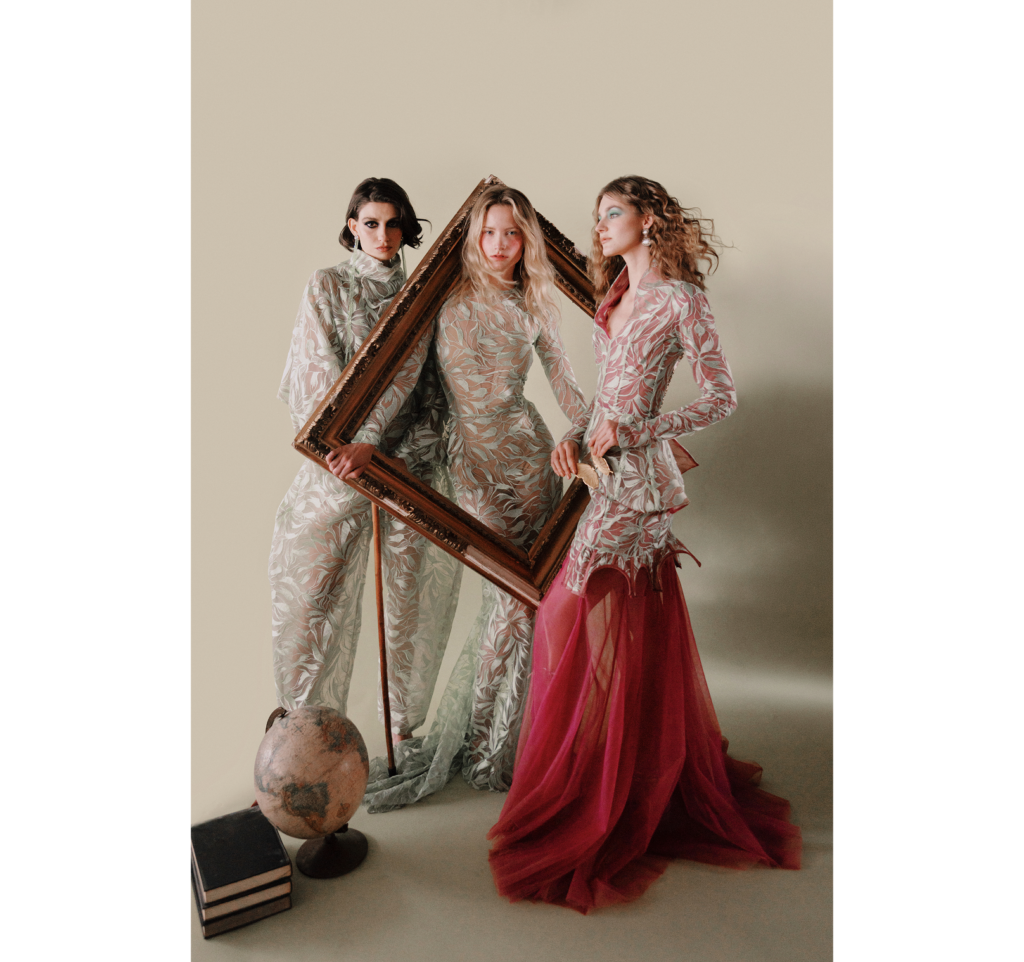
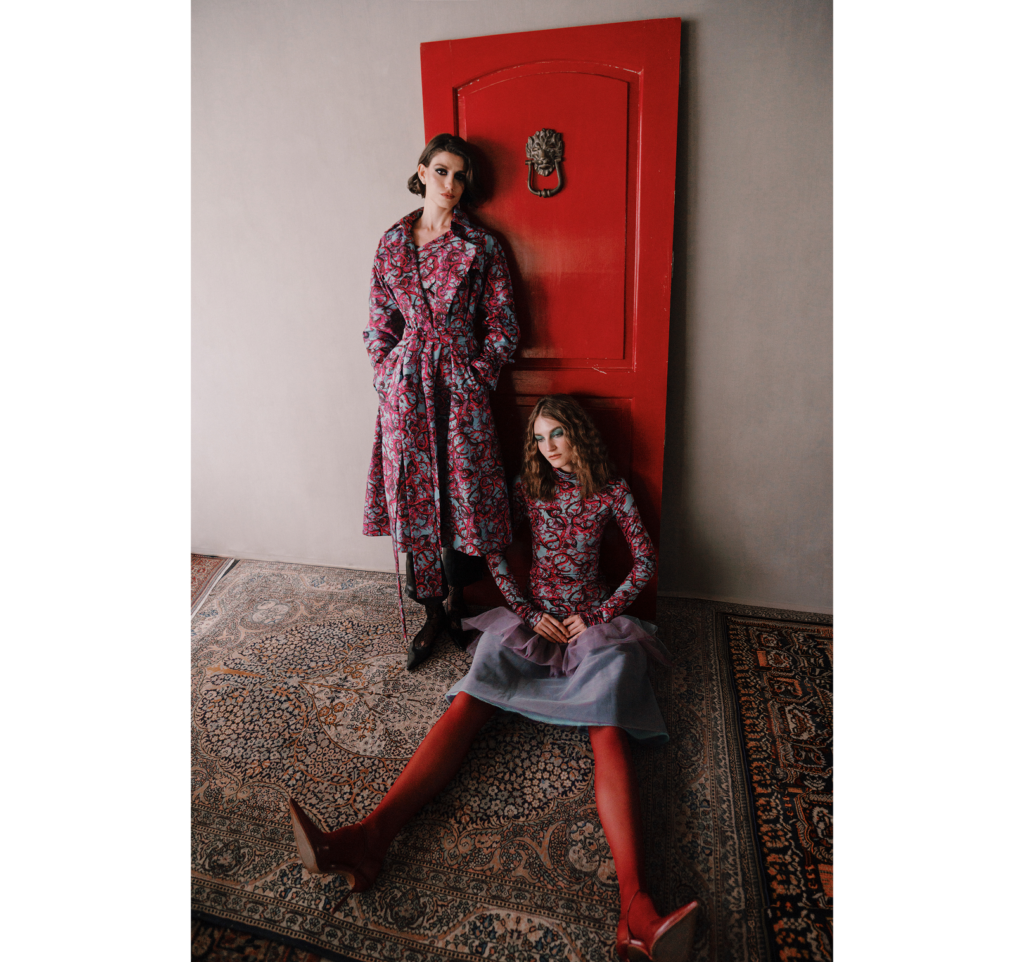
That’s how Alexia Ulibarri brought Everyone Wants to Be Us to life. A capsule in which The Devil Wears Prada wasn’t a one-off source of inspiration, but something far more organic. Instead of building something from scratch, the designer started from what already existed: a personal language that, almost effortlessly, finds common ground with that universe. “I realized that my silhouettes, my basics from over ten years ago, connected perfectly with that universe,” she tells TTT exclusively.
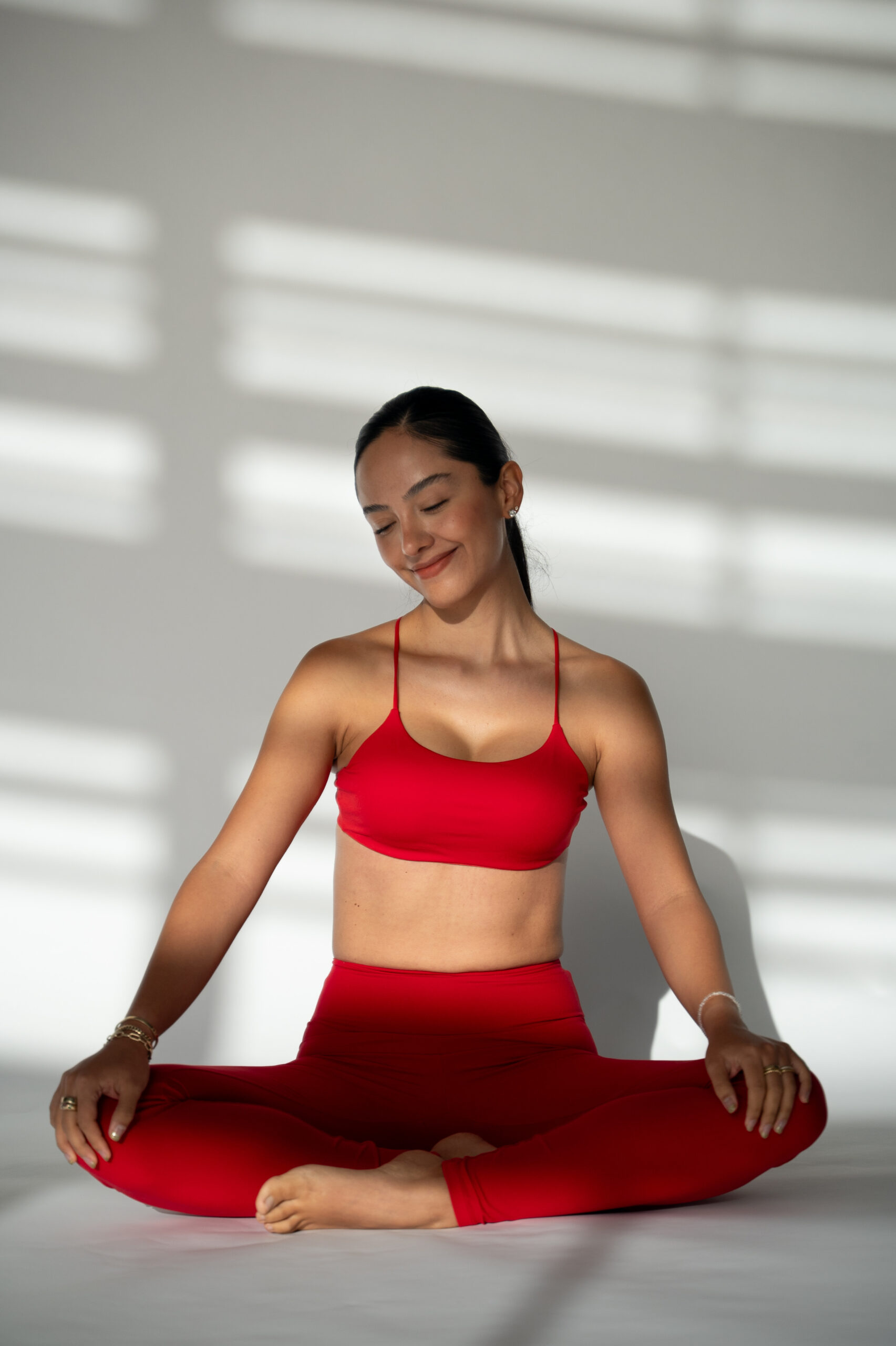
That language translates into pieces that have become signatures of her brand —pants that sculpt through cut, Victorian-inspired bodysuits, and skirts that play with transparency— and that read differently here. They appear in red, in black, in wine tones. In versions that echo that unofficial uniform from the film. Silhouettes that maintain that sense of structure and presence that defined it.
Thinking about Miranda or Andy wasn’t about recreating them, but about understanding what they represent: a woman who moves between aspiration and everyday life without having to choose. A girl boss who, without forcing it, reflects the woman Alexia Ulibarri has been building since the beginning of her brand.
Yes, Ulibarri admits that with Everyone Wants to Be Us she stepped outside her comfort zone. But that didn’t mean losing her language; on the contrary, it was a way of taking it somewhere else. Because if this capsule makes anything clear, it’s that it’s not about replicating a code, but about understanding it, and making it your own. “In a second I thought: of course I want to bring this into my language.”
Celestina: the universe behind the capsule
Behind Everyone Wants to Be Us there’s something that doesn’t begin with The Devil Wears Prada: Celestina, Alexia Ulibarri’s main collection for 2026, presented during Paris Fashion Week. “I’m interested in exploring that duality we all carry within us: what we show and what we are,” she tells us. And it’s precisely from there that everything is built.
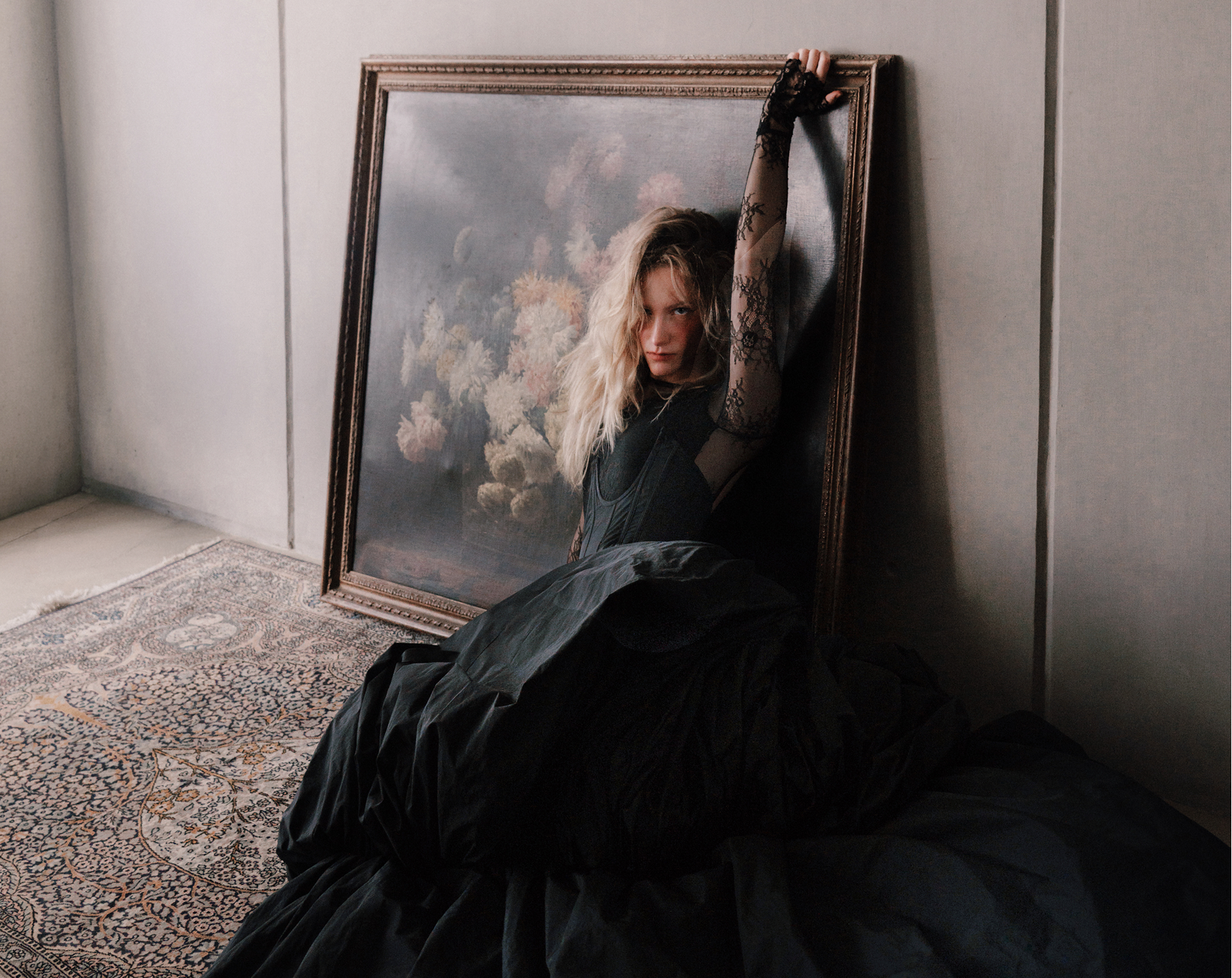
“Celestina is not a character, it’s an attitude,” she explains. Corsets that shift from restriction to assertion, transparencies that don’t aim to reveal but to suggest, and silhouettes that begin with the body rather than the concept. It’s a more personal, more internal universe, where fashion stops looking outward.
Because if Everyone Wants to Be Us captures a moment, Celestina holds it. That may be why The Devil Wears Prada fits so naturally into Ulibarri’s language: because everything starts from a duality. Miranda and Andy are opposites, yet they coexist. And it’s exactly there that everything makes sense.
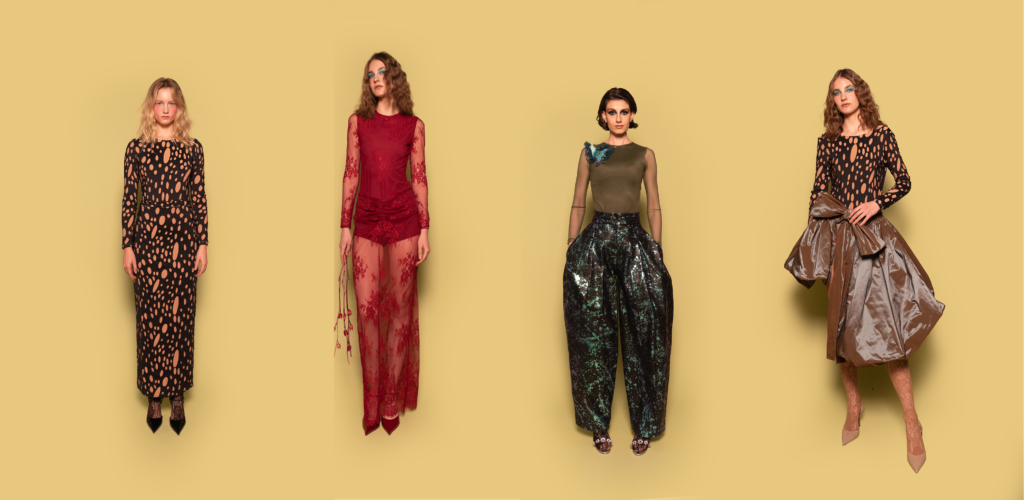
if Everyone Wants to Be Us captures a moment, Celestina holds it.
The next step for Alexia Ulibarri
In the end, what’s interesting about The Devil Wears Prada isn’t that it comes back —it’s that it still works. Because it was never just a fashion story, but a way of understanding how we build ourselves through it. And in Alexia Ulibarri’s universe, that translates into something very concrete: a language that already exists and can move between references without losing itself.
With Everyone Wants to Be Us and Celestina, the designer confirms something that is already evident: Mexican design now holds a different place within the conversation.
And what comes next —a collection inspired by a supernova, which we will see during the 2027 fashion week— pushes it even further. Because if Ulibarri makes anything clear, it’s that her work doesn’t change direction, it evolves. It doesn’t respond to trends, but to a language that already exists and continues to find new ways to appear.