Most beauty advice assumes a baseline. A skin that behaves predictably. A face that responds to products the way the instructions say it will. A routine that, once established, stays established. For millions of women living with autoimmune conditions, none of that is guaranteed.
Lupus alone affects more than five million people worldwide, nine out of ten of them women. Rosacea touches approximately 5% of the global population, with women experiencing it at a higher rate than men. Psoriasis affects hundreds of millions more, and women living with it consistently report greater impact on their appearance and daily routines than any other group.
The skin can change from one week to the next. A product that was fine yesterday can become a trigger today. The face in the mirror on a good day and the face on a flare day can feel like they belong to two different people. And yet these women are everywhere. They are sitting in the same offices, moving through the same mornings, raising children, building careers, showing up fully to their lives. They just happen to be doing it in a body that requires something the standard beauty conversation was never designed to offer.
And yet the beauty industry has largely written these women a single line of advice: use gentle products and avoid fragrance. As though the entire experience of navigating lupus, rosacea, psoriasis, or any of the dozens of other autoimmune conditions that affect the skin and hair could be summarized in two sentences and a sensitive skin label. The cost of that dismissal is not just inconvenience. It is women spending years cycling through products that trigger flares, trusting routines that were never built for them, and quietly concluding that beauty simply does not have room for the body they are living in.
It cannot. And the women living with these conditions deserve a conversation that goes much further than that.
Author: Elizabeth Ulloa
What Autoimmune Conditions Actually Do to the Face
Before the beauty conversation can be useful, it helps to understand what is actually happening beneath the surface. Autoimmune conditions occur when the immune system, instead of directing its response outward toward infection and threat, turns inward and begins attacking the body’s own tissue. The common thread across most of them is inflammation. Not the temporary kind that comes with a bug bite or a sunburn, but a deeper, ongoing inflammation that the body cannot fully switch off, one that affects not just how the skin looks but how it feels, how it tolerates products, and how it heals.
This is why the standard beauty advice so often falls short. It addresses the surface without understanding what is driving the surface. And for a woman whose skin is already in a state of heightened reactivity, the wrong product at the wrong moment is not just an inconvenience. It can trigger a flare, worsen a rash, or set back weeks of careful management.
The face in the mirror on a good day and the face on a flare day can feel like they belong to two different people.
Lupus: The Butterfly Rash and What Lies Beneath
Lupus is one of the most complex autoimmune conditions from a beauty perspective, because its skin manifestations are so visible and so variable. The butterfly rash, a distinctive redness that spreads across the cheeks and nose, is one of the most recognized signs of the disease. It can be faint or vivid, temporary or persistent, and it is almost always made worse by sun exposure.
For women with lupus, sun protection is not a beauty recommendation. It is a medical necessity. UV exposure can trigger not just the butterfly rash but systemic flares that go far beyond the skin. A broad spectrum SPF 50 worn daily, regardless of weather or season, is the single most important product in the routine. Mineral sunscreens with zinc oxide or titanium dioxide are generally better tolerated than chemical filters, which can cause irritation in already sensitized skin.
When it comes to covering the butterfly rash, the approach that works best is building in layers rather than applying heavy coverage in a single pass. A green color corrector applied lightly over the redness before foundation neutralizes the tone without requiring the weight of a full coverage product. A skin-tint or medium coverage foundation with SPF applied on top gives a natural finish that does not collect in the texture that lupus skin can develop.
Fragrance is a consistent trigger for lupus-affected skin and should be avoided across all products in the routine, not just skincare but makeup, hair products, and anything else that comes into contact with the face and neck.
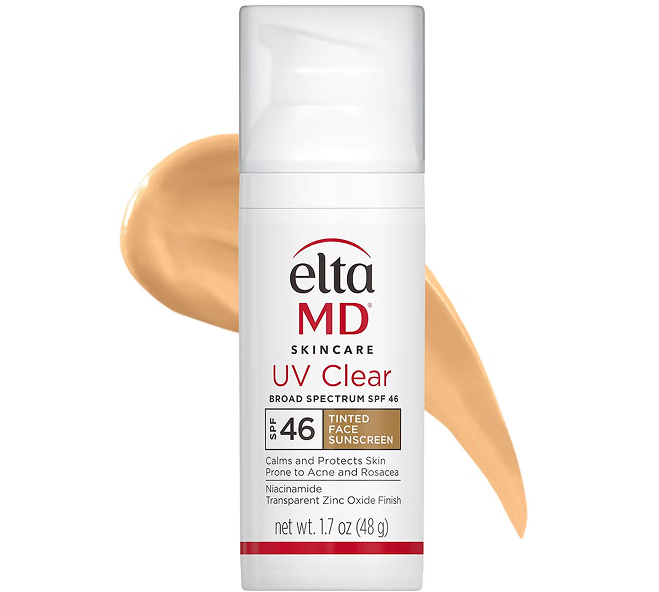
EltaMD UV Clear Broad-Spectrum SPF 46
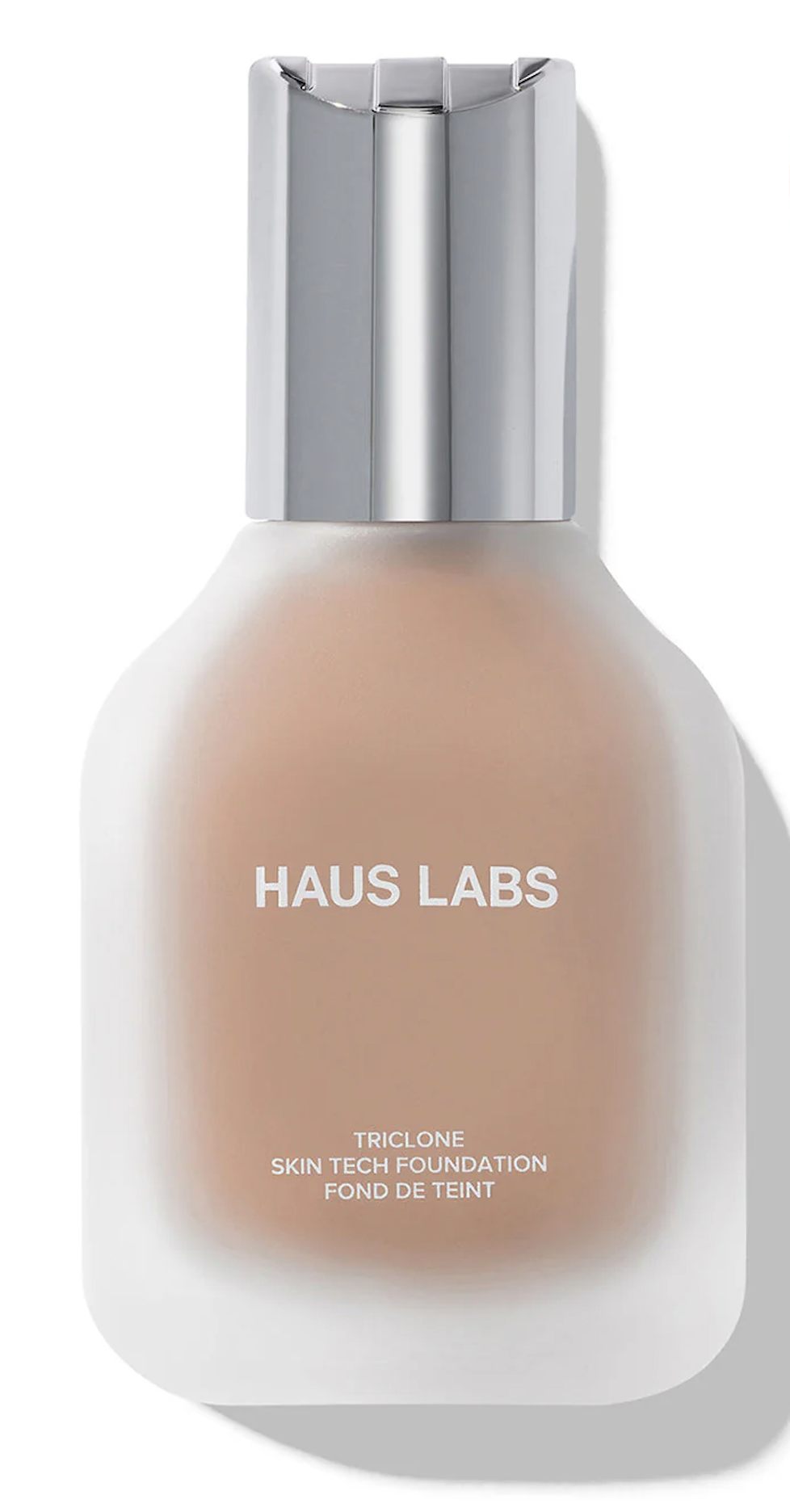
Haus Labs Triclone Skin Tech Foundation
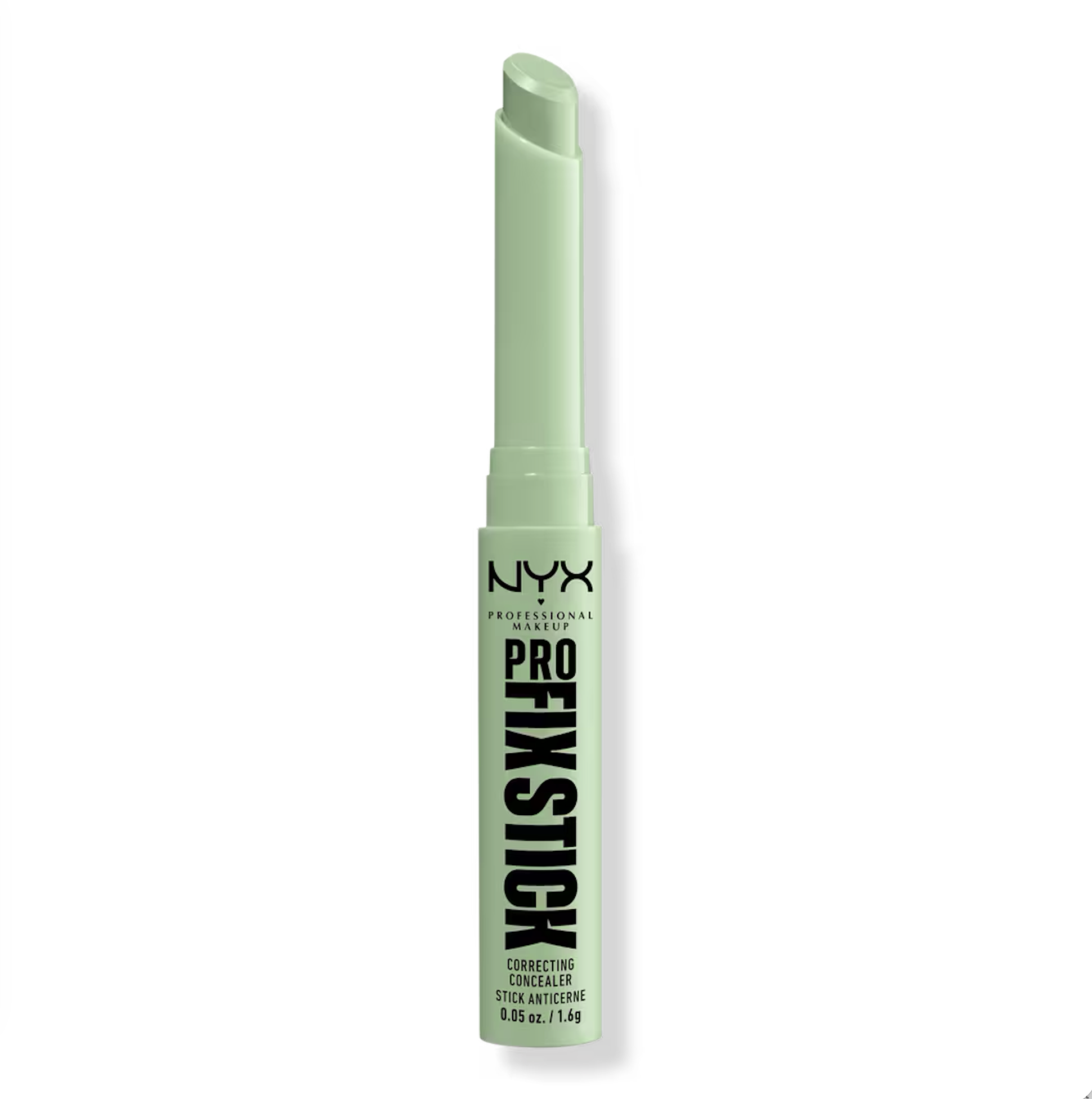
NYX Professional Makeup Color Correcting Concealer in Green
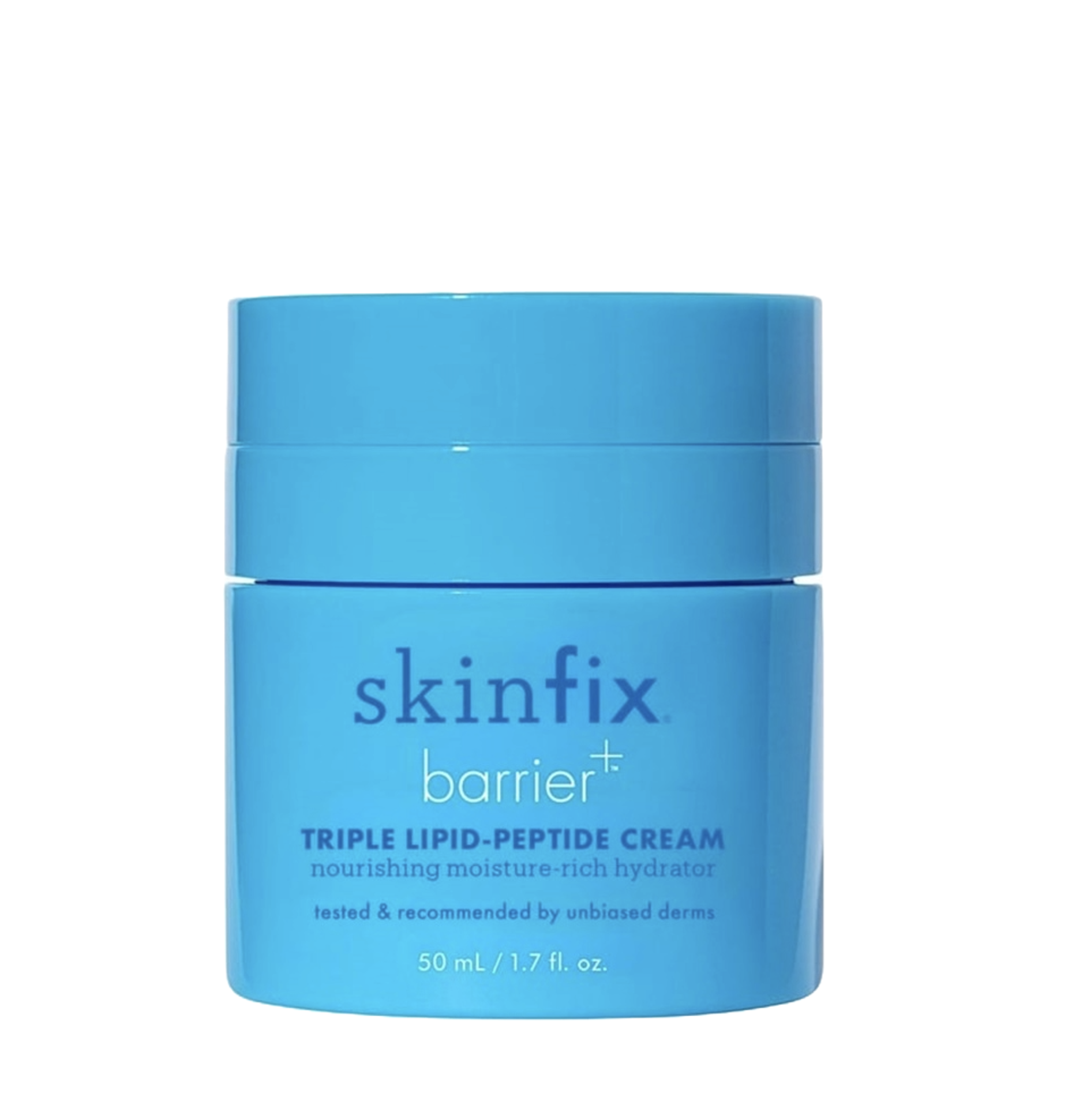
Skinfix Barrier+ Triple Lipid Peptide Face Cream
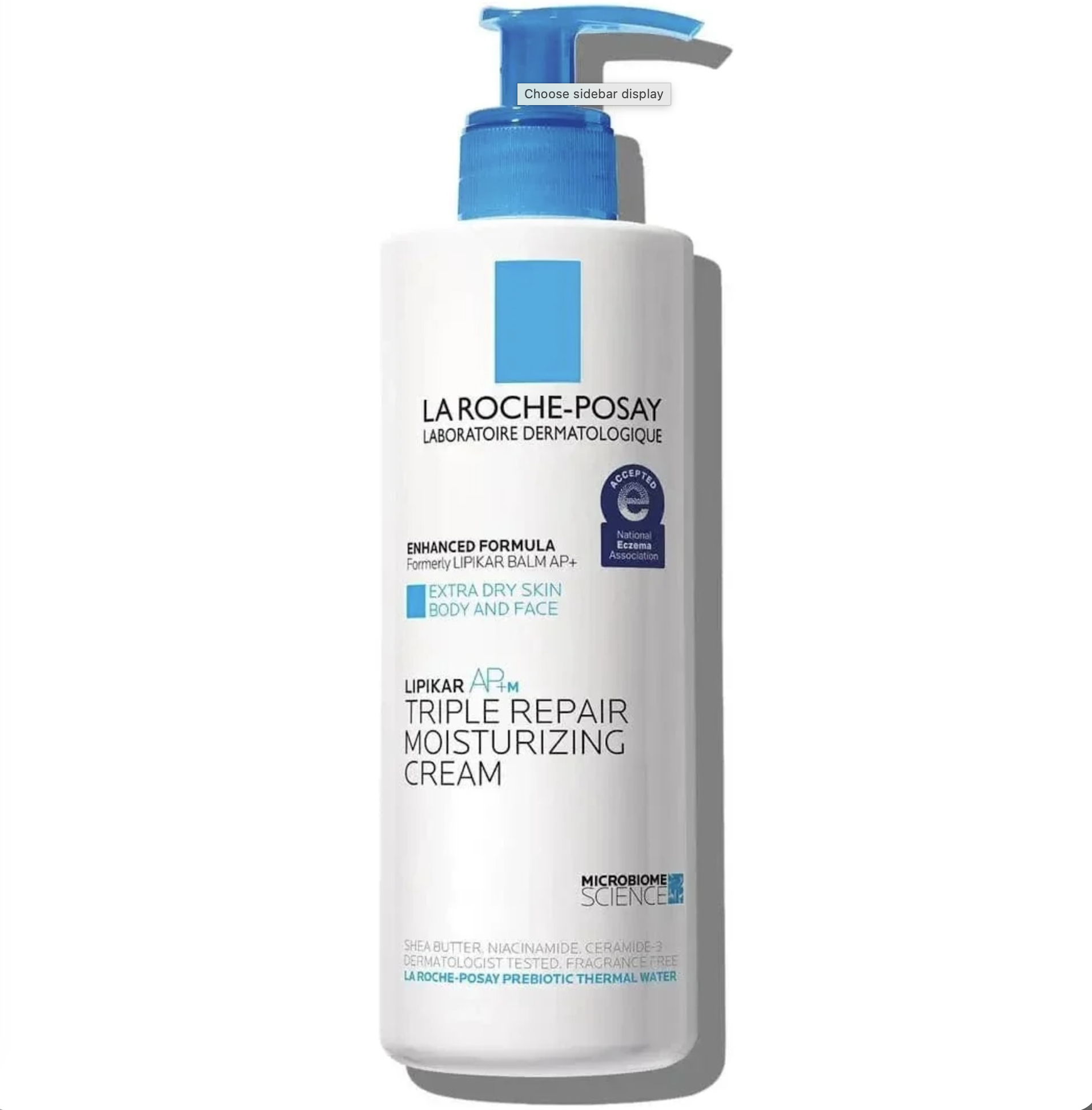
La Roche-Posay Lipikar AP+MAX Triple Repair Moisturising Cream
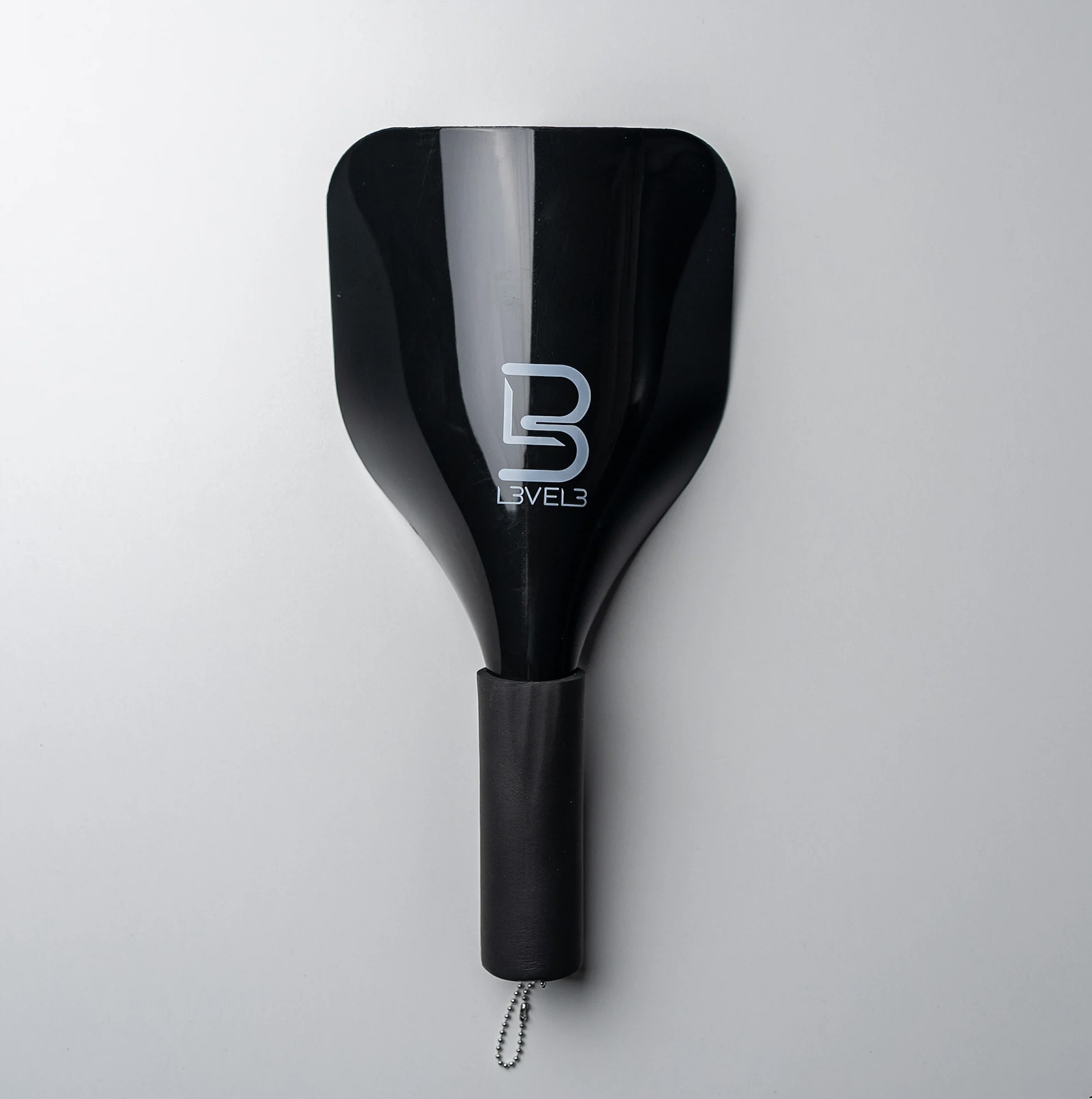
L3VEL3 Facial Protector
Rosacea: Managing Redness Without Making It Worse
Rosacea is a chronic condition characterized by persistent redness, visible blood vessels, and in some forms, bumps and thickening of the skin. It is not simply sensitive skin. It is a vascular and inflammatory condition that requires a fundamentally different approach to both skincare and makeup than the average routine provides.
The most important thing to understand about rosacea and beauty is that heat is a primary trigger. Hot water, steam, vigorous rubbing, heavy layering of products, and even certain ingredients that create a warming or tingling sensation can all cause the blood vessels to dilate and the redness to intensify. The beauty routine for rosacea-affected skin should always begin with lukewarm water, gentle patting rather than rubbing, and products applied with fingertips rather than brushes that create friction.
In terms of makeup, green color corrector applied selectively over the areas of most visible redness before foundation reduces the amount of coverage needed and creates a more natural result. Cream or serum foundations applied with a damp sponge in gentle pressing motions rather than back and forth strokes give the most even finish without aggravating the skin.
Ingredients to actively avoid include alcohol, witch hazel, menthol, eucalyptus, peppermint, and anything labeled as exfoliating or resurfacing. These are reliable rosacea triggers that can undo an entire day of careful management in a single application.
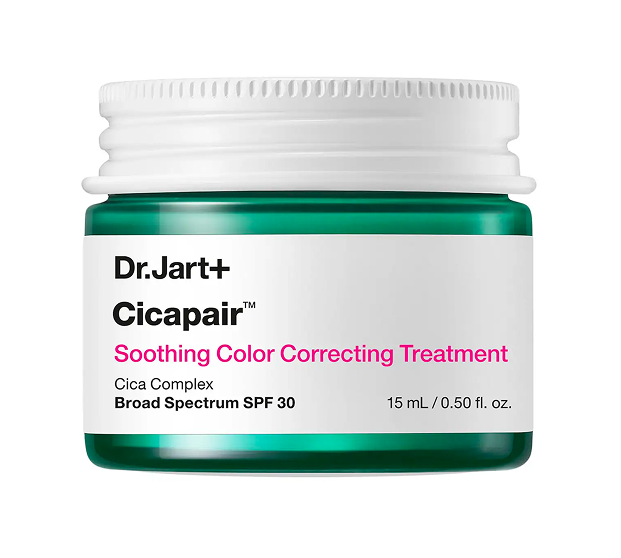
Dr. Jart+ Cicapair Tiger Grass Color Correcting Treatment SPF 30
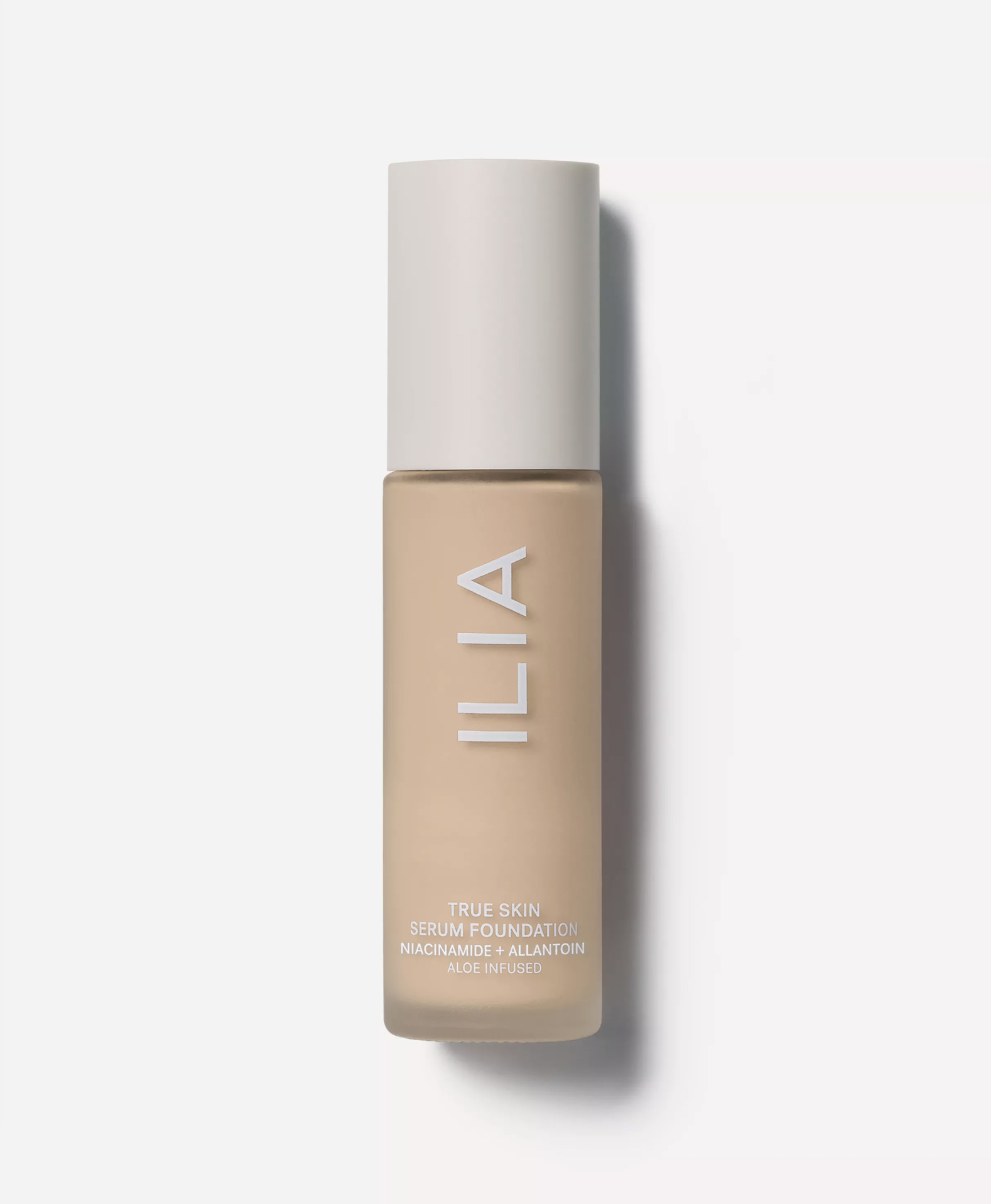
ILIA True Skin Serum Foundation
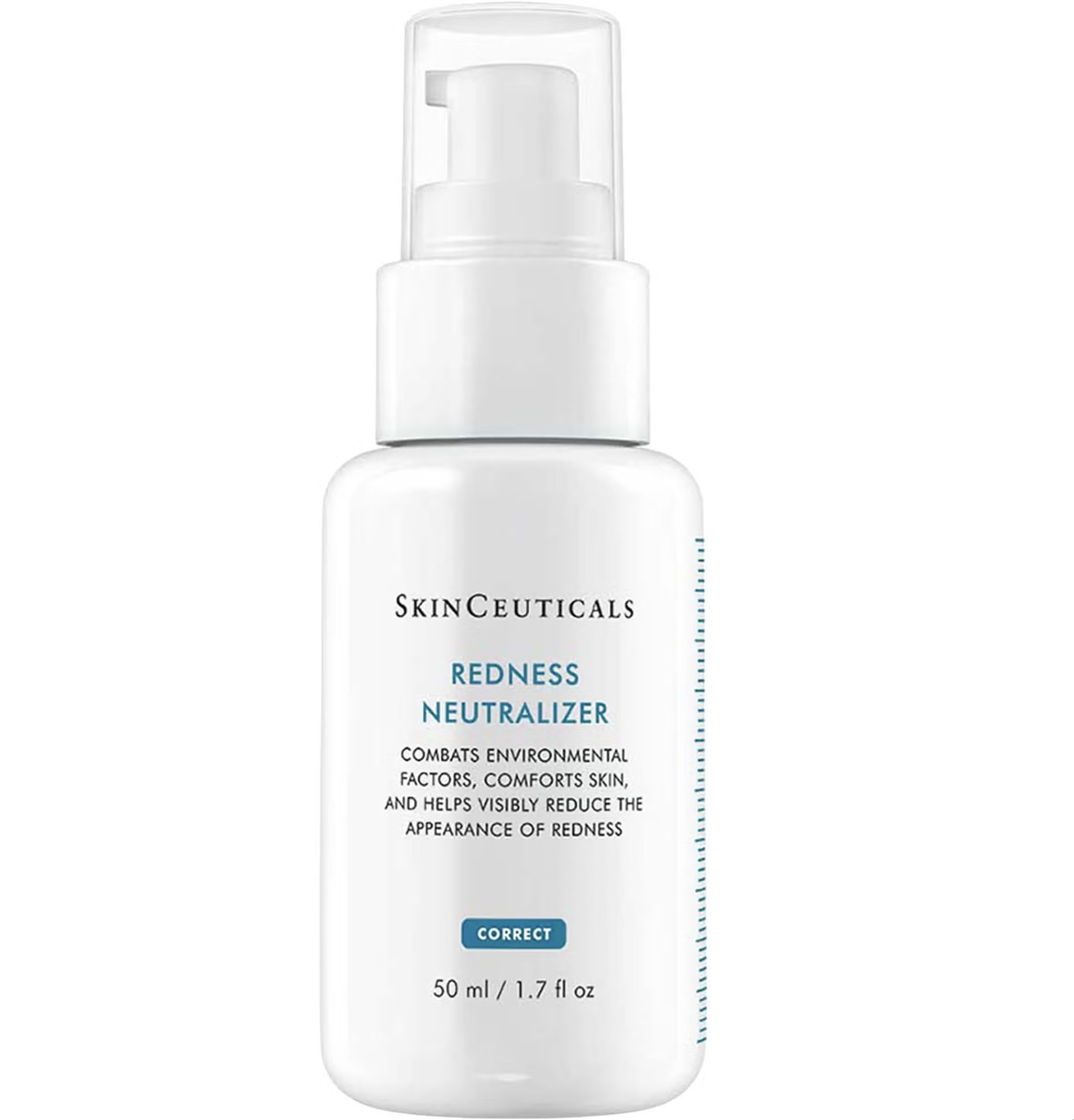
SkinCeuticals Redness Neutralizer
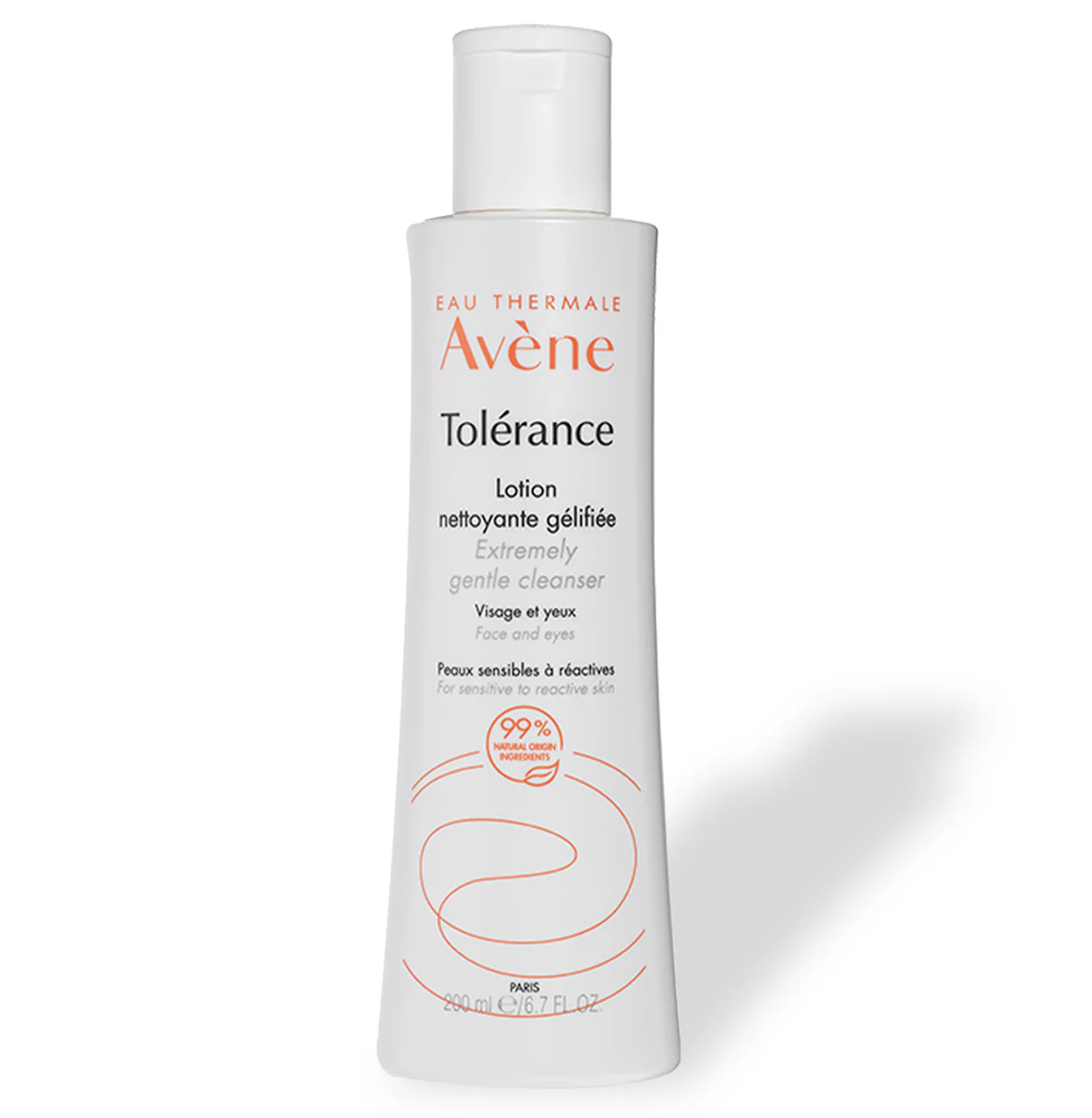
Avène Tolerance Extremely Gentle Cleanser
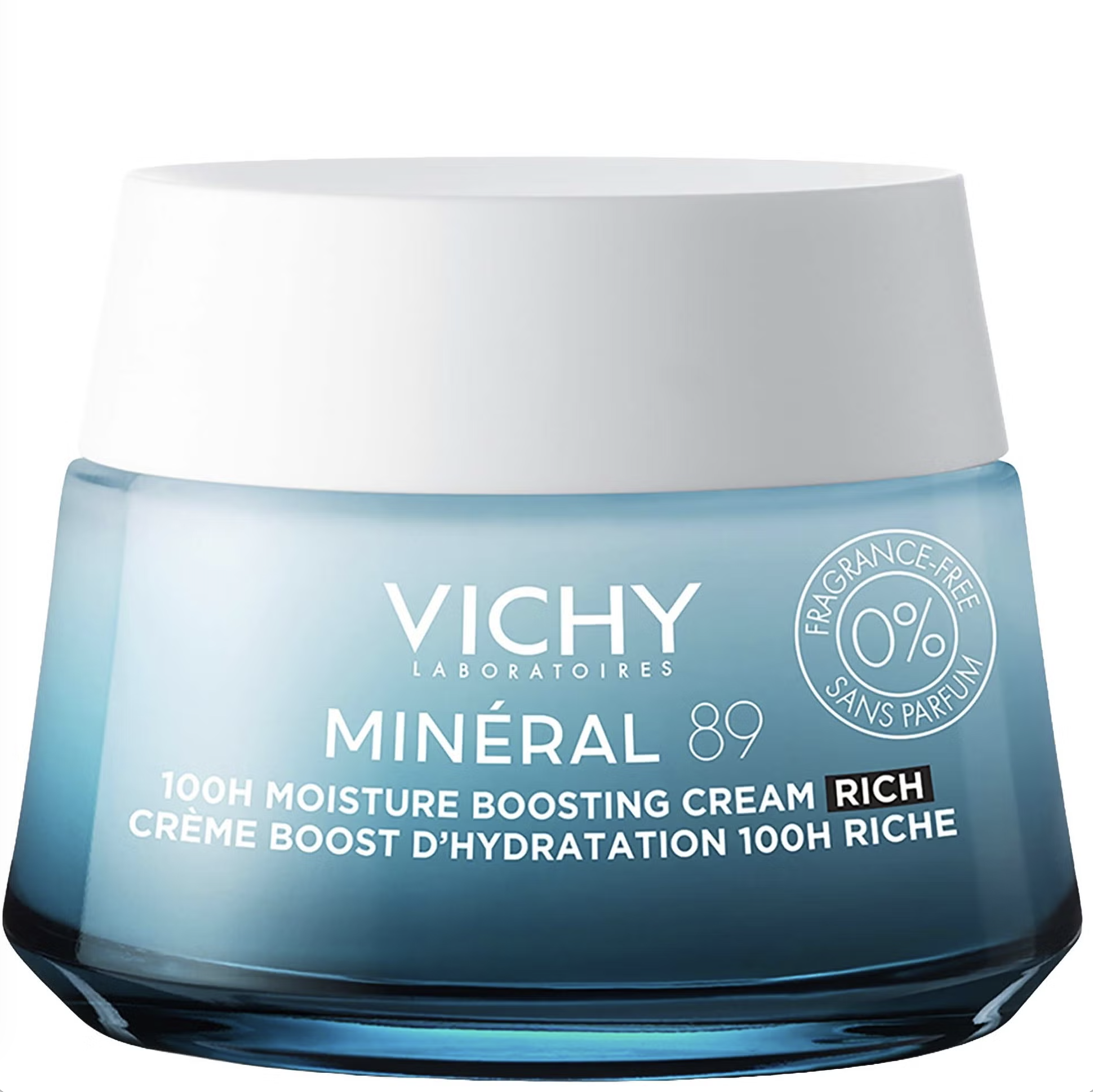
Vichy Minéral 89 Fragrance Free Cream (For body use)

Beautyblender Original Sponge
Psoriasis: Navigating Texture and Sensitivity
Psoriasis presents one of the most specific beauty challenges because it involves the buildup of skin cells that creates raised, scaly patches on the face, often along the hairline, forehead, around the eyebrows, and near the nose and mouth. The skin in these areas is often thicker in texture, more sensitive to touch and product, and prone to cracking and discomfort.
The most important preparation step for psoriasis-affected skin before makeup application is moisture. Applying a fragrance-free, barrier-supporting moisturizer and allowing it to fully absorb before any makeup is applied creates a surface that products can sit on rather than collecting in the texture of the plaques. This single step makes more difference to the finish of makeup on psoriasis skin than any product switch.
Foundation for psoriasis-affected areas benefits from a satin or natural finish formula rather than matte, which can emphasize texture, or dewy, which can draw attention to raised areas. A small, flat brush used in gentle pressing and stippling motions rather than sweeping gives more even coverage over uneven texture without disrupting the skin.
Fragrance-free, sulfate-free shampoos and avoiding heat styling tools directly on affected scalp areas reduces irritation for the hairline and scalp, which psoriasis frequently affects and beauty routines often ignore.
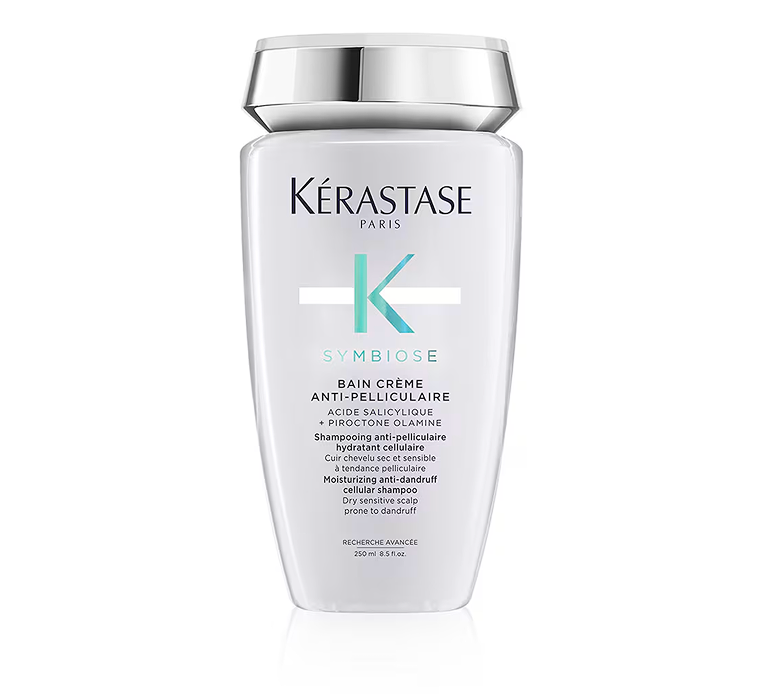
Kérastase Symbiose Bain Crème Anti-Pelliculaire Shampoo
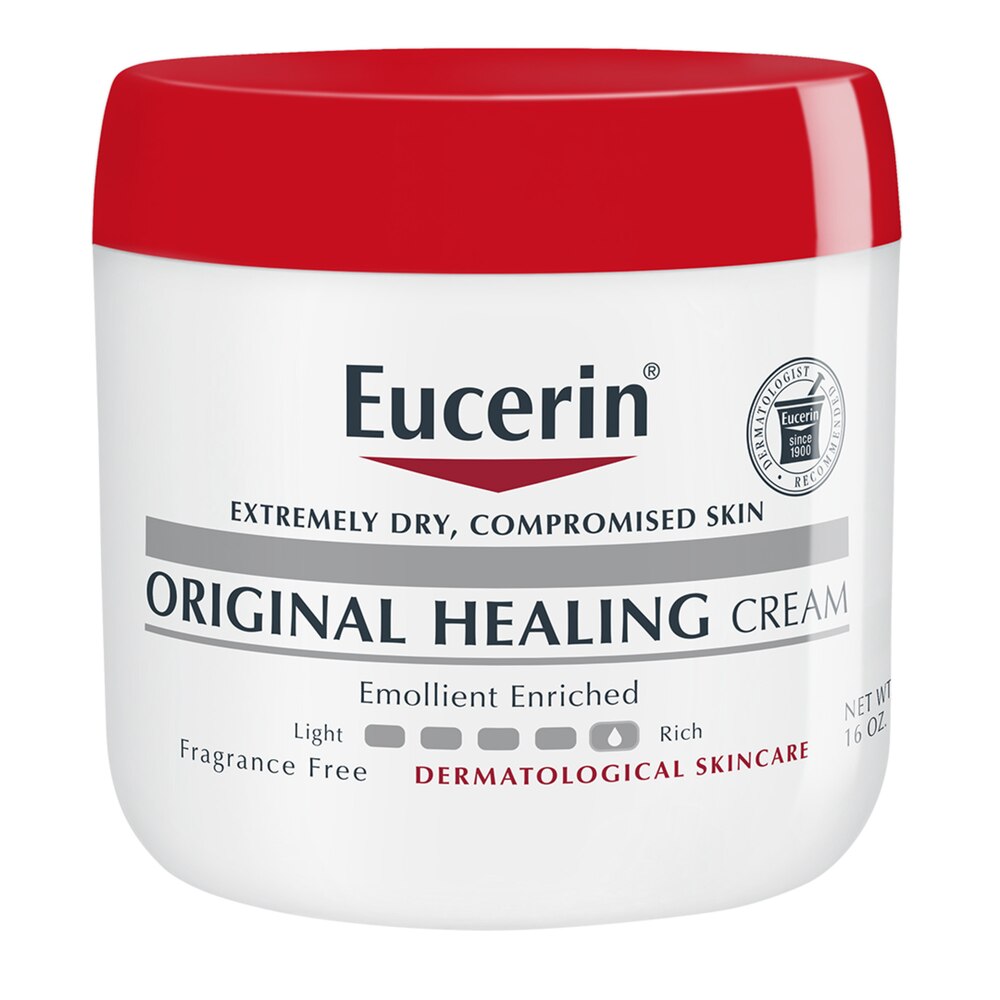
Eucerin Original Healing Rich Cream
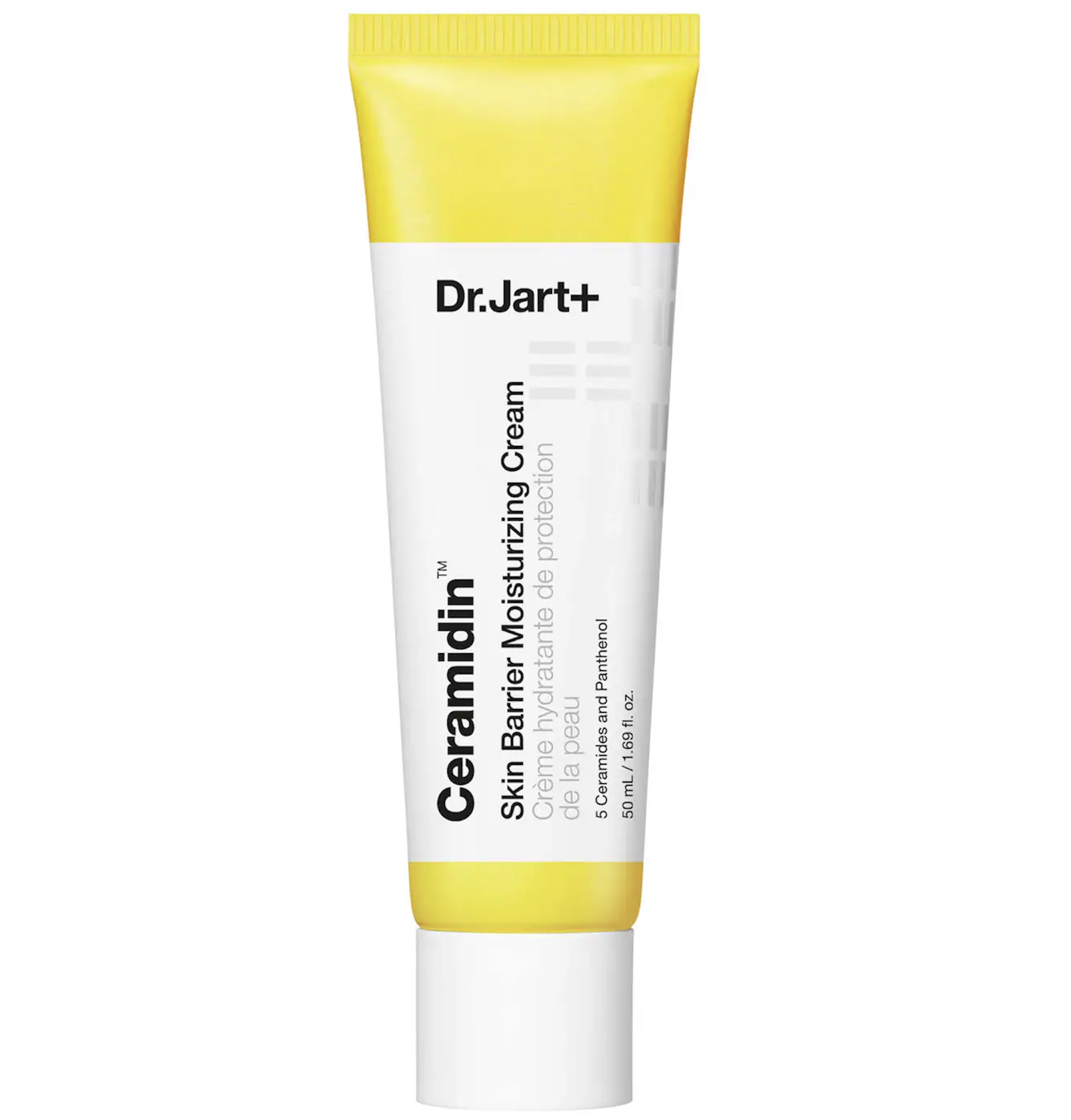
Dr. Jart+ Ceramidin Cream
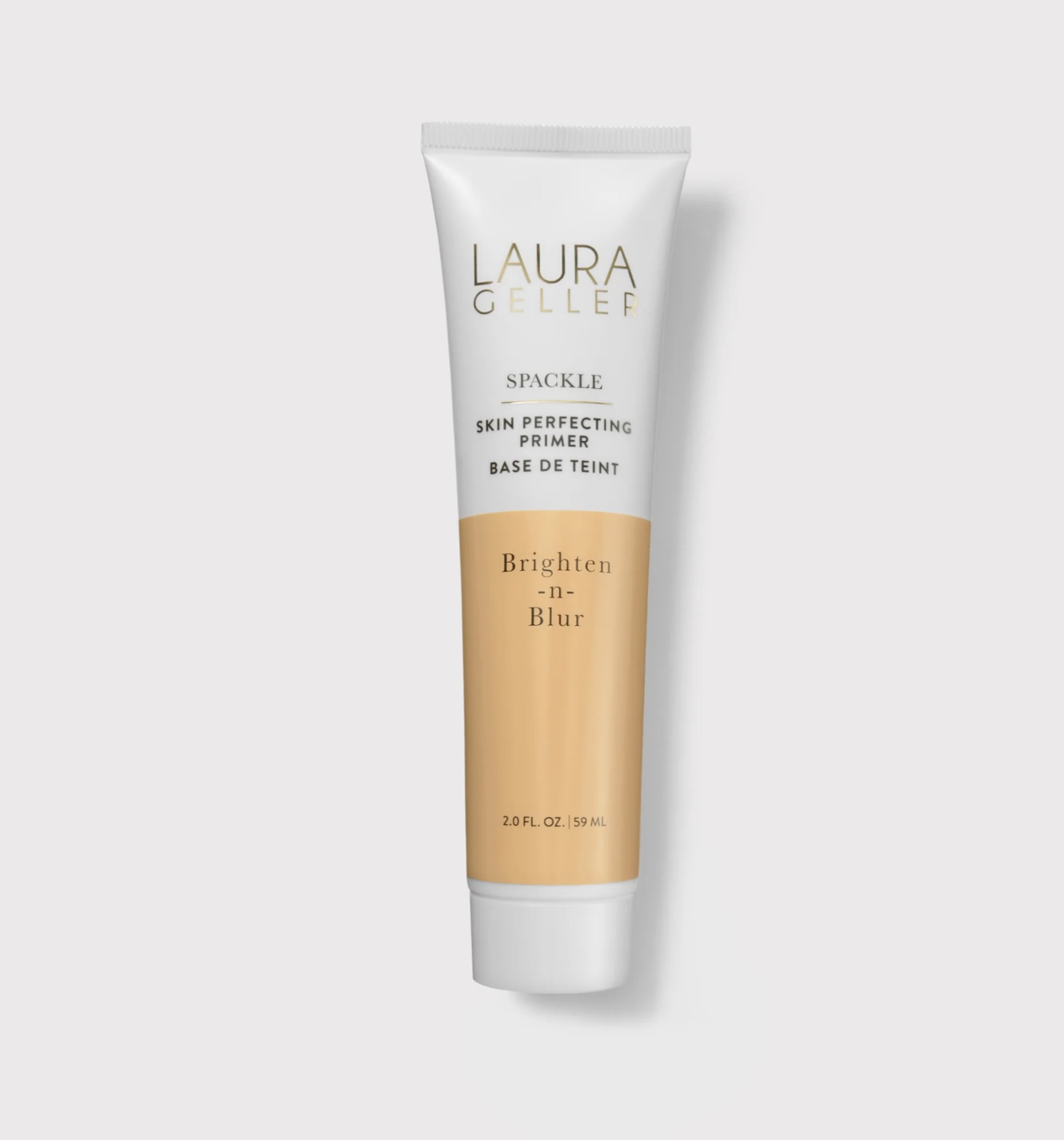
Laura Geller Spackle Skin Perfecting Primer
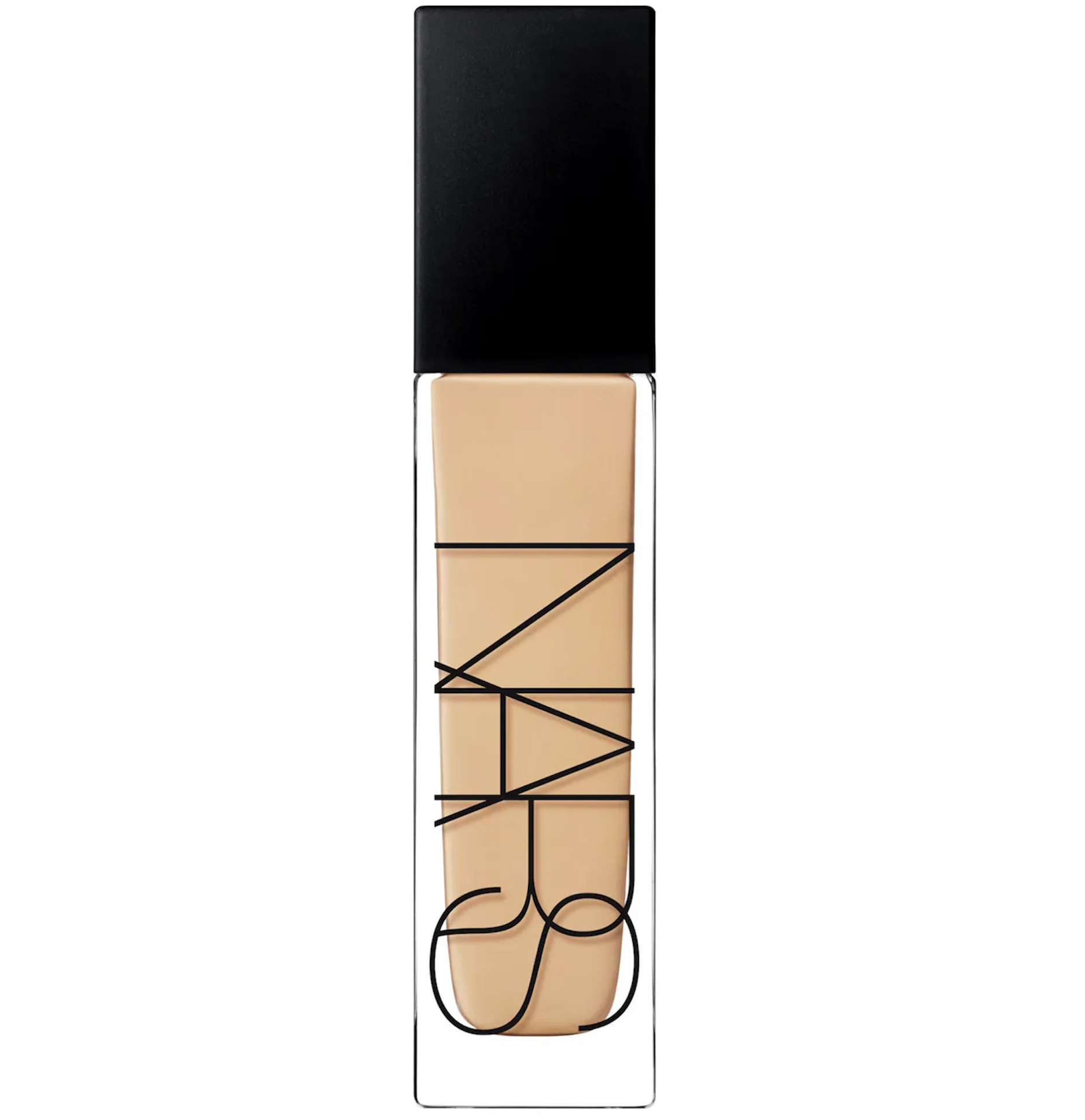
NARS Natural Radiant Longwear Foundation
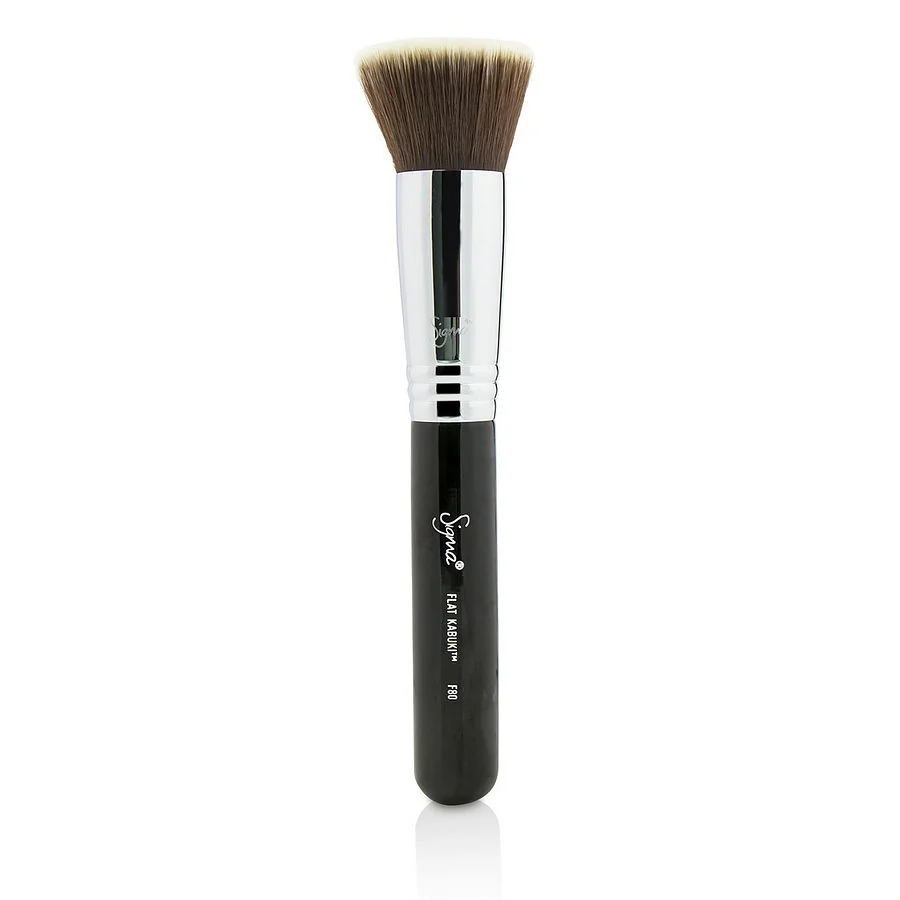
Sigma F80 Flat Kabuki
What All of These Women Share
Across lupus, rosacea, psoriasis, and the broader spectrum of autoimmune conditions, a few principles apply consistently and the beauty industry has been slow to center them in its mainstream conversation.
The routine must serve the condition first and the aesthetic second. This is not a compromise. It is the only approach that works long term. A product that looks beautiful for a day and triggers a flare for a week is not a good product for this skin.
Patch testing is not optional. For autoimmune skin, testing any new product on a small area of the inner arm or jaw for several days before full application is the difference between a careful introduction and an unnecessary setback.
Flare days require a different approach than stable days. Having two versions of the routine, a minimal one for difficult periods and a fuller one for better days, removes the pressure of maintaining the same standard regardless of what the skin is doing.
And perhaps most importantly: getting dressed in the morning when the butterfly rash is visible, or when the psoriasis has spread to the face, or when the rosacea is in a bad period, is not a neutral act. It is an act of courage and self-determination. The women doing it every day deserve a beauty industry that understands what they are actually navigating and meets them there with something more useful than a sensitive skin label and a shorter ingredient list.
The routine must serve the condition first and the aesthetic second. This is not a compromise. It is the only approach that works long term.
For the Woman Who Shows Up Anyway
You are not a niche market. You are not a special case. You are a woman who gets up every morning, looks at her face, and decides to show up anyway. That is not a small thing. That is everything. And the beauty routine you have built around a body that requires more care and more attention than most people will ever understand is not a limitation. It is its own kind of grace.