There is a particular moment that many women describe in the same way. The hair starts coming out differently. The skin that once responded predictably to the same routine begins to behave like a stranger. Sleep becomes unreliable. The mirror shows something the calendar does not quite explain. And somewhere in the middle of all of it, a thought arrives that is equal parts clarity and frustration: why did nobody tell me this was coming?
The truth is that perimenopause and menopause touch almost everything. Not just the reproductive system but the skin, the hair, the brain, the mood, the way the body holds water, the way sleep works, and the way a woman feels when she looks at her own reflection. That is finally starting to change. A generation of doctors, neuroscientists, and women who have lived this experience firsthand have started writing the books that medicine never provided. Not books that ask women to push through. Books that explain what is happening, why it is happening, and what can actually be done about it.
Though, to be fair, there was one warning most of us did get. Samantha Jones in Sex and the City, standing in the middle of a fabulous outfit, fanning herself at a restaurant and announcing her hot flash to the table like she was ordering dessert. It was funny. It was also, for a lot of women, the only time they had ever seen this on television without a whisper or an apology. Samantha did not push through. She just lived it, loudly. Not a bad template for what follows.
This reading list is for the woman standing in the middle of that moment, the one who deserves answers and has been handed silence for far too long.
Author: Elizabeth Ulloa
What the Timing Actually Looks Like
This transition can begin as early as the late thirties and last for a decade or more, and most women walk into it completely unprepared because nobody thought to prepare them. Perimenopause can begin anywhere from the late thirties to the mid-forties, with the average woman reaching menopause, defined as twelve consecutive months without a period, somewhere around age fifty-one. But that average carries a wide range on either side.
Genetics play a significant role, and if your mother or older sister entered this transition early, there is a reasonable chance you may too. Race also factors in ways that medicine is only beginning to take seriously. Research suggests that Black women tend to enter perimenopause earlier and experience more intense symptoms for longer, while Latina women also report earlier onset compared to white women. Asian women tend to report fewer hot flashes and night sweats, though they are not exempt from the transition or its effects.
None of this is fixed. But knowing that your experience may not match the textbook average, and that the textbook average was largely built on a narrow slice of women to begin with, is exactly the kind of information you deserve to have from the start.
The Skin Changes Nobody Explained
You have been using the same moisturizer for years. It worked. And then it simply stopped working, not because the product changed but because your skin did. The tightness that was not there before. The sensitivity that makes your face react to things it never noticed. The dullness that no amount of sleep seems to touch. The fine lines that appeared not gradually but seemingly overnight. And the quiet, persistent feeling that the skin looking back at you in the mirror belongs to a chapter nobody gave you the notes for.
What is happening is hormonal. As estrogen declines, the skin loses some of the structural and hydration support it has relied on for decades. Collagen production slows. The barrier weakens. Moisture does not hold the way it once did. The skin becomes thinner, more reactive, and slower to recover from disruption. This is not a flaw. It is a biological shift, and it has an explanation.
Understanding why the skin is changing is the first step toward knowing how to care for it differently. Several of the books on this list address the skin directly. Others address the broader hormonal picture that the skin is simply making visible. Either way, the answer begins with knowing what you are actually dealing with.
“The version of yourself you are struggling to recognize is not disappearing. She is shifting.”
The Hair Conversation
For many women, hair is not simply hair. It is the first thing they learned to love about themselves. It is the feature that carried them through every significant chapter of their lives, the cut they got after the divorce, the length they grew out during the years they were becoming someone new, the color that felt like a declaration. Hair is identity worn on the outside. And when it starts to change during perimenopause and menopause, the loss can feel deeply personal in a way that is difficult to explain to anyone who has not experienced it.
Increased shedding, reduced density, changes in texture, and a scalp that behaves differently than it ever has before are among the most common and least talked about experiences of this transition. The shift in estrogen and progesterone levels directly affects the hair growth cycle, and the results can arrive quietly at first, a little more in the brush, a little less volume at the crown, until one day you look in the mirror and the hair you have always known does not quite look like yours anymore.
This is not vanity. This is identity. And it deserves to be taken seriously. The books on this list that address hair do so with that understanding, treating it not as a cosmetic footnote to the bigger hormonal conversation but as the genuinely significant experience it is for the women living it.
“You deserve the information. You deserve the conversation. And you deserve to move through this chapter of your life knowing exactly what your body is doing and why.”
The Mental Space Nobody Prepared You For
Nobody warns you about the day you sit in your car after a completely ordinary errand and cannot remember why you feel so unsettled. Nobody tells you that the anxiety creeping in at two in the morning may not be about your life at all. That the mood that arrived out of nowhere and will not leave has a hormonal explanation. That the version of yourself you are struggling to recognize is not disappearing. She is shifting.
Brain fog, disrupted sleep, anxiety without an obvious cause, and mood changes that feel bigger than their triggers are not signs that something is wrong with you. They are signs that something significant is happening inside you. The brain is directly affected by estrogen, and as estrogen changes, the brain responds. This is not imagined. It is neurological. And it deserves to be taken as seriously as any other physical symptom.
What these books offer, more than anything, is the relief of an explanation. The understanding that what you are feeling has a name, a reason, and a path through it. This transition, when met with the right information and the right support, is not something to survive. It is something to understand. And understanding it changes everything.
The Reading List
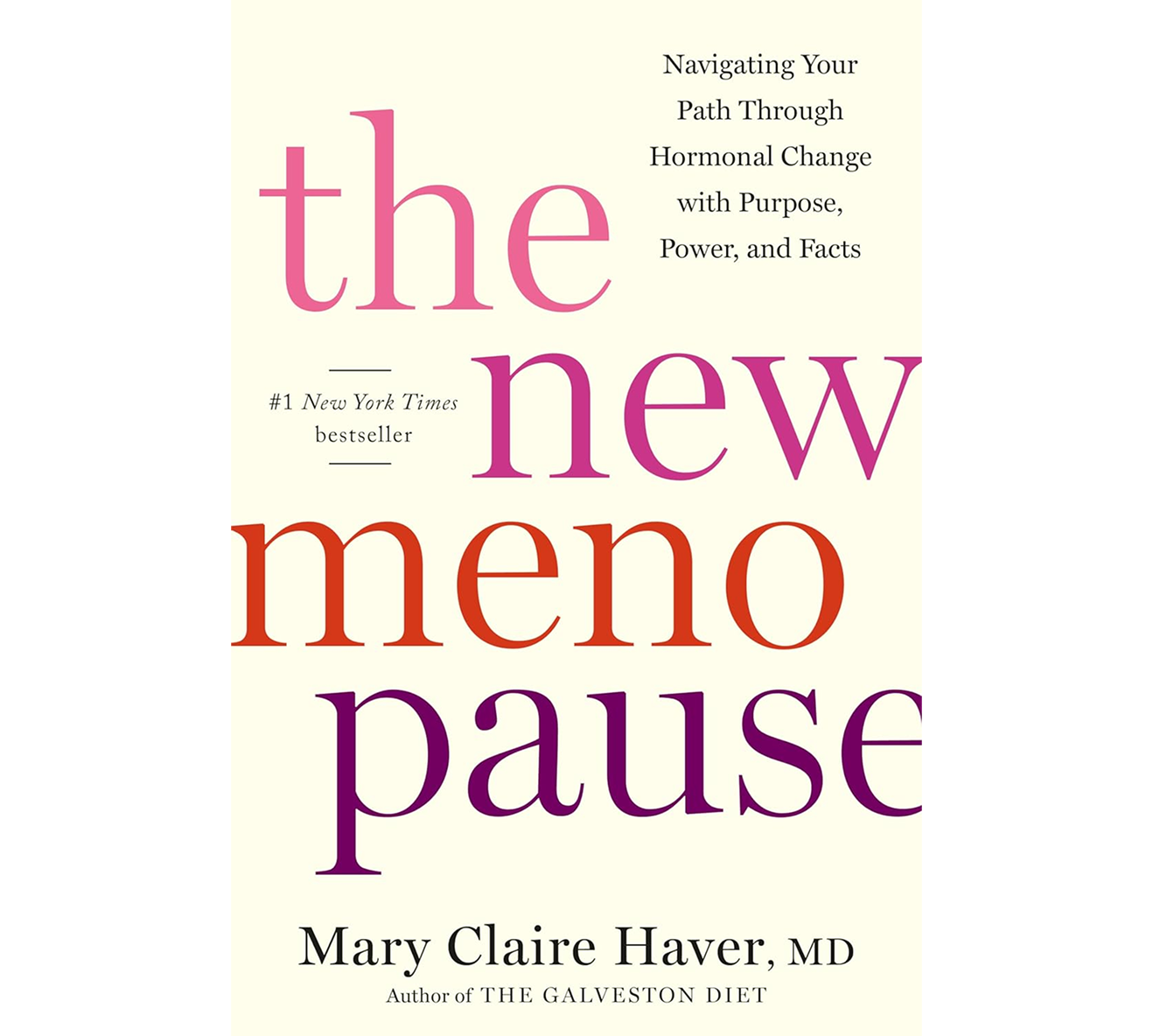
The New Menopause by Dr. Mary Claire Haver One of the most widely read and trusted voices in menopause care, Dr. Haver writes with the authority of a board-certified OB-GYN and the directness of someone who has heard every question and is finally giving the answers. This book addresses the physical, hormonal, and lifestyle dimensions of menopause with a clarity that most women will not find in a doctor’s office.
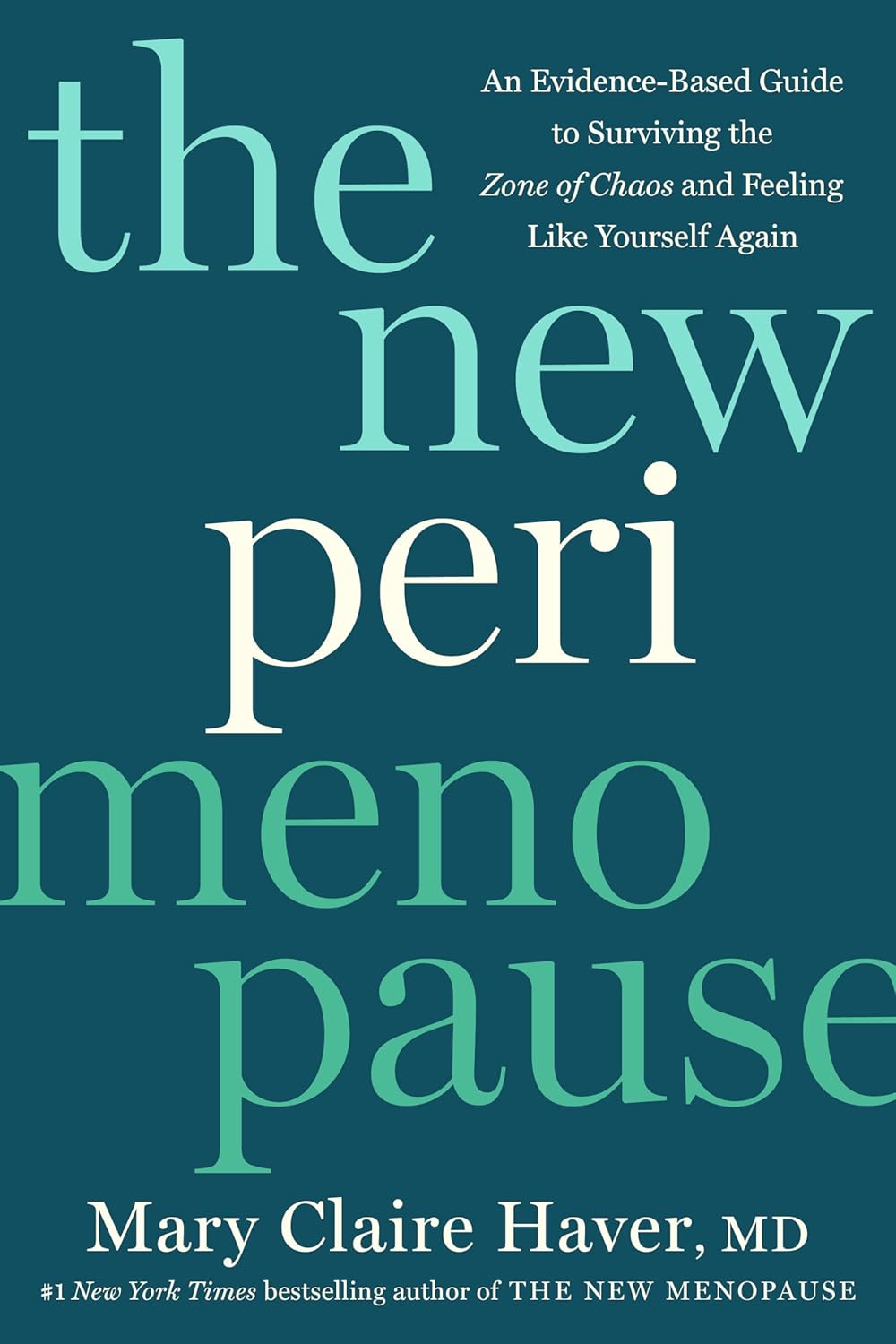
The New Perimenopause by Dr. Mary Claire Haver The companion to The New Menopause, released in 2026, this book addresses the transition years before periods stop, a phase that can last seven to ten years and that most women enter without any preparation. It covers brain fog, sleep disruption, mood changes, and the physical shifts that arrive long before anyone uses the word menopause.
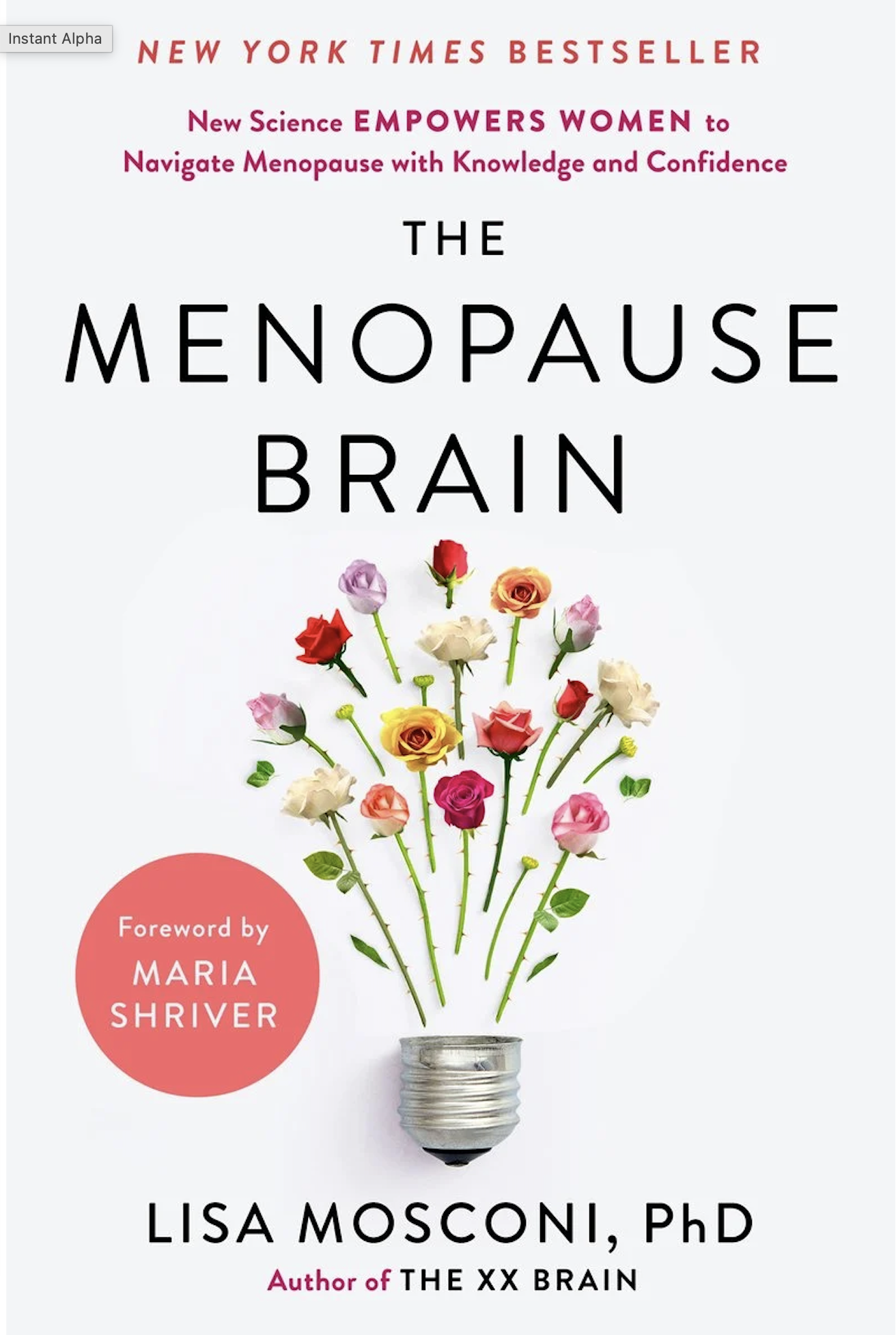
The Menopause Brain by Dr. Lisa Mosconi For any woman who has wondered whether the anxiety, brain fog, or mood shifts she is experiencing are connected to her hormones, this book provides the neurological answer. Dr. Mosconi’s research into the relationship between estrogen and the brain is among the most important work being done in women’s health, and this book makes it accessible, actionable, and deeply reassuring.
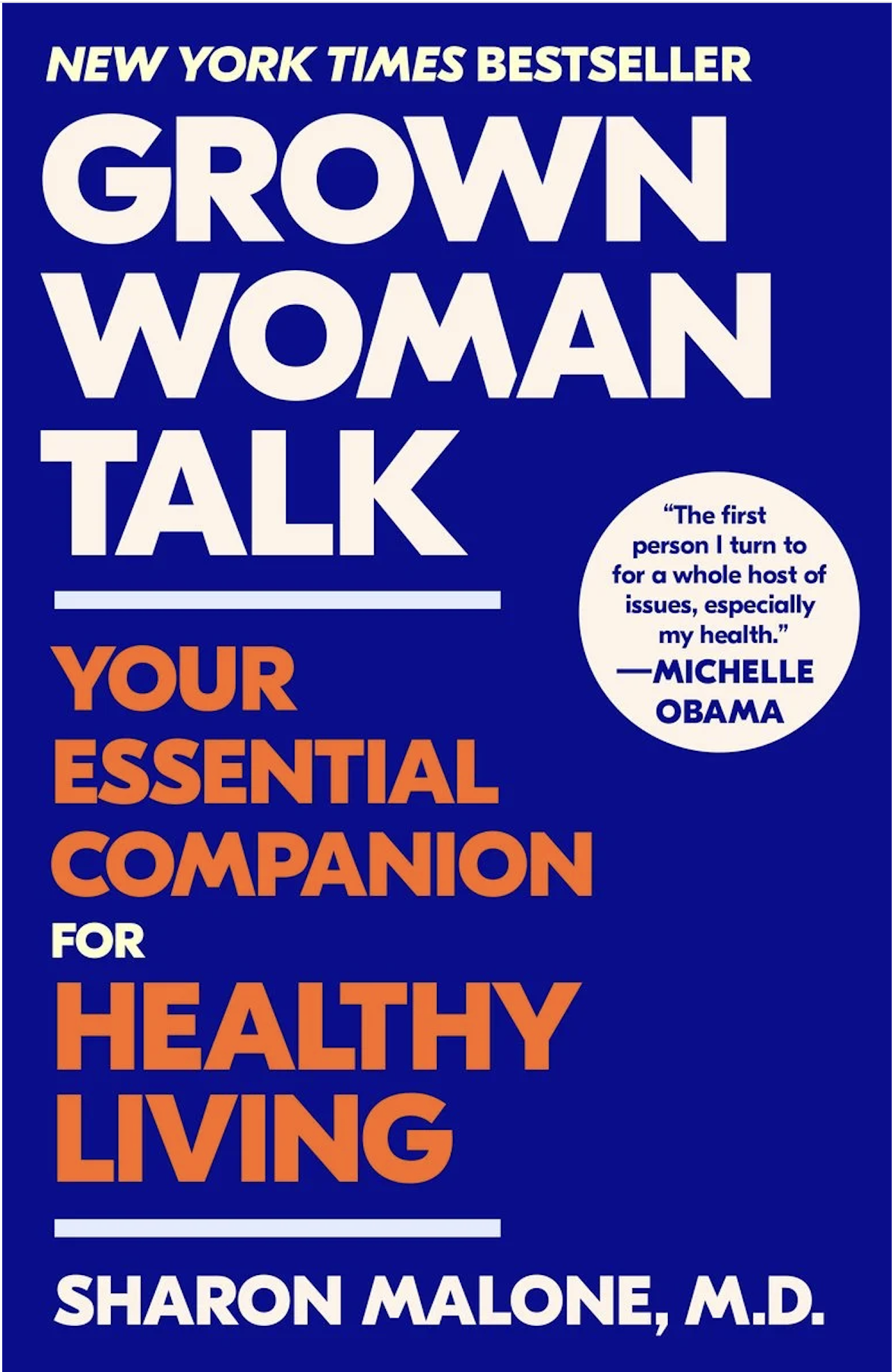
Grown Woman Talk by Dr. Sharon Malone Part medical memoir, part practical guide, this book brings together Dr. Malone’s thirty-plus years of practice as an OB-GYN with the specific and underserved perspective of Black women navigating menopause. It is one of the rare books that takes cultural context seriously as a genuine component of health care rather than an afterthought.
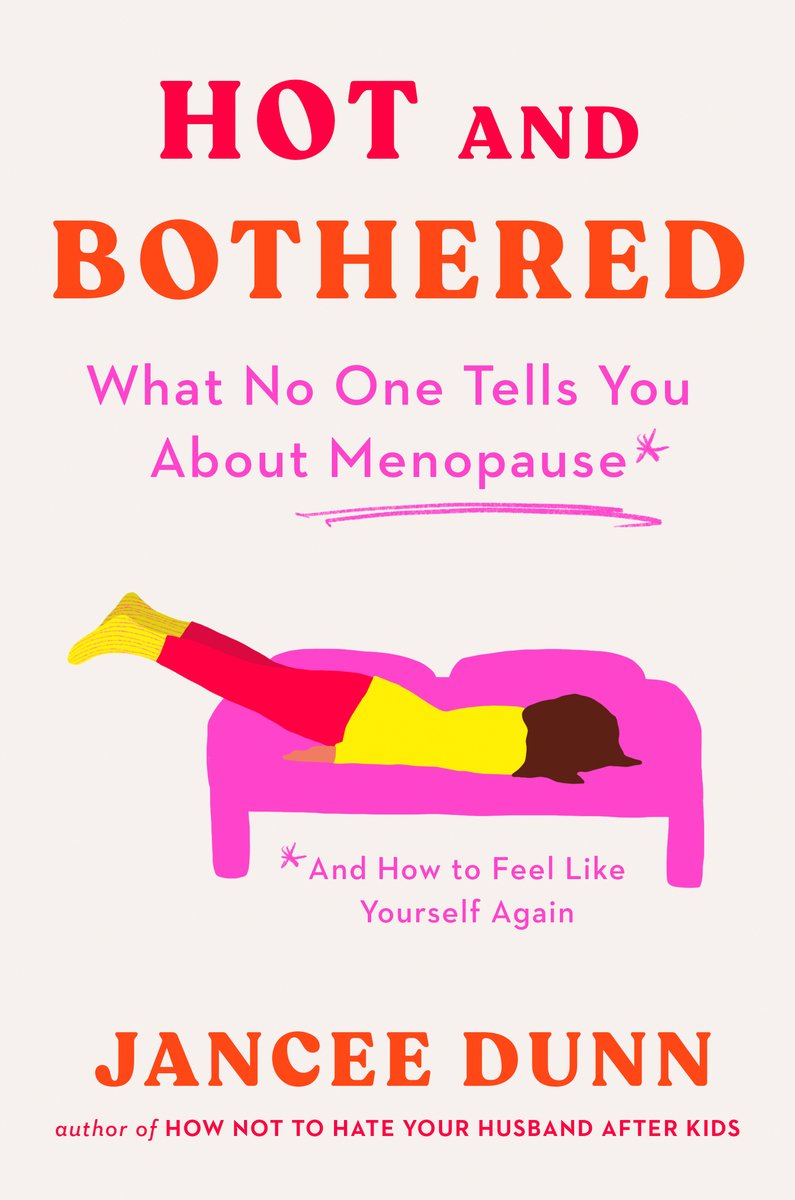
Hot and Bothered by Jancee Dunn This is the book for the woman who wants to understand what is happening to her body but also wants to feel less alone in the experience. Dunn writes from her own perimenopause journey with research, humor, and the kind of honesty that makes a reader feel genuinely recognized. It covers everything from hot flashes to hair loss to the ways the transition affects relationships and identity.
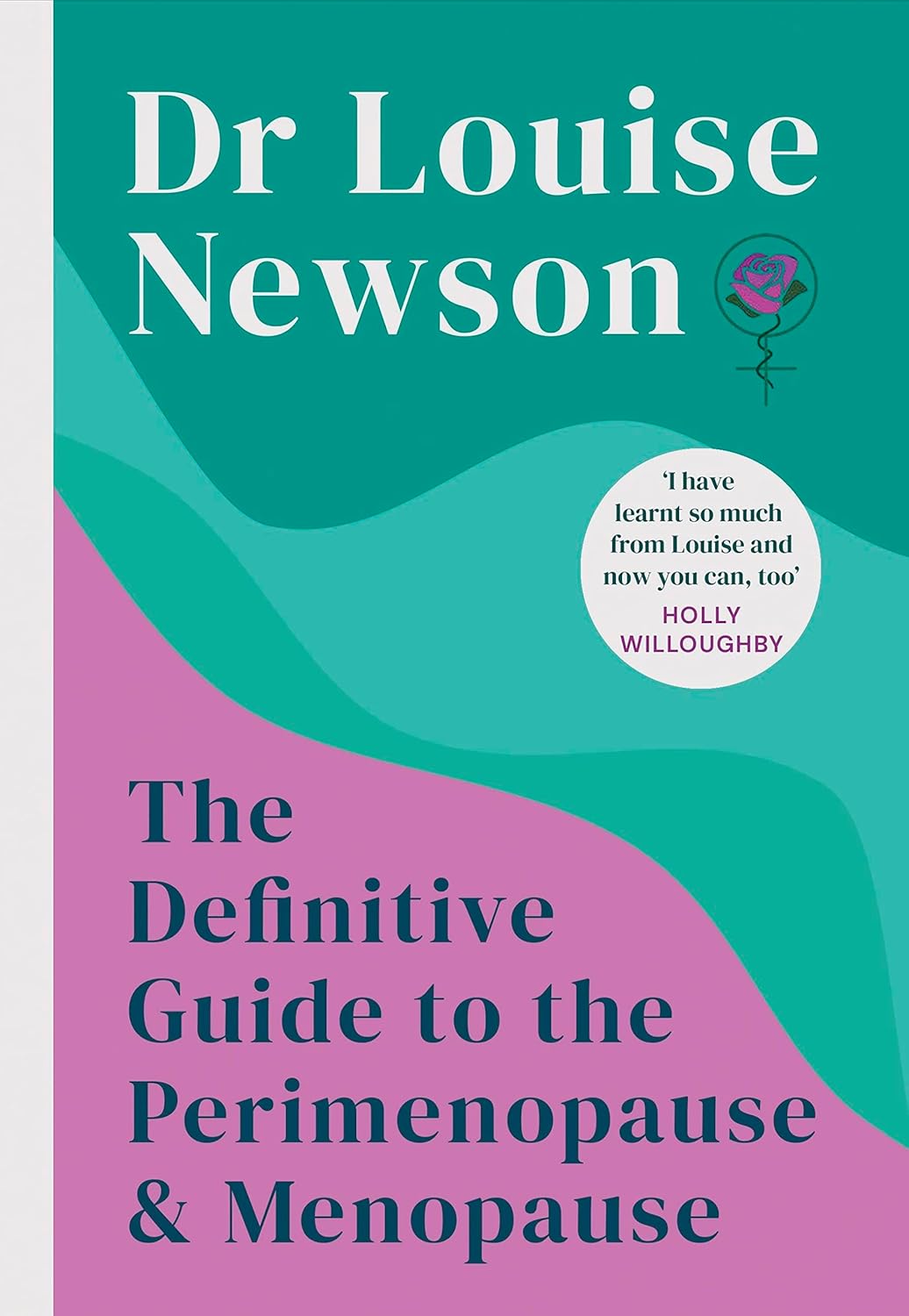
The Definitive Guide to Perimenopause and Menopause by Dr. Louise Newson Dr. Newson is one of the UK’s leading menopause specialists and this book reflects that depth of expertise. It covers not only the physical effects of the transition but also the impact on careers, relationships, and general wellbeing. For the woman who wants comprehensive, evidence-based information, this is the book to keep within reach.
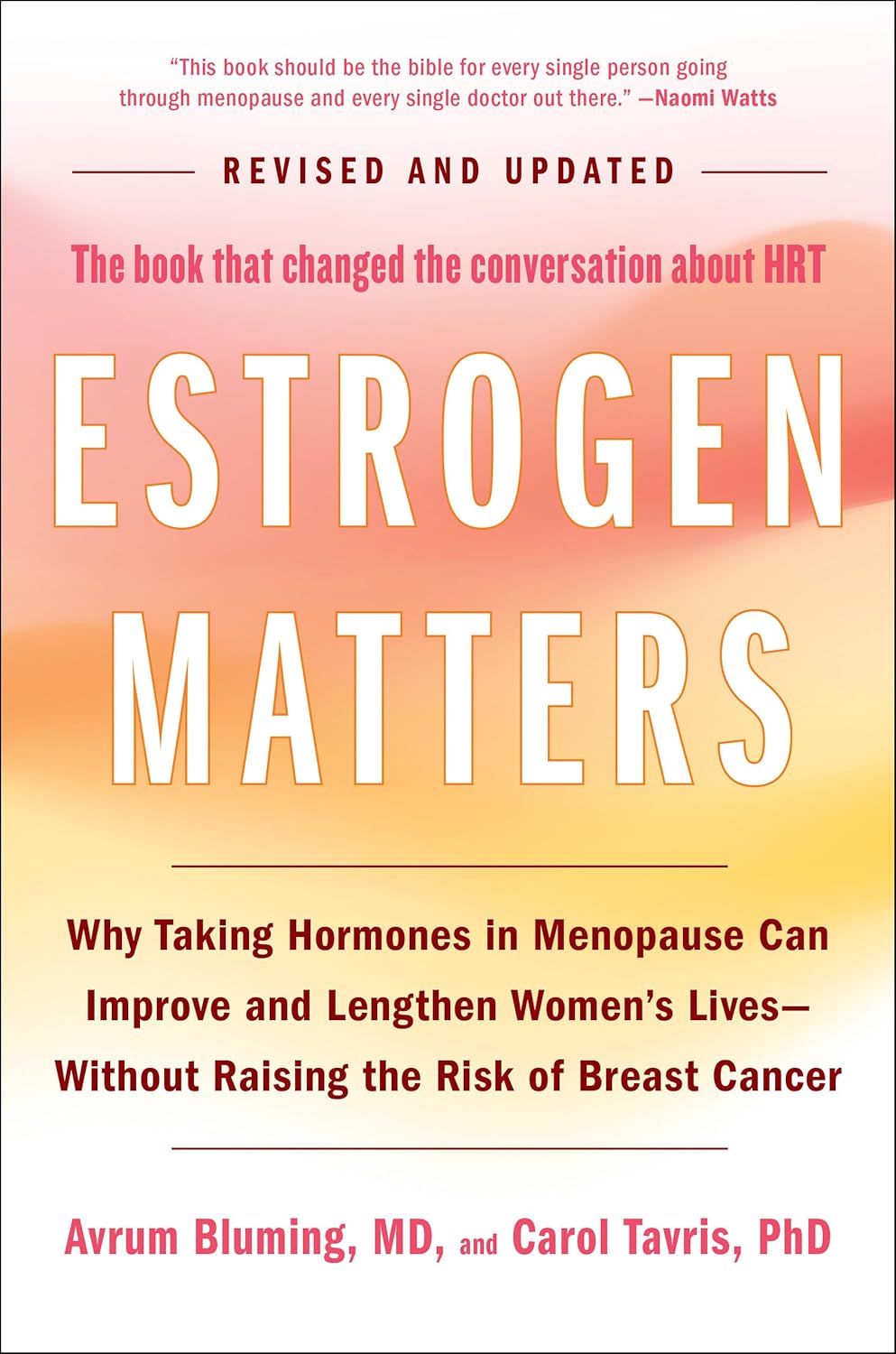
Estrogen Matters by Dr. Avrum Bluming and Carol Tavris For any woman who has been given conflicting information about hormone therapy and does not know what to believe, this book provides a clear, evidence-based examination of the research. It addresses the misinformation that has surrounded hormone replacement therapy for decades and gives women the information they need to have an honest conversation with their doctor.
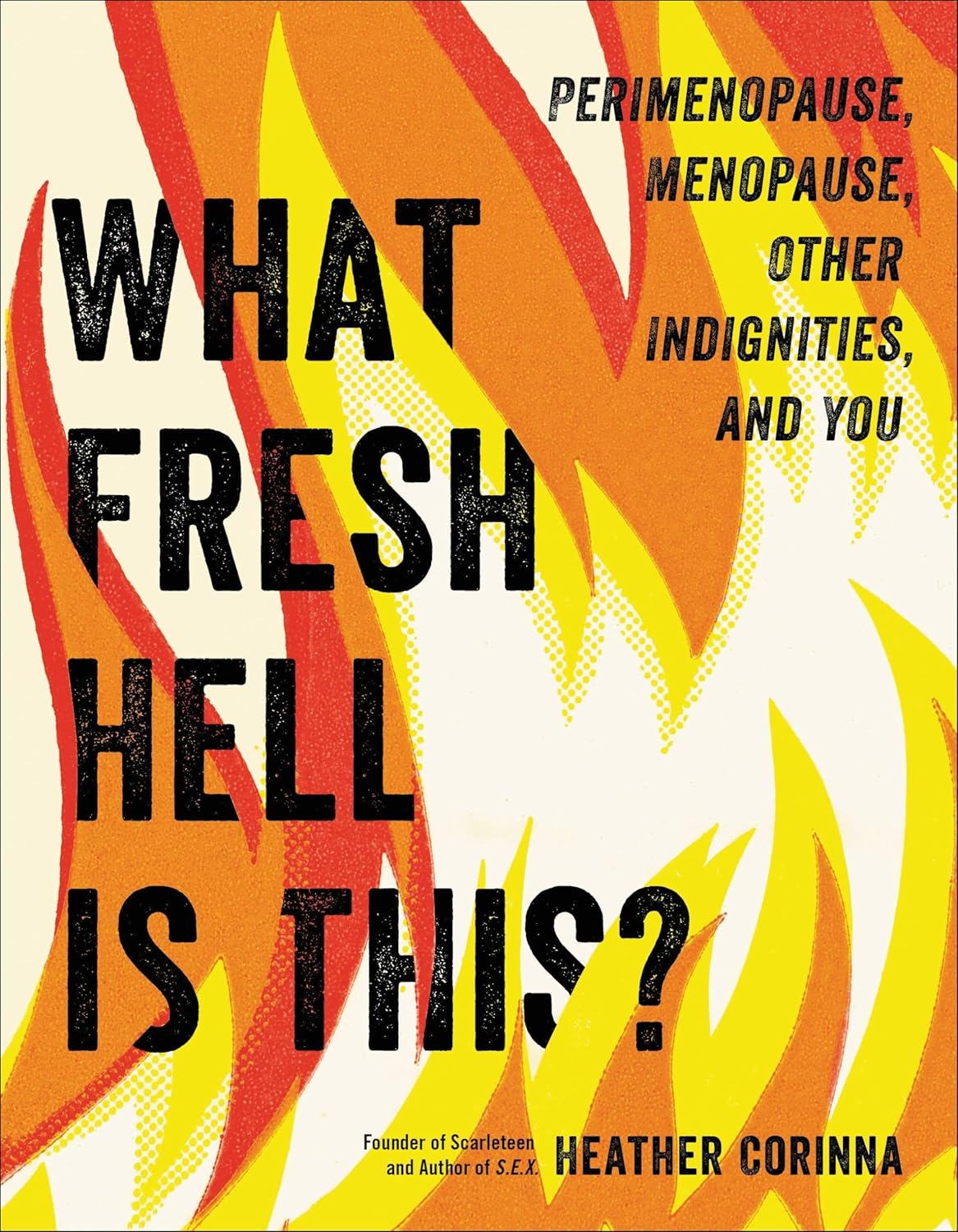
What Fresh Hell Is This? by Heather Corinna This book belongs on the list for its inclusivity and its refusal to flatten the menopause experience into a single narrative. Corinna writes for the women who have been left out of the mainstream conversation and brings a perspective that challenges what the transition is assumed to look like and who it is assumed to happen to.
“Nobody warns you about the day you sit in your car after a completely ordinary errand and cannot remember why you feel so unsettled.”
A Final Note
No book replaces a good doctor. And no two women move through this transition the same way. What works for one woman may not be what another needs, and the most important conversation you can have is still the one with a physician who takes your symptoms seriously and treats you as a whole person rather than a checklist of complaints.
But before that conversation, and sometimes in order to have it at all, you need to know what questions to ask. You need to know that what you are experiencing is real, that it has a name, and that there is a path through it that does not require you to simply push through and hope for the best.
These books exist because too many women spent too long being told that what they were feeling was normal without anyone explaining what normal actually meant or what could be done about it. They exist because the silence around this transition has cost women years of unnecessary confusion, misdiagnosis, and suffering that better information could have prevented.
You deserve the information. You deserve the conversation. And you deserve to move through this chapter of your life knowing exactly what your body is doing and why.
The conversation was overdue. These books are part of it. And now, finally, it is happening.