Imperfect Women, the new Apple TV+ series created by Annie Weisman and based on the novel by Araminta Hall, presents itself as a thriller: one woman dies, two friends remain, and the story begins to reconstruct itself through conflicting versions.
But the crime is almost a distraction. What truly matters is the relationship. Elisabeth Moss, Kerry Washington and Kate Mara inhabit characters not designed to be immediately understood, but to be observed in their contradictions. The series does not build tension around what happened that night, but around something more unsettling: the suspicion that even before the death, nothing was ever entirely clear.
Not a thriller. A dissection.
Author: Claudia Valdez
Truth is not singular
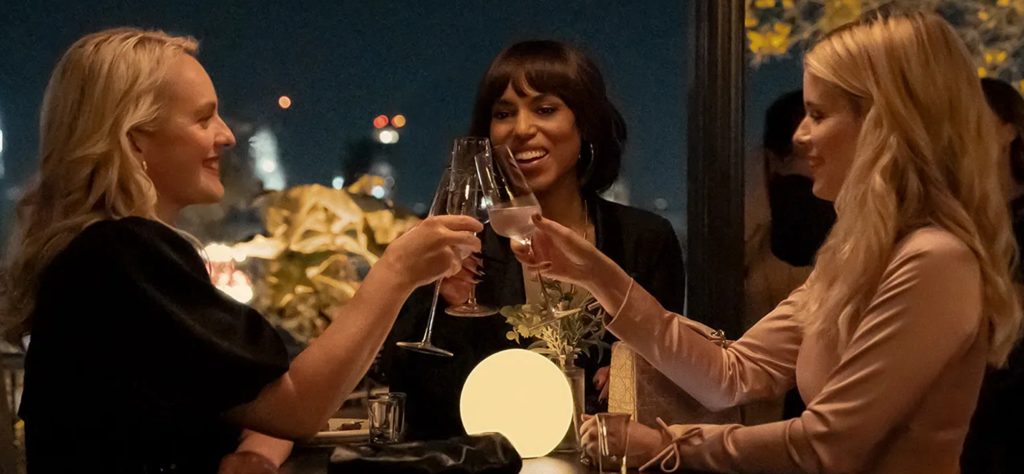
As the narrative unfolds, it becomes evident that each of these women held a different version of the same friendship. Not necessarily because they were lying, but because perception itself can function as a form of fiction. What one experienced as closeness, another perceived as intrusion; what one defined as loyalty, another felt as an expectation impossible to sustain. There is no clean betrayal that explains the fracture. There is accumulation. And that accumulation, built from small gestures, lingering comments and strategic silences, is far more difficult to identify and, for that reason, far more difficult to ignore.
“Closeness does not always imply honesty; sometimes, it simply holds together different versions of the same story.”
Falsehood is not always a lie
The series operates within a space rarely portrayed with this level of precision: that of sophisticated falsehood. Not the obvious kind, not the one that can be easily confronted, but the one constructed through omission, partial truths and carefully edited versions of reality that allow everything to continue functioning. No one is fully lying, but no one is fully honest either. And it is within that ambiguity that relationships sustain themselves until they no longer can.
The weight of time
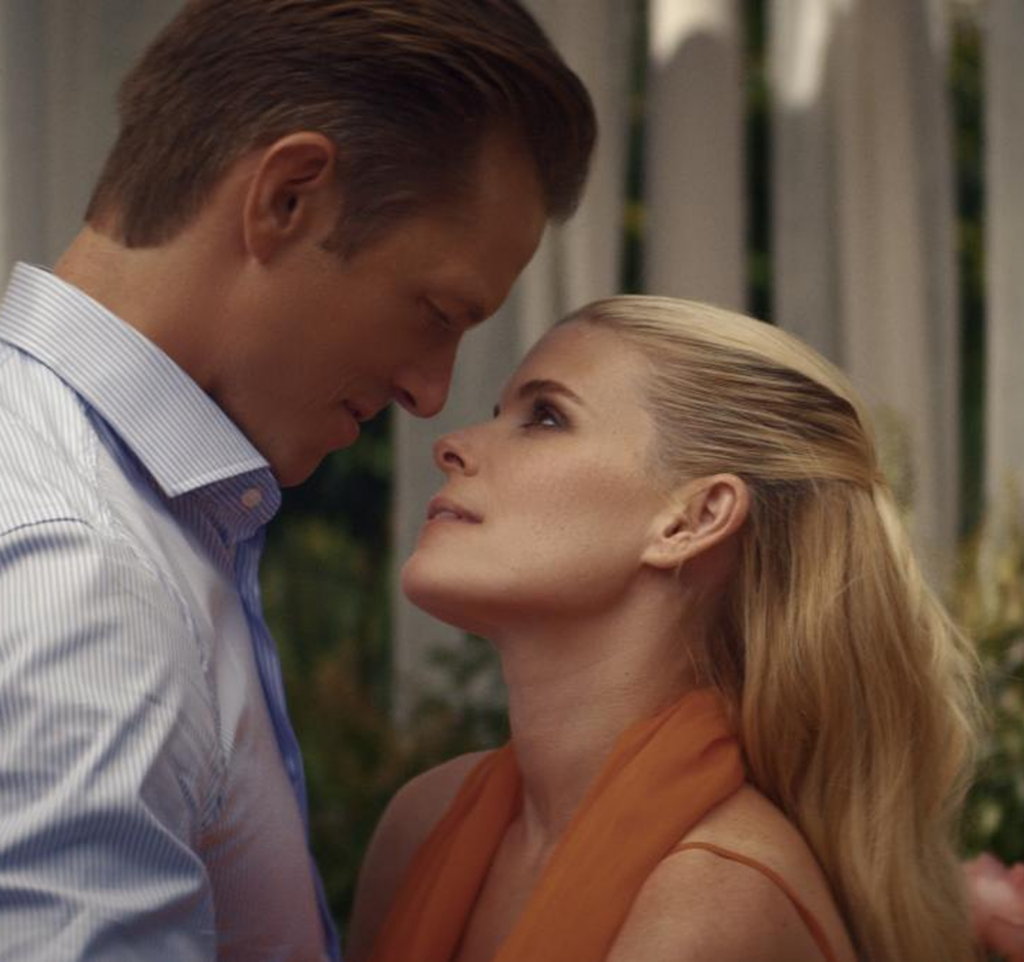
There is another layer that cannot be ignored: time does not necessarily strengthen a friendship. Sometimes, it simply prolongs it. These women’s lives stopped moving in parallel long ago, yet the relationship continued, held together more by shared history than by any real alignment in the present. This is one of the most uncomfortable ideas the series presents: that some bonds persist not because they remain honest, but because they have existed for too long to be easily questioned.
More real than it is comfortable to admit
Imperfect Women does not attempt to dismantle female friendship or reduce it to cynicism. What it does instead is more precise, and more daring: it introduces nuance where simplification is usually preferred. Not all relationships function this way, but the ones that do are rarely acknowledged with clarity. It is easier to maintain the idea of closeness than to confront the discomfort of a relationship that is no longer entirely transparent.
“It is not betrayal that breaks these friendships, but the silent accumulation of everything that was never fully said.”
The crime is secondary
For that reason, the murder ultimately matters less than it seems. Not because it loses narrative weight, but because it ceases to be the emotional center of the story. What becomes truly disturbing is not who did what, but what kind of relationship could exist within that level of ambiguity. The series offers no clear answers and makes no attempt to resolve the discomfort. What it leaves behind is something more persistent: the sense of having witnessed something rarely articulated, yet impossible to ignore once recognized.
What remains
Imperfect Women does not unsettle because of what it shows, but because of what it reveals with unsettling precision. That even the closest relationships can be built on different versions of the same story. And that when those versions finally collide, what breaks is not always the friendship. Sometimes, it is the idea of it.