It’s no secret: TikTok has changed the way we discover beauty. Popular products —or hype, as Gen Z calls them— can become essentials in a routine within minutes. And the truth is, what once required research and recommendation now appears almost instantly in our feed, driven by an algorithm that seems to understand our preferences better than we do.
But that same speed also acts as a filter. Because while the industry once built icons meant to last beyond a single season, it now operates under a different logic: virality. Constant appearance, immediate replacement, and increasingly fragile permanence. Is TikTok really creating beauty trends, or simply accelerating the way we consume?
Looking at how this conversation has evolved between 2024 and 2026, that question begins to fall short. It’s no longer just about which product goes viral. It’s about how long it manages to stay relevant.
Author: aNDREA BAU
From permanence to virality on TikTok
For years, the beauty industry was built on repetition. A product didn’t become iconic just by appearing. It had to stay. Everything worked as a cycle of consolidation: consistent use, recommendation, validation, and eventually, iconic status. Aspiration wasn’t immediate—it was built and sustained. And over time, it embedded itself not just in routines, but in culture. Think of Chanel No. 5, the Terracotta Bronzing Powder by Guerlain, or the Advanced Night Repair Serum by Estée Lauder. Icons that didn’t come from the moment, but from permanence.
It’s no longer just about which product goes viral. It’s about how long it manages to stay relevant.
Today, that logic no longer applies. Popularity is no longer the result of permanence, but of constant exposure. A product can appear everywhere at once, dominate the conversation for days, and disappear just as quickly as it arrived.
Take the Lash Sensational Sky High Mascara by Maybelline. For months, it was THE mascara of the moment. It was in every video, every routine and in every comment section. Until it simply stopped occupying that space. Not because it stopped working, but because something new took its place.
Aesthetic as a starting point
2024 marked a turning point. It didn’t just transform virality in beauty, it changed how products enter—and exit—the conversation. Attention was no longer centered on what to buy, but on how to apply it and adapt it to the trend of the moment. Specifically, the clean aesthetic. An aesthetic that began to define not only how skin looked, but how the industry was consumed. More than icons, what dominated was the repetition of a shared visual language.
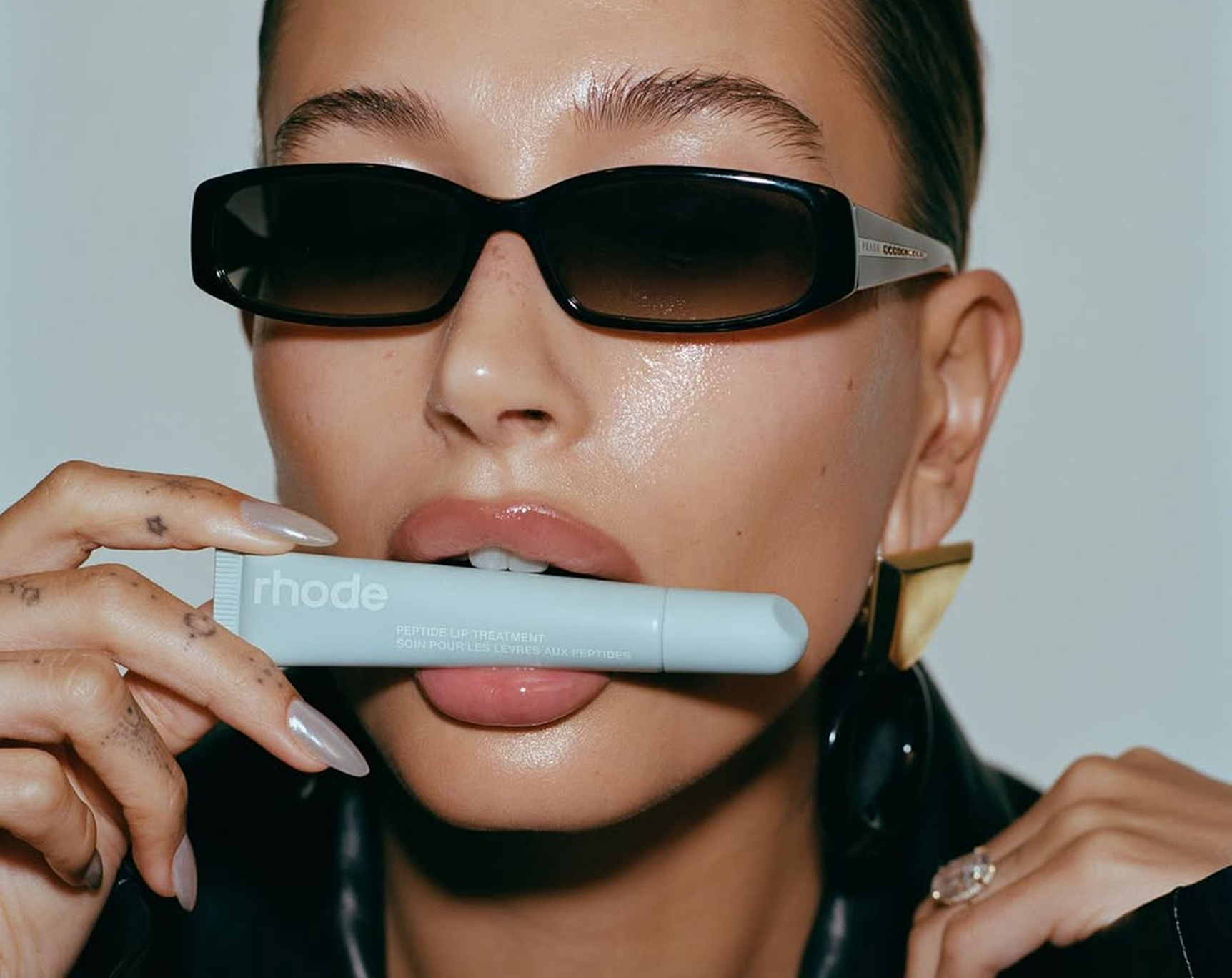
Think of the Peptide Lip Treatment by Rhode, which became part of a very specific visual narrative: hydrated lips, luminous skin, natural finish. It wasn’t just a product, it was a gesture within an aesthetic. TikTok didn’t create it, but it reinterpreted it—placing it within the “clean girl” universe and giving it a new role in the conversation. What made it powerful? It wasn’t an icon; Hailey Bieber’s product became an object of desire.
TikTok and the new way of launching products
By 2025, the shift was already evident. The industry had transformed, and brands were already responding to the speed of the conversation—adapting to specific trends and an increasingly immediate way of engaging with beauty. The intention to create icons was still there. What changed was the time they were given to become one. The Benetint Lip & Cheek Tint by Benefit and the FlexStyle by Shark were no longer random launches; they were gestures designed to dominate virality.
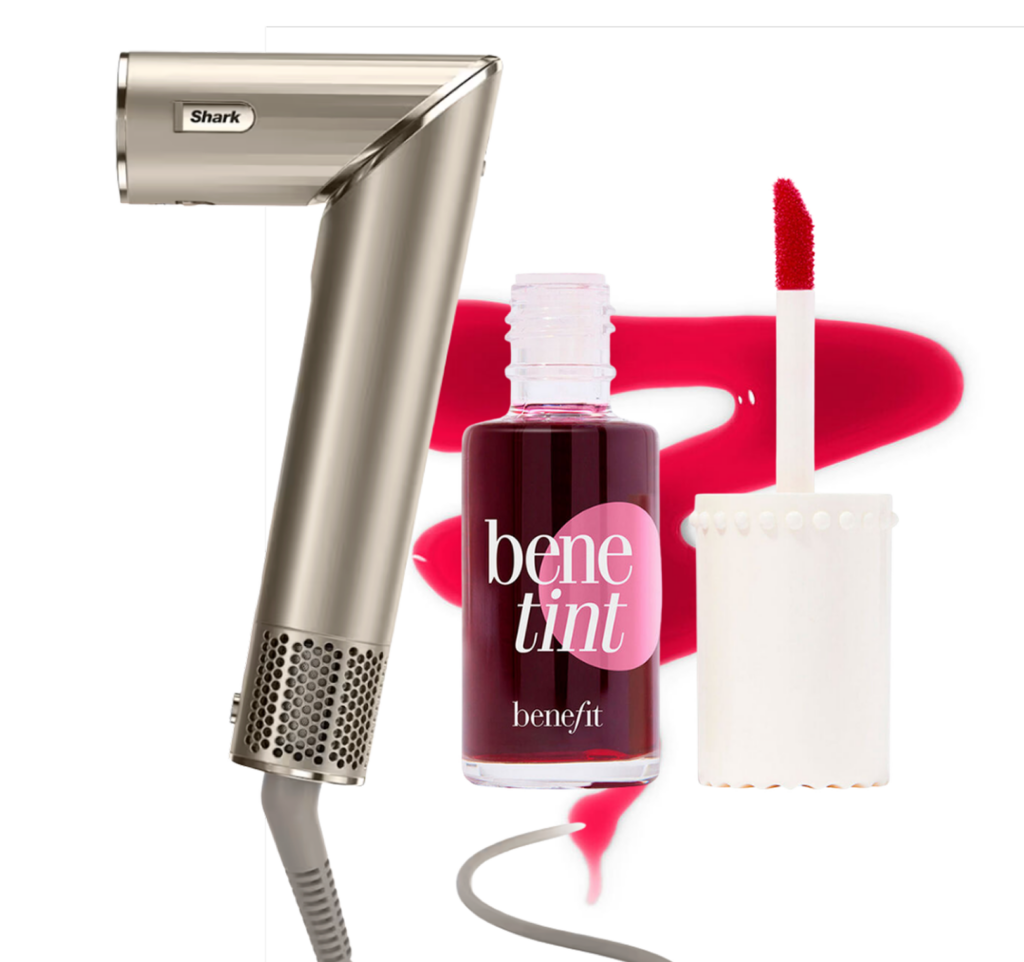
And the algorithm understood it too. The feed—at least for beauty consumers—became a kind of real-time shopping cart. A space that came to be known as BeautyTok, where discovering, validating, and purchasing happen almost simultaneously. Brands like Tocobo, Laneige, and e.l.f. Cosmetics began appearing over and over again. Not necessarily because of a single product, but because of their ability to insert themselves into trends and aesthetics.
2026: fragmented virality
But the expansion of virality opened another door: one where classics also had a place within the algorithm. The Aquaphor Healing Ointment by Eucerin, the Foaming Cleanser by CeraVe or the el Glycolic Acid 7% Toning Solution by The Ordinary, basic, everyday products, began to take part in the conversation. What once went unnoticed became part of the discourse. It was no longer just about novelty, but about visibility.
That shift marked a clear statement: there is no longer a single product dominating the algorithm. Now, many exist at once. Similar yet different; contradictory yet equally relevant. They all coexist within the same space. A serum might trend in one feed, while in another, it’s a blush or a hair tool. Virality is no longer concentrated. It’s distributed and personalized. And for brands, that’s gold.
And in a moment where everything competes for attention, timing is everything.
Talking about the algorithm is talking about timing
Virality didn’t eliminate icons. It changed how they are built.
And that’s where the real shift lies. It’s not about products no longer working or being good; because most of them are. It’s about how they move within a system, driven by platforms like TikTok, that prioritizes visibility over permanence. In the end, it’s not about lasting. It’s about timing. And in a moment where everything competes for attention, timing is everything.