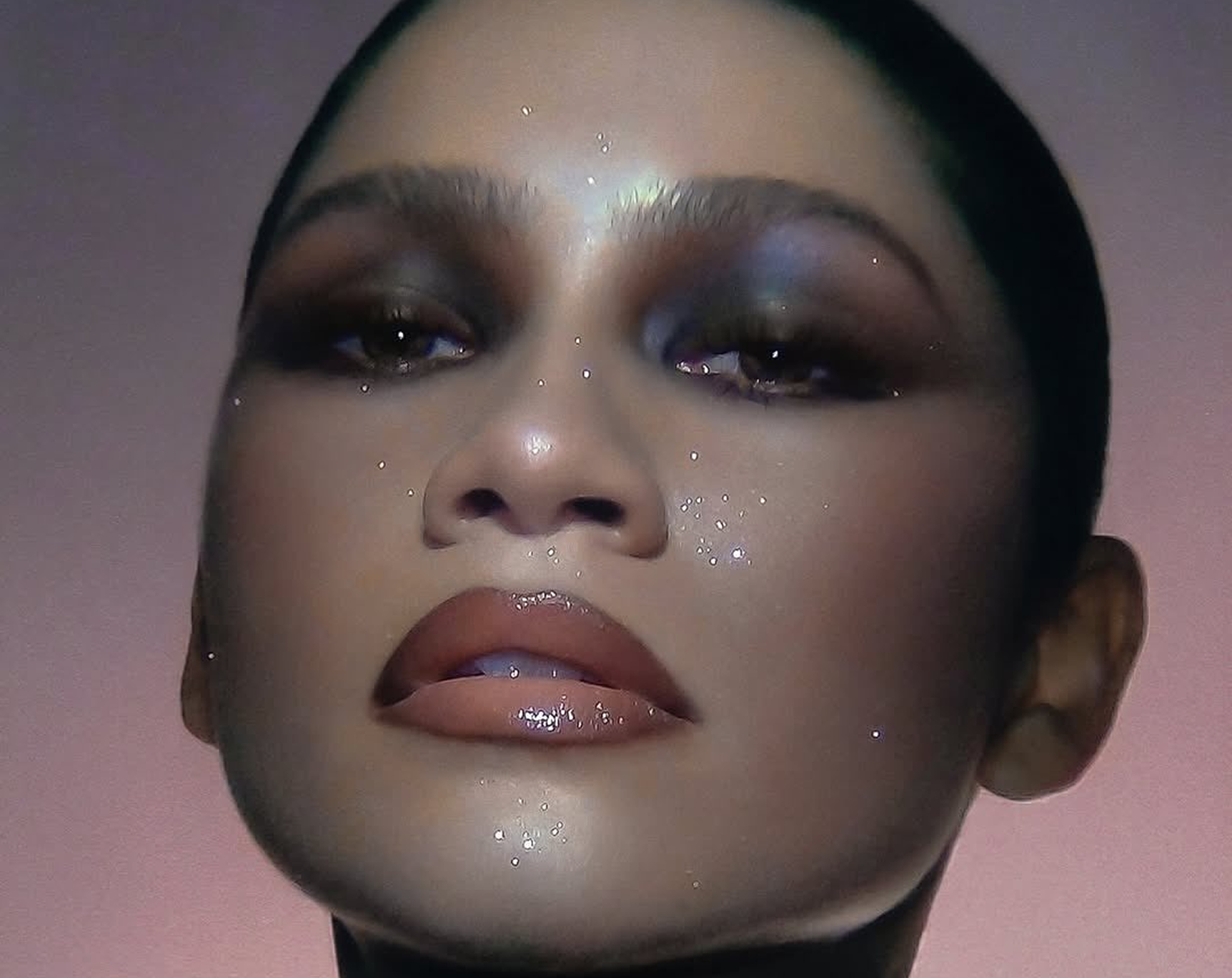
For years, the clean aesthetic has dominated beauty trends and visual restraint, defining an era of silent perfection. In 2026, however, that narrative begins to lose its hold, giving way to a more evident collective desire: to experience makeup once again as a space for expression, play, and above all, presence.
After nearly half a decade shaped by invisibility as an ideal, skincare understood as discipline, and constant correction, the idea of pausing the clean philosophy feels increasingly appealing. In its place, a more expressive and emotional approach to beauty enters the spotlight; one where color, texture, and shine reclaim their power to communicate.
Author: aNDREA BAU
a more expressive and emotional approach to beauty enters the spotlight, one where color, texture, and shine reclaim their power to communicate.
The End of the Clean Look as a Beauty Ideal
Clean makeup did not emerge by chance. Its rise between 2019 and 2020 coincided with a period of collective isolation, when polished skin, careful grooming, and barely-there finishes functioned as extensions of self-control. In a climate shaped by confinement and anxiety, the clean aesthetic offered a quiet promise: order, routine, and stability through beauty rituals.
Over time, however, that same aesthetic shifted from suggesting control to enforcing it. Constant correction and invisibility as an ideal left little room for personal expression, pushing makeup away from its playful dimension. Today, the clean girl look does not disappear, but it no longer sits at the center of the conversation, making space for new ways of understanding beauty.
From Minimalism to Expression
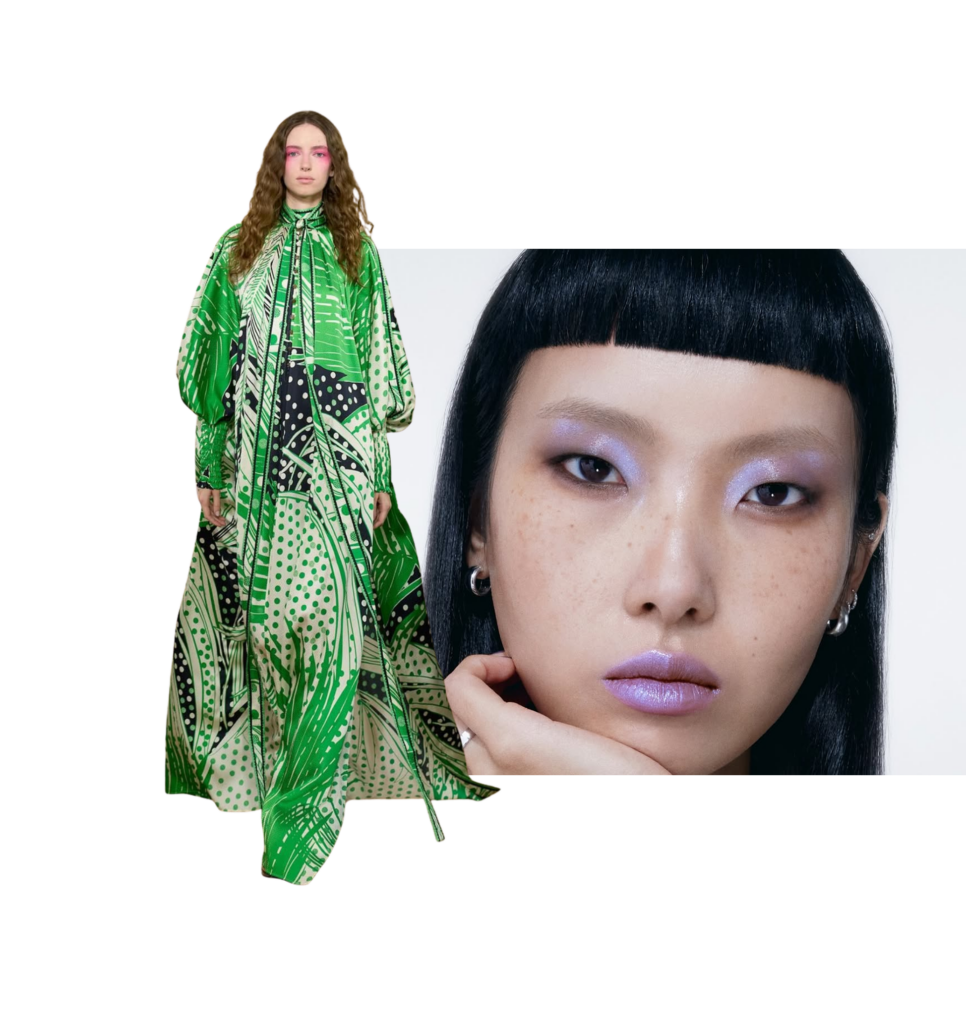
In practice, this shift becomes evident in how makeup is used today. Social media plays a key role: once vitrines of perfection, platforms have become spaces for experimentation, where error, trial, and reinterpretation are part of the process. Makeup is explored in real time—it adapts, exaggerates, and redefines itself, moving away from polished finishes as the only aspiration.
Extra-pink blush worn visibly on the cheeks, blue and purple eyeshadows stepping out of their accent role to become the focal point, and liners that embrace color without restraint. Makeup stops blending into the skin and begins to converse with it.
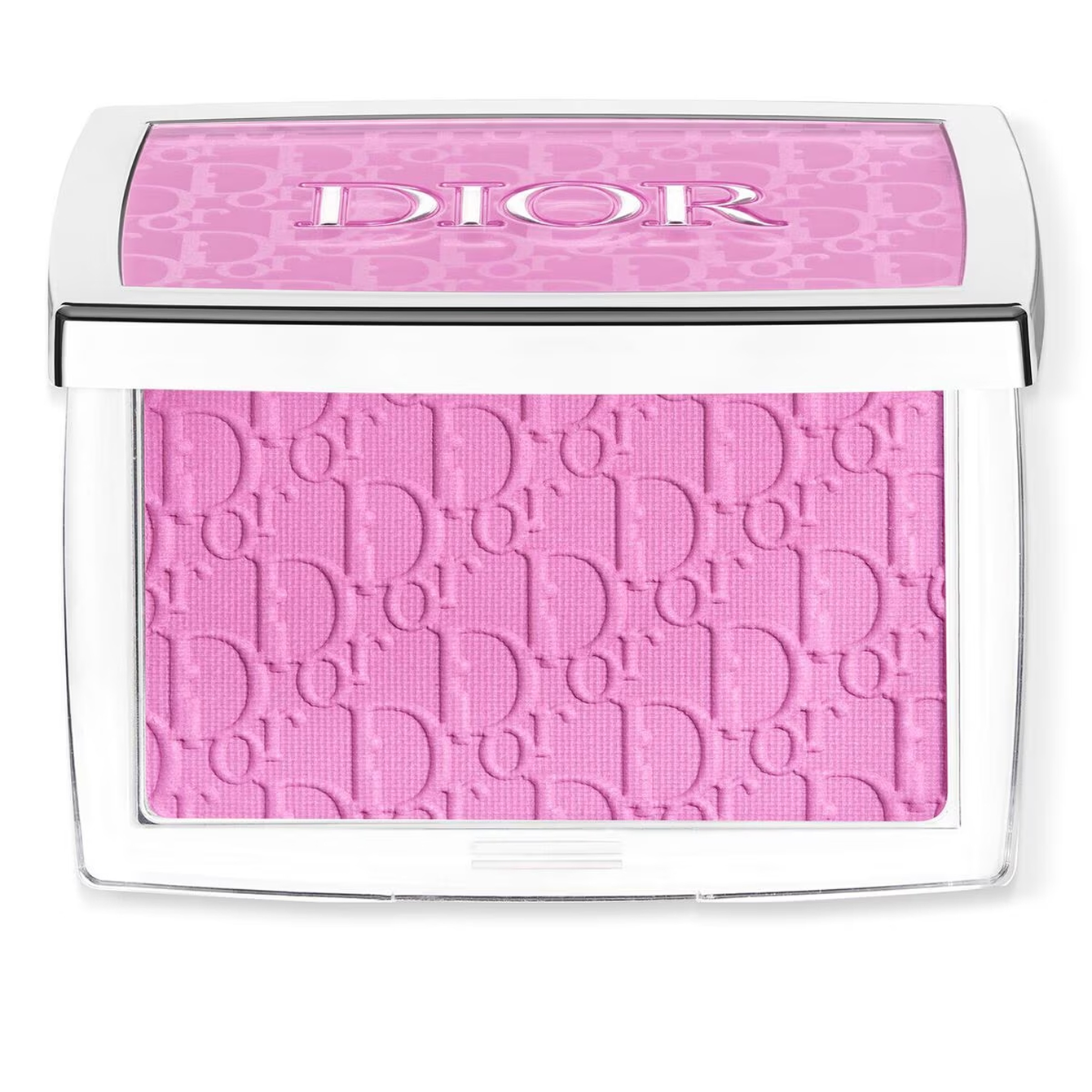
1. Rosy Glow Pink Blush; by Dior Backstage.
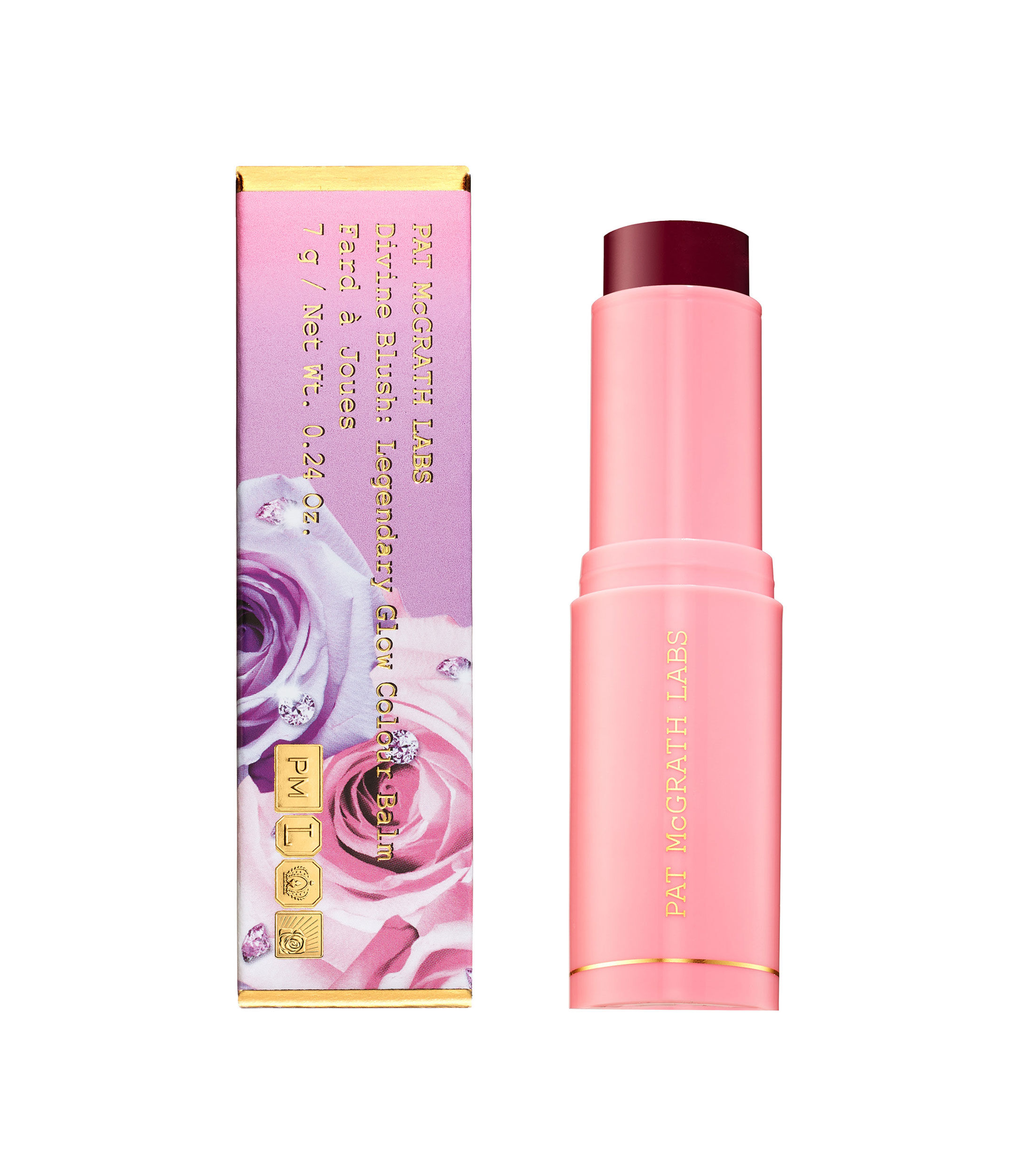
2. Divine Blush; by Pat Mcgrath Labs.
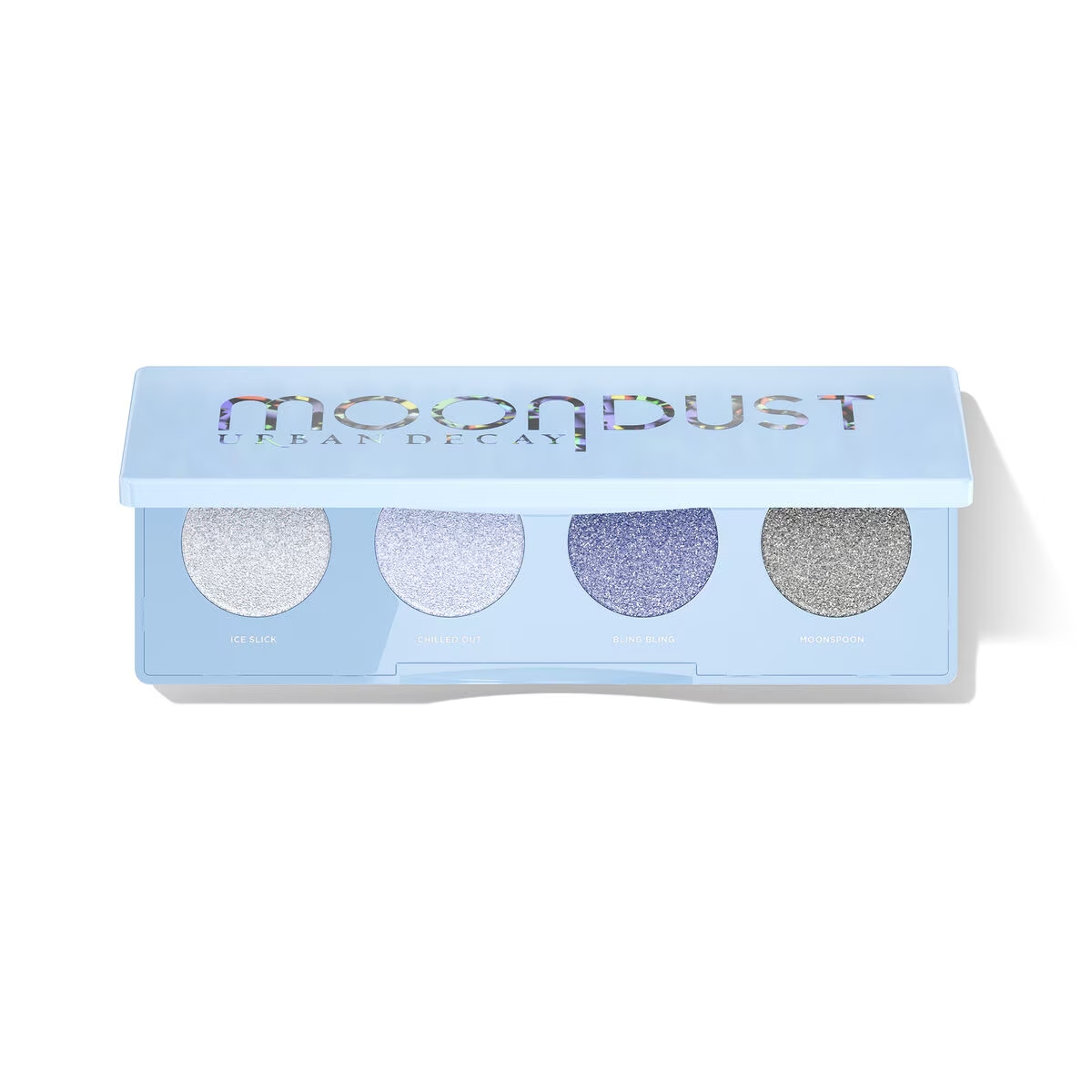
3. Moondust Ice Out Quad; by Urban Decay Cosmetics.
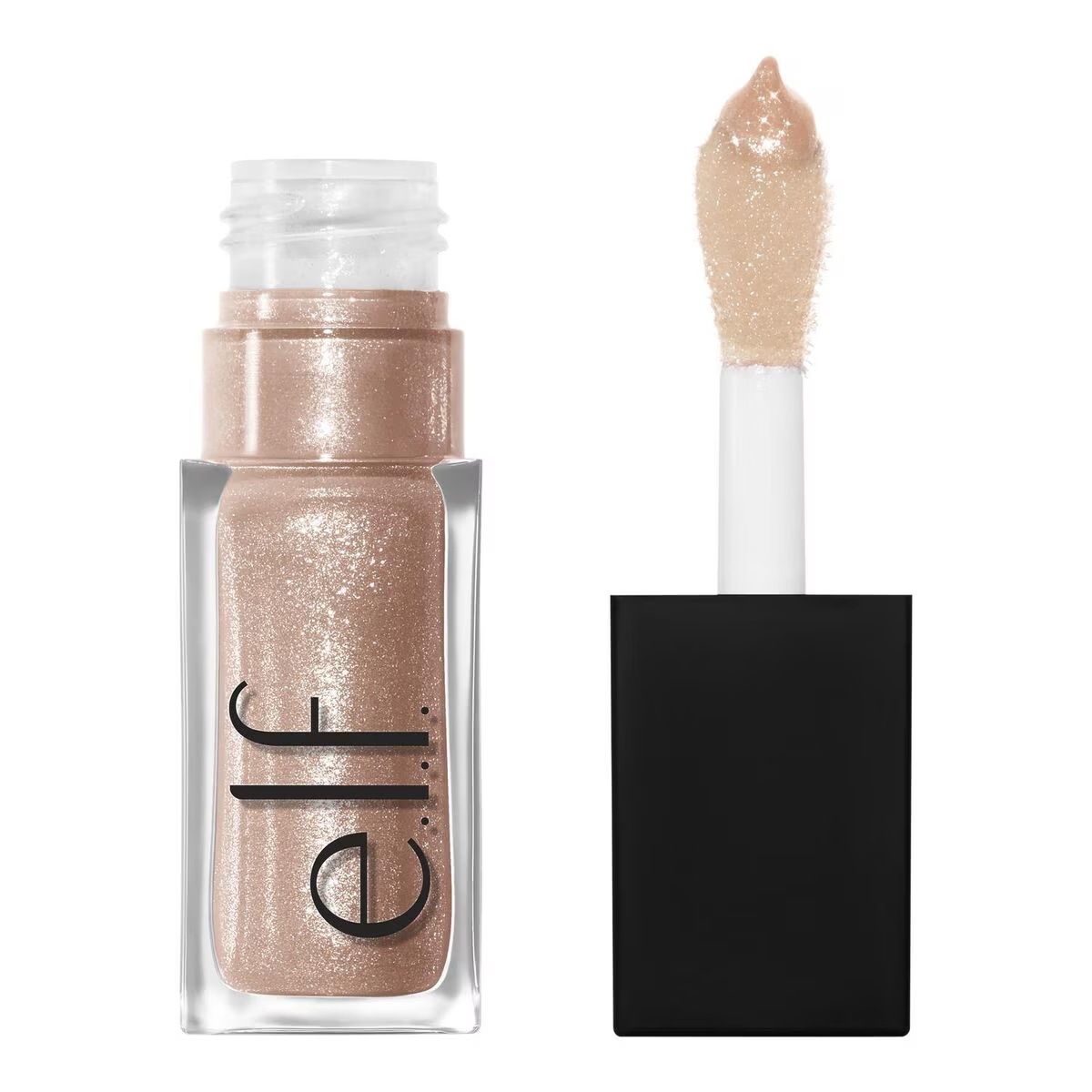
4. Glow Reviver Lip Oil Glimmer; by E.L.F Cosmetics.
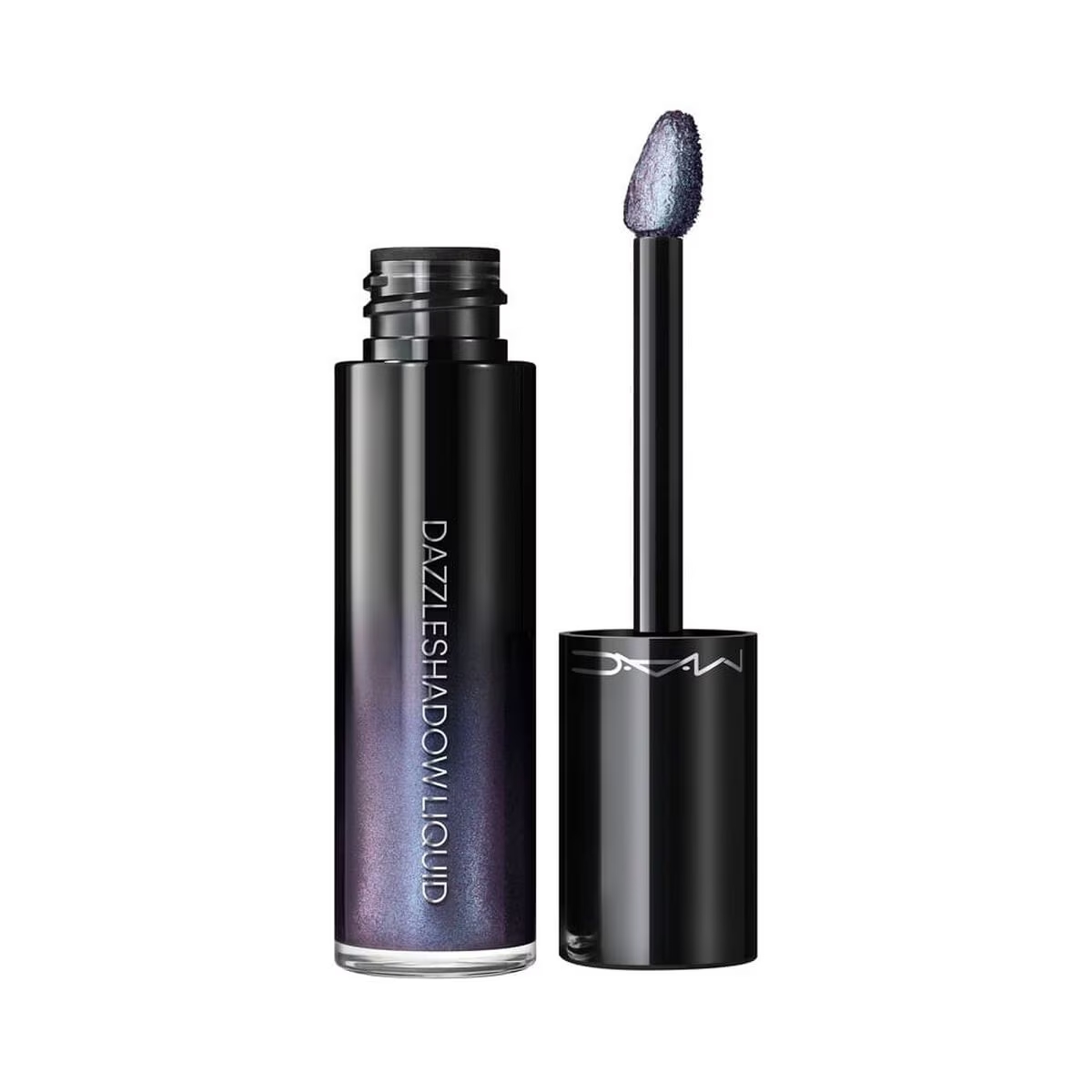
5. M·A·C Dazzleshadow Liquid Eye Shadow; by MAC Cosmetics.
In 2026, beauty becomes more plural, more flexible, and less prescriptive.
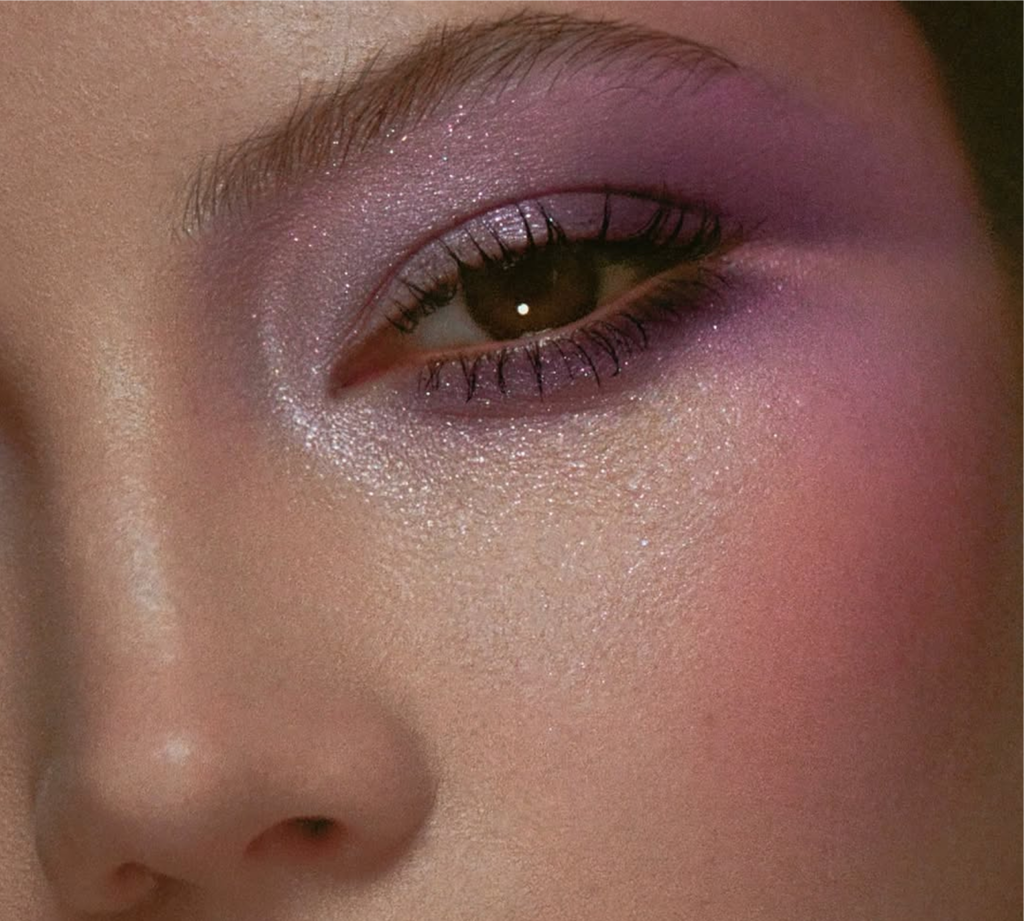
When Color Regains Intention
More than a passing trend, this return to color, texture, and shine speaks to a deeper shift in how we relate to beauty. In 2026, a year marked by openings and new beginnings, makeup becomes a tool for personal exploration, freer from rigid rules and more closely tied to the desire to experiment.
This movement is not about looking back or replicating past codes. It reflects a more contemporary way of understanding makeup, one that is intuitive, emotional, and intentional. Color, texture, and shine return not as references, but as a language of their own, shaped by a present in which beauty is lived with purpose.
EDITORIAL CONCLUSION
The displacement of the clean girl aesthetic is not a cancellation, but an expansion of beauty’s language. Clean, polished, and minimal approaches continue to exist, yet they no longer operate as the sole norm or aspiration. In 2026, beauty becomes more plural, more flexible, and less prescriptive.
Makeup moves away from fixed rules and regains its ability to adapt to intention, context, and the person wearing it. A form of beauty that does not impose, but accompanies.