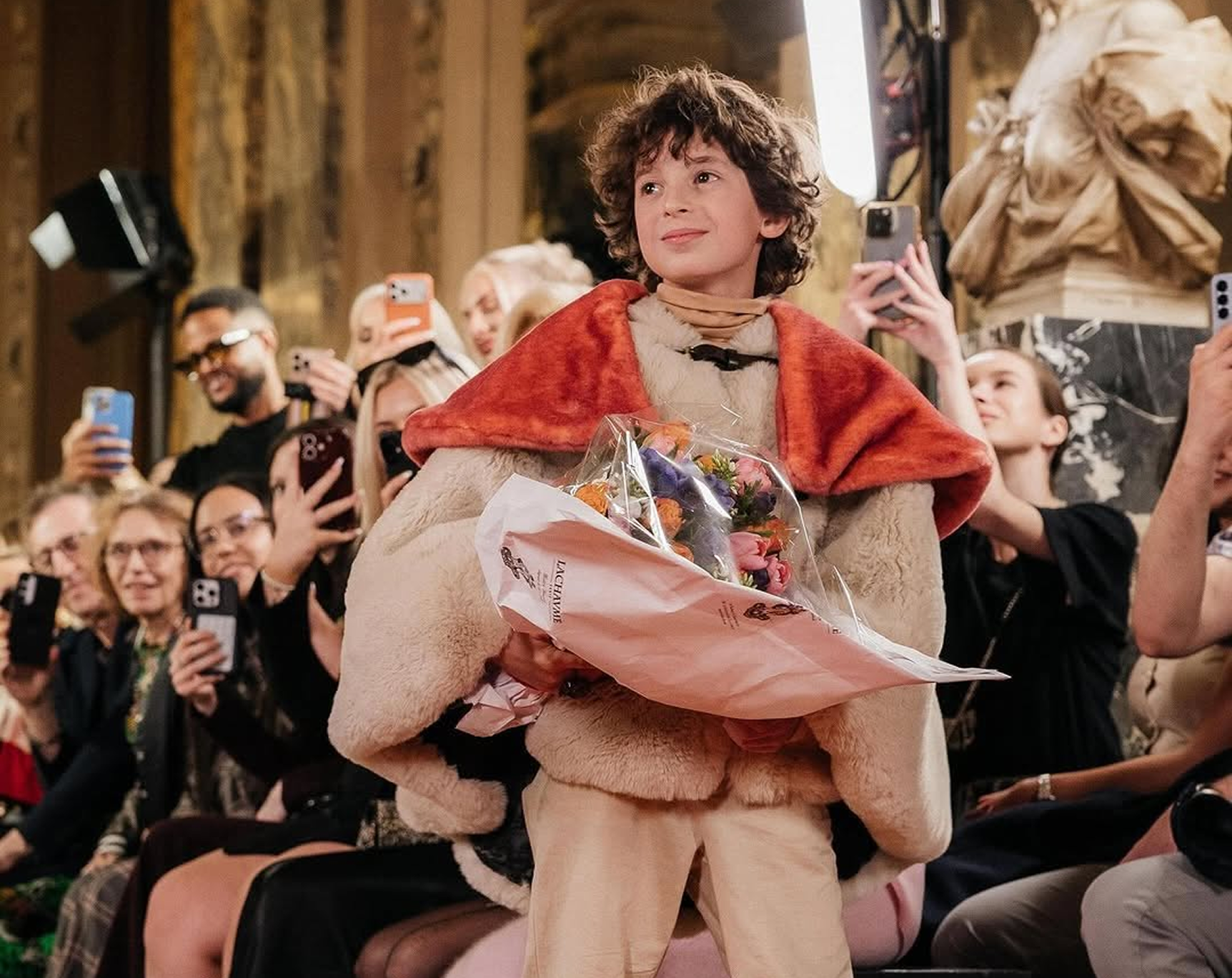
In an industry built on trajectory, tradition and hierarchies, Max Alexander’s innate sensitivity to design finds its place at Paris Fashion Week 2026. At just ten years old, his presence does more than surprise: it disrupts. It is not only his age that impresses, but the way he has entered the fashion industry.
Typically, the early years are devoted to training. Gaining validation takes time, and knocking on doors is part of the process. Alexander’s path was different: he did not go through fashion schools or internships, nor did he rely on the approval of editors or stylists. Social media opened his way, bringing audiences into the journey from process to final result.
Amid the attention surrounding him, one thing remains constant: he is still a child, living a “normal” childhood while his professional identity begins to take shape.
Author: FERNANDA MERINO
The origin: Talent that doesn’t ask for permission
At four years old, in his home in Los Angeles, California, Max Alexander declared his desire to become a fashion designer.
It was no coincidence. Artistic creativity had always been part of his everyday life, largely influenced by his mother, artist Sherri Madison. His fascination with figures such as Guccio Gucci emerged very early on (to the point of claiming he himself was the designer), as did his admiration for artists like Frida Kahlo and Vincent van Gogh, who became part of his creative imagination.
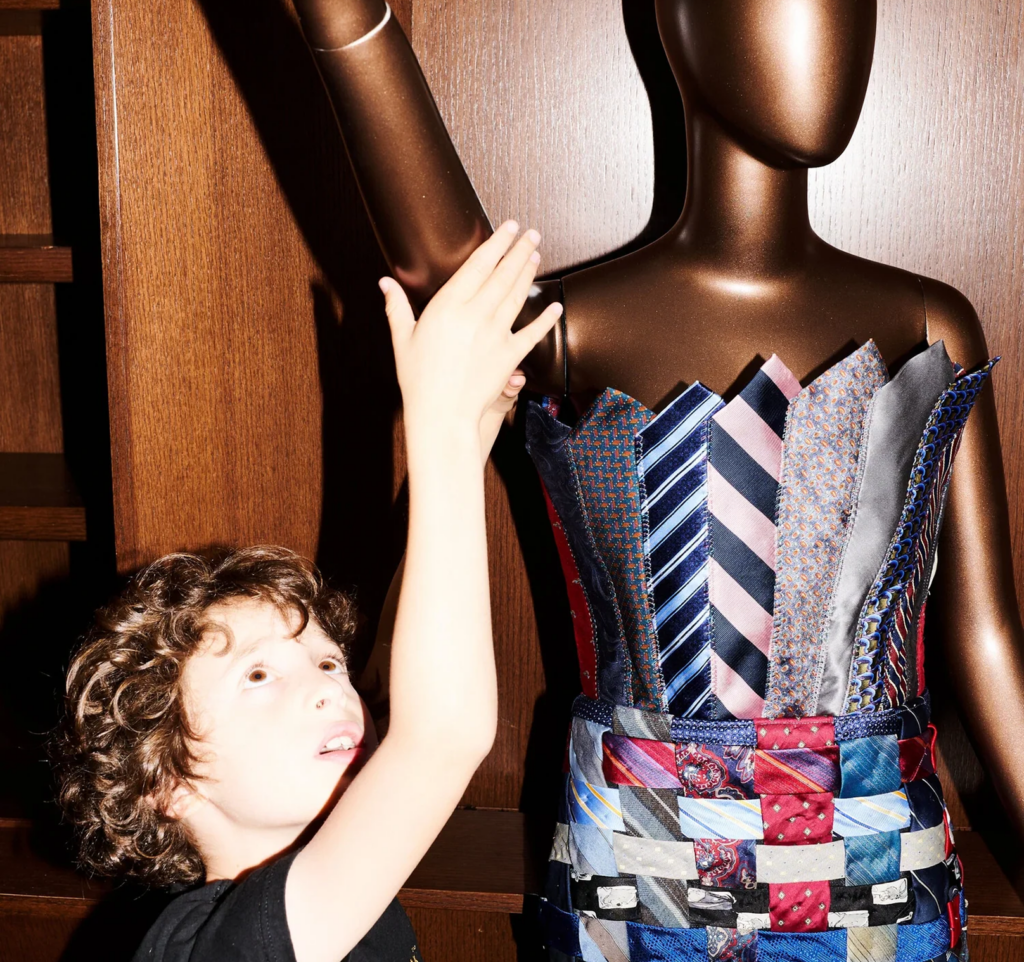
Rather than following trends or seasons, his interest lay in creating. His mother supported that process from the beginning, even building his first cardboard mannequin by hand.
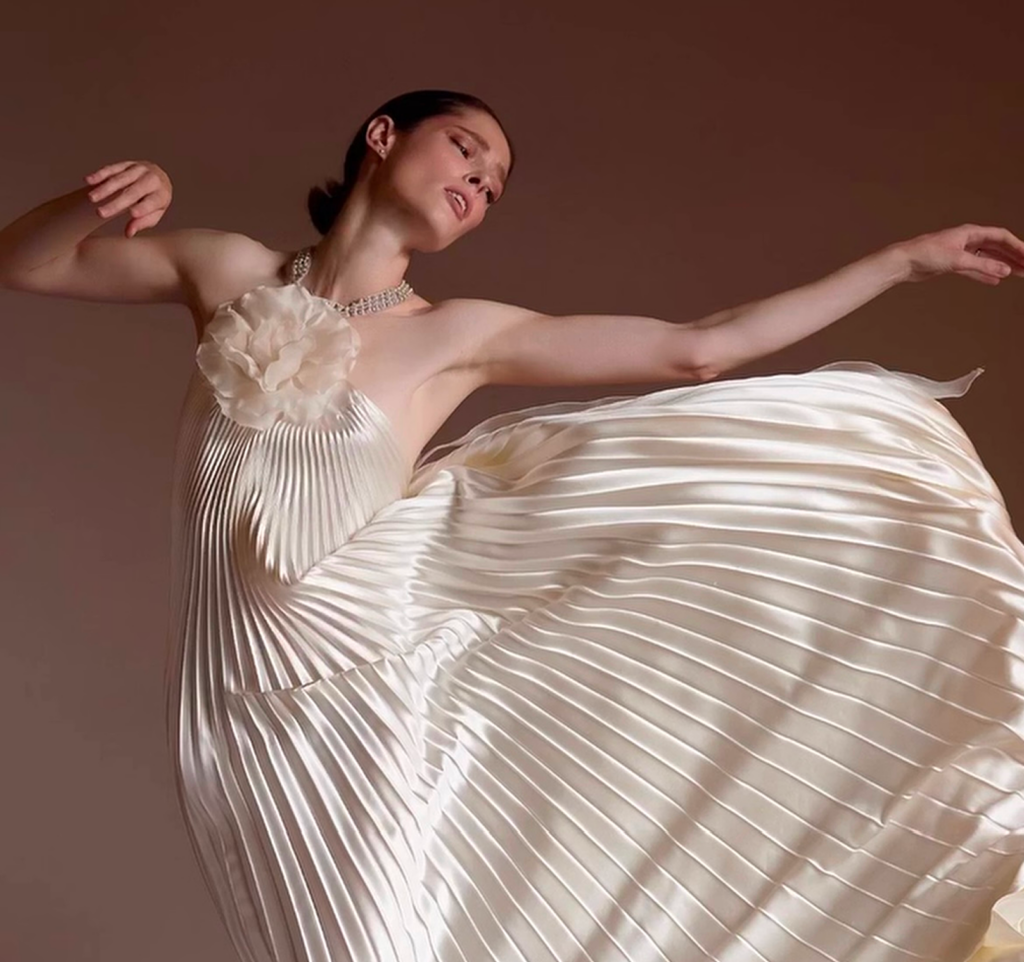
From then on, his approach to design was entirely intuitive: before learning to read, he already knew how to drape. He began designing for his sister, working directly on the mannequin with fabrics, ribbons, trims, and materials he found at home. He did not start with sketches, but with making. Over time, that exploration evolved into an aesthetic defined by color, volume, and experimentation, elements that continue to shape his work today.
Max Alexander, at four years old, began creating pieces with fabrics, needles, colors, and shapes, as part of a game that soon became a language.
First Collection: Between Intuition and Design
His dedication took form with the launch of his brand, Couture To The Max, in 2021. Through experimentation with textures and layers, and constant inspiration drawn from flowers, he began building his first collection. He did not follow seasons or fashion calendars. What existed instead was coherence between pieces and a shared narrative: fantasy and textile exploration.
The first exhibitions of his designs took place in independent runway shows and local collective events in Los Angeles. Meanwhile, the videos his mother began posting on social media, documenting his creative process, became digital runways, a visual extension of what he was constructing.
Soon, that process began to scale. At just seven years old, Alexander organized his own show at Denver Fashion Week 2023, where he earned recognition from Guinness World Records as the world’s youngest runway designer. It marked a key moment in his trajectory: his pieces moved beyond the digital space to become tangible proposals.
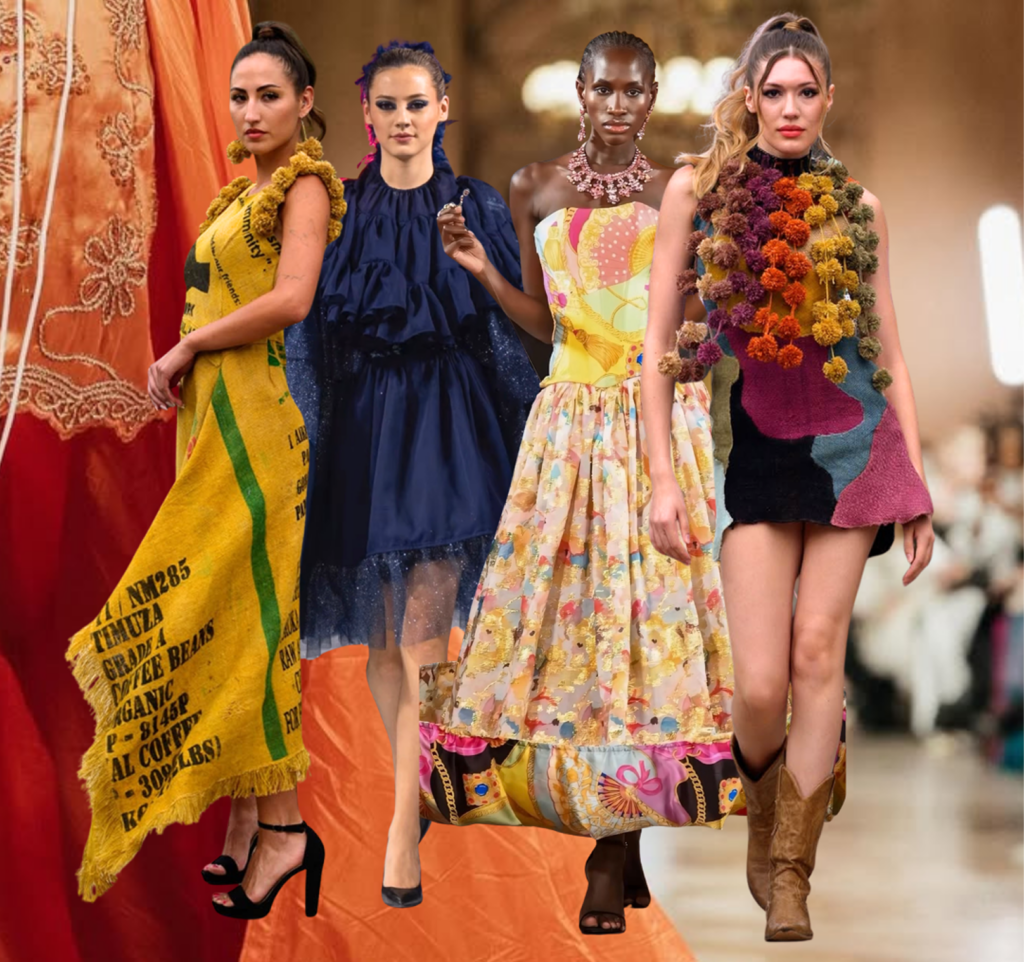
As he grew, he also began exploring a more sustainable approach to fashion. At Aspen Fashion Week 2025, he presented a collection crafted from coffee grain sacks, extending the life cycle of these materials and developing each piece from origin to final construction. By that point, Max was no longer just a child designing at home, but someone beginning to take part in the industry conversation.
When the Industry Listens to New Generations
Max Alexander already had presence, and what many designers spend years pursuing began to arrive: legitimacy and validation. Attention turned toward him, and outlets such as ELLE, Vogue, and HuffPost began telling his story. He was no longer just a viral phenomenon. Alexander had become an emerging talent within the fashion industry.
His work soon attracted the attention of celebrities. His voluminous and innovative style proved ideal for red carpets and high-profile events. The first to wear one of his designs was American actress and producer Sharon Stone, who appeared in a video on her Instagram wearing a quilted coat with exaggerated shoulder volume, a custom piece she had specially requested. It was not a minor gesture: an established figure in the film industry was already placing her trust in his work.
Public approval came through social media. Within months, and with fewer than 1,000 followers, his ability to transform everyday materials, blankets, wrappers, and ties, into striking dresses captivated audiences. His presence evolved from emerging to digital phenomenon, surpassing five million views.
On the Fashion Calendar
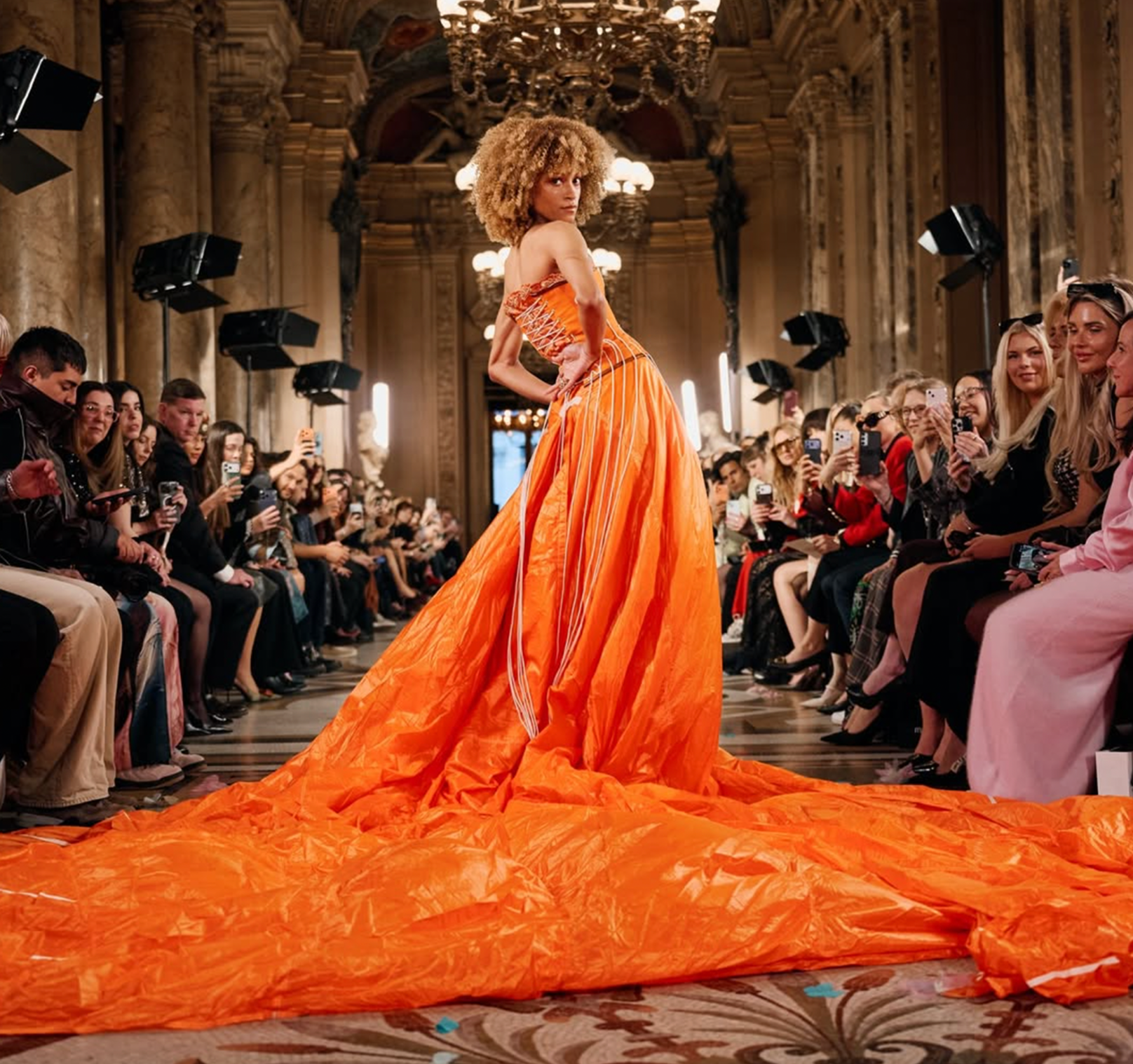
Ultimately, propelled by the rise of his designs on social media, Max Alexander arrived at Paris Fashion Week 2026. Although he was not part of the official calendar alongside houses such as Chanel or Dior, his participation in the parallel calendar with a ready-to-wear collection signals his gradual insertion into the haute couture conversation and reflects clear recognition from the industry.
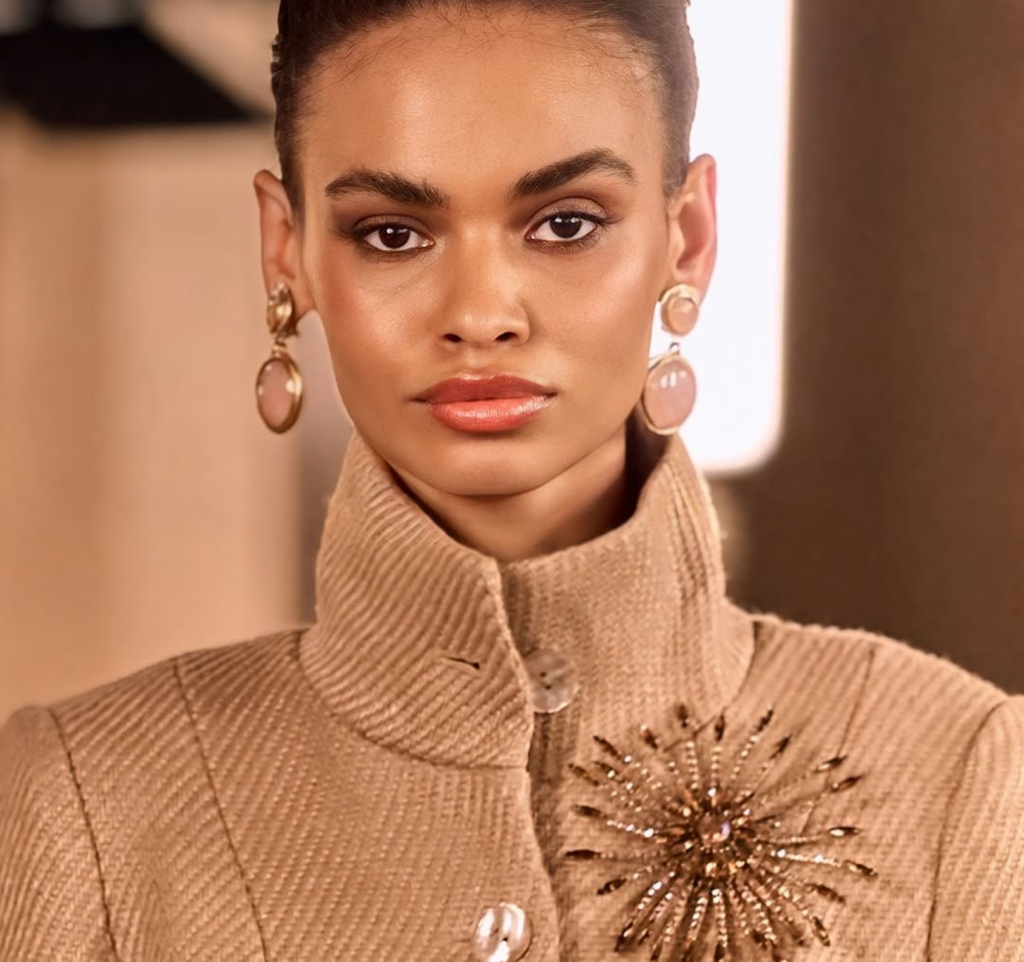
For this collection, he embraced a maximalist approach: a universe of flowers translated into silhouettes, prints, and details, combined with his ability to mix materials such as tulle, organza, and softly draped fabrics. Nature-inspired structures and the use of vibrant tones like pink and yellow shaped pieces centered on visual impact.
The staging generated astonishment. He did not compete in terms of technique or experience with major fashion houses, but that was not the point: his presence alone proposed a different reading within the industry.
The Next Chapter of Max Alexander
Max Alexander has expressed his intention to expand his brand and consolidate his name, with hopes of collaborating in the future with houses such as Gucci, his primary source of inspiration.
At the same time, he seeks to preserve his childhood, his school experience, and the closeness of his family as essential parts of his identity. Designing is part of his life, but it does not define it entirely. Within that balance, his work begins to find its own place, without losing sight of what continues to shape him beyond fashion.