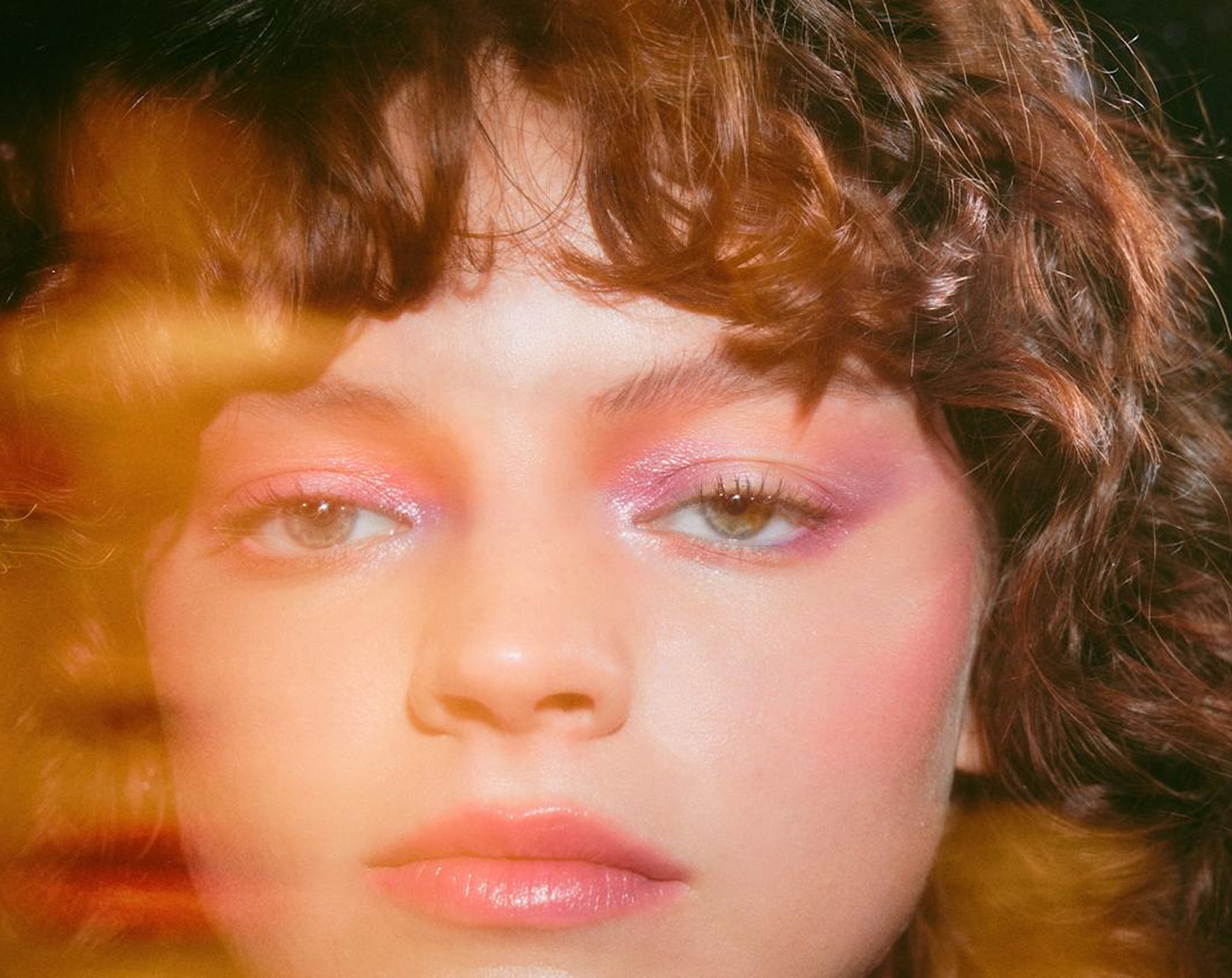
Beauty never moves in straight lines. It evolves in cycles, revisiting ideas and techniques that once defined an era and reframing them through a more refined lens. In 2026, the beauty industry appears to be completing a circle that began a decade ago.
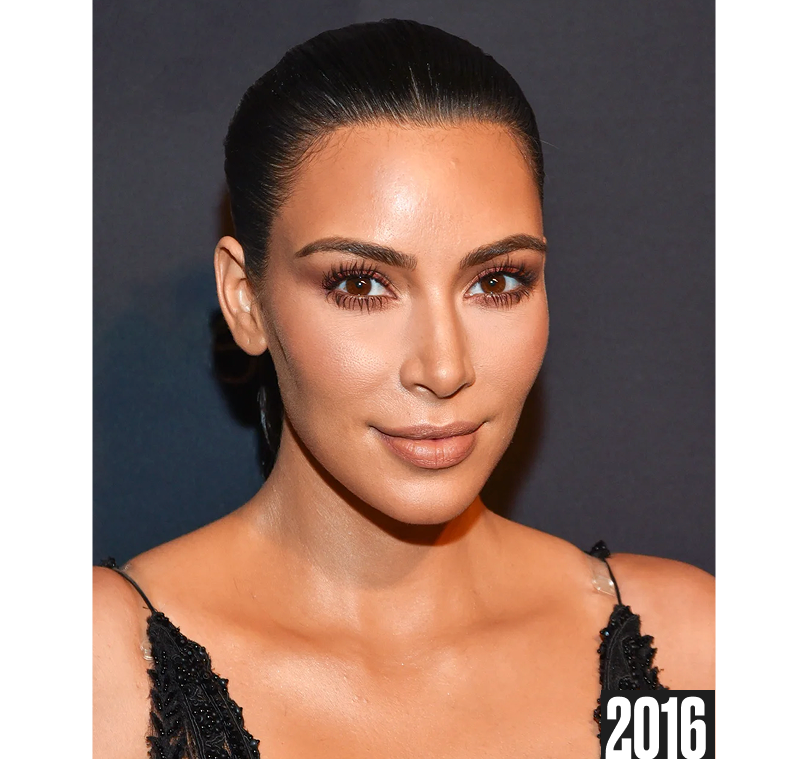
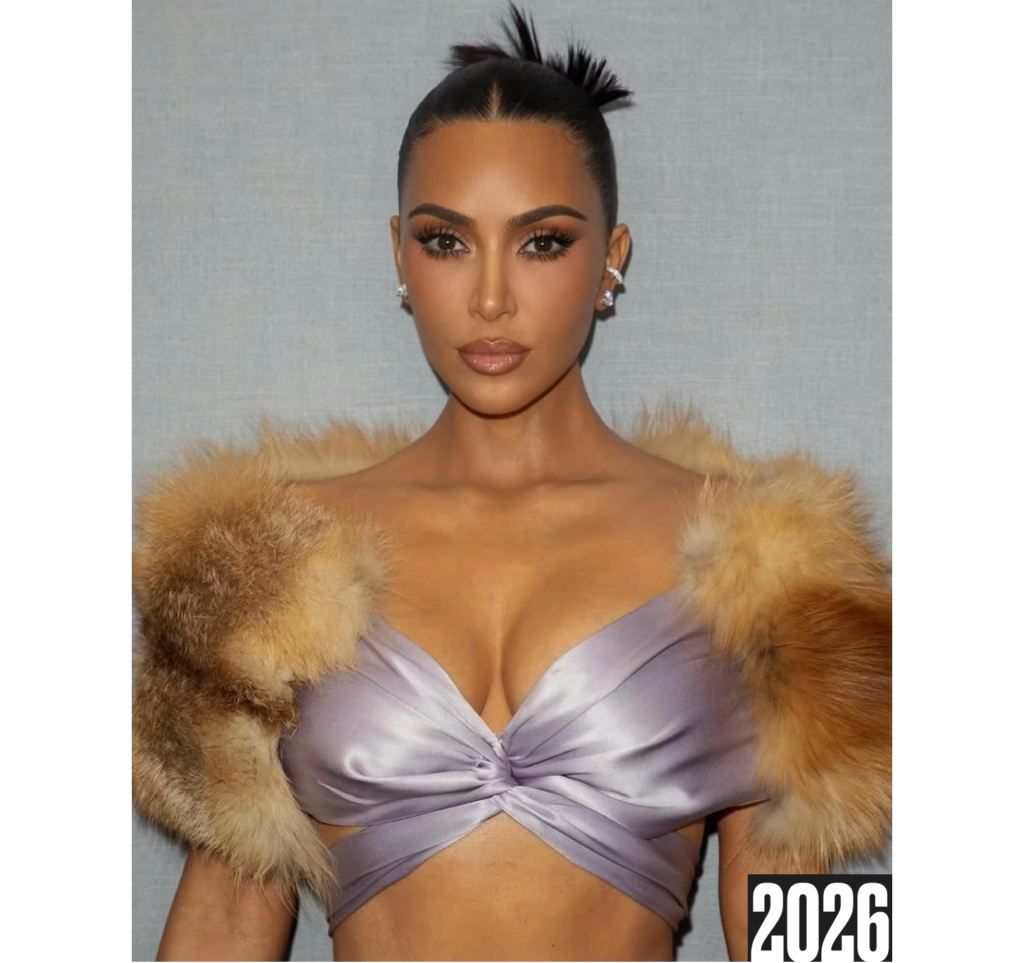
Across social media, editorial shoots, and the runways of recent fashion weeks, from TikTok tutorials reviving structured eye looks to backstage beauty where sculpted skin and defined brows are reappearing, the visual codes of 2016 are unmistakably resurfacing across the industry.
The comparison being drawn between 2026 and 2016 is not nostalgia for its own sake. It is the natural consequence of a cultural pendulum that swung hard toward minimalism and is now swinging back toward intention, craft, and the art of being seen.
Here is what is driving that comparison, and what it means for where beauty is going next.
Author: Elizabeth Ulloa
The Return of Contour
In 2016, contouring was not a technique. It was a cultural phenomenon. The sculpted cheekbone, the defined jawline, the shadowed nose bridge became the universal grammar of a beauty era shaped by social media’s earliest stars and a generation of artists who understood that the camera rewarded definition.
After years of skin-first philosophy and barely-there base makeup, contour is returning. The 2026 approach is more restrained: cream formulas that melt into the skin, blurring powders that shadow without settling. The philosophy beneath it, however, is entirely recognizable. People want the light to land somewhere purposeful.
The Bold Brow as Declaration
The brow has always been a mirror of the beauty moment. In 2016, the filled-in, defined brow was the defining feature of an entire aesthetic. Full, precise, intentional. It communicated deliberateness in a way that the softer, soap-brushed iterations that followed simply could not.
That deliberateness is returning. The surge in micro-fill pens, hybrid brow gels, and pigment-dense pomades reflects this shift toward more deliberate definition, building the kind of brow that frames the face rather than disappearing into it. The shift signals something deeper than a product trend. It signals a desire for the face to be sculpted, not improvised. The effortless brow had its season. The intentional brow is reclaiming the conversation.
Highlight Placed With Purpose
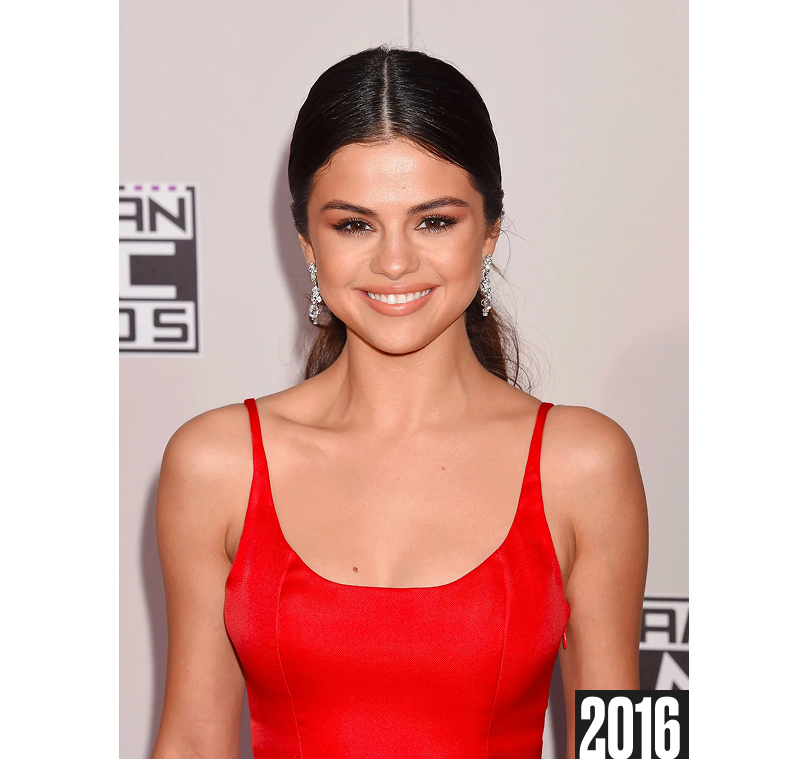
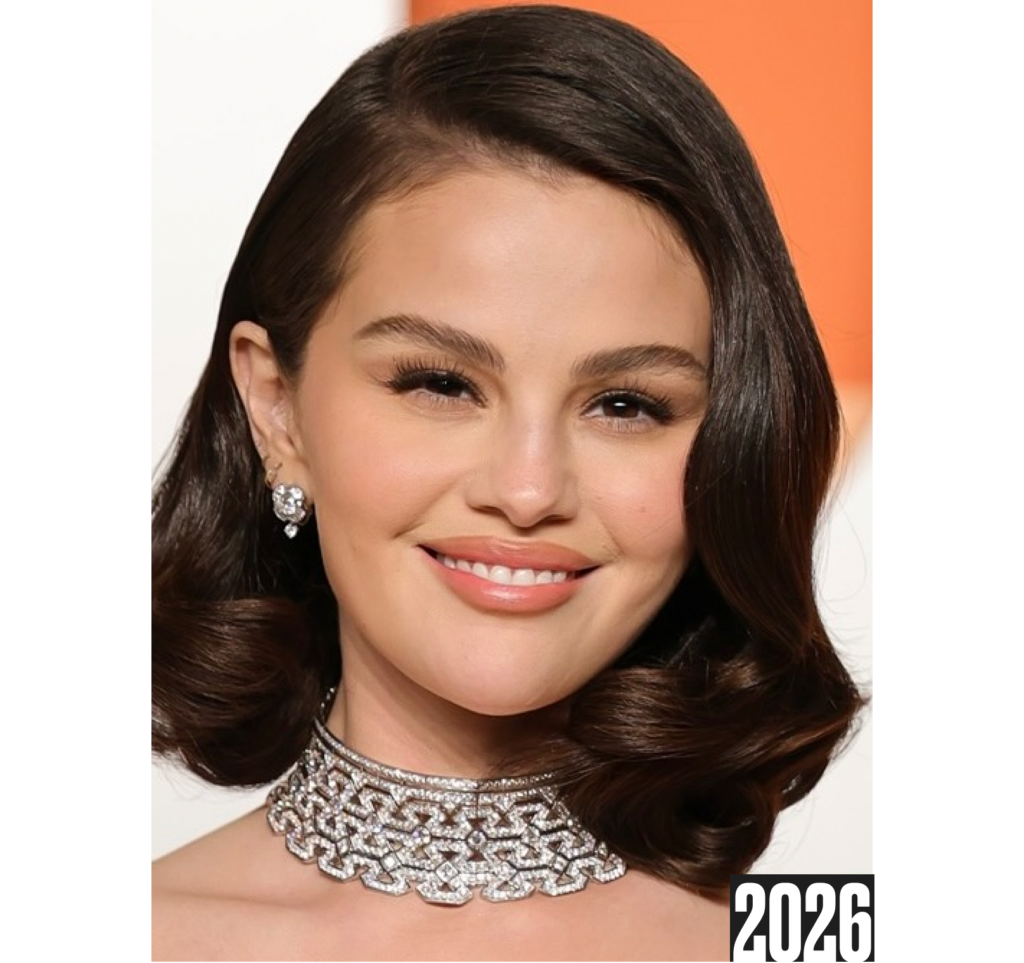
2016 was the peak of strobing culture. Highlight applied to the brow bone, the nose tip, the cupid’s bow, the inner corners, the collarbone. The face as a reflecting surface, light catching everywhere at once. It was a maximalist gesture that beauty, for a period, grew tired of.
What 2026 is reclaiming is not the excess but the technique. Strategic illumination is replacing the all-over glow of the glazed-skin era, bringing attention back to deliberate placement rather than diffuse shine. The distinction lies in discipline. A single point of light on the cheekbone reads entirely differently than shimmer layered across every surface. One communicates mastery. The other communicates enthusiasm. The current moment is asking for mastery.
The Cut Crease and the Craft of Visibility
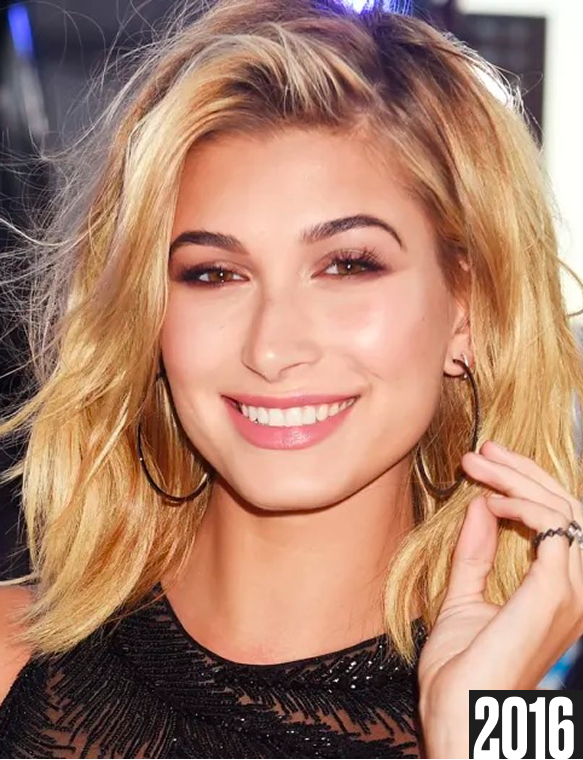
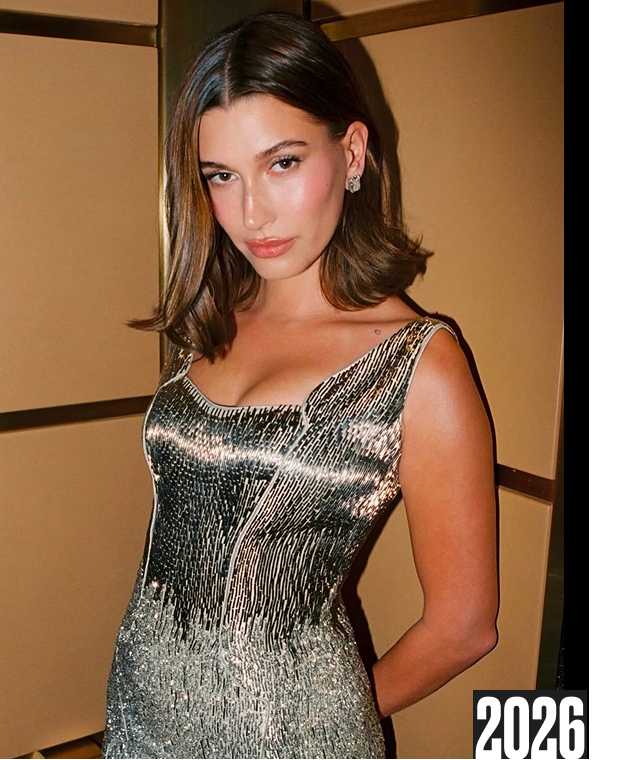
The cut crease was the signature eye look of 2016 beauty content. That clean, deliberate line dividing the lid from the crease became the visual proof of technical fluency, and an entire generation of creators built their identity around it.
It is reappearing now, but not in its most extreme form. In editorial shoots and on red carpets, the cut crease is arriving in softer color palettes with edges more diffused than the versions that defined a decade ago. The technique is the same. The intention is the same. What has changed is the scale. Its return marks a cultural moment in which visible effort is once again aspirational. The era of looking like you did nothing is giving way to the era of showing what you know.
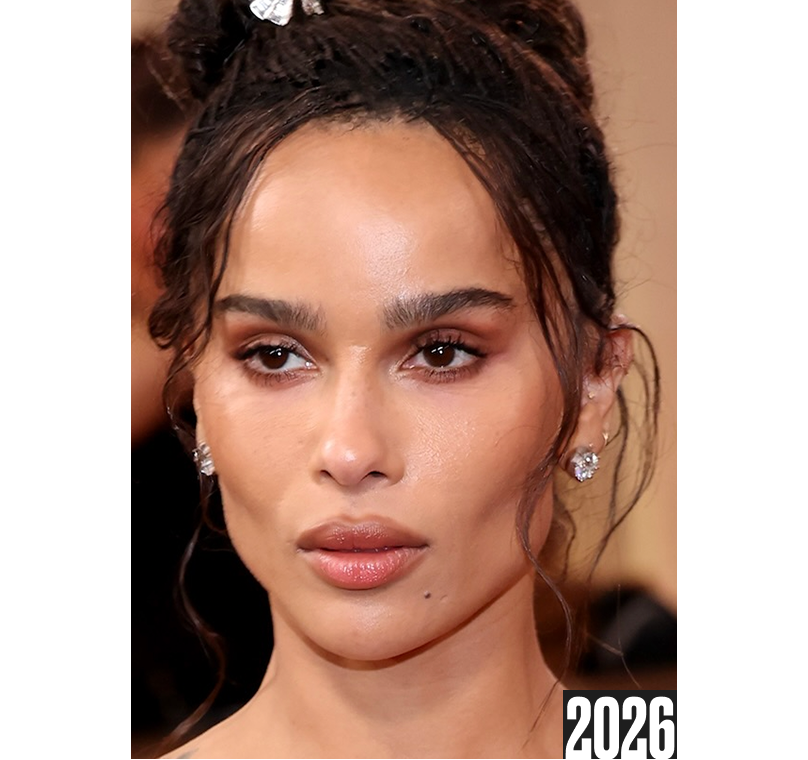
Matte Lips and the Pendulum of Finish
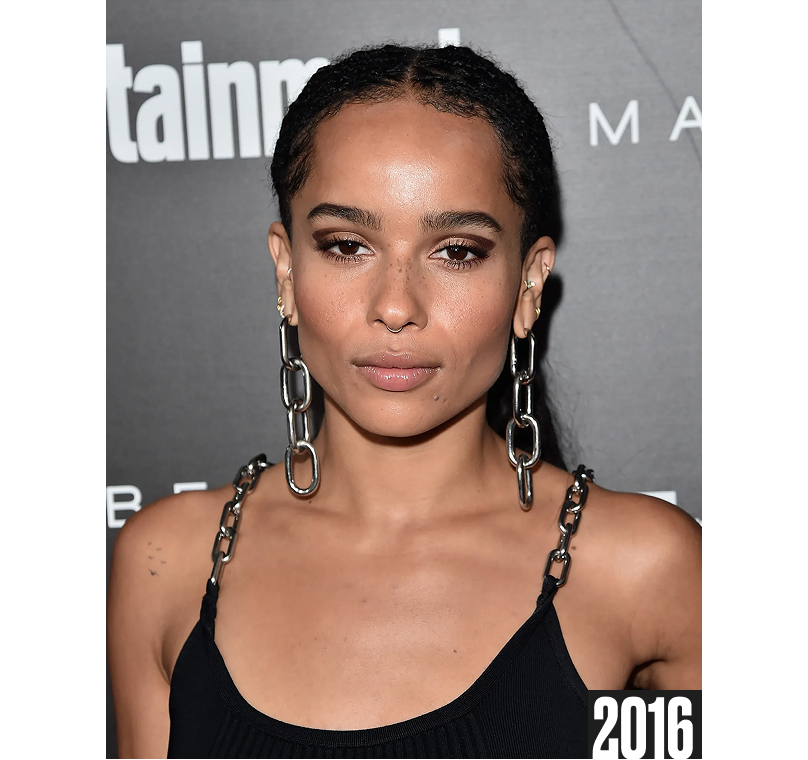
For the past several seasons, gloss has held the conversation on lip finish. Juicy, dimensional, light-catching. The glass lip became the signature of a beauty culture that prized youth and volume above almost all else.
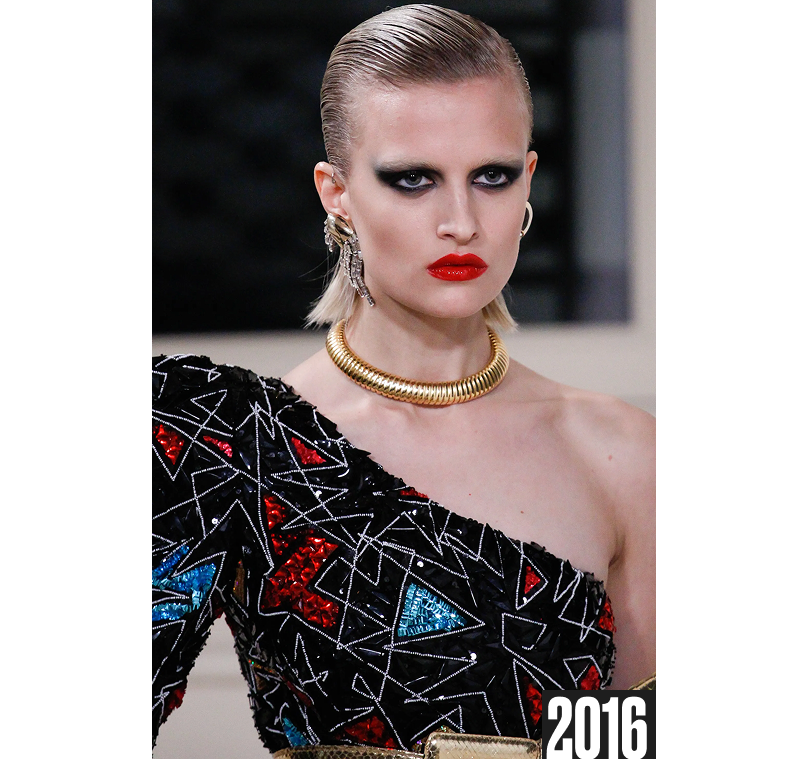
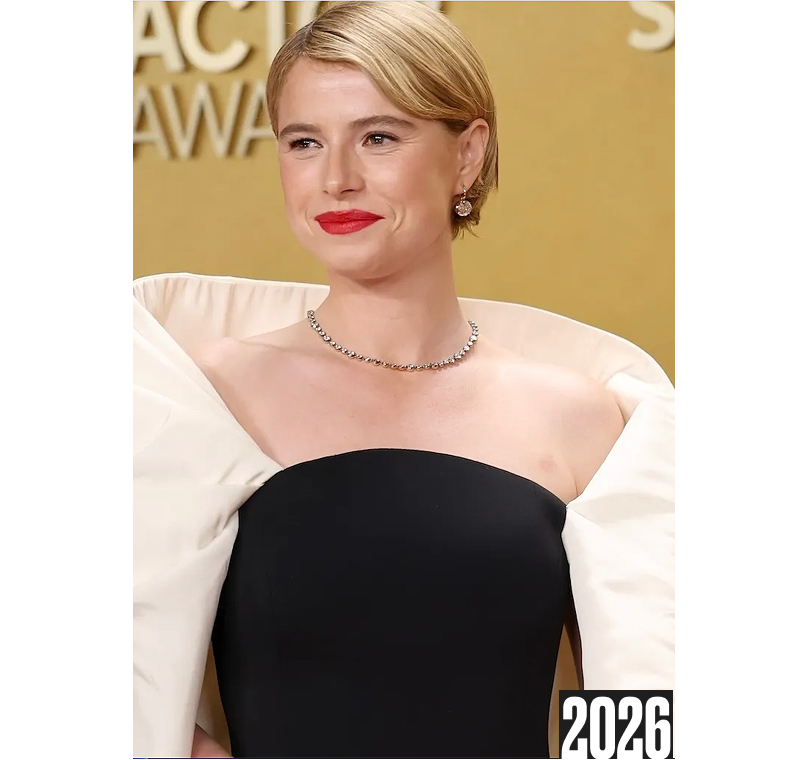
Matte is moving back in. Today’s soft-matte formulas wear with comfort and land with presence, a significant departure from the unforgiving finishes of a decade ago. Deep berries, architectural reds, and dusty mauves are returning as statements rather than suggestions. Softness had its moment. Definition is returning.
Coverage as an Act of Intention
The skin-first movement gave the beauty world something valuable: permission to be seen. Pores, texture, and humanity were repositioned not as flaws but as features. Lightweight bases and tinted serums became the language of a generation that wanted to signal effortlessness.
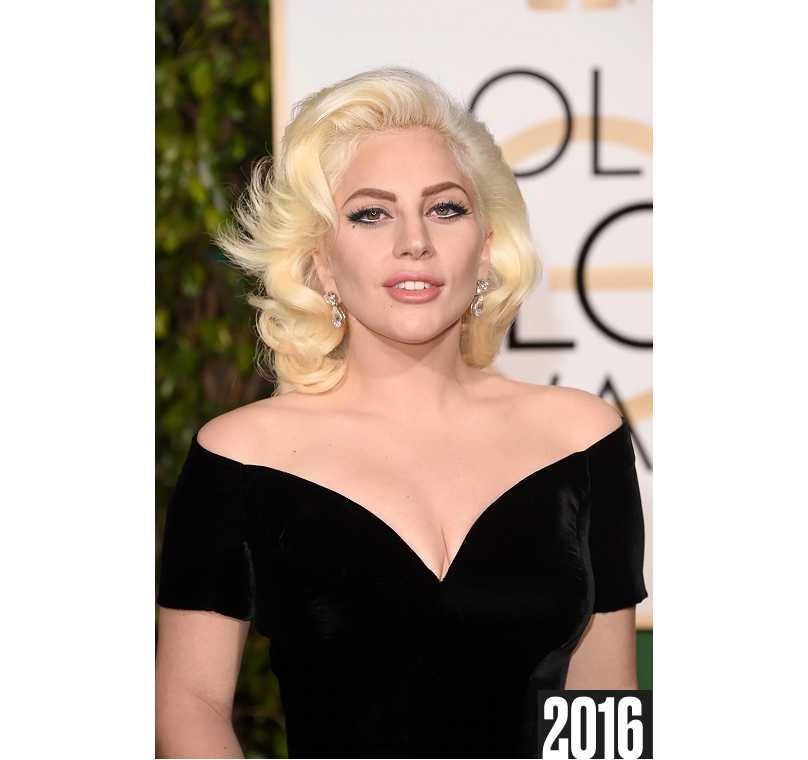
And yet, full-coverage foundation is returning. Consumers are requesting something more polished and constructed, a face that reads as crafted rather than casual. The formulas have advanced significantly since 2016, leaving behind the oxidation and mask-like opacity that once defined the category. What has changed is the formula. What has not changed is the desire behind it.
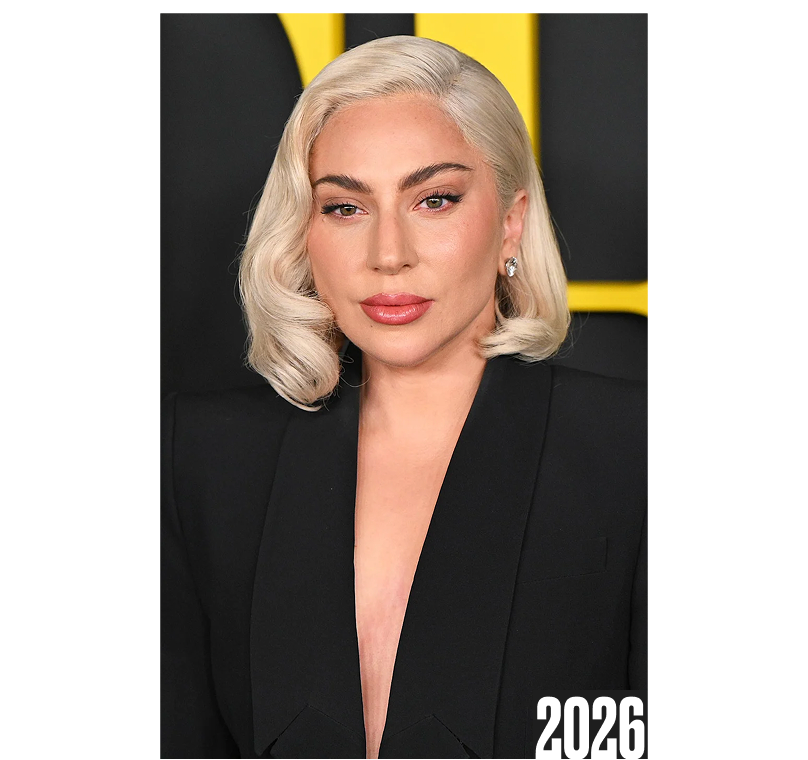
Why 2016, and Why Now
Beauty trends, like culture itself, move in cycles that are rarely random. The mid-2010s produced a particular aesthetic intensity: peak influencer culture, the rise of YouTube beauty as a legitimate creative discipline, and a glamour that embedded itself in an entire generation’s visual memory. That generation is now old enough to lead the conversation. The techniques they learned are the ones they are bringing back.
There is also something less cyclical and more cultural at work. After years of quiet beauty, of studied understatement and the aesthetics of restraint, there is a collective hunger to be visible again. To be polished. To signal through makeup not casualness but craft. The glamour of 2016 communicated effort, and in 2026, effort is beginning to feel not only acceptable but desirable.
What separates this revival from simple repetition is the degree of refinement it carries. The techniques return, but they return evolved. Better formulas, more precise tools, a more practiced hand. 2026 is not recreating 2016. It is completing it.
On the Terms of the Return
The value of this moment is not in faithful recreation but in informed selection. The techniques that defined 2016 were not without intention. Contouring changes the architecture of a face. A well-placed highlight transforms how light reads against skin. A defined brow repositions every other feature around it. These are not passing gestures. They are foundational skills that belong in any master approach to the art of makeup.
What 2026 offers is the freedom to re-engage with those skills on new terms. Lighter where 2016 was heavy. More precise where 2016 was saturated. The invitation is not to replicate a decade but to extract from it what was always true: that makeup, at its best, is a conversation between technique and identity. Between what a face is and what it can become.
Beauty never truly abandons technique. It simply waits for the moment when culture is ready to value it again.
If the past decade was defined by effortlessness and minimalism, the next may belong to something different: intention, structure, and the quiet confidence of knowing exactly how a face is built.