

It’s a fact: artificial intelligence is no longer a novelty; it’s infrastructure. ChatGPT has become our starting point for searching and understanding; Google Maps has begun anticipating our movements; and algorithms decide what we see and when. Technology that once felt exclusive to episodes of Black Mirror is now part of everyday life.
That same infrastructure is beginning to filter into the world of fashion. Zara introduces its first AI-powered virtual fitting room within its app, where trying on no longer happens solely in front of a mirror. It happens on screen.
This isn’t a dystopian gesture or a futuristic spectacle.
It’s a pause before purchase: trying before deciding, even without passing through the physical body.
Author: ANDREA BAU
A new shopping ritual
Trying on clothes has always been a singular moment. A brief gesture in front of the mirror, deeply personal and intimate. In the digital environment, however, that gesture had disappeared. Shopping became an accelerated action, driven by images and immediate desire.
With its new artificial intelligence, Zara brings that space back. Not as an exact promise of the physical fitting room, nor as a simulation of the emotions that occur within it, but as a preliminary rehearsal. A garment, once presented purely as an object of desire, begins to be considered through possibility.
Zara introduces its first AI-powered virtual fitting room within its app.
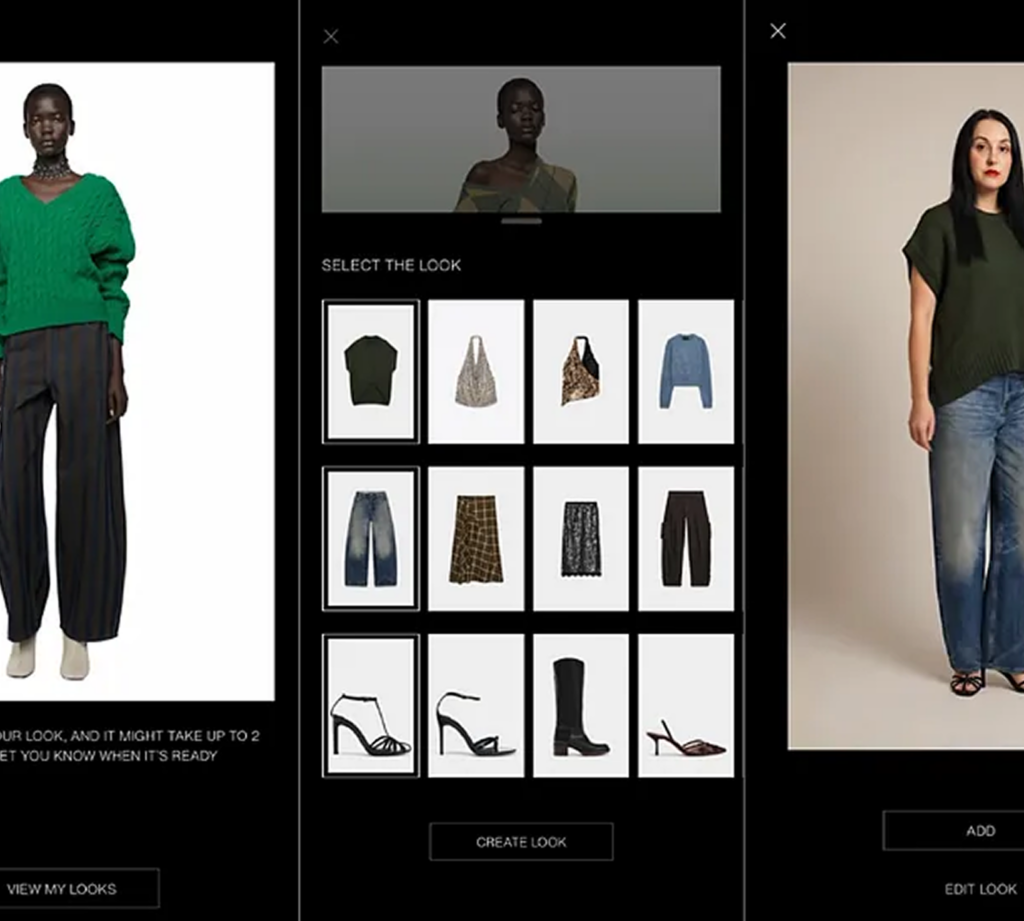
Trying from the screen: how it works
Zara’s virtual fitting room exists exclusively within its app. It doesn’t appear as an ad or an intrusive feature, but as a possibility activated directly from each product page.
The process begins with the creation of a personal avatar, which AI uses to generate an incredibly realistic representation of the user. It’s not a filter; it’s a visual reading designed to build a technological version as close as possible to the real body. From there, the garment adapts to that silhouette, allowing it to be seen both as a static image and in motion.
What’s most interesting about Inditex’s proposal, and about artificial intelligence applied to fashion more broadly, is the shift in the relationship it introduces with the fitting room. Technology stops functioning as a promise and becomes a tool for reading: observing oneself and deciding with more time. It interrupts rushed decisions dictated by constant scrolling and returns a more conscious gesture to the act of buying.
The most interesting aspect of the proposal from the Inditex giant (and, more broadly, of artificial intelligence applied to the industry).
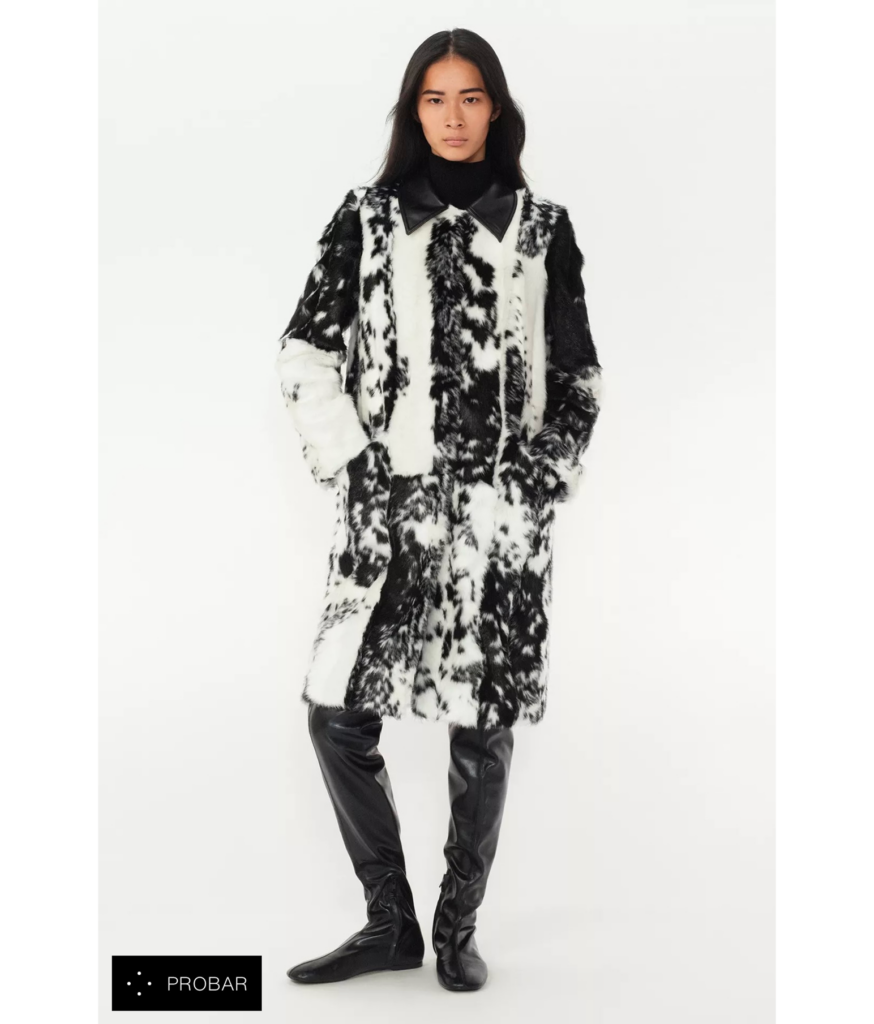
From object to outfit
The virtual fitting room isn’t limited to a single garment. Starting from that first choice, artificial intelligence proposes combinations, relationships, and layers. The logic of the total look appears quietly, as a suggestion that broadens the perspective and shifts the focus from the isolated object to the whole.
At Zara, this function doesn’t push; it accompanies. Thinking in outfits, rather than individual pieces, introduces a different kind of pause. The purchase slows down, and getting dressed begins to respond to something more than immediate impulse.
Editorial close
Artificial intelligence is beginning to occupy a real place within fashion, not as a trend, but as a daily practice. It no longer limits itself to generating images or speeding up processes; it starts to influence how choices are made.
Observing better, deciding better, and dressing from the present, not from urgency.


