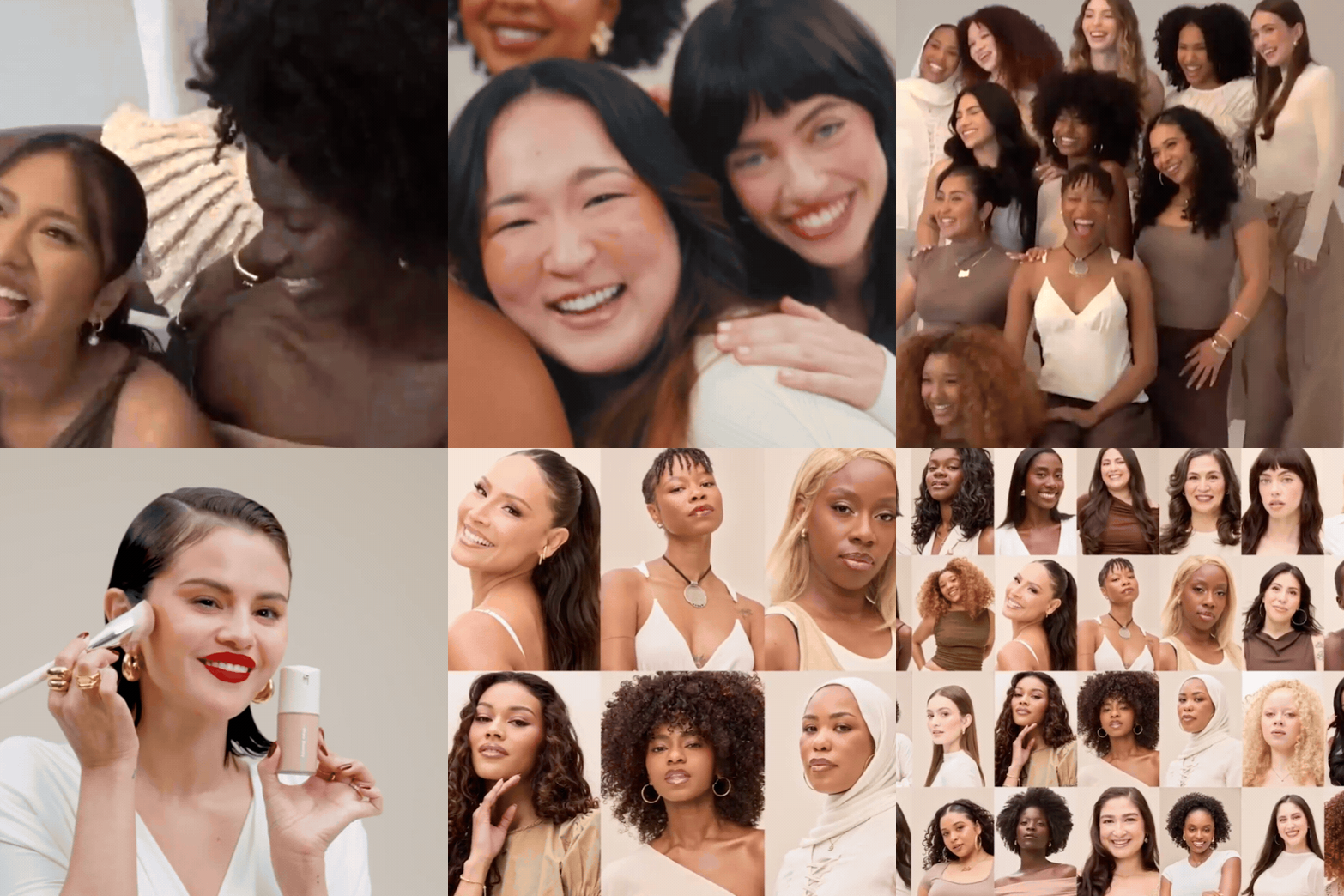
For years, the beauty industry spoke about Latina women as though they all belonged inside the same photograph. One carefully constructed for global consumption: warm skin, undeniable sensuality, impeccable hair, and a version of Latinidad recognizable enough to become aspirational without ever becoming too disruptive. Latina women were allowed to exist within international beauty campaigns, yes, but almost always under certain conditions. They had to feel desirable, aspirational, and easily readable to the people looking at them from the outside.
Over time, that representation became visual shorthand within the industry itself. An aesthetic repeated so many times it eventually began to feel natural. And perhaps that was the real issue: entire generations grew up seeing images where they could recognize themselves partially, but rarely completely.
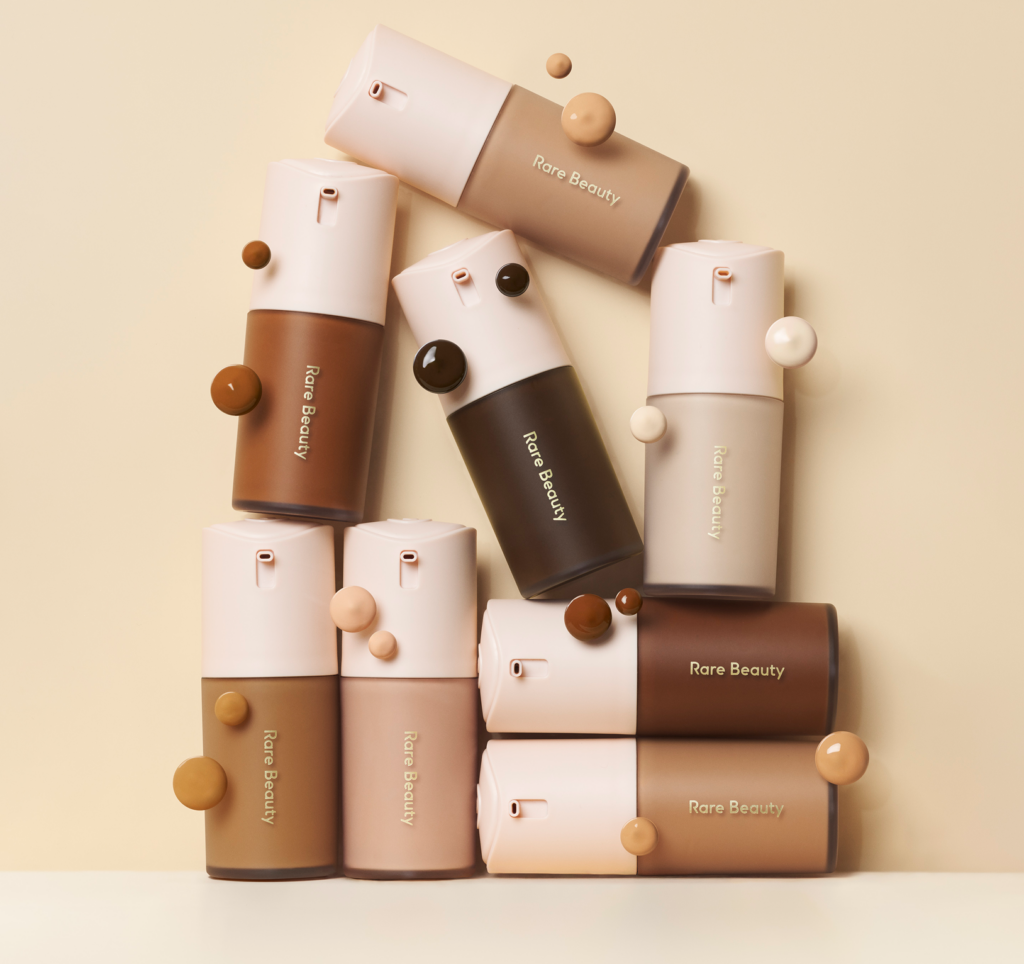
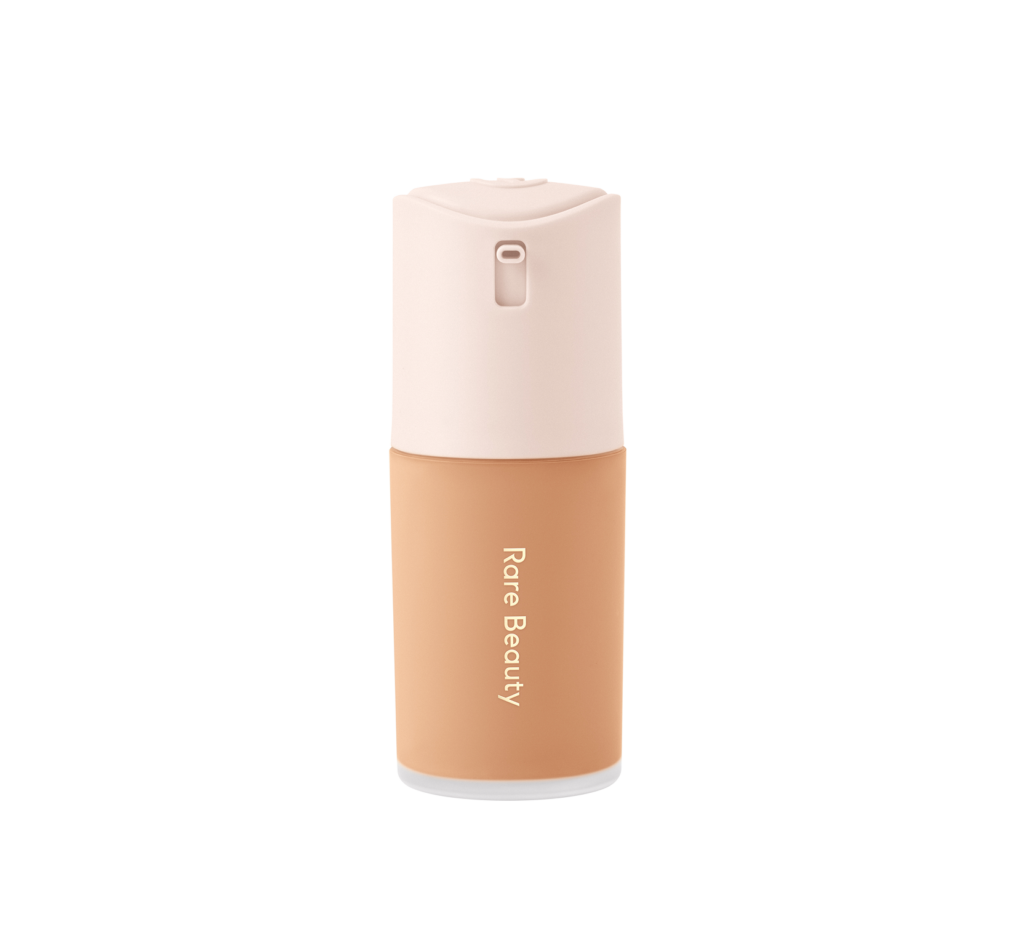
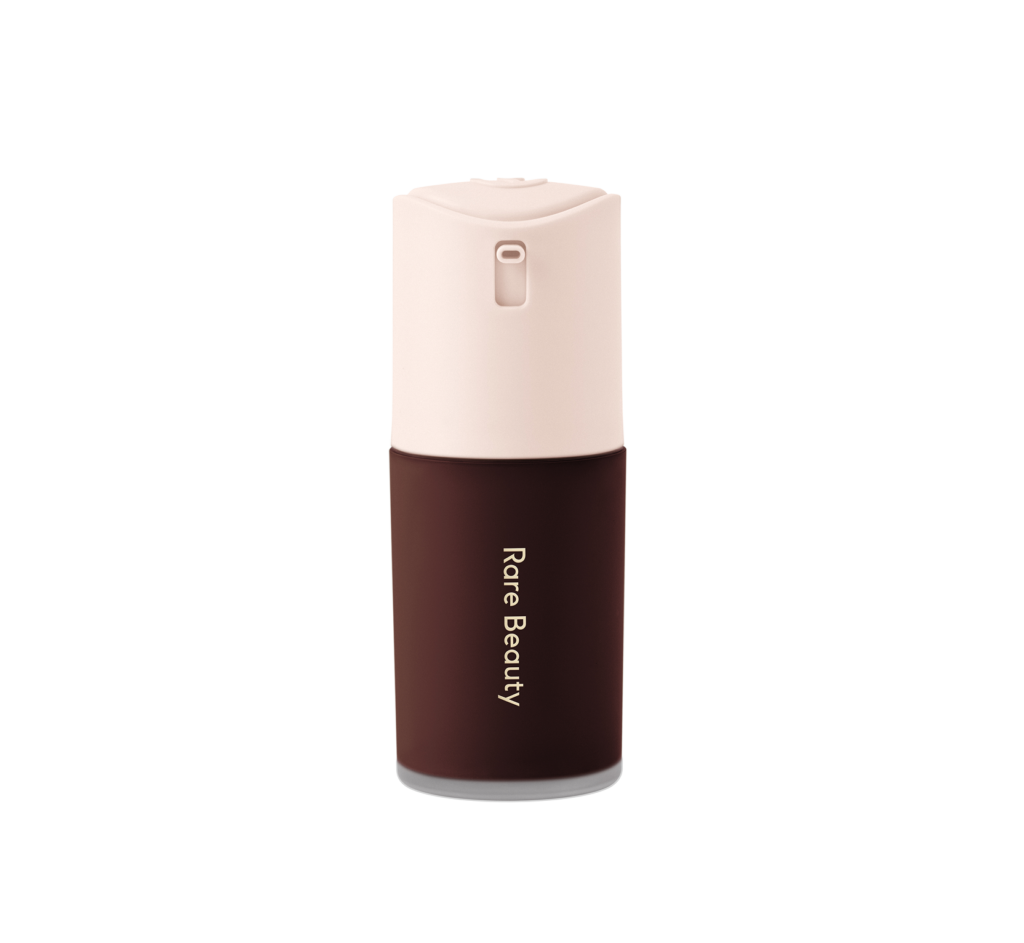
That is why Rare Beauty’s new campaign, Every Story Belongs, does not feel like just another beauty launch. Although it centers around the new True to Myself Natural Matte Longwear Foundation, available in 48 shades, the most important gesture is not simply the shade range itself. It is the decision to build a campaign around 48 people from across Latin America, each representing a story, a tone, a way of belonging, and a different way of inhabiting Latina identity.
The difference may seem subtle, but it is enormous. Rare Beauty is not simply saying, “we have more shades.” It is acknowledging that an entire community was read for far too long as though it shared one skin tone, one voice, and one singular narrative.
Author: Claudia Valdez
The Problem Was Never Just the Lack of Shades
For years, conversations around inclusion within the beauty industry focused almost exclusively on expanding shade ranges. And that mattered. But when it came to Latina representation, the problem always ran deeper than finding the right undertone.
The industry did not only fail by creating foundations that ignored the true diversity of Latin American skin tones. It also failed in deciding which kind of Latina woman deserved visibility within the aspirational beauty landscape. The Latina who became visible was often the easiest version to export: bronzed, attractive, outgoing, “fiery,” perfectly coded to sell an idea of exoticism without ever making audiences too uncomfortable.
What makes Every Story Belongs genuinely interesting is that Rare Beauty chooses to speak openly about something the beauty world spent years avoiding. The campaign recognizes how Latina identity was repeatedly reduced to a “medium tan shade,” to specific personality codes, and to a hypersexualized version of femininity that eventually became the industry’s unofficial visual standard.
Rather than disguising that conversation beneath polished language about diversity, the campaign enters a far more uncomfortable territory: what happens when entire generations of women grow up trying to recognize themselves inside images that only ever reflected fragments of who they were.
“There isn’t one way to be Latina. There isn’t one shade, one story, or one voice. We deserve to see ourselves fully reflected.” — Selena Gomez
That is the moment when Every Story Belongs stops feeling like a makeup campaign and begins to function as something far more layered: a cultural observation about belonging, representation, and visual memory.
“There isn’t one way to be Latina. There isn’t one shade, one story, or one voice. We deserve to see ourselves fully reflected.”
-SELENA GOMEZ
Rare Beauty Speaks About Nuance, and That Is Where the Campaign Finds Its Real Strength
The most important word in this campaign may not be “inclusion,” but “nuance.” Rare Beauty understands that Latina identity is not defined solely by skin tone. The campaign speaks openly about indigeneity, Afro Latina identity, body inclusivity, hair texture, generational differences, and language. Each of those elements opens a conversation beauty campaigns often avoid because they require identity to be understood through lived experience, not simply aesthetics.
Being Latina can mean growing up speaking Spanish at home; understanding it but not fully speaking it; living constantly between cultures; feeling simultaneously connected everywhere and nowhere; or learning to soften an accent, hair texture, facial features, or cultural references in order to feel accepted within more “global” spaces.
That is precisely what makes Every Story Belongs emotionally powerful. The campaign refuses to present Latin America as a homogeneous block or as a cultural postcard. Instead, it acknowledges that within the same community coexist women with extremely fair skin and deep complexions, Indigenous features, Afro descendant heritage, different body types, different generations, and entirely different relationships with language, identity, and belonging.
In an industry accustomed to turning diversity into a visually pleasing composition, Rare Beauty seems to understand something much deeper: representation means allowing differences to retain their depth.
The Campaign Was Not Built Around Aspiration, but Around Recognition
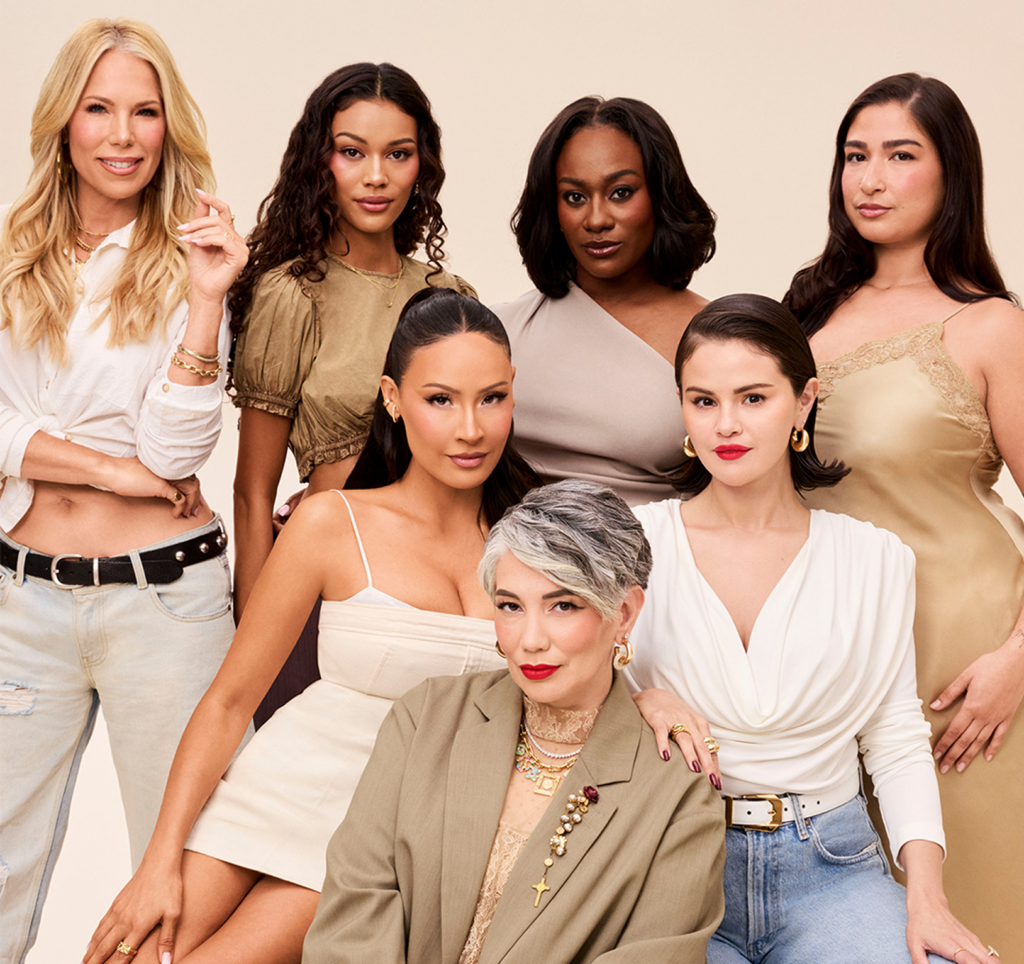
One of Rare Beauty’s smartest decisions was blending recognizable figures with real members of its own community. The campaign features creators and personalities such as Desi Perkins, Monica Veloz, Sonia Ramos, Mikayla Nicole, Javiera Quintana Del Poso, and Pili Montilla alongside employees, friends, family members, community voices, and models.
That decision changes the emotional energy of the project entirely because it prevents representation from remaining confined to aspirational faces and digital celebrity culture.
The campaign does not simply say “look at them”; it seems to say “recognize them.” And that distinction matters. It is precisely what many women long to feel when approaching a beauty campaign: not an unattainable version of themselves, but an image where they can find something intimate, familiar, and emotionally recognizable.
That is why the casting itself matters so deeply. Desi Perkins represents one of the most influential Latina voices in the digital transformation of beauty culture; Monica Veloz brings a presence deeply connected to authenticity and Afro Latina representation; Pili Montilla introduces another dimension of sophistication and media visibility within the contemporary Latina landscape. Sonia Ramos, Mikayla Nicole, and Javiera Quintana Del Poso expand the conversation even further through different generations, aesthetics, and relationships with digital beauty culture.
But perhaps the most powerful aspect of the photograph lies not only in the recognizable names, but in the composition itself. Because visually, the image confirms something the campaign quietly suggests: Rare Beauty did not attempt to build a campaign around “the new Latina woman.” It built an image where multiple ways of being Latina could finally coexist.
The photograph includes younger women, older women, different skin tones, different energies, different expressions of femininity, and entirely different forms of presence. As a result, the campaign stops feeling like a casting built purely around aspiration and begins to resemble a collective portrait of the women who truly shape the contemporary Latina experience.
The eye never remains still for too long within the image; it travels.
It moves from an older silver haired woman to an Afro Latina creator with an intense gaze; from extremely fair skin to defined curls, bold red lips, youthful faces, and women whose presence does not appear to compete for attention.
Even Selena Gomez, positioned as the campaign’s most recognizable figure, never fully absorbs the viewer’s attention. The photograph constantly redirects the eye back toward the other women. That visual decision changes the entire narrative of the campaign. Rare Beauty avoids allowing the project to become merely an extension of celebrity culture. Instead, it creates an image where the community surrounds, supports, and redefines the center itself.
That may be one of the campaign’s most intelligent visual choices: the image refuses to prioritize a single type of Latina beauty.
Afro Latina women do not appear isolated as symbolic inclusion. Older women do not feel like generational tokenism. Indigenous features are not exoticized. Every woman occupies space within the composition with equal visual dignity. And that remains unusually rare within contemporary beauty. The photograph feels far closer to a communal portrait than to a traditional beauty campaign.
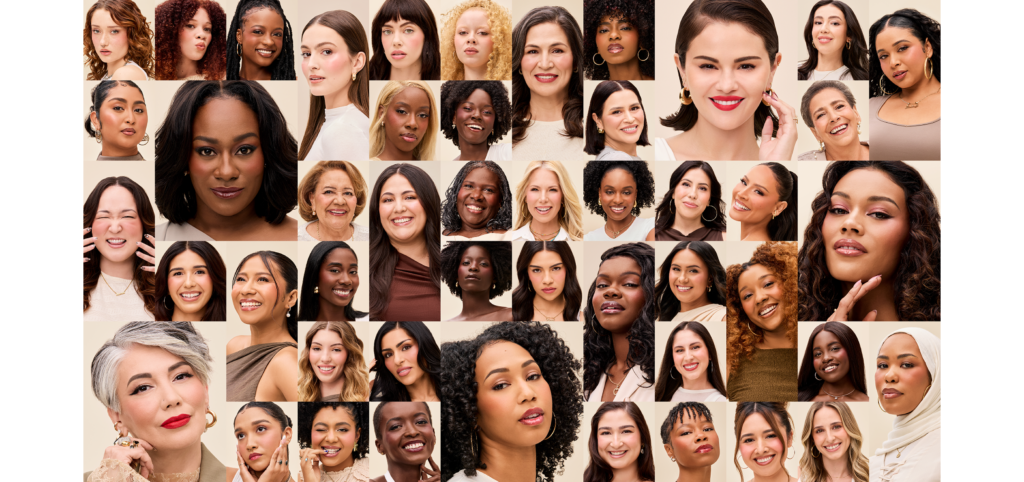
Rare Beauty built an image where community surrounds. The image does not prioritize a single type of Latina beauty.
Brittany Bravo Did Not Photograph a Latina Aesthetic; She Photographed a Cultural Experience
The choice of Brittany Bravo as photographer and director does not feel accidental. Of Mexican and Costa Rican heritage and based in Los Angeles, Bravo works through a visual language where family, culture, love, and emotional memory carry visible weight. Rare Beauty could have selected someone capable of producing polished diversity imagery. Instead, it chose a perspective that understands representation from within. And that changes everything.
The campaign does not feel like a multicultural construction designed inside a boardroom; it feels closer to an emotional archive of faces, tones, gestures, and presences that have always existed, even when they were not considered worthy of occupying the center of a beauty narrative.
The images are not obsessed with aspirational perfection. They contain something far more compelling: familiarity. The women are not performing an idea of Latinidad for outside consumption; they appear to exist comfortably within their own complexity. That is the difference between using culture as visual reference and allowing culture itself to become the point of view.
“We are not a single narrative. Nor are we one pigment. We are dynamic. We shine in every color.” —Brittany Bravo
Bravo understands that Latina identity has too often been reduced to ornament, aesthetics, temperament, or fantasy. Here, the camera does something else entirely. It observes, recognizes, and restores dimension.
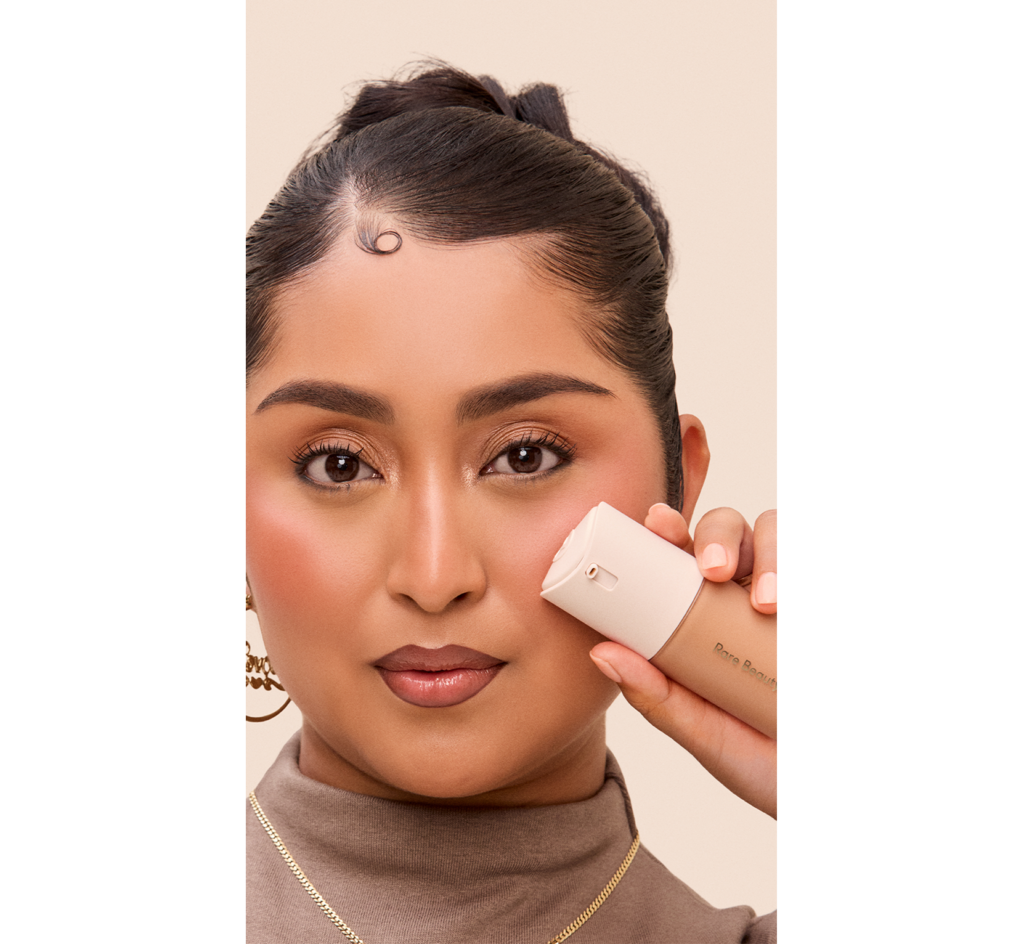
Selena Gomez Places the Conversation Exactly Where It Belongs: Belonging
When Selena Gomez says there is no single way to be Latina, no single shade, no single story, and no single voice, the statement may appear simple in isolation. But within the history of beauty advertising, it functions as a necessary correction. Because many Latina women did not grow up completely invisible. They grew up partially represented.
They saw themselves sometimes in complexion, sometimes in body type, sometimes in a surname or gesture, but rarely in their full complexity. And that creates a quiet form of disconnection: belonging to a community while not fully recognizing yourself within the image the world constructed around it.
That is where Rare Beauty connects this campaign to the deeper philosophy of the brand itself. Since its beginning, Rare Beauty has centered conversations around acceptance, mental health, individuality, and the possibility of feeling less alone through more honest approaches to beauty. Every Story Belongs expands that philosophy into a more culturally specific space.
It is not simply about finding a foundation that matches perfectly. It is about something much deeper: appearing without correction, without softening, without translating yourself into something more acceptable for others.
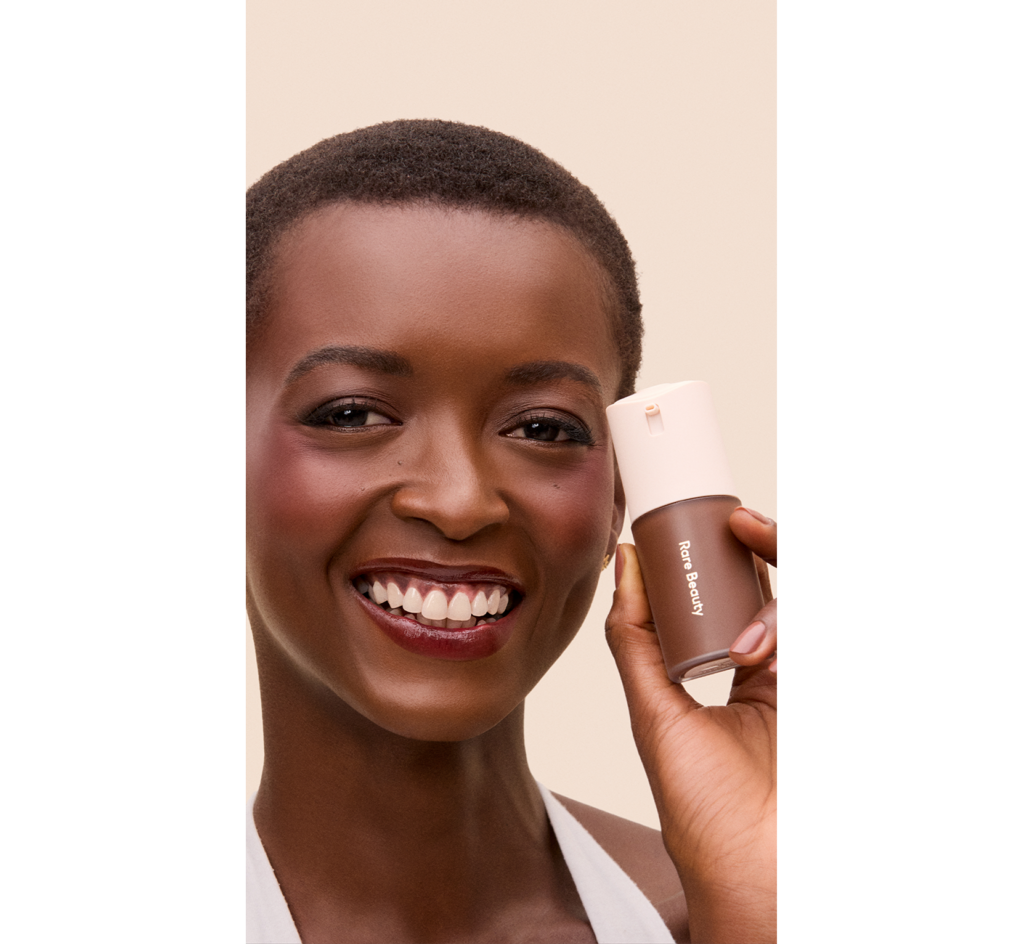
“They want intention, precision, and depth. They want to feel understood, not simply included.”
The Cultural Moment Makes This Campaign Even More Relevant
Rare Beauty launches this campaign at a moment when conversations surrounding Latina identity, migration, belonging, colorism, language, and visibility feel more charged than ever.
Questions about who gets to be seen, and in what way, are no longer peripheral cultural discussions. They are urgent ones. Beauty, even when positioned as light or aspirational, has always participated in shaping those conversations. It decides which faces become desirable, which skin tones are considered universal, which features are celebrated, and which must be softened in order for an image to feel “global.”
That is why Every Story Belongs should not be read simply as an inclusive campaign. Its real value lies in shifting the axis of representation from visibility toward belonging. Visibility alone is no longer enough. What matters is how people appear, who holds the camera, what language is used to speak about a community, and whether a campaign allows complexity to remain intact or turns difference into decoration once again.
Rare Beauty seems to understand that contemporary audiences no longer want diversity as a cosmetic gesture. They want intention, precision, and depth. They want to feel understood, not simply included.
One Community. 48 Stories. Every Story Belongs.
The campaign’s central line summarizes its ambition clearly: one community, 48 stories, every story belongs. But what gives that statement emotional weight is not the number itself. It is the idea underneath it.
For far too long, Latin America was treated as though it could be condensed into a single image of beauty. Rare Beauty proposes the opposite: that Latina beauty does not require one singular definition in order to exist powerfully. Its strength lives precisely in its multiplicity, its contradictions, its visible and invisible inheritances, its accents, its tones, its generations, and in all the different ways belonging can take shape.
Perhaps the true achievement of Every Story Belongs is not the creation of a foundation available in 48 shades. Perhaps it is understanding that behind every shade exists a story that was once simplified, edited, or translated in order to fit more comfortably inside aspirational standards. For too long, Latina women learned to recognize themselves only partially within beauty; fragmented inside images where something always seemed missing.
Rare Beauty seems to understand that seeing themselves fully may also become a form of belonging, and perhaps that is where the real power of this campaign lives.For too long, Latina beauty was asked to simplify itself in order to be accepted. Rare Beauty understood it never needed to.
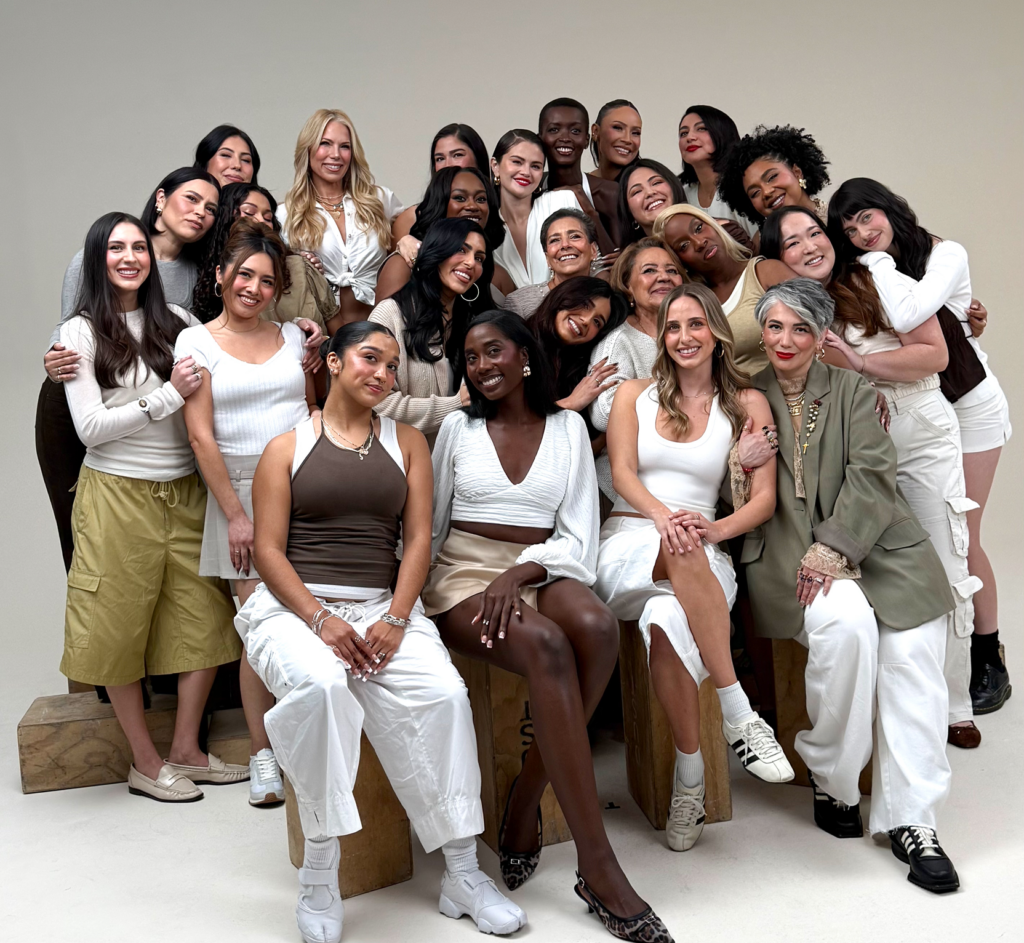
“Rare Beauty seems to understand that seeing themselves fully may also become a form of belonging.”
CREDITS
Brand: Rare Beauty
Founder: Selena Gomez
Chief Marketing Officer: Ashley Murphy
Chief Brand Officer: Joyce Kim
SVP of PR & Influencer: Jessica White
Director of Influencer Marketing: Erin Smith
Director of Creative Strategy: MacKenzie Kassab
Director of Global Artistry: Cynthia Di Meo
Manager of Social Media & Content: Emily Ceja
Photographer: Brittany Bravo with Apostrophe Reps
Videographer: Jeff Melgar
Production & Casting: Caravan Club