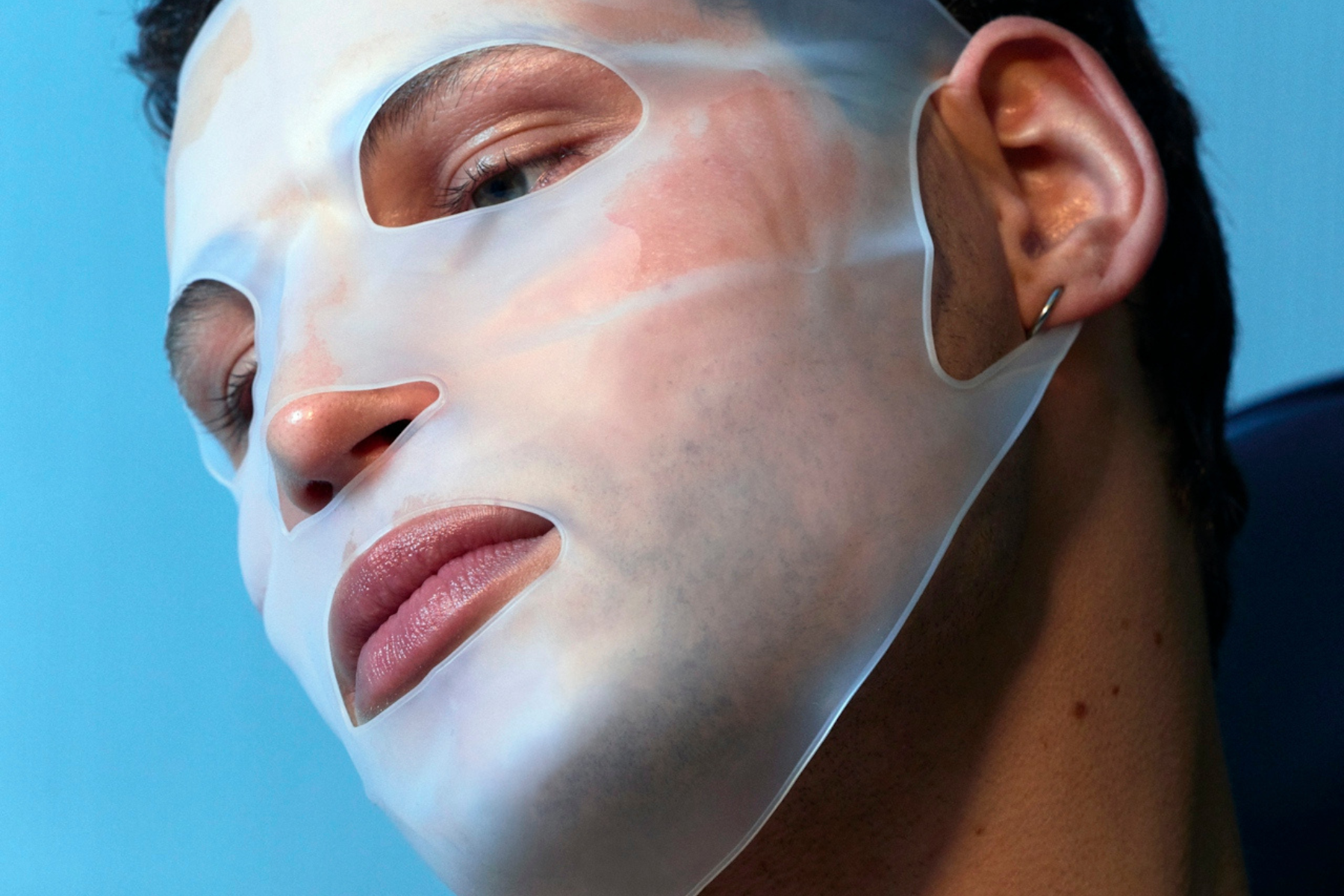
The so-called pregnancy glow is one of the most repeated simplifications in contemporary beauty culture. The image works because it is clean: luminous skin, hormonal softness, a kind of uniform radiance that seems to accompany gestation. Yet when the process is observed through physiology rather than aesthetics, the phenomenon becomes considerably more complex.
During pregnancy, sustained increases in estrogen and progesterone enhance cutaneous vascularization, which in some women can translate into greater luminosity. That same hormonal stimulation, however, significantly activates melanocytes. Up to 90 percent of pregnant women develop some degree of hyperpigmentation.
Melasma, often referred to as the mask of pregnancy, can affect between 36 percent and 75 percent of women depending on geographic region, sun exposure, and genetic predisposition. In broader analyses, global prevalence tends to range between 15 percent and 50 percent, depending on the population studied.
Author: Claudia Valdez
Variations Are Not Uniform
In women with higher phototypes, including many Latina, Asian, African, and darker skin tones, melanocytic activity is naturally more intense, increasing the likelihood of visible or persistent pigmentation. In these groups, melasma often appears more frequently and with greater depth. The linea nigra, areolar pigmentation, and darkening in areas of friction also tend to be more pronounced in skin with higher melanin concentration.
In lighter skin tones, while overall incidence may be lower, inflammation and erythema often become more noticeable. Increased vascularization can lead to diffuse redness and visible sensitivity. In both cases, the phenomenon is endocrine rather than aesthetic.
Age introduces further nuance. Pregnancies in women over 35 show a higher tendency toward persistent hyperpigmentation and slower barrier recovery, likely due to reduced regenerative capacity and cumulative changes in collagen and elastin.
Approximately 40 percent of women experience inflammatory breakouts or shifts in acne behavior, even in previously stable skin. Less visible but clinically relevant is the increase in transepidermal water loss, which explains sudden dryness or reactivity to ingredients that were once well tolerated.
Pregnancy does not beautify the skin in a uniform way, it subjects it to metabolic adaptation.
“Gestational skin redefines its threshold of tolerance,” note specialists in obstetric dermatology.
“Gestational skin redefines its threshold of tolerance,” note specialists in obstetric dermatology.
Photoprotection That Respects Pregnancy Physiology
“Photoprotection becomes structural. Mineral filters such as zinc oxide and titanium dioxide, found in formulas like Anthelios Mineral SPF 50 or EltaMD UV Physical SPF 41, offer a tolerance profile more aligned with pregnancy.”
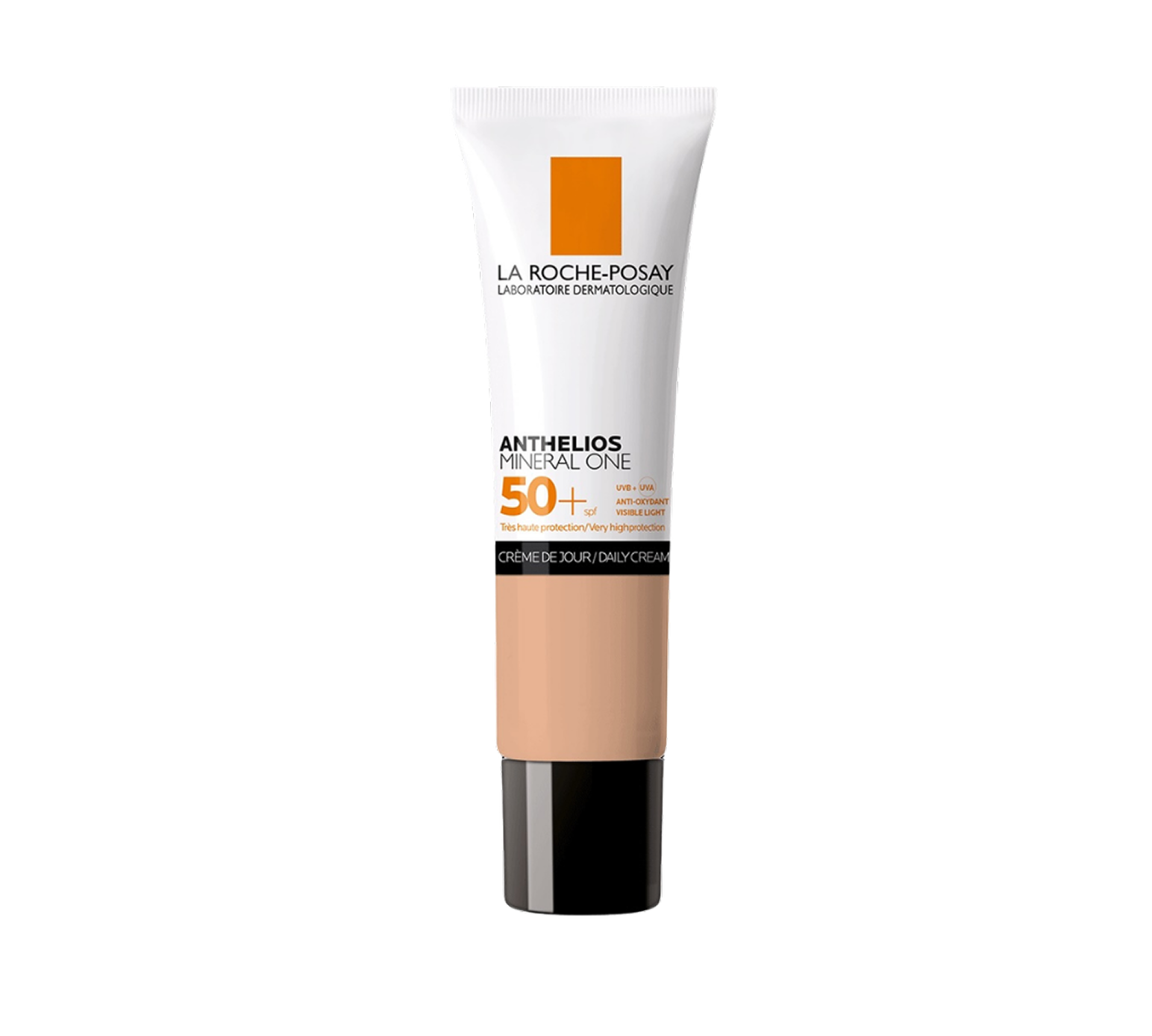
La Roche-Posay Anthelios Mineral SPF 50: fully mineral formula, lightweight texture, high tolerance for sensitive skin.
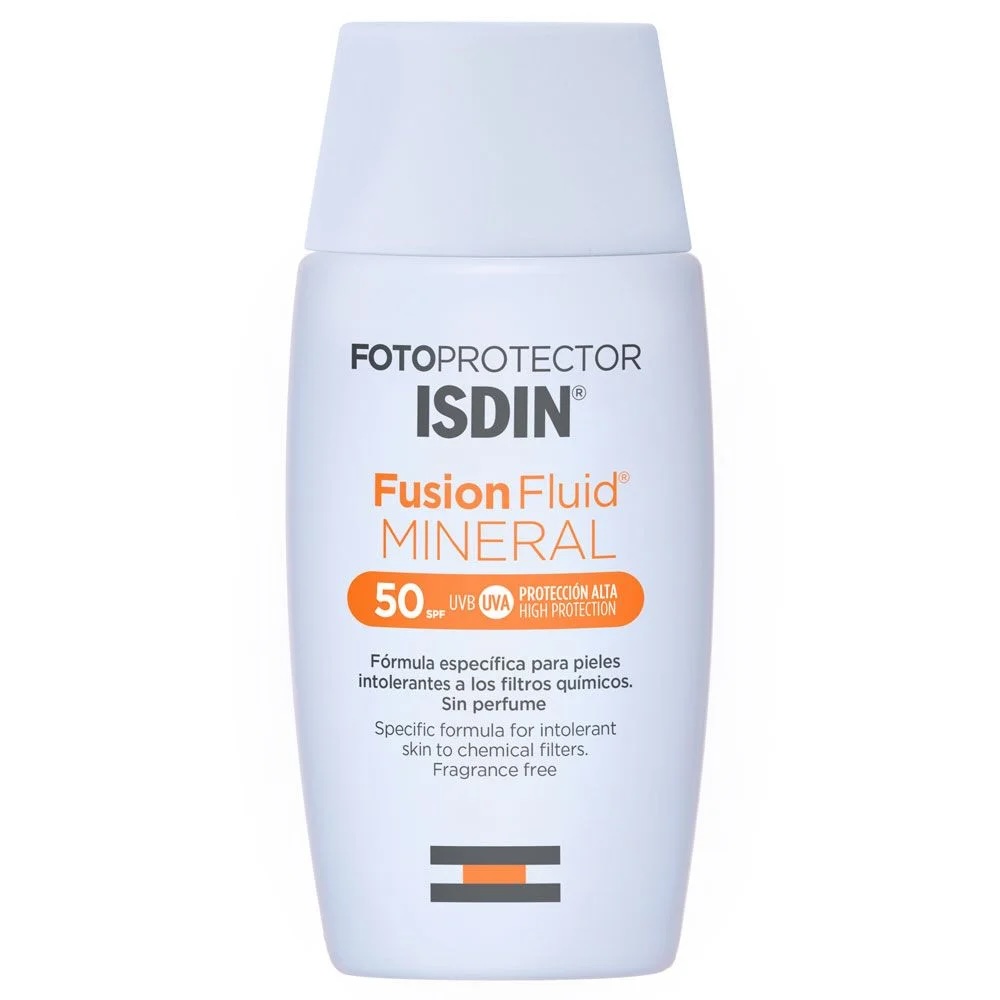
ISDIN Fusion Mineral SPF 50: mineral based formula with a comfortable finish on reactive skin.
Systemic Safety and Silent Reformulation
For years, the industry celebrated intensity as proof of efficacy. Nightly retinoids, combinations of alpha and beta hydroxy acids, periodic chemical peels designed to accelerate epidermal turnover. Pregnancy introduces a clear boundary: systemic safety takes priority.
Topical retinoids are contraindicated due to the documented teratogenic risk associated with their systemic counterparts. Hydroquinone shows absorption rates that may reach between 35 percent and 45 percent, which is why it is discouraged during pregnancy. High concentrations of salicylic acid, particularly when applied extensively, require medical supervision.
The shift is evident. The conversation moves toward ingredients with stronger safety profiles and barrier support: ceramides, cholesterol, essential fatty acids, panthenol, glycerin, and niacinamide in moderate concentrations. Azelaic acid, supported in the treatment of inflammation and hyperpigmentation and generally considered safe under medical guidance, becomes a preferred alternative to more aggressive depigmenting agents.
Photoprotection takes on structural importance, particularly in women prone to melasma and in medium to higher phototypes. Mineral filters such as zinc oxide and titanium dioxide are often favored for their stability and lower systemic absorption compared to certain chemical filters.
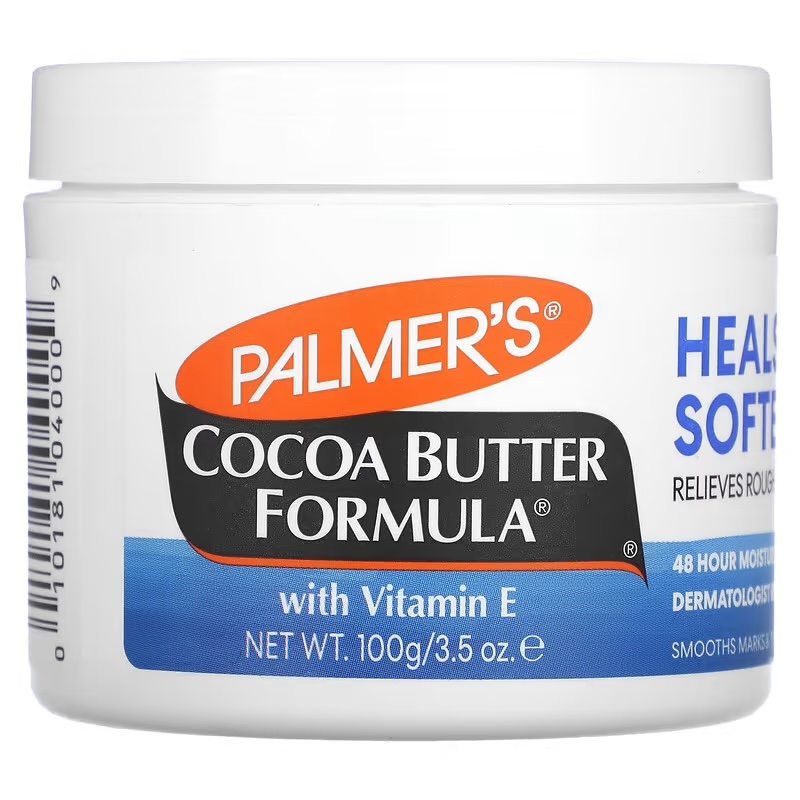
Even in the body, where stretch marks often generate anticipatory anxiety, evidence remains restrained. There is no topical treatment with guaranteed efficacy in preventing them. Genetics, dermal elasticity, and mechanical stretching are determining factors. Consistent use of emollient rich formulations can improve elasticity and comfort, but it does not alter outcomes absolutely.
Barrier Support and Cutaneous Nutrition
“The conversation shifts toward ingredients with stronger tolerance profiles and barrier support. Ceramides and structural lipids, present in formulas such as CeraVe or Avène Tolerance Extreme, help sustain skin integrity during gestation.”
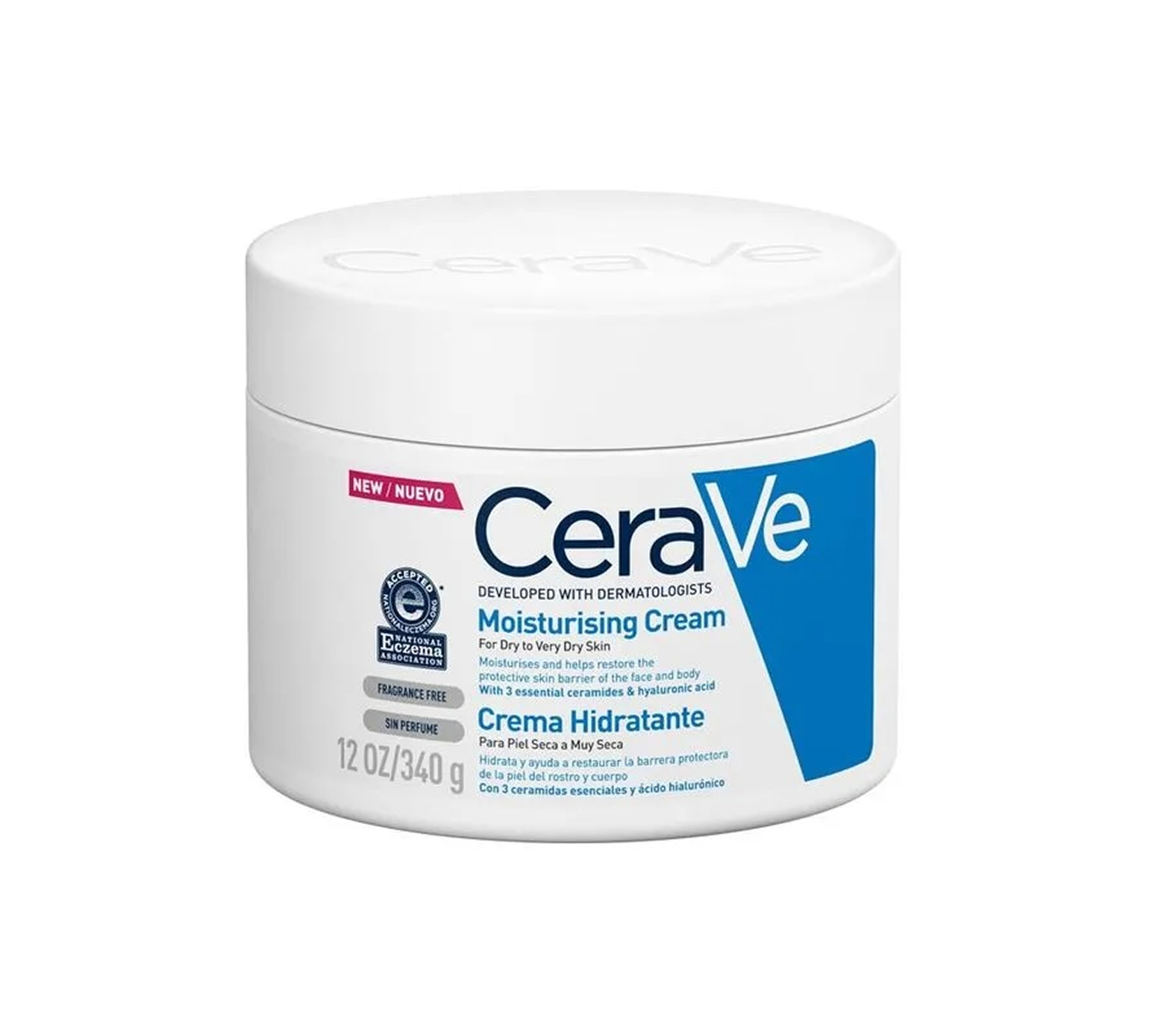
CeraVe Moisturizing Cream: ceramides and hyaluronic acid for barrier reinforcement.
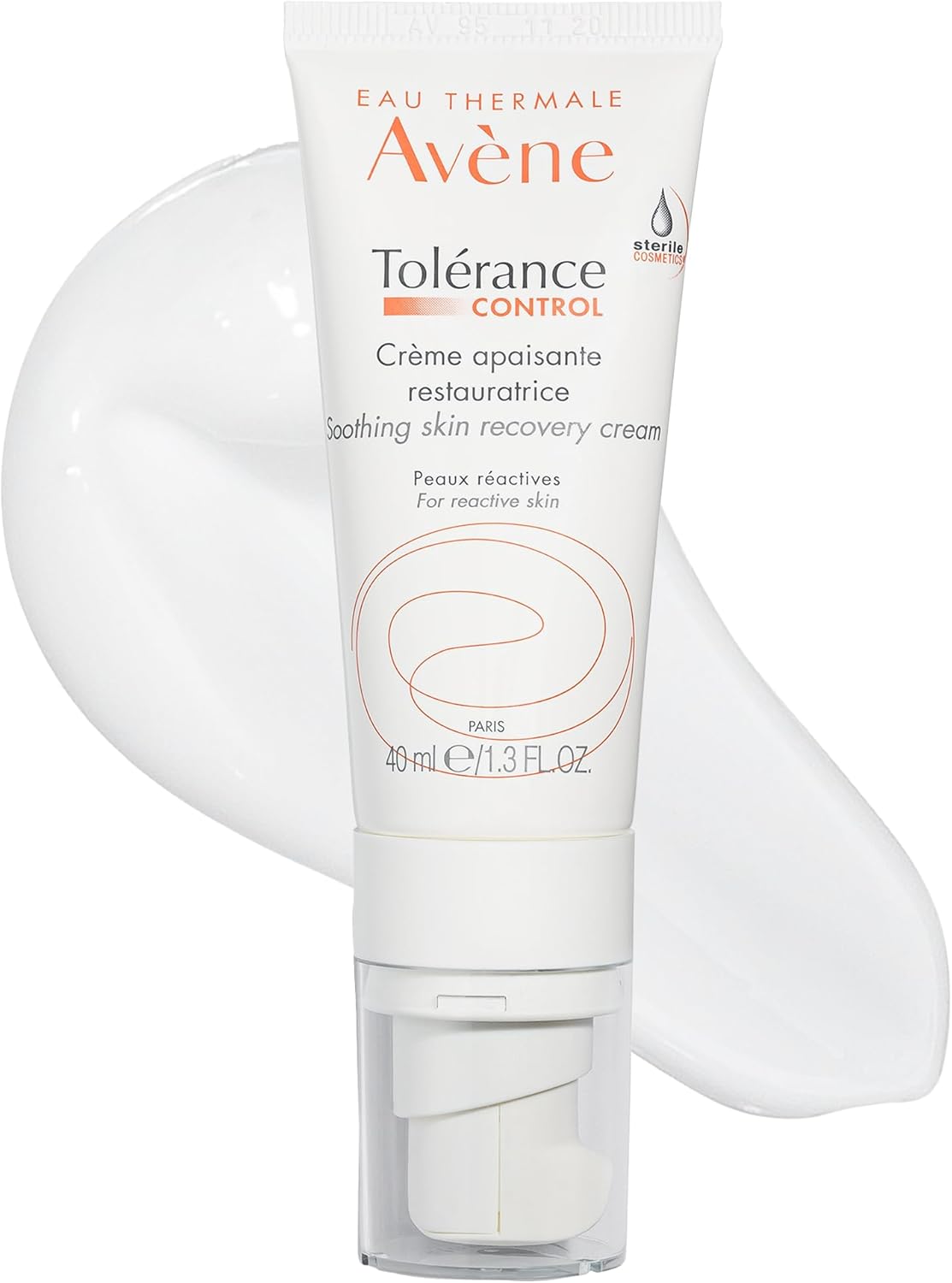
Avène Tolerance Extreme Emulsion or Cream: minimal irritation formula, fragrance free.
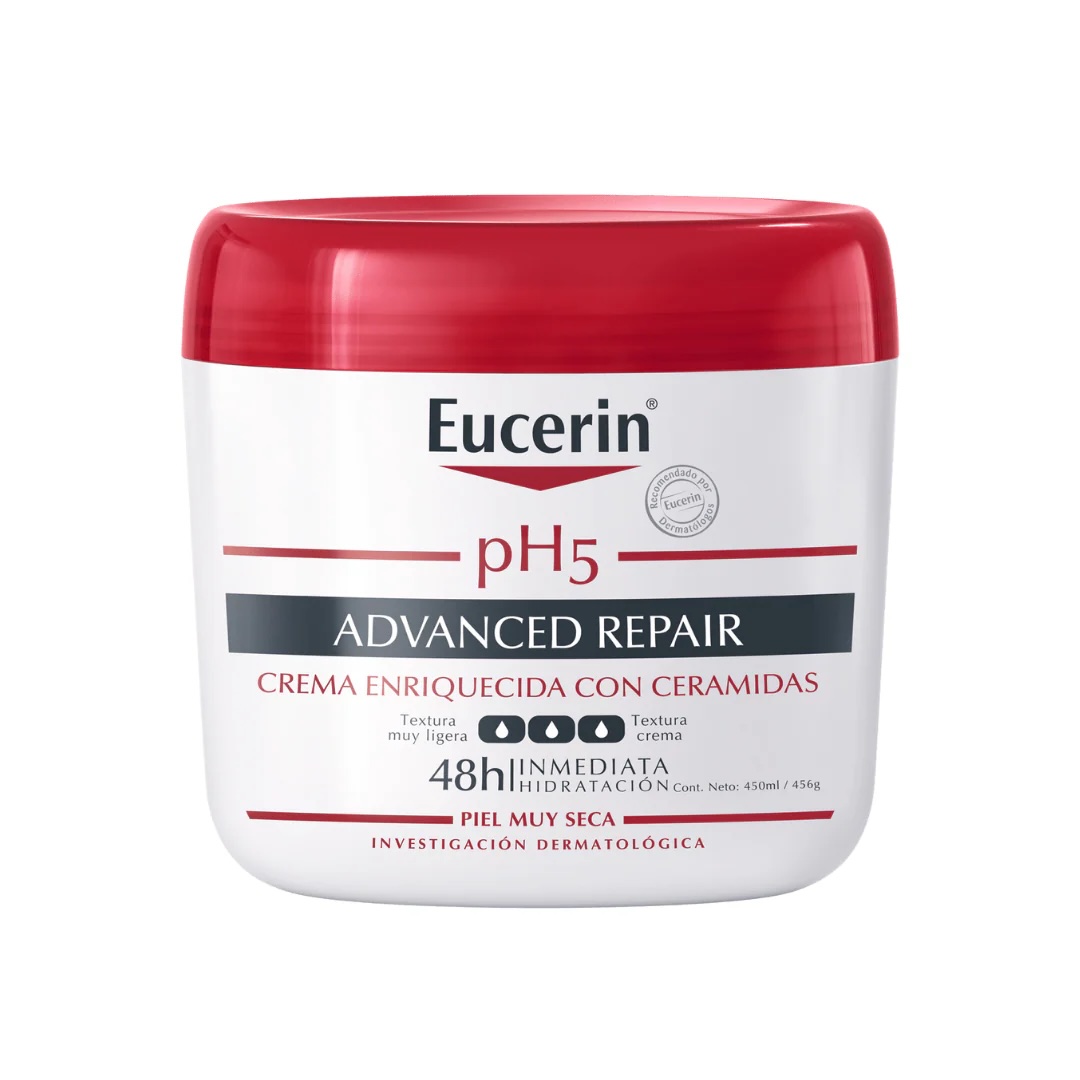
Eucerin Advanced Repair Cream: emollient rich formula designed to relieve dryness and support elasticity.
From Mother to Newborn
Pregnancy does not only transform maternal skin. It also reshapes how neonatal skin is approached. The newborn’s skin barrier continues maturing during the first weeks of life and presents greater permeability than adult skin. The acid mantle stabilizes gradually and the microbiome is still developing. These characteristics explain the growing tendency within pediatric dermocosmetics to reduce fragrance, simplify preservative systems, and prioritize tolerance studies specific to sensitive populations.
The global maternal and infant care market exceeds 60 billion dollars and continues to grow steadily. This growth is not driven solely by birth rates but by behavior. Pregnant women research more thoroughly than almost any other segment of the cosmetic market. They read labels. They compare absorption data. They ask about bioavailability and clinical backing.
Pregnancy turns women into the most rigorous filter the cosmetic industry encounters.
Gentle Cleansing That Protects the Barrier
“Cleansing must remain respectful of the barrier. Micellar waters such as Sensibio H2O or hydrating cleansers from CeraVe minimize disruption without altering the microbiome.”
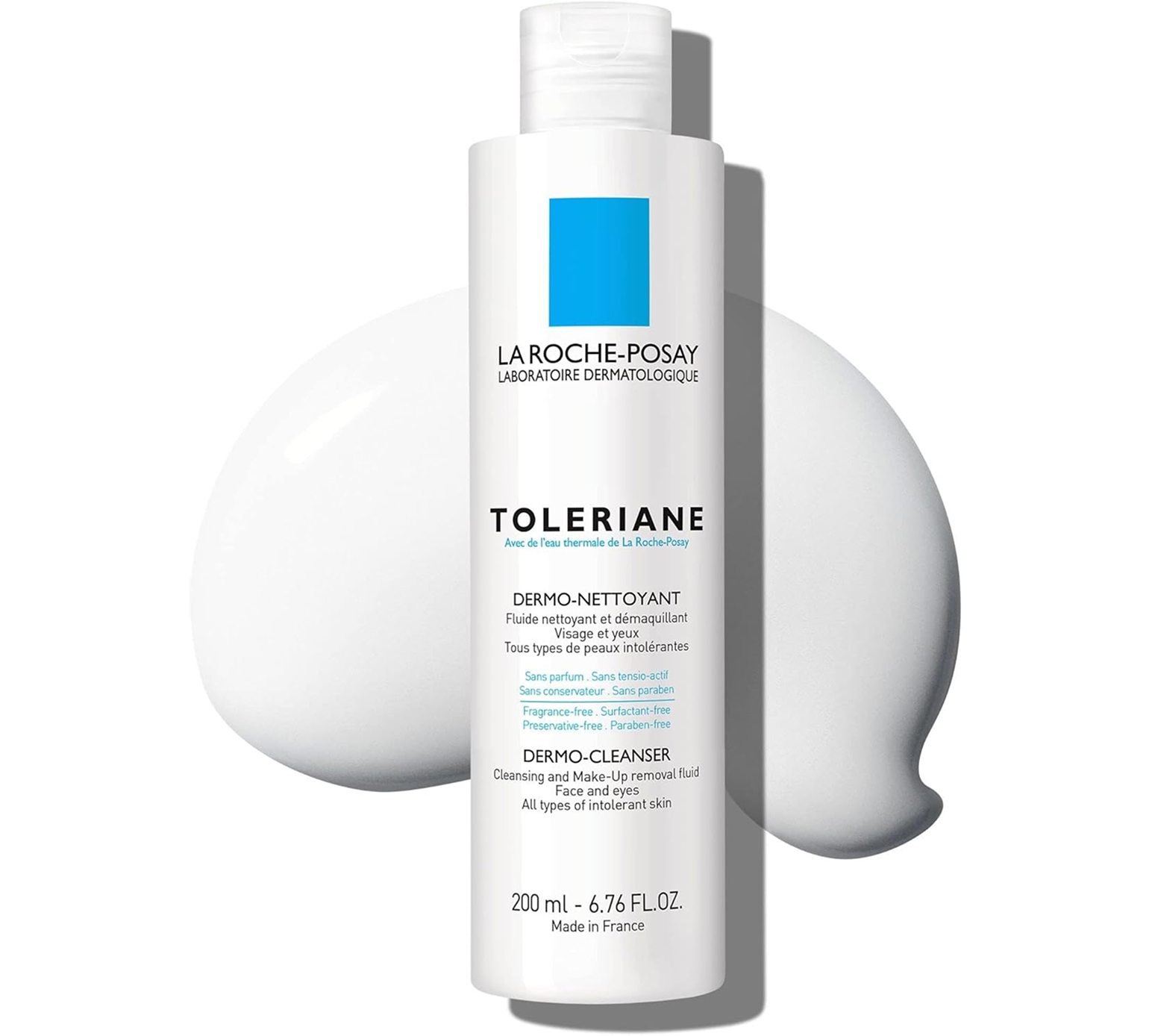
La Roche-Posay Toleriane Hydrating Gentle Cleanser – fragrance free, non stripping formula.
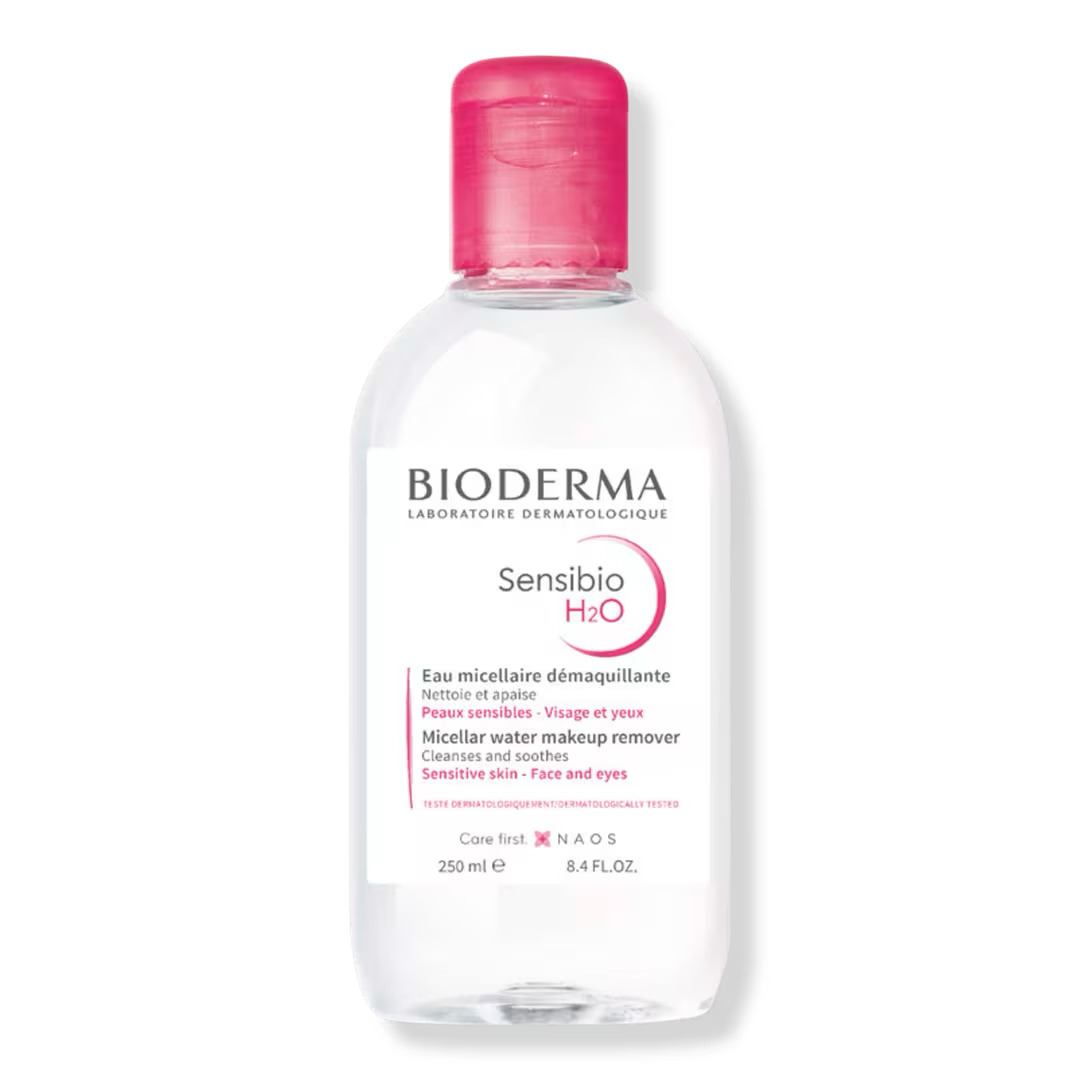
Bioderma Sensibio H2O – gentle micellar water for sensitive skin.
Beyond the Glow
The romanticization of glow simplifies what is fundamentally a hormonal, immunologic, and metabolic process. It obscures how incidence and depth of skin changes vary according to phototype, genetics, and age. It overlooks modulated inflammation, persistent pigmentation, and the need for formulation restraint.
The impact of pregnancy on skincare is not merely visual, it is structural, it forces a review of concentrations, a reassessment of high absorption actives, and a demand for greater precision in communication.
Glow may exist, it does not define the experience. Gestational biology sets clear boundaries, and within those boundaries a higher standard of formulation, research, and transparency in women’s care is quietly taking shape.
Body Hydration and Elasticity Support
“In body care, hydration with emollients such as shea butter or formulas like Mustela Stelatopia can improve elasticity and comfort, although no topical guarantees absolute prevention of stretch marks.”
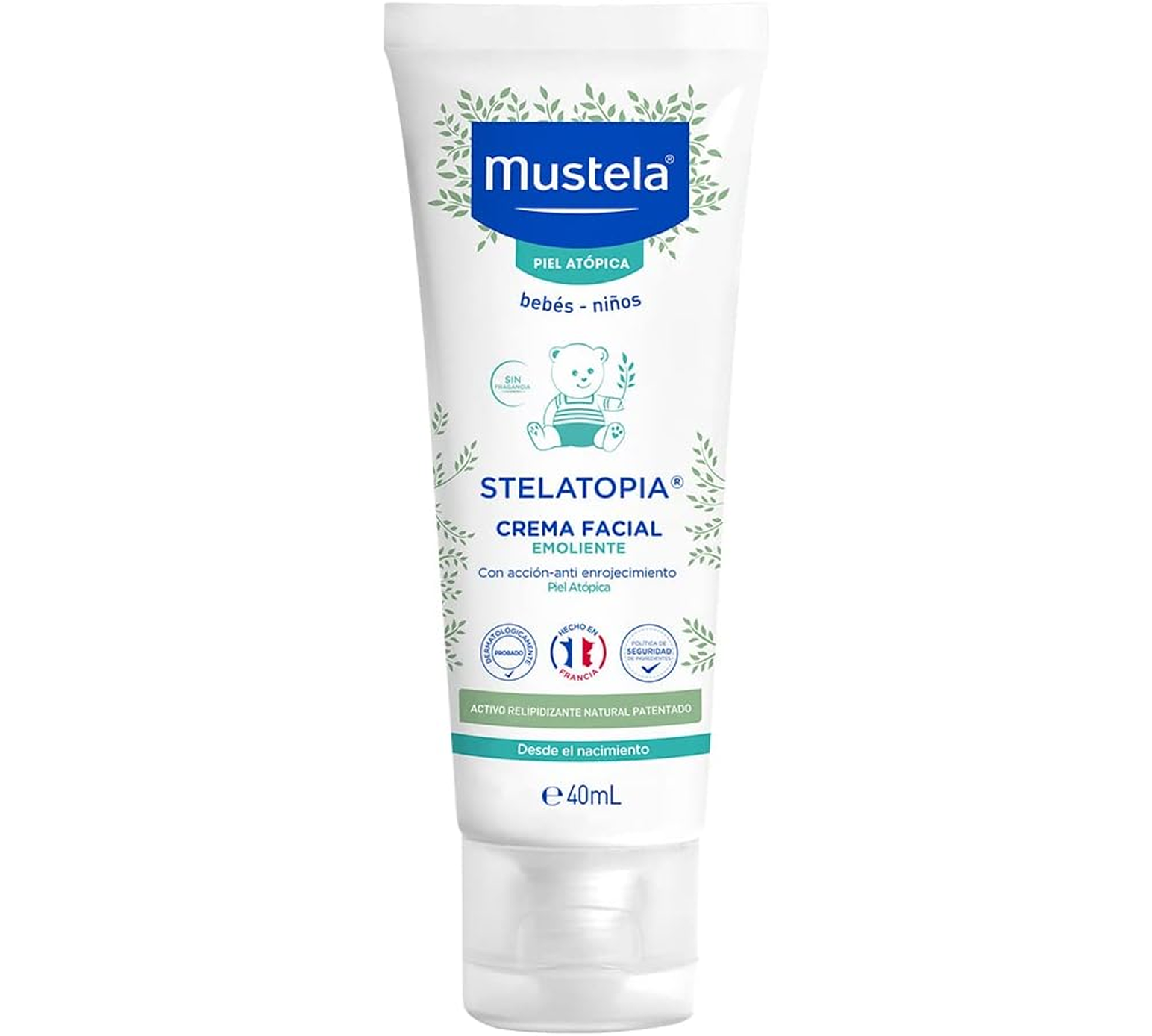
Mustela Stelatopia Emollient Cream or Lotion: clinically tested for sensitive skin.
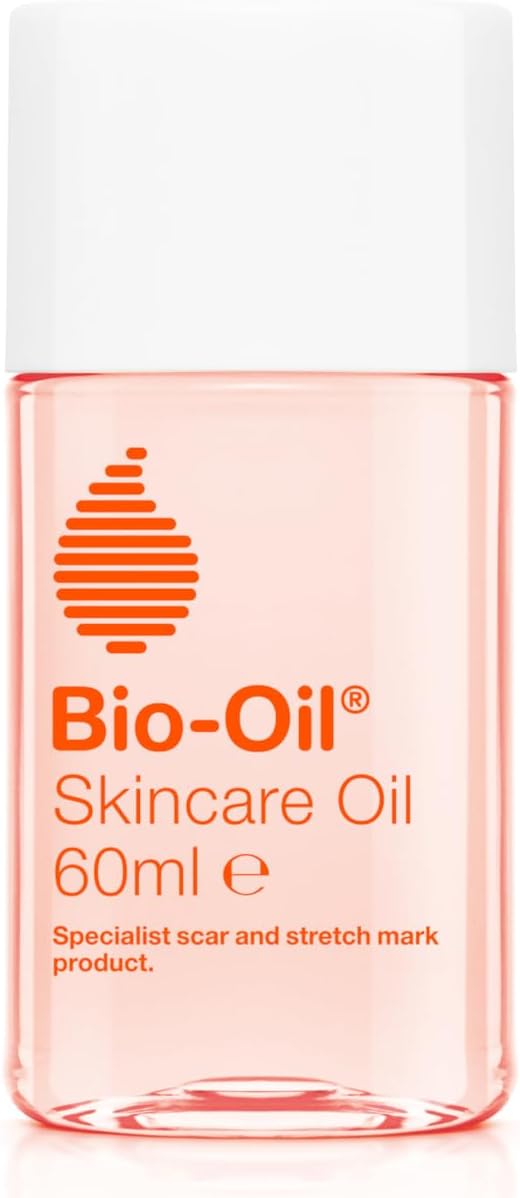
Bio-Oil Skincare Oil:formulated for intensive hydration.