There are ideas that are not born to function. They are born to insist, even when they do not fit. In the year 2000, KENZO did something that responded to no market logic: to perfume a poppy.
Not reinterpret it or romanticize it, but to construct from zero the idea of its scent. That gesture, which in another context might have remained purely conceptual, ended up altering the way we understand contemporary perfumery. Flower by KENZO did not become iconic for what it contained, but for what it proposed: that the invisible can also take form.
Twenty-five years later, that same tension does not disappear, it intensifies. The flower ceases to be the center. The language shifts. The question becomes more complex. It is no longer about imagining what has no scent, but about sustaining something even more abstract: a color. Red. Not as a surface, not as an aesthetic, but as presence.
Author: Claudia Valdez
Red as material, not reference
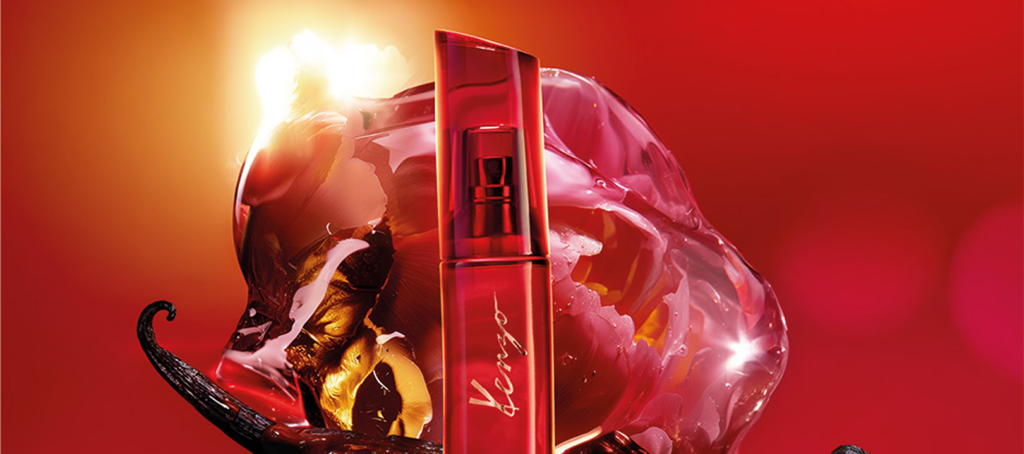
In Japan, red is not contemplated, it is recognized. It is tied to what is vital, to what protects, to what is non-negotiable. It is a color that does not describe, it asserts. KENZO does not take it as visual inspiration, but as a material that can be contained, modulated and brought onto the body.
Le Rouge Flower does not represent red, it turns it into an experience. And in that shift, something subtle yet definitive happens: the fragrance stops relying on a symbol and becomes an autonomous sensation. It no longer translates something external. It sustains itself. It is more direct, more aware, less interested in being quickly understood.
Le Rouge Flower does not represent red, it turns it into an experience
The precision of a contradiction
There is a tension that runs through the entire composition and defines its character. A gourmand that does not weigh. A sweetness that does not become obvious. A warmth that does not invade, but does not withdraw either.
It is not a fragrance built through accumulation, but through control. Everything feels measured to avoid excess, to avoid fully resolving, to remain in a point where each element contains the next. The opening, clean and almost airy, does not seek protagonism, it creates space. The flower, far from any romantic reading, gains density and structure. And the base, warm yet restrained, does not close the journey, it suspends it.
It does not impose itself, it remains, and in that gesture there is something deeply contemporary: a fragrance that does not need to explain itself to sustain itself.
Removing the flower to understand it
The most radical movement is not in the formula, but in the absence. The poppy disappears.
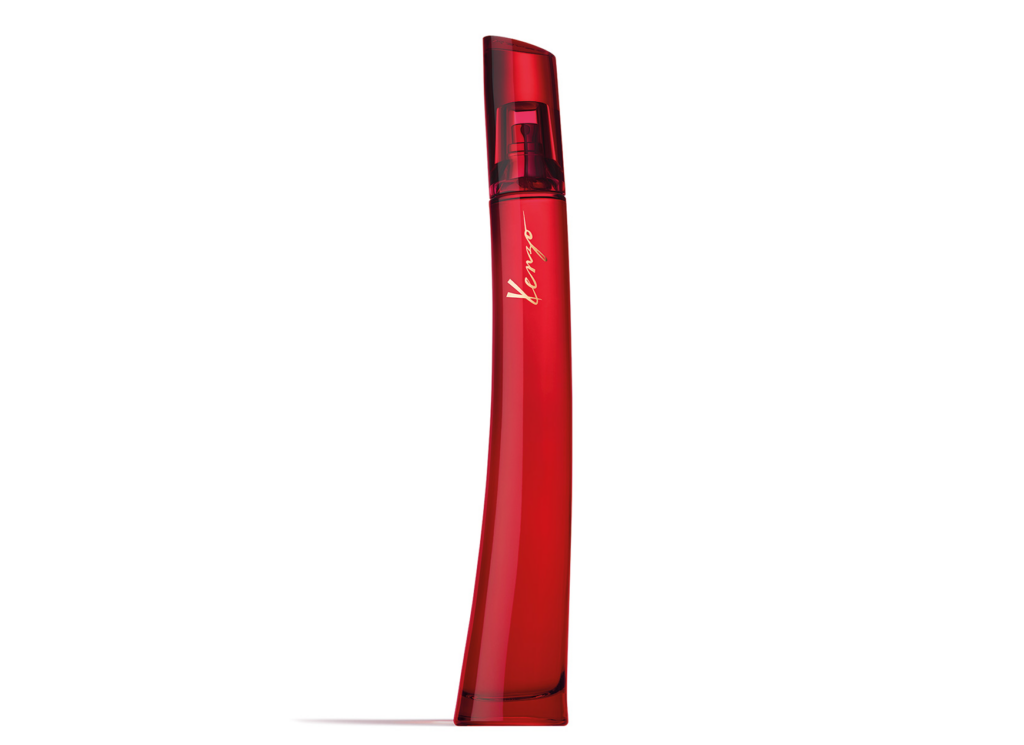
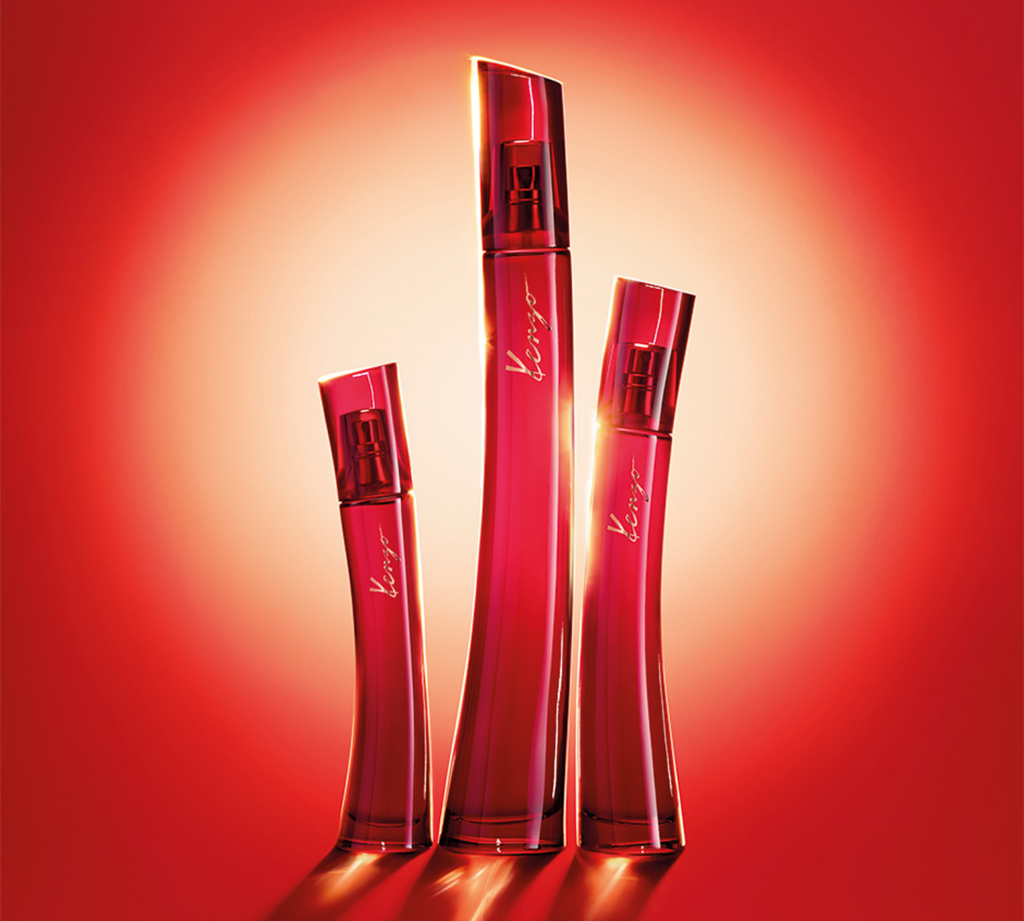
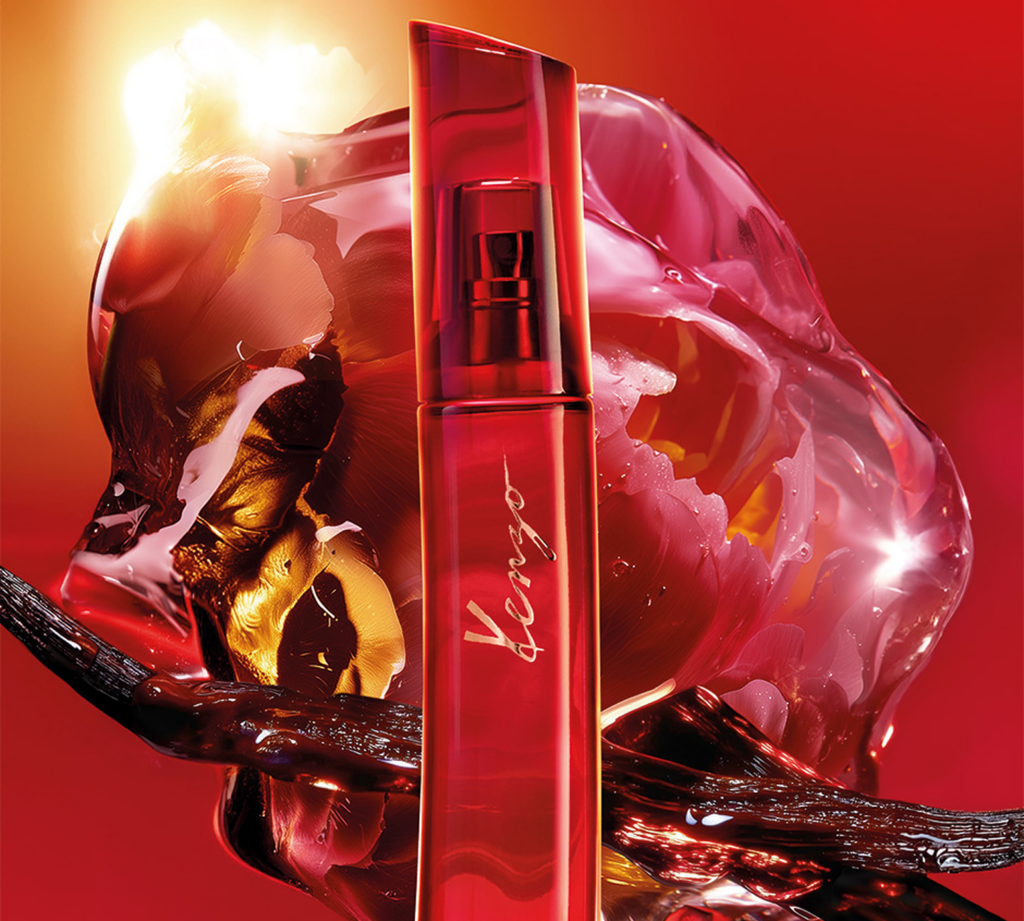
After years of being the visual axis, KENZO decides to eliminate it completely. There is no representation, no literal narrative, no symbol that facilitates interpretation. Only a red object, lacquered, absolute. A volume of color crossed by a golden logotype that does not decorate, it defines. That emptiness is not aesthetic, it is a language decision.
KENZO stops showing the flower in order to inhabit what the flower always suggested. Intensity, contained fragility, contradiction. From the recognizable to the essential. From form to weight.
A presence that does not adapt
Something also shifts in the way this fragrance occupies the body. It does not seek to soften, it does not translate itself into familiar codes, it does not try to please from the obvious. It positions itself.
Le Rouge Flower proposes a femininity that is not built from delicacy nor from external approval. It is a presence that does not explain itself, that does not dilute, that does not negotiate its intensity. And at that point, the fragrance stops being an accessory. It becomes a direct extension of the person wearing it, not as ornament, but as affirmation.
fragrance stops being an object and becomes language. And language, when it is precise, is never forgotten.
Luxury as clarity
Reducing this conversation to ingredients, percentages or processes would be to miss the essential. What defines Le Rouge Flower is not what it contains, but the clarity with which it sustains itself.
In an industry saturated with stimuli, where everything seeks to be immediate and understandable, there is something radical in proposing the opposite: an experience that does not exhaust itself in a first reading, that does not fully reveal itself, that does not seek external validation. Luxury, here, is not in excess, it is in the precision of knowing exactly how far to take an idea without breaking it.
Le Rouge Flower by KENZO is not an evolution nor a reinterpretation, it is a sustained affirmation over time. A way of demonstrating that when an idea is strong enough, it does not need to reinvent itself. It only needs to be pushed further, to the point where it stops explaining itself and begins to be felt.
And in that place, increasingly rare, the fragrance stops being an object and becomes language. And language, when it is precise, is never forgotten.