For decades, the hotel spa occupied a stable territory within the imagination of luxury. It was a space where the body surrendered to a choreography of rest: trained hands, warmed oils, lighting designed not to demand anything in return.
The purpose was not to understand internal processes or intervene in complex systems, but to relieve visible tension and restore a general sense of well-being.
That notion has evolved. Skin ceased to be understood solely as an aesthetic surface and began to be discussed as a dynamic organ, exposed to constant inflammation, environmental stress, and cumulative imbalances. The medical conversation around low-grade chronic inflammation transformed the way certain brands began to formulate.
It was no longer just about stimulating superficial renewal, but about addressing deeper functions, from the skin barrier to cellular response.
Author: Claudia Valdez

Science applied to the contemporary ritual.
It is within this context that the arrival of Epicutis at The St. Regis Spa Mexico City takes place. The brand was developed by Signum Biosciences, a biotechnology company with more than two decades dedicated to researching cellular signaling and inflammation processes. What distinguishes Epicutis is not only its scientific narrative, but the fact that its actives were developed from proprietary molecular research, with a specific focus on inflammatory modulation and skin resilience.
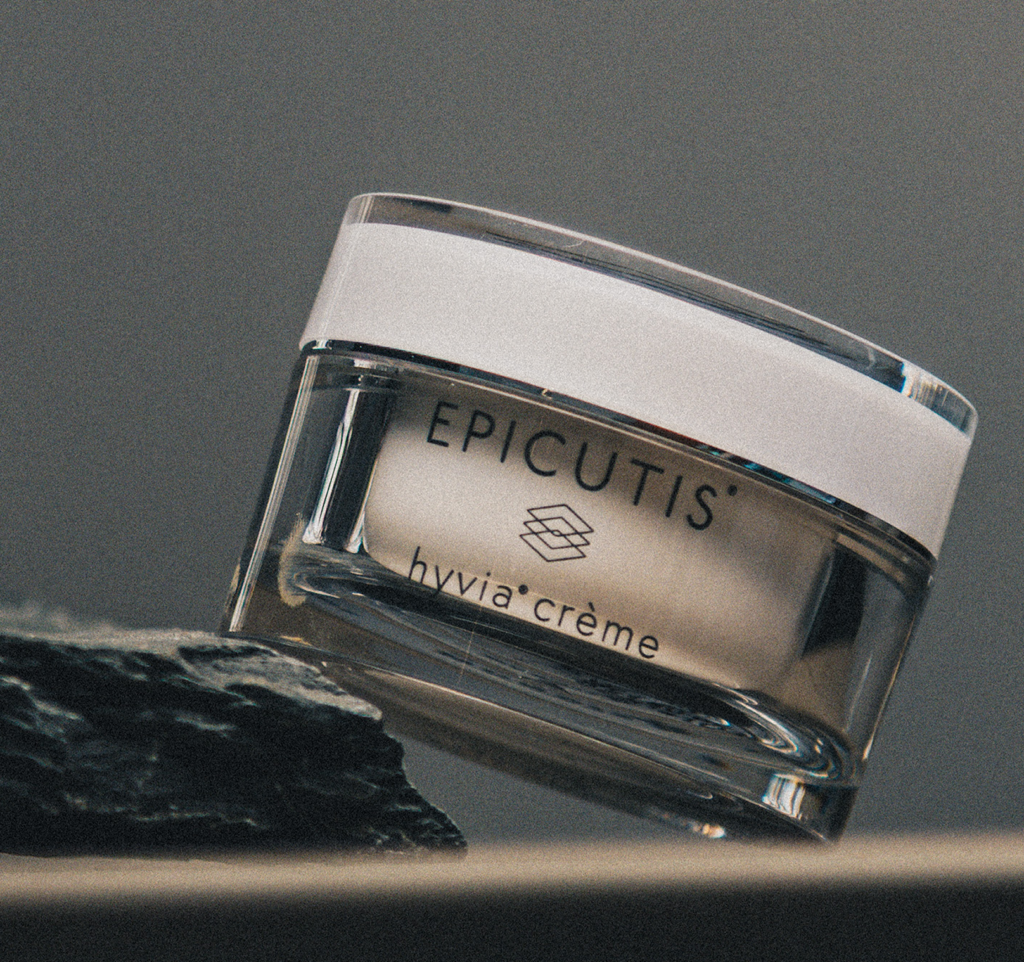
The proposal centers on three key molecules. TSC®, a lipid designed to reinforce the skin’s natural barrier and support repair processes without causing irritation. Hyvia®, derived from chia seeds, which delivers essential fatty acids and helps maintain hydration and skin stability.
And Arctigenin, an antioxidant studied for its ability to reduce cellular stress and support healthy skin function. These actives are integrated into deliberately contained formulas, where the number of ingredients remains limited to reduce variables that may disrupt the skin’s natural function.
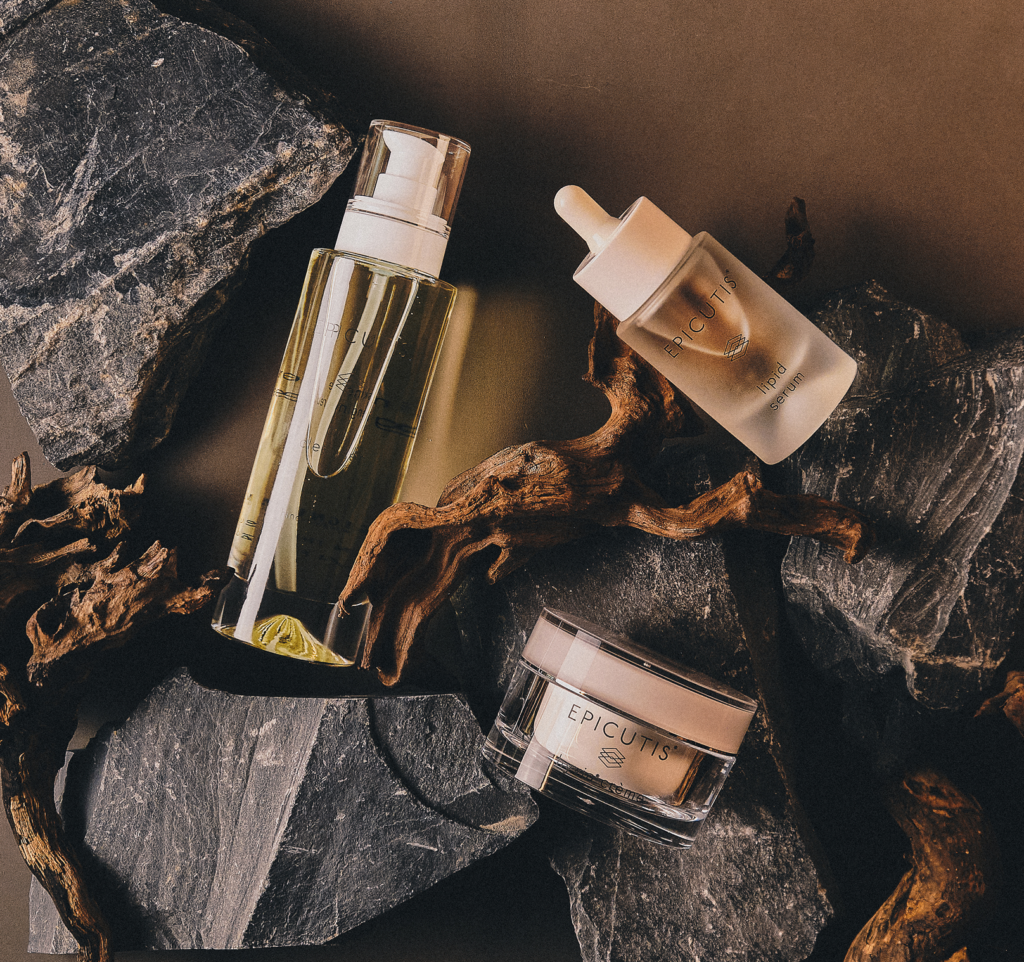
The Epicutis line includes gentle cleansers that respect the barrier, lipid serums designed for sensitized or post-procedure skin, moisturizers centered on deep repair, brightening treatments, and intensive recovery masks. There are also body formulas and hydrating mists that follow the same biotechnology-driven precision. It is not about multiplying steps, but about sustaining a coherent routine focused on functional health rather than immediate cosmetic promise.
Maxwell Stock, CEO of Epicutis, has described the brand’s approach as a commitment to precision over accumulation. The goal is not to add complexity, but to intervene with clear and controlled intention. In an industry where potency is often confused with saturation, that restraint becomes meaningful.
The intention is not to multiply steps, but to sustain a coherent routine centered on functional skin health rather than immediate cosmetic promise.

Hospitality grounded in knowledge
That this line is offered exclusively within The St. Regis Spa Mexico City adds a layer of interpretation that goes beyond geographic availability. The hotel has consolidated an idea of hospitality rooted in precision and detail without excess. Integrating Epicutis into that environment suggests conceptual alignment: a brand that prioritizes molecular control within a space that privileges personalization and careful calibration.
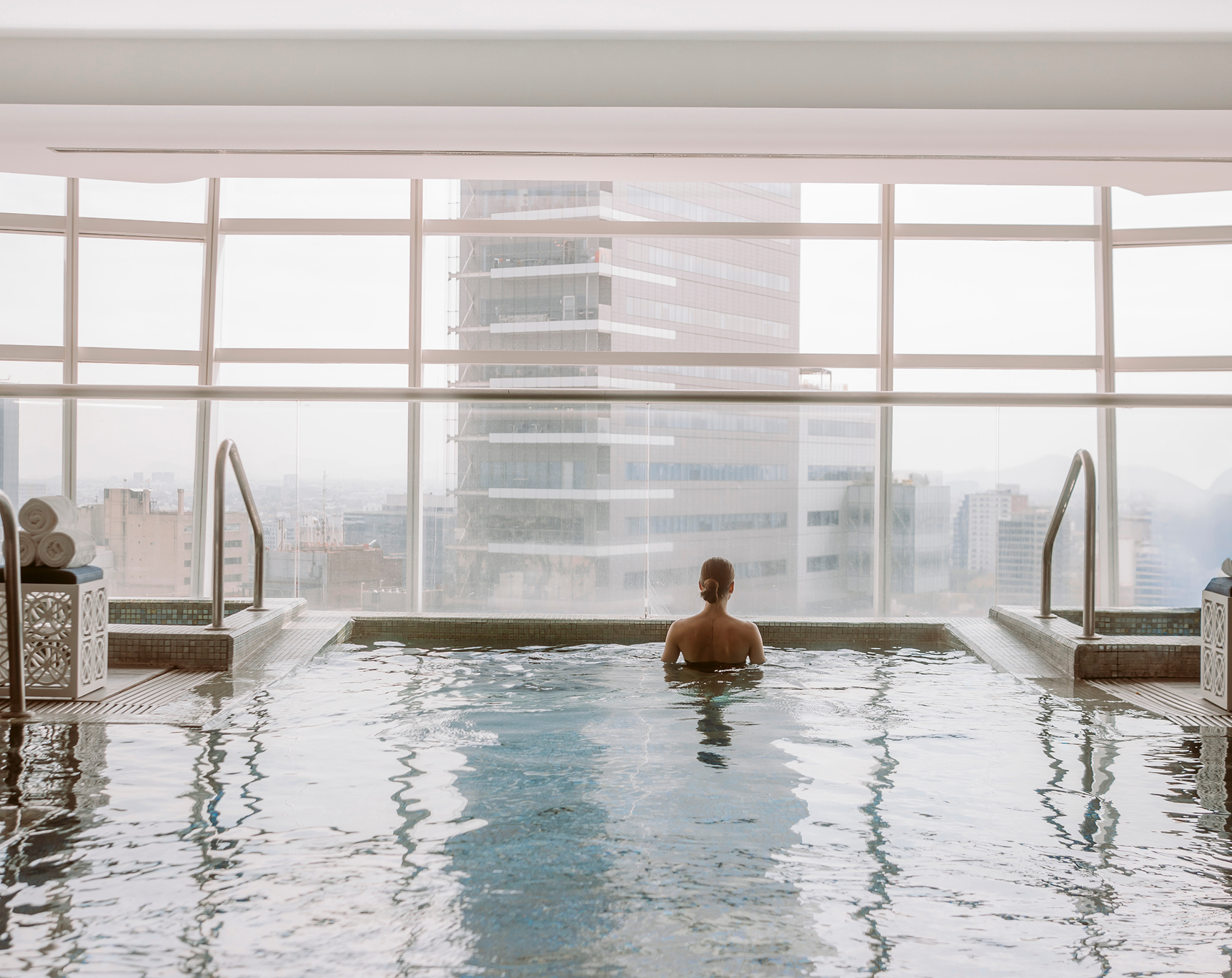
The spa maintains its serene atmosphere—private cabins, relaxation areas, access to an indoor pool—but the protocols now incorporate actives that speak to the contemporary conversation around inflammation and skin resilience. This is not about transforming the experience into a clinical procedure, but about accepting that care can be grounded in research without losing its sensory dimension.
Daniela Martínez, spa director, explained when presenting the collaboration that the intention was for each treatment to be supported by knowledge, without altering the essence of the ritual. Science does not replace the experience; it informs it.
The integration of biotechnology into the spa environment does not alter its atmosphere or turn the experience clinical. Rather, it introduces a different layer of intention, where sensory ritual coexists with a more precise understanding of the processes that sustain skin health. Serenity remains, but it is now accompanied by a more informed awareness of what happens beneath the surface, and that coexistence subtly redefines the way contemporary luxury understands well-being.