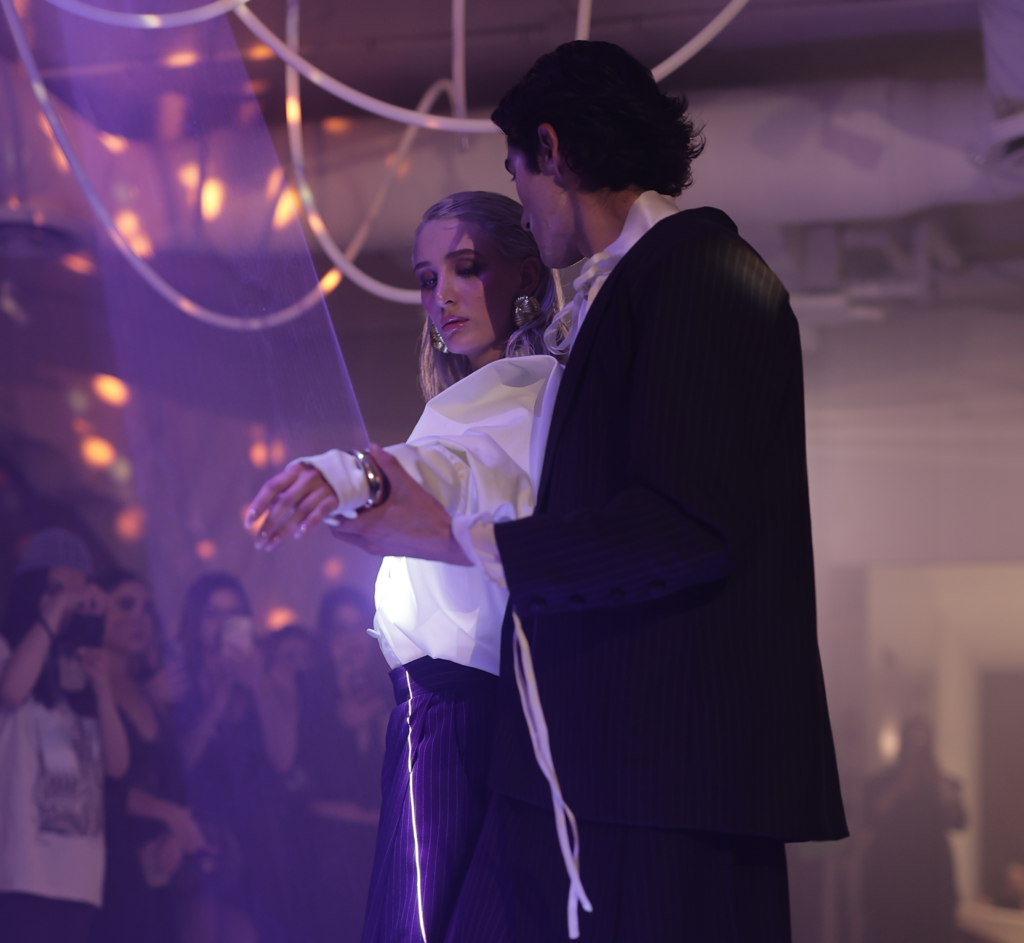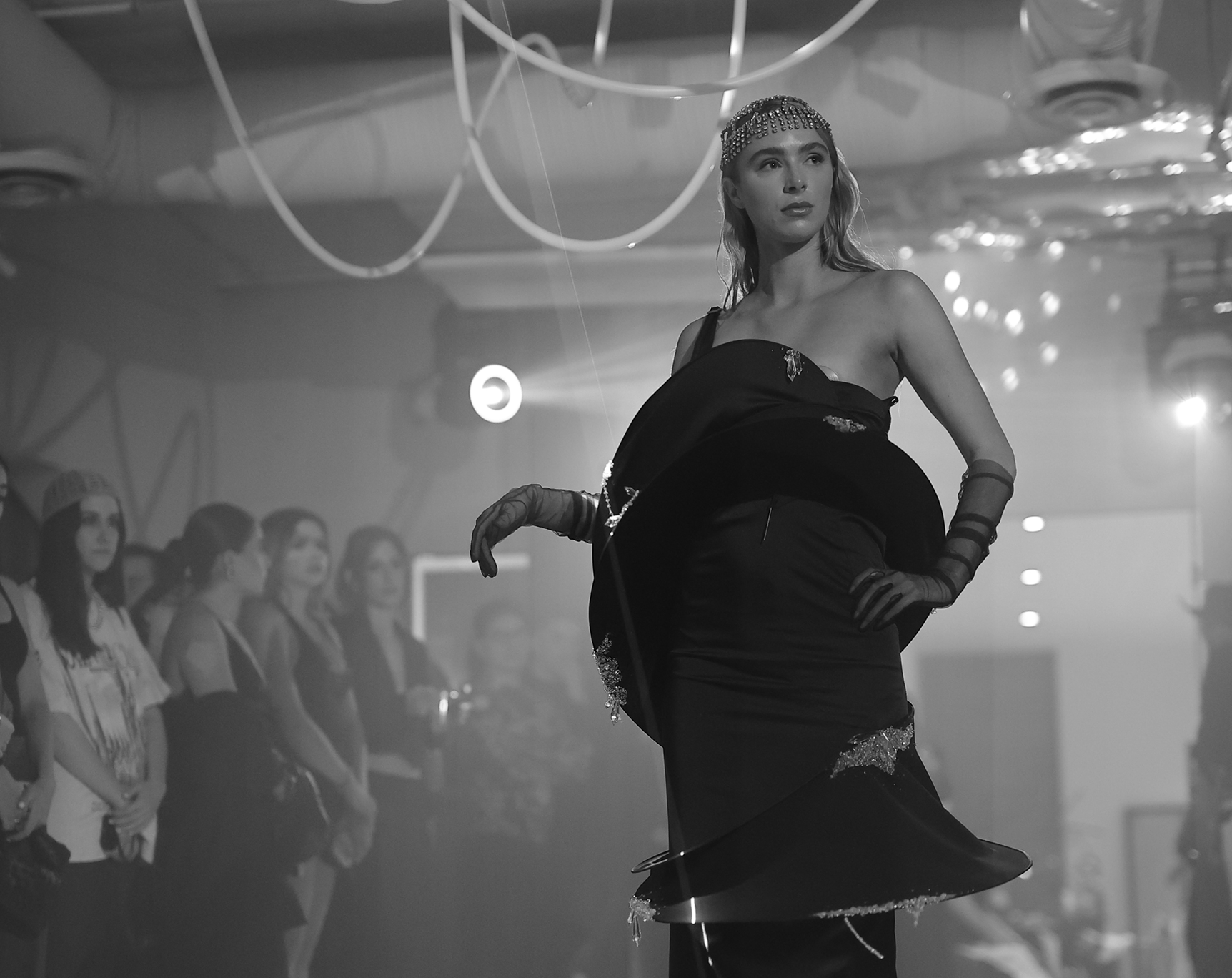
There are creative proposals that understand fashion as surface; something to wear, display and present. Others, however, have started approaching it as a living extension of the body. A space where the silhouette is intervened, expanded and constantly transformed through movement and space. At LEAH Gallery, Embodied Garments explored precisely that conversation.
Through a staging built around a runway-performance, garments stopped feeling static and instead became part of a shared visual exercise between body, sculpture and presence. A moment that also reflects the way this creative hub in Mexico City approaches contemporary fashion: from a much more sensorial and experimental perspective.
Author: aNDREA BAU
Closer to Sculpture Than Trend
Within Mexico City’s creative scene, LEAH Gallery has become one of those spaces beginning to blur the boundaries between art, design, fashion and expression. Rather than functioning as a conventional gallery, the project founded by Denisa Coj and Rosymar González approaches different disciplines through a far more hybrid vision. A living space where curation is also built through experience and perception.
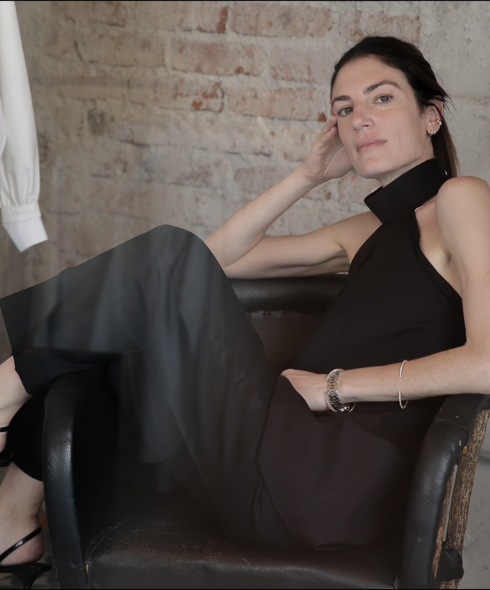
In Embodied Garments, that vision materialized through a performative narrative where garments stopped being understood as static objects. Brands such as Natalia Blanco, Elizabeth Silva, Nabyl Zarina, Serena Creciente, Nómada Studio and WHOTHEFUCKISKEV constructed a visual journey where silhouettes seemed to expand, fragment and constantly transform through movement.
The Body as Performance
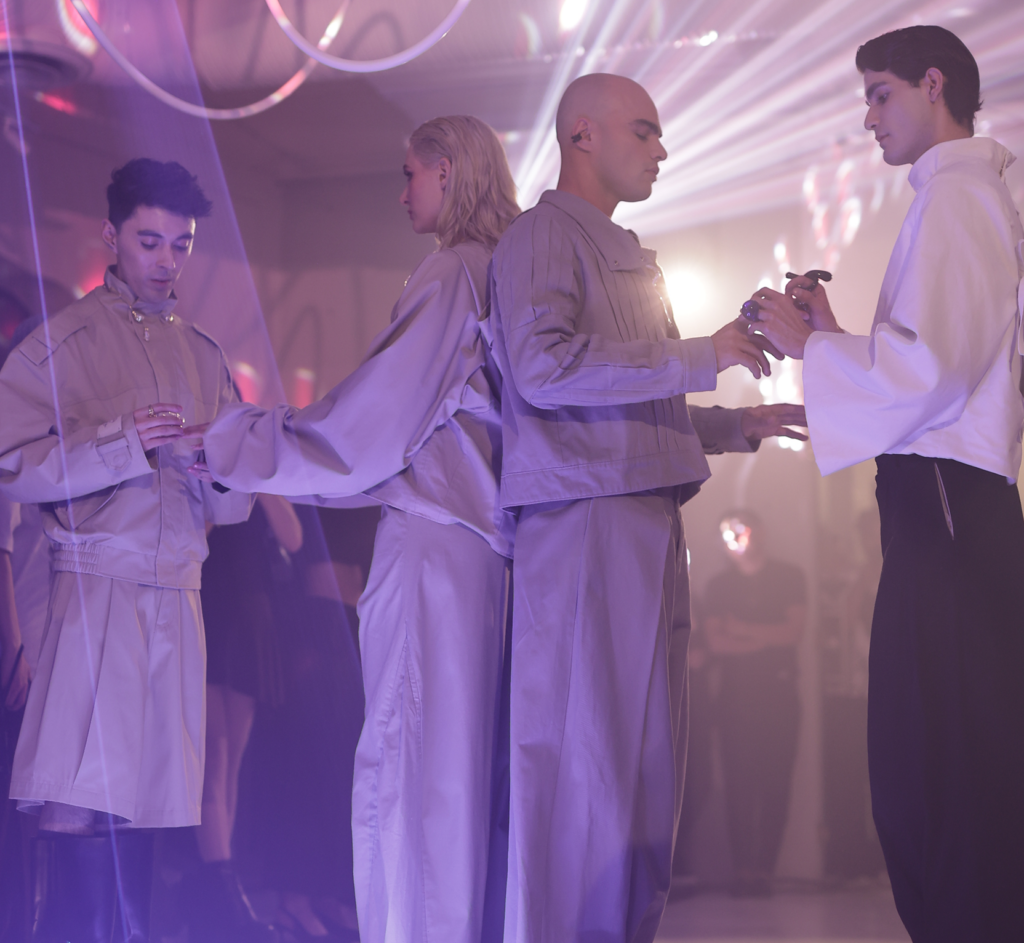
Far from an ordinary runway show, in Embodied Garments bodies seemed to activate each piece in real time. Models moved slowly through the space while silhouettes shifted dimension with movement, allowing textiles, structures and jewelry to constantly alter the relationship between body and space.
What felt most compelling about LEAH Gallery’s collaborative project was that the performance did not emerge solely through staging, but also through the way each proposal approached bodily presence. Some pieces expanded the physical contour through sculptural volumes; others fragmented the silhouette through metallic structures, transparencies or textile tensions that transformed movement into an essential part of the visual experience.
Under that same logic, traditionally rigid categories —such as masculine and feminine— began to lose definition against the strength of silhouettes, proportions and textures. Rather than responding to fixed identities, the pieces seemed to exist within a constant state of transformation.
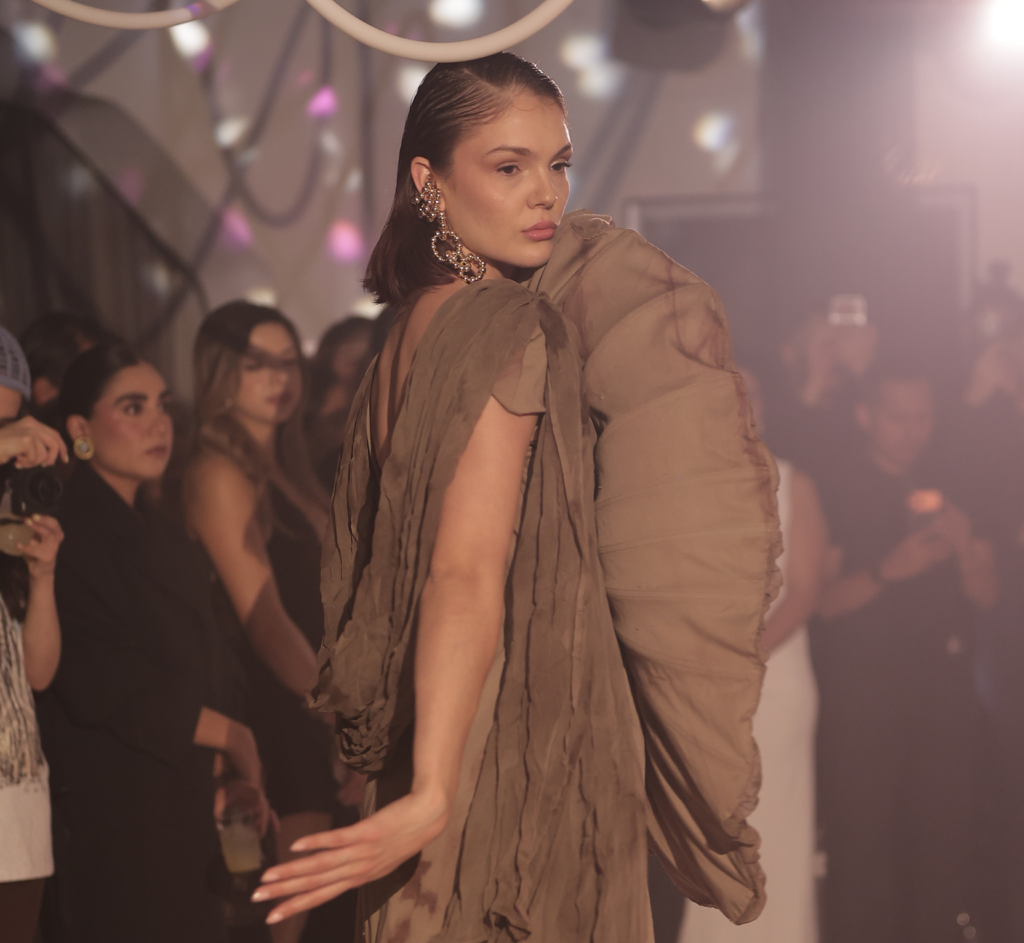
“LEAH Gallery has become one of those spaces beginning to blur the boundaries between art, design, fashion and expression.”
Beyond the Runway
With Embodied Garments, LEAH Gallery also reflects a conversation becoming increasingly present within the contemporary creative scene: the need to build spaces where fashion can exist outside of its traditional formats.
At a moment when disciplines continuously begin to merge —between art, performance, design and bodily construction— projects like this also function as a platform for emerging proposals interested in experimenting with new visual languages.
Because perhaps an important part of contemporary fashion no longer exists solely within the final garment, but within everything happening around the body that activates it.