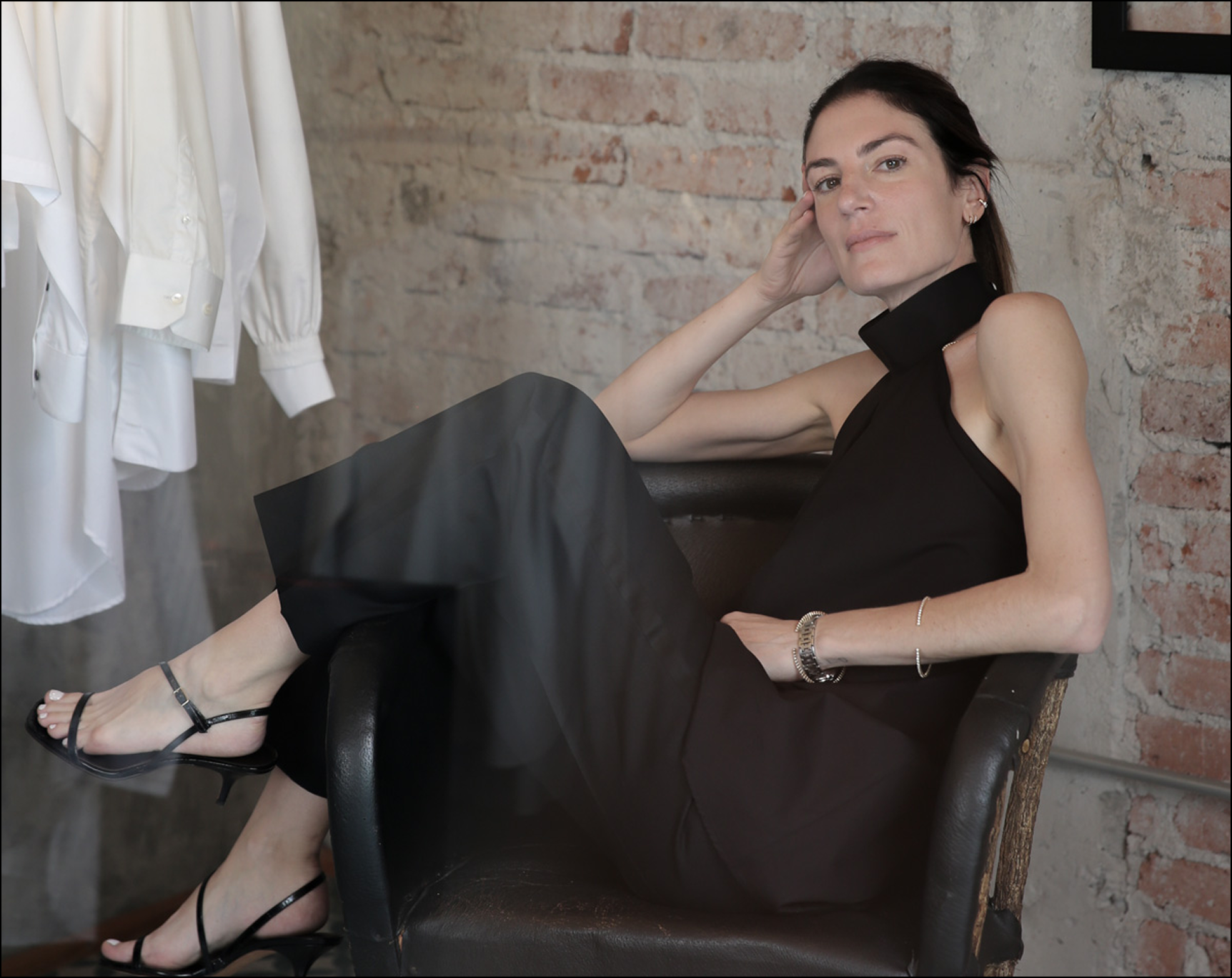
There are things that do not begin with a collection, they begin with discomfort. Because sometimes an industry does not stop exciting you because of one great disappointment; it does so slowly. Through repetition; through too many boxes arriving, too many launches, too many new things competing for attention all at once. And perhaps that was what Olivia Villanti began feeling long before creating Chava Studio.
Author: Claudia Valdez
Before founding the brand in Mexico City in 2020, Villanti spent years moving through editorial and retail spaces where clothing moves fast and where what is new quickly replaces what came before. It was within that system that she began questioning not only what gets designed; but how it gets produced.
Because working inside an industry changes perspective. Somewhere between launches; discounts; strategies and volume, a feeling began appearing that became difficult to ignore: the impression that something surrounding clothing was changing. Not necessarily the garments themselves; something harder to name: the emotion, the expectation, the small love story that exists between discovering something and immediately feeling that you want to wear it over and over again.
And perhaps the question was never how to produce more, perhaps it was another one: When did we stop feeling that something was special?
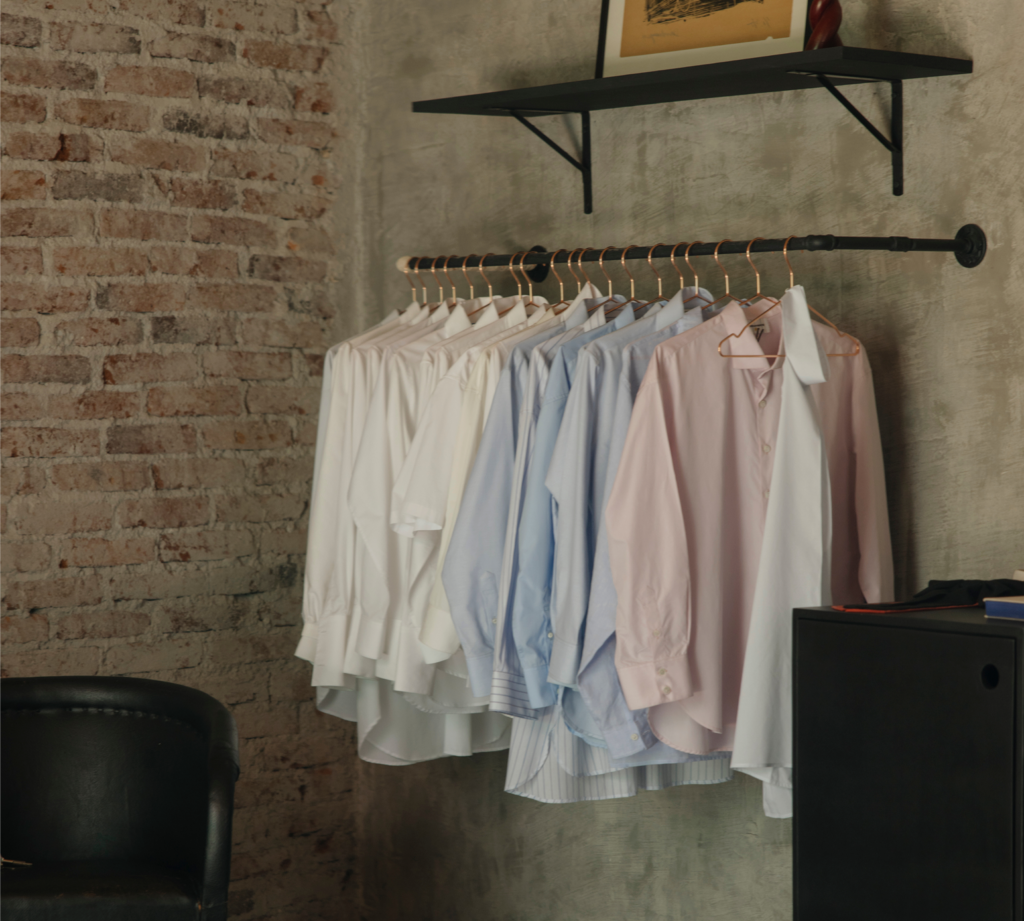
Chava Studio emerged as a response to that logic. Its starting point was precise: the shirt. A garment historically constructed around the male body; reconsidered here through structure; proportion and materiality. Even the name introduces a subtle tension from the beginning. Chava —a deeply Mexican and everyday way of referring to a young woman— sounds light; familiar; almost informal. But underneath exists something much more precise: a deeply intentional proposal; built through existing materials; limited production and a made-to-order model. A system that does not respond to seasons or volume; but to an entirely different way of thinking about clothing.
Because perhaps designing less never spoke only about producing less, It also spoke about deciding better.
TTT EXCLUSIVE
1. Before founding Chava Studio, you worked across editorial and retail spaces. What was the first thing you began questioning within that system?
Olivia Villanti: It is difficult to identify an exact moment. I have always been naturally curious and I love questioning things or trying to see them from another angle —my Virgo sun probably has something to do with that.
In editorial, you really see how saturated the landscape becomes and I started asking myself what made a brand truly stop me. There were simply too many. At that moment, my connection with certain brands came largely from the relationship founders had with their product. I love hearing passionate people speak about their work.
But editing news and launches every day also left me with a very clear feeling: there was simply too much to consume; and it began feeling overwhelming. Then, while working directly with brands, I began feeling the weight of volume; discounts; marketing and all of it slowly began wearing on me.
I entered this industry because I felt clothing carried immense power. Saving up for a piece you loved; a piece that felt capable of transforming the rest of your closet; was almost a love story I had been writing since grade school.
But little by little nothing felt special anymore, the polybags; mountains of product; the disposable feeling surrounding clothing. And I think I simply wanted to bring back that feeling: “This is speaial, this is something I want to wear over and over again”.
2. At what point did you decide to build something of your own rather than remain within an existing structure?
Olivia Villanti: Honestly; I do not know if I ever fully made that decision. Chava started as a side project; a way to fuel my creativity while consulting for other brands. During that process it simply started growing and evolving.
I did not have sales goals until this year. That does not mean I did not take it seriously; I have lost a lot of sleep building this brand, but I never wanted to push it too hard.
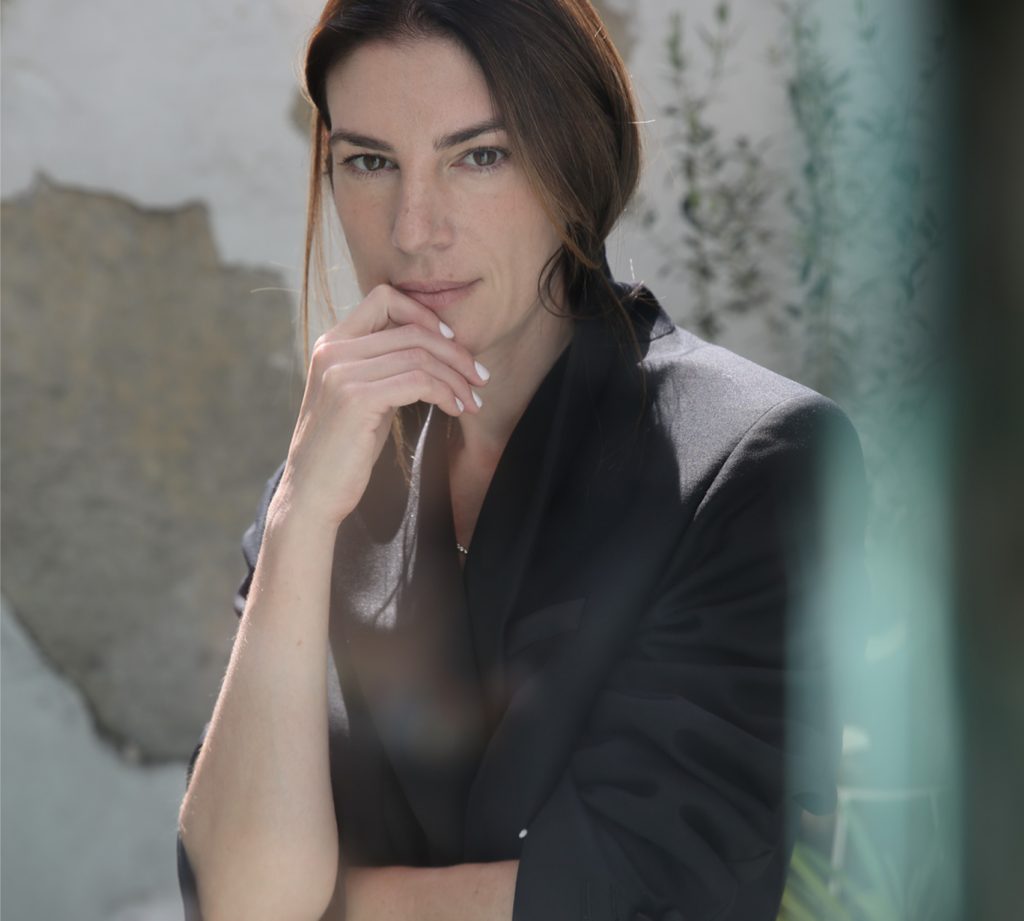
The most curious thing is that I never sat down and said: “I’m going to build a slow fashion brand.” It simply happened and I am deeply grateful for that because I love having a brand that shows me the way; instead of me trying to show it the way.
“I love having a brand that shows me the way; rather than me showing the way to it.“
3. The shirt became the heart of Chava. What did you find within that piece?
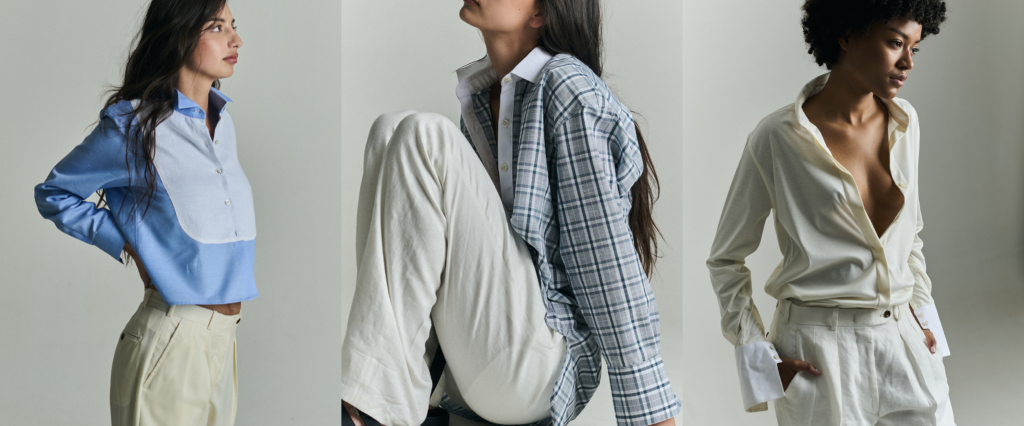
Olivia Villanti: Shirts are an infinite tool for expressing something. They are iconic; casual; easy; elegant. They are a canvas to play with. There are endless ways to reinterpret cuffs; collars; silhouettes and fabrics. They transcend ages; genders and styles. I have always loved them; but this process made my admiration grow even more.
4. The name “Chava” carries a very specific cultural meaning in Mexico. What does it represent to you?
Olivia Villanti: Mexican slang is the best; it has its own micro language. I love how the word sounds. It has something feminine; relaxed; effortless. That is Chava. I always say we are a tailoring brand for women, although Chavo by Chava now exists, but everything is designed to be worn however each person wants, without rigidity and without rules.
5. You’ve spoken about constructing garments almost from an architectural perspective. How does that translate into your process?
I always say something: “I am not a designer; I am a builder.” I build our shirts by taking traditional elements and reinterpreting them; feminizing them; turning them into something that feels like Chava. A shirt has its own structure. It has a foundation from which everything begins to be built and I love thinking about how the lines of the body interact with the garment.
6. You work with existing materials. How does that influence what you decide to create?
Olivia Villanti: Personally, I love creativity with limitations, I like seeing what materials exist and discovering from there what we can create. We have a process where fabric appears first and then the idea and I love that.
7. Chava works with limited production and made-to-order models. How do you think about growth from there?
Olivia Villanti: I always want there to be less than there is demand, I know selling out can be frustrating; but I also think that is what makes Chava special. Each piece is one of very few and finding something like that today is rare.
8. In an industry that constantly demands newness; how do you know when a piece is truly worth producing?
Olivia Villanti: It is very simple: it begins with the team; if we want to wear it ourselves; if we want to take it off the rack; then it works. Everything that feels forced; strange or uninteresting disappears.
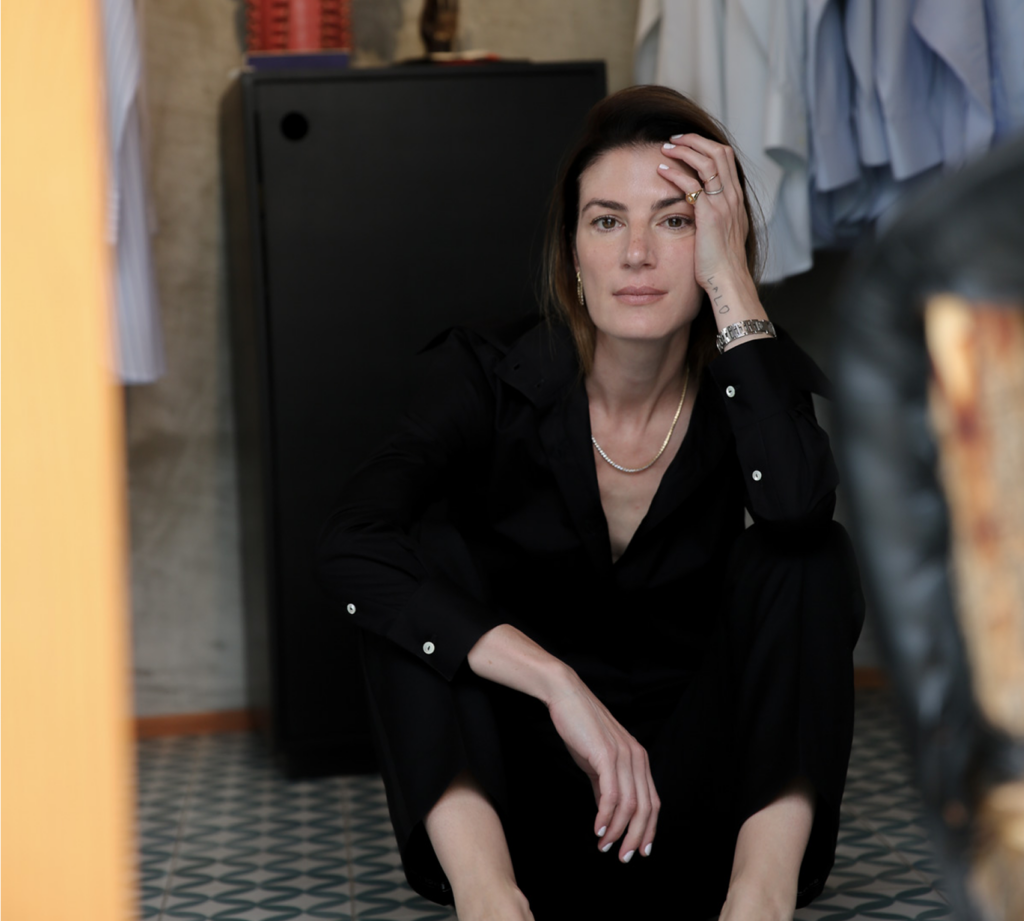
“If my goal is to experiment, then I’m always winning.”
9. What has designing from the perspective of the female body taught you?
Olivia Villanti: How much we get inside our own heads. We all believe there is something strange; unusual or imperfect about our bodies. And one of the most beautiful things is proving to someone that they actually can wear something they thought they never could. Because at the end of the day we all want to feel good in our bodies.
10. Beyond the garments themselves; what are you really building?
Olivia Villanti: Community: I am deeply impressed by the women who wear our shirts; by my team; by the atelier. There are so many people behind Chava and I hope we can continue building this for many years.
Closing
There is something curious about an industry obsessed with what comes next; the next season; the next launch; the next new thing. Many brands are born trying to grow faster; produce more; occupy more space. Chava seems to be asking a different question: not how to do more but what is worth doing.
And perhaps that explains why the conversation with Olivia Villanti never ended up speaking only about shirts; materials or limited production. It ended up speaking about something much rarer today: the possibility of feeling excited about a piece again; of finding something that does not feel disposable; of recovering that small love story between a person and what they choose to wear.
Because perhaps some brands are born to follow the rhythm of an industry and others are born trying to recover a feeling that seemed lost: The feeling of making something special again.