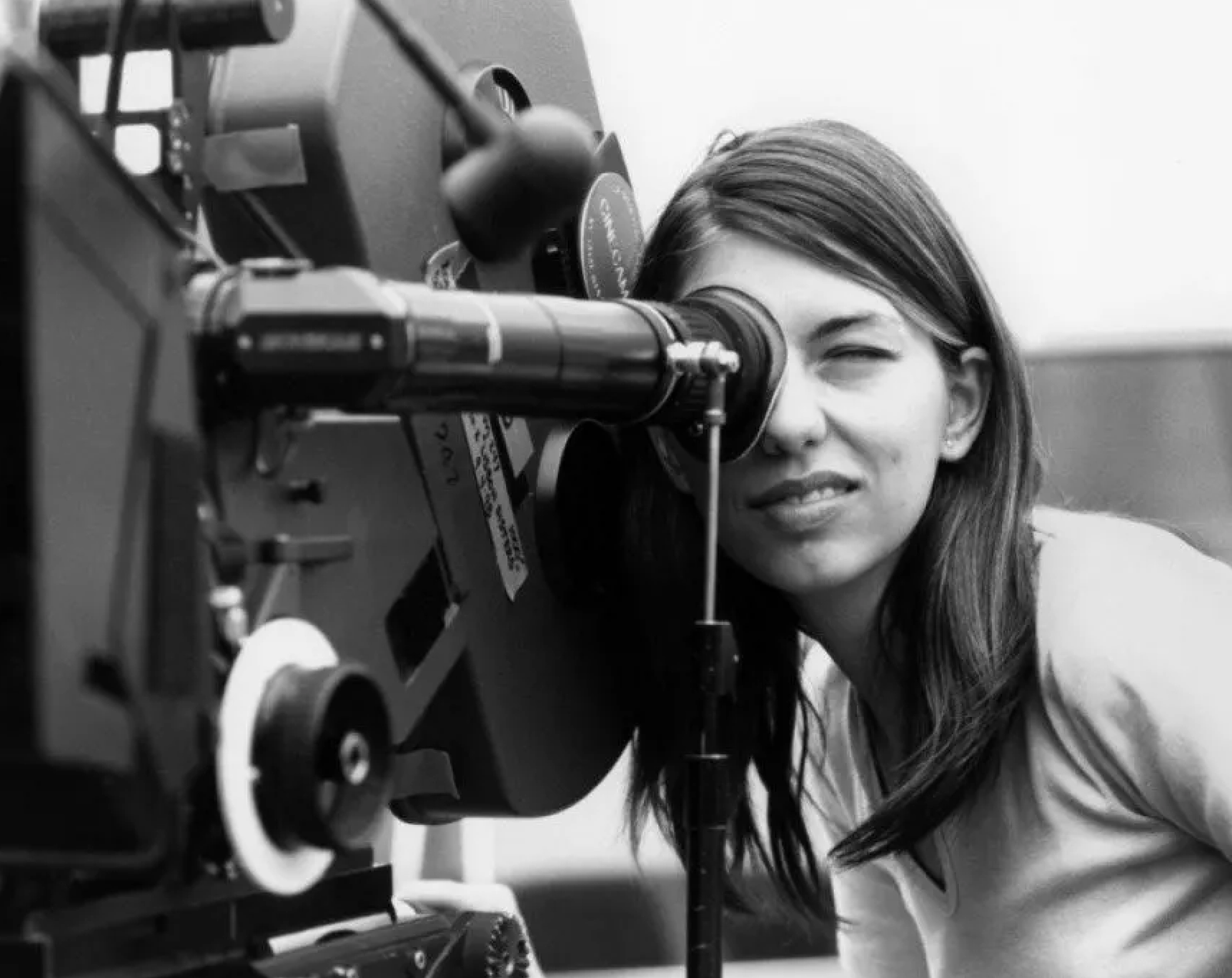
There is a specific quality of attention in a Sofia Coppola film that is difficult to name but impossible to miss. It is the feeling of being inside a woman’s experience rather than looking at it from the outside.
The camera does not observe the female characters in her work. It inhabits them. It moves at the pace of their interior life, lingers where they linger, notices what they notice, and grants the seemingly small moments of a woman’s daily existence the same weight and seriousness that other directors reserve for war, ambition, and the kinds of grand narratives that have historically been considered worthy of cinematic attention.
This is not accidental. It is a deliberate and sustained artistic choice that Sofia Coppola has been making since she stepped behind a camera and decided that the stories she wanted to tell were the ones that the industry around her had largely decided were not worth telling. The inner world of a teenage girl. The particular loneliness of a woman in a foreign city. The gilded cage of a queen that history remembered only as a symbol. The complicated love between a father and a daughter. The experience of a real woman, Priscilla Presley, living inside one of the most mythologized marriages of the twentieth century and having almost no narrative space of her own within it.
These are Sofia Coppola’s subjects. And her insistence on treating them as worthy of the full resources and attention of serious filmmaking has changed what cinema understands itself to be capable of.
Author: Elizabeth Ulloa

The Virgin Suicides: The Beginning of a Vision
When The Virgin Suicides arrived in 1999, it announced a filmmaker who was not interested in the conventional machinery of storytelling. The five Lisbon sisters at the center of the film are never fully explained. Their inner lives are glimpsed rather than decoded. The film is narrated by the boys who observed them from a distance and never truly understood them, which is the point. Coppola’s first film is, at its deepest level, a meditation on what happens when female experience is reduced to the projection of others. When women become symbols rather than subjects. When the story is told by everyone except the person living it.
This is the question that has driven her entire body of work. Not who are these women, in the sense of providing answers, but what does it feel like to be them. And that shift in orientation, from explanation to sensation, from external observation to internal experience, is what makes her films feel different from almost everything else in contemporary cinema.
Lost in Translation: and the Space Between
Lost in Translation, released in 2003, won Coppola the Academy Award for Best Original Screenplay and announced her to the world as one of the most distinctive voices in American cinema. The film is a study in the kind of loneliness that exists between people who are present to each other but not yet fully known. Charlotte, played by Scarlett Johansson, is a young woman adrift in Tokyo while her husband works, searching for something she cannot name and finding an unlikely connection with an older man navigating his own quiet crisis.
What Coppola does with Charlotte is refuse to make her plight dramatic. There is no villain. There is no clear arc of transformation. There is simply a woman in a beautiful, disorienting city, sitting with the particular uncertainty of early adulthood, the gap between who you are and who you thought you would be by now. This restraint is not a weakness. It is a form of respect. Coppola trusts Charlotte’s experience to be interesting without requiring it to be catastrophic. That trust is rarer in cinema than it should be.
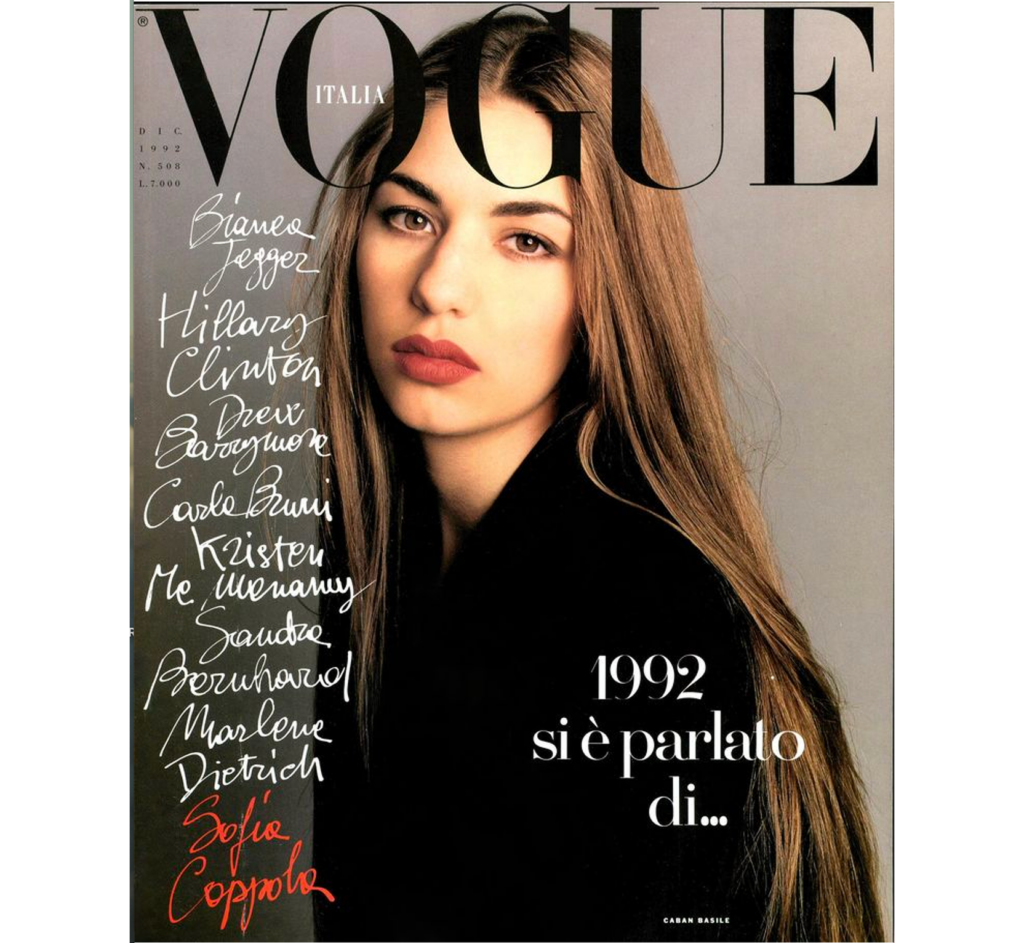
“The camera does not observe the female characters in her work. It inhabits them.”
Marie Antoinette: Reframing the Historical Woman
Marie Antoinette arrived in 2006 to divided critical response and has since been reassessed as one of the most formally daring films of its decade. Coppola took one of the most loaded figures in European history and stripped away the political narrative that had always defined her, choosing instead to explore what it felt like to be a teenage girl sent from her home to a foreign court, married to a stranger, and placed under a level of public scrutiny that left her almost no interior space of her own.
The film is not a defense of Marie Antoinette. It is an act of restoration. It gives back the interiority that history took away. The anachronistic soundtrack, the close attention to clothing and food and the sensory texture of Versailles, the way the camera stays with Marie Antoinette’s face during moments of boredom, anxiety, and fleeting pleasure, all of these choices were Coppola insisting that the emotional reality of this woman’s life was more interesting and more true than the political shorthand history had used to contain her.
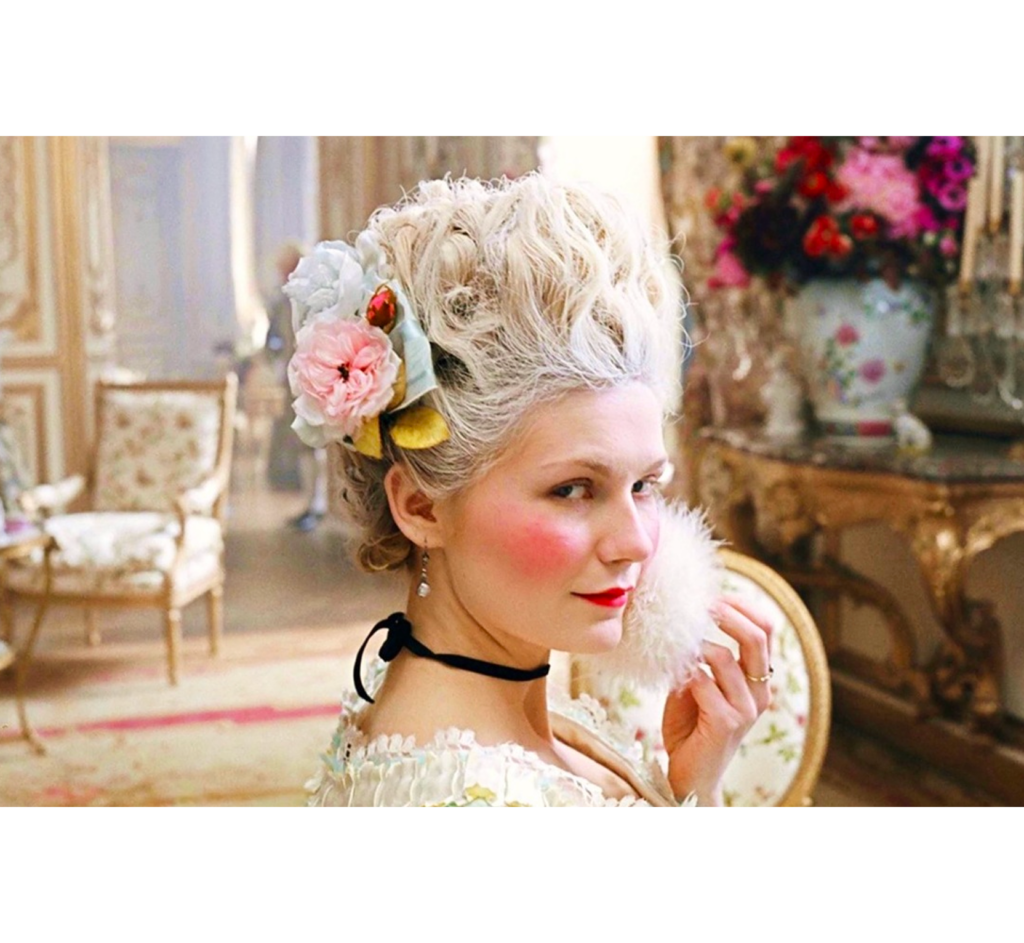
“It is a film about who gets to be the subject of their own life, and what is lost when that right is taken away.”
The Beguiled: When the Female Gaze Turns
The Beguiled, released in 2017, is the film that reveals a different register in Coppola’s range. Where most of her work moves at the pace of interiority, quiet and unhurried, The Beguiled moves at the pace of desire and consequence. Set in a Confederate girls’ school during the Civil War, the film places a group of women in an isolated world and watches what happens when a wounded Union soldier disrupts the fragile order they have built. The result is a Southern Gothic thriller that is tense, darkly funny, and entirely controlled by Coppola’s understanding of how women navigate power when the world around them has been stripped to its essentials.
The film won Coppola the Best Director award at Cannes in 2017, making her only the second woman in the festival’s seventy-year history to receive the honor. The recognition was overdue in ways that said as much about the industry as it did about her. But the award mattered because it placed her work, and by extension the stories she tells, in the company of the most significant filmmaking in the world. Where it had always belonged.
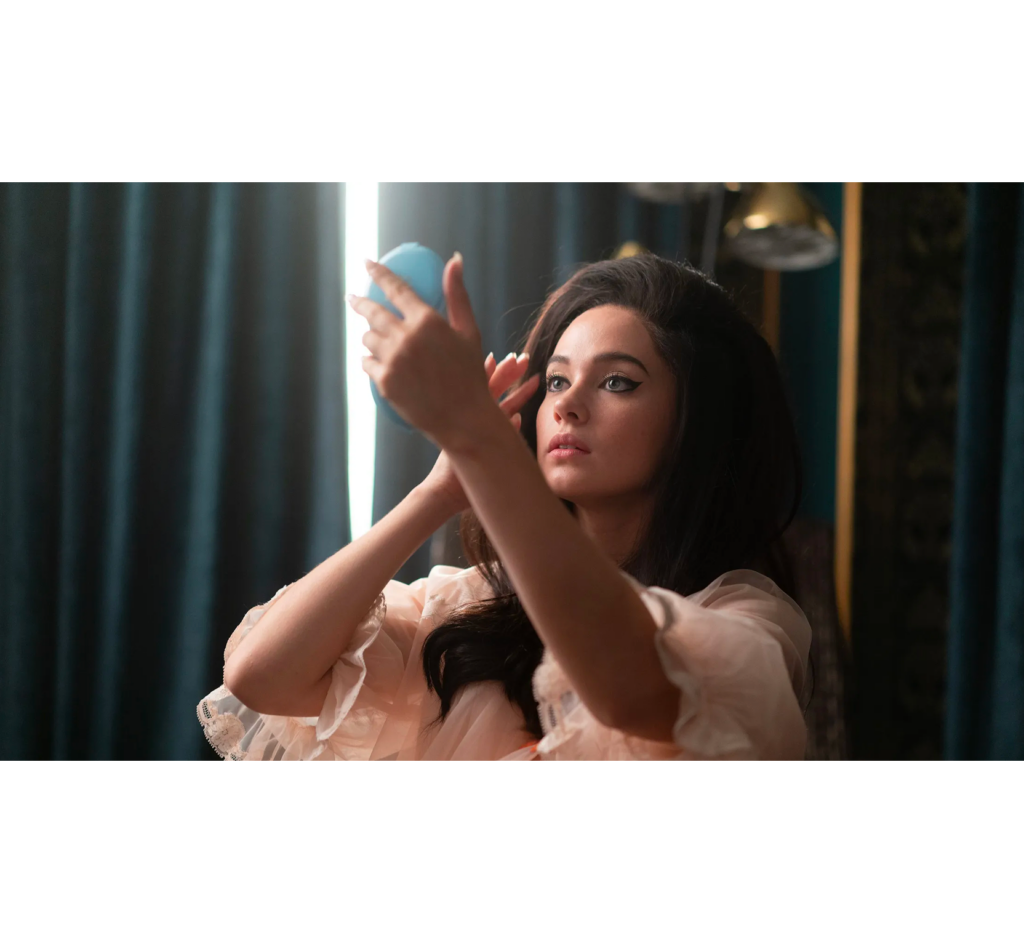
PriscillA: The Story That Was Always There
Priscilla, released in 2023, may be the most direct expression yet of what Coppola has always been doing. The film tells the story of Priscilla Presley’s years with Elvis, a story that has been told many times from many angles, almost always with Elvis at its center. Coppola places Priscilla at the center and does not move. The result is a film about what it means to love someone whose public mythology consumes everything around them, including the private person who loved them first.
Priscilla Presley served as a producer on the film and was present throughout its making. This collaboration between the woman whose story was being told and the woman telling it is significant. Coppola has always understood that the authority to tell a story matters as much as the craft with which it is told. Priscilla is not simply a film about a famous marriage. It is a film about who gets to be the subject of their own life, and what is lost when that right is taken away.
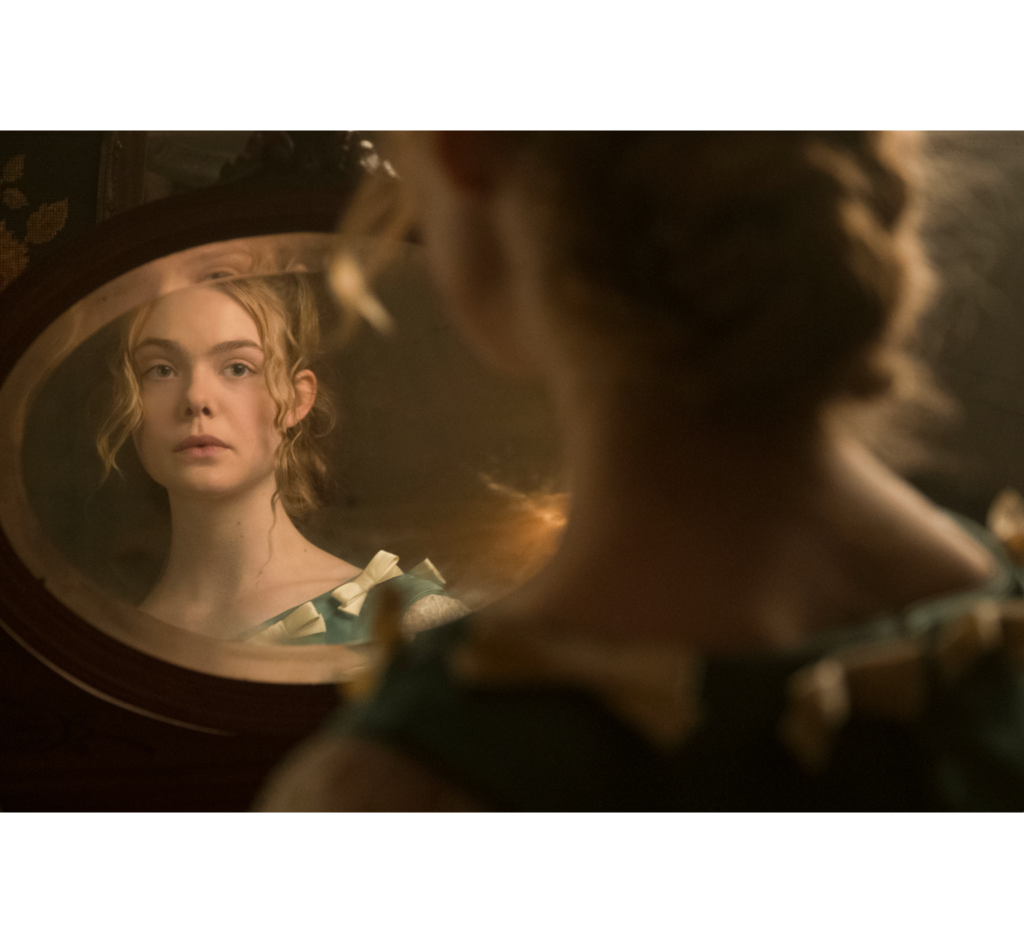
Why the Female Gaze Matters
The concept of the male gaze has been well documented in film theory for decades. What Sofia Coppola represents in practice is something more than simply the absence of that gaze. She represents the presence of something else entirely. A way of looking at women that begins from inside the experience rather than outside it. That treats female interiority as the primary territory of cinematic interest rather than an afterthought or a supporting element in someone else’s story.
This matters beyond aesthetics. The stories a culture tells about women shape how women understand themselves and how the world understands them. When the dominant cinematic tradition consistently places women at the sidelines of their own narratives, it sends a signal about whose experience is considered central, whose interiority is considered worth exploring, whose life is considered dramatic and significant enough to put on screen.
Coppola has spent her entire career pushing back against that signal. Not through argument or manifesto but through the simple, sustained act of making films where women are the subjects. Where their boredom matters. Where their loneliness matters. Where their desire, confusion, joy, and grief matter, not because these things are connected to a man’s story or serve a larger plot, but because they are the story.
“The stories she chose to tell were not the ones the industry considered important when she began making them. They were the quiet ones. The interior ones. It turns out they were worth everything.”
The World She Has Built
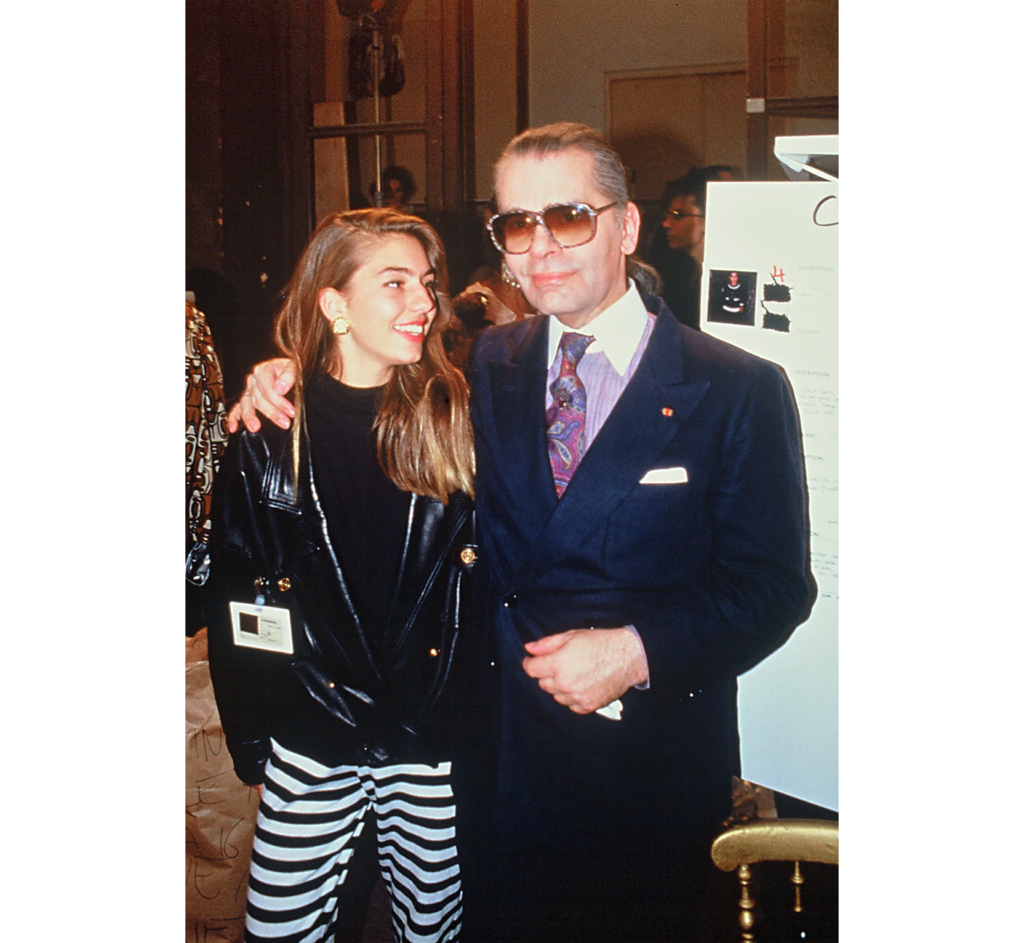
Beyond her films, Coppola has built a creative world that extends her vision into fashion, publishing, and commercial work. Her Chanel campaigns, her Calvin Klein films celebrating women across generations, her documentary Marc by Sofia which premiered at the Venice Film Festival in 2025, and her publishing imprint Important Flowers, launched in December 2024 with MACK Books, all carry the same sensibility that defines her cinema. An attention to the intimate and the specific. A preference for the suggestive over the explicit. A deep and consistent belief that the details of a woman’s interior life are worthy of care and craft.
The publishing work deserves particular attention. The 25th anniversary edition of The Virgin Suicides featuring never-before-seen photographs by Corinne Day, published through Important Flowers in 2024, is the kind of gesture that tells you everything about what Coppola values. Not the grand retrospective but the private image. Not the official record but the human one. And the Sofia Coppola Archive, also published with MACK Books, brings together decades of personal photographs, behind-the-scenes imagery, and the visual world she has been building since before her first film. It is not a career retrospective in the conventional sense. It is a private album made public, which is the most Sofia Coppola thing imaginable. The same instinct that drives her filmmaking, to find the intimate detail that contains the whole truth, is operating on every page.
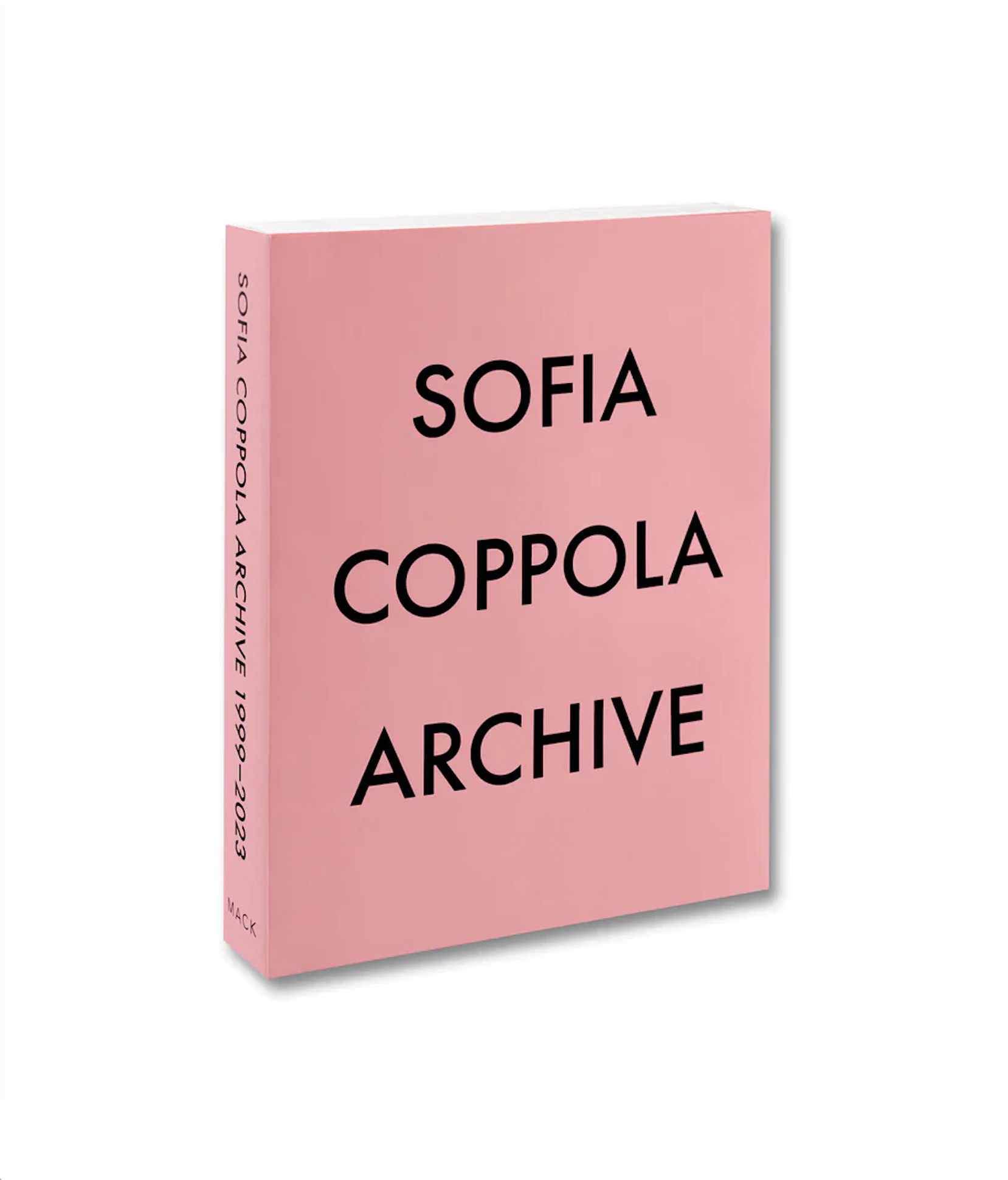
sofia coppola archive BY SOFIA COPPOLA

CHANEL HAUTE COUTURE BY SOFIA COPPOLA
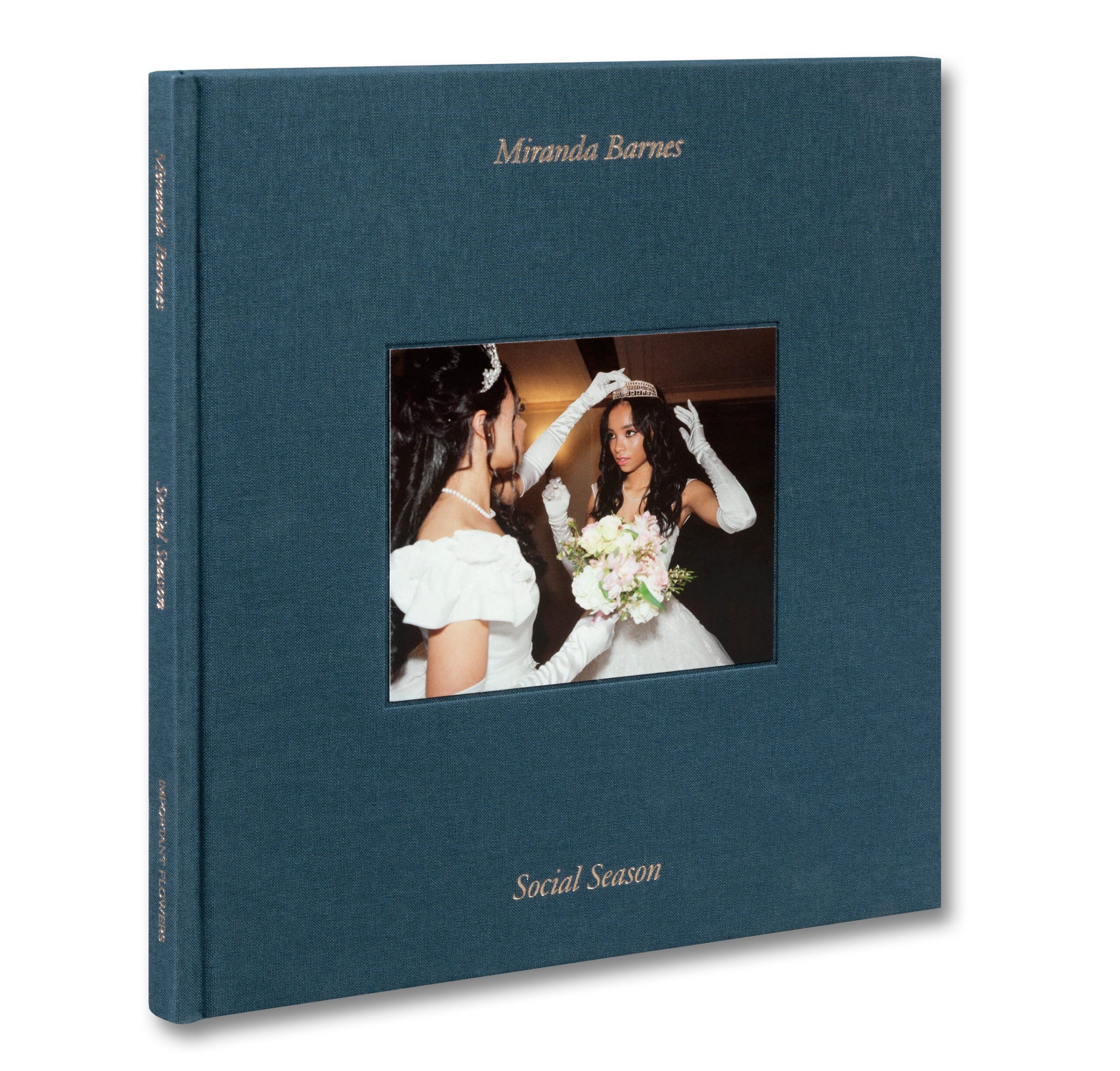
SOCIAL SEASON BY MIRANDA BARNES
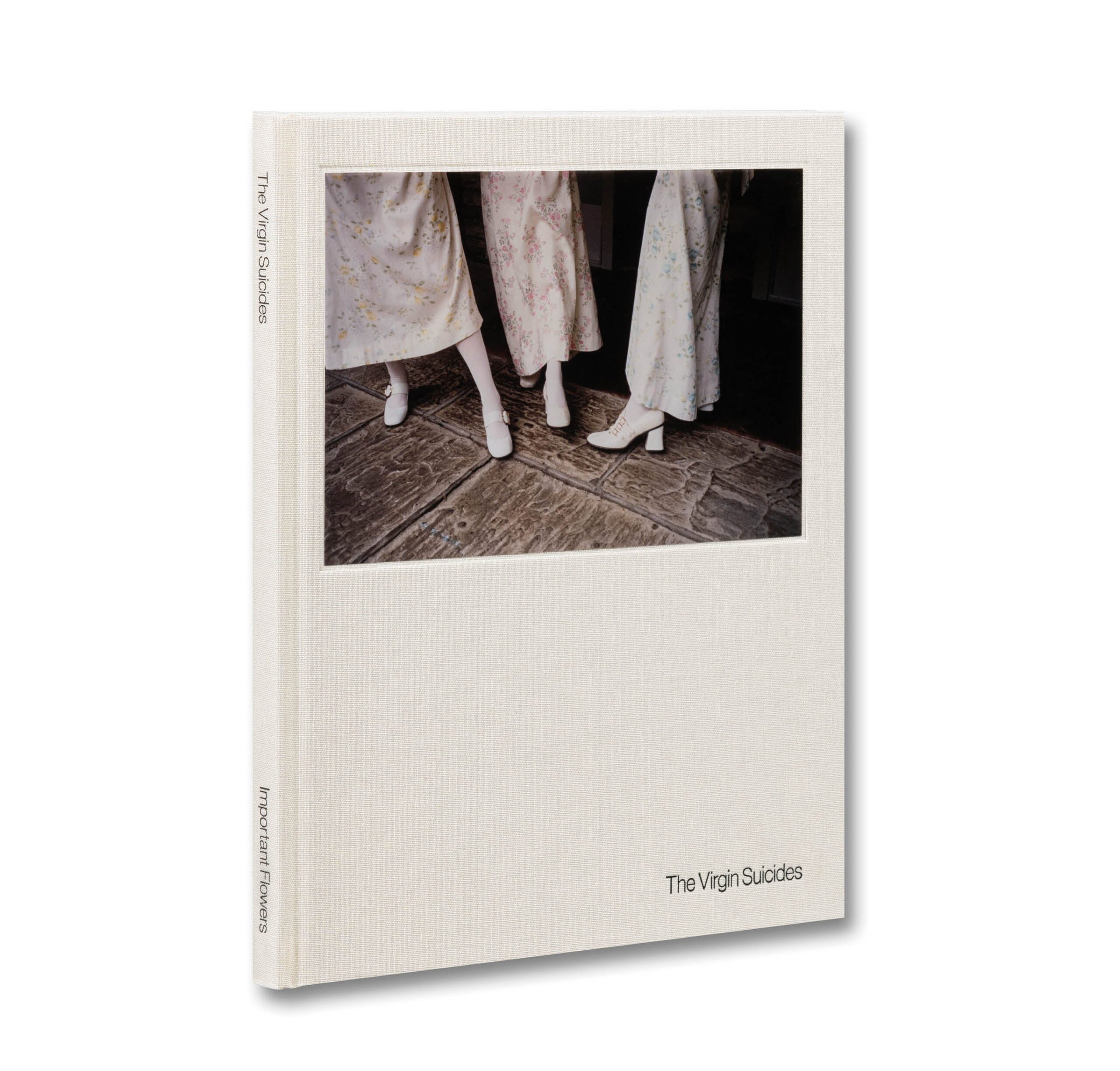
THE VIRGIN SUICIDES BY SOFIA COPPOLA
What Her Work Leaves Behind
Sofia Coppola’s legacy in cinema is not simply a collection of beautiful films. It is a demonstration of what becomes possible when a woman with genuine artistic authority is given the space and resources to tell women’s stories on her own terms.
The stories she chose to tell were not the ones the industry considered important when she began making them. They were the quiet ones. The interior ones. The ones that required you to sit still and pay attention to the kind of experience that most of cinema had decided was not worth the time.
It turns out it was worth everything.