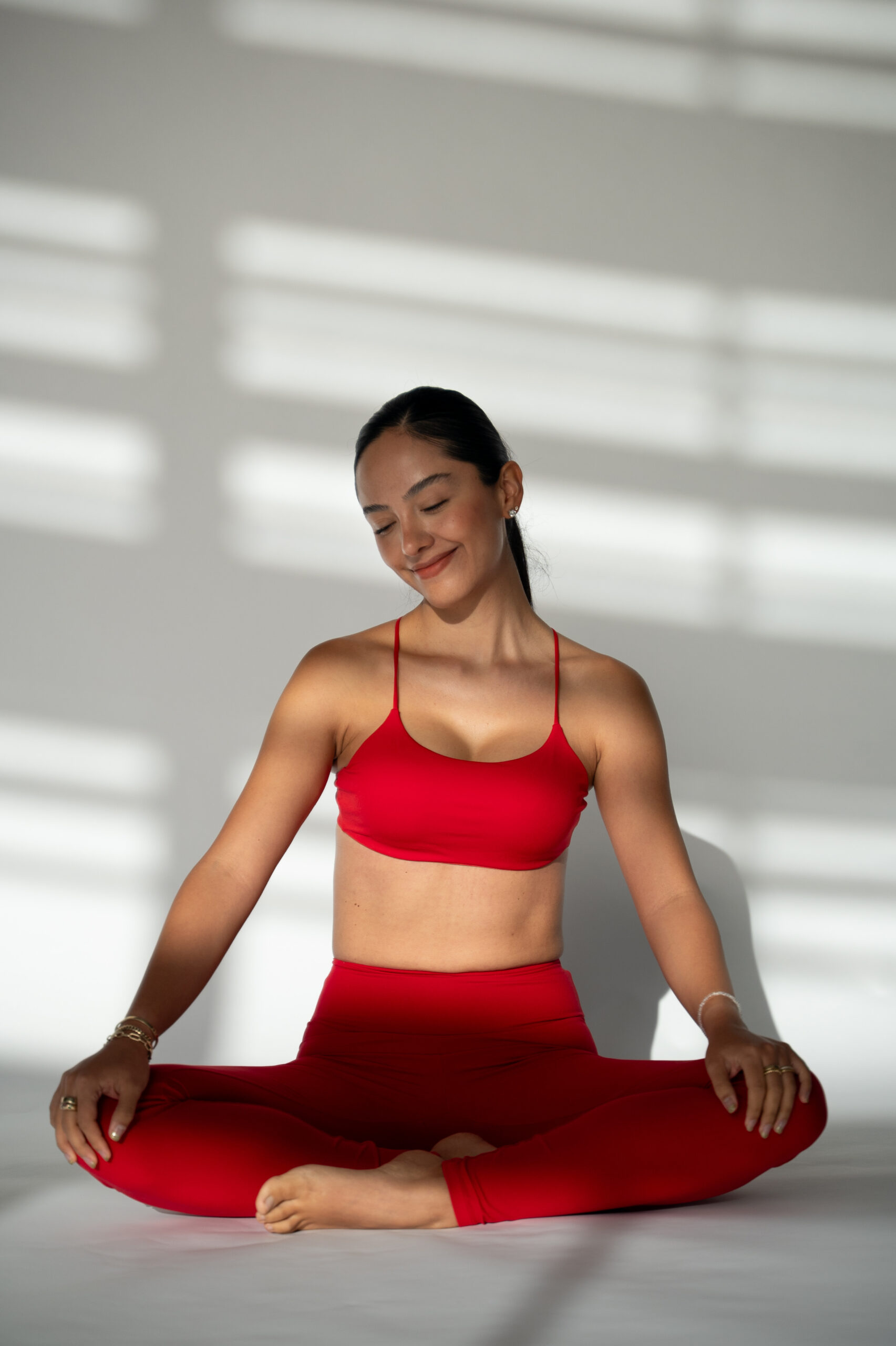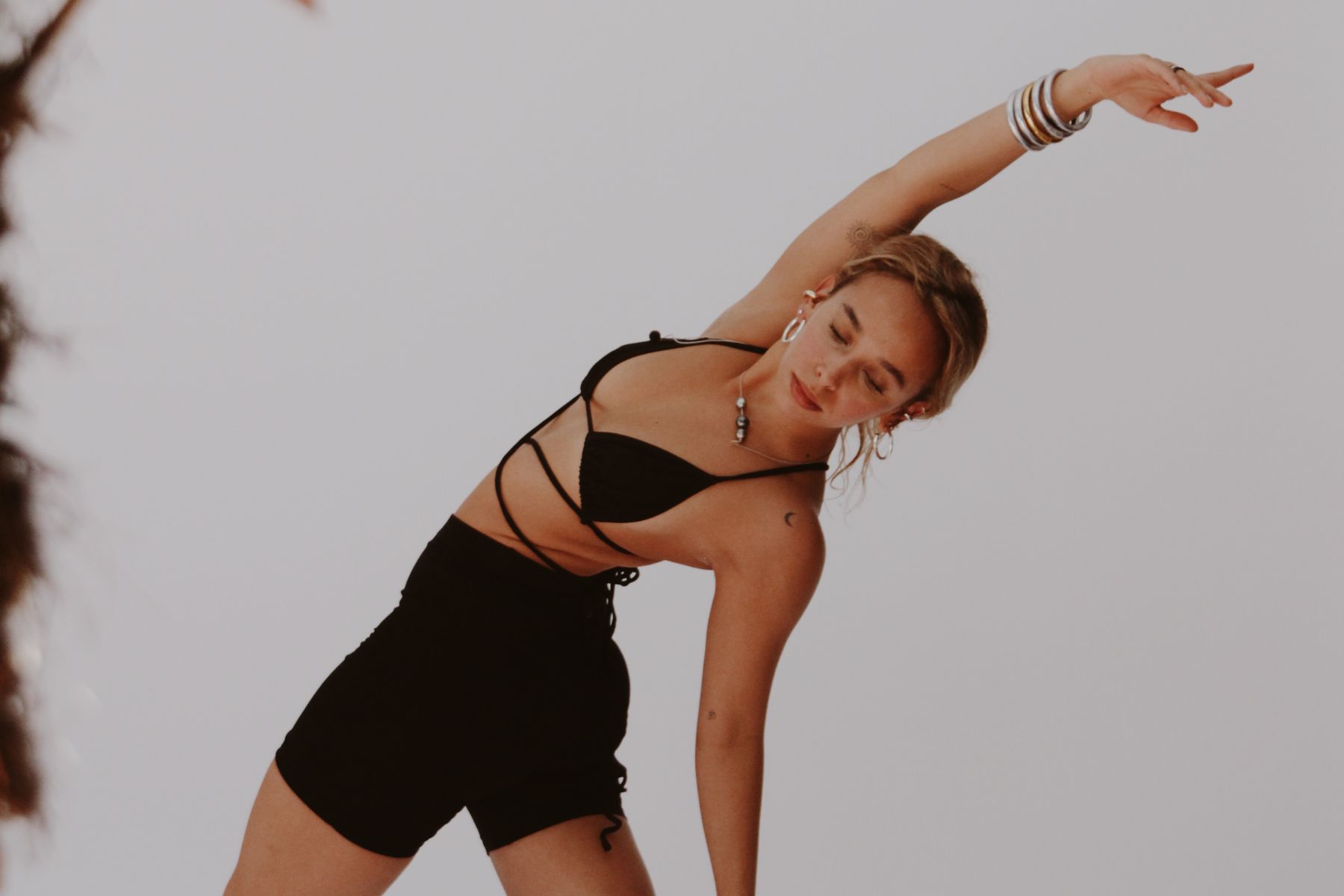
For a long time, movement was understood only through discipline, technique or performance. Today, that conversation is beginning to shift. The body no longer simply executes; in many ways, it also speaks. It reveals identity, emotions and confidence. It shapes the way a person learns to inhabit themselves. And it is precisely from that place that Sofía Gil understands dance.
Long before joining the choreography team for Mexico’s 2026 National Dance Team on the road to the Dance World Cup in Dublin —the largest youth dance competition in the world— movement had already become a language for her. A way of saying “I’m here” long before finding the exact words.
Today, as a dancer, choreographer, content creator and entrepreneur, her perspective still begins from the same idea: high performance cannot exist separately from emotional wellbeing, technique cannot exist without confidence, and the body can also become a place of refuge. In exclusive conversation with Topics That Transform, Sofía Gil reflects on representing Mexico through choreography, guiding young dancers through confidence rather than pressure, and the way movement can become a tool for self-connection.
Author: aNDREA BAU
EXCLUSIVE INTERVIEW

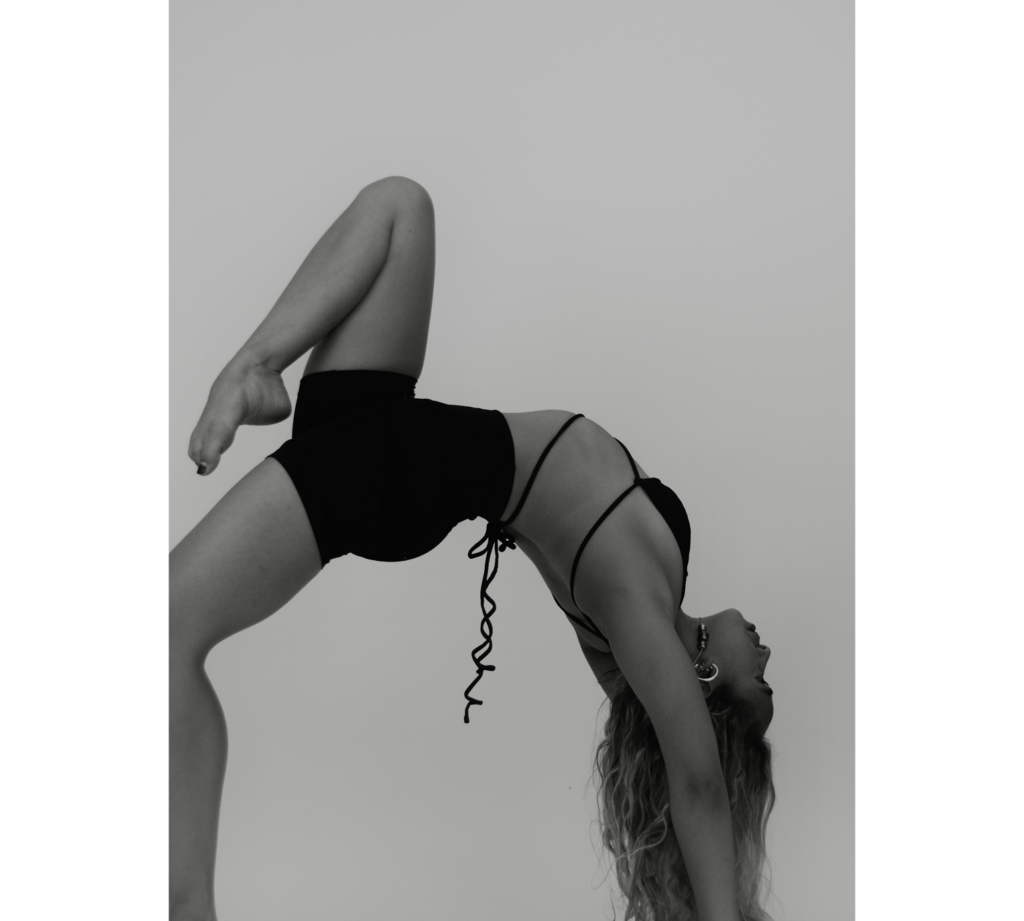
Sofía Gil is part of the choreography team for the 2026 Mexican National Team on the road to the Dance World Cup in Dublin.
Movement as Identity
Some people find safety in words. Sofía Gil found it first in movement. Before competitions or stages ever entered the picture, dance appeared as a form of expression. “Dance was my first non-verbal language to show myself to the world,” she shares. Over time, what initially began as a way of communicating also became a refuge.
Dance gave her identity and helped her build a far more conscious relationship with herself. “Knowing my body, knowing how to get somewhere, having the confidence to move it however I needed to,” she explains. For her, it was never only physical. It existed emotionally, energetically and within everything that often becomes difficult to explain through words alone. “Dance can be an incredible tool for releasing emotions,” she says. “And my favorite part: it can make you fall deeply in love with yourself.”
Perhaps the most interesting part of her perspective is that, beyond technique or physical control, Sofía always returns to the same idea: dancing is about learning how to inhabit yourself. Understanding what happens when mind, body and emotions stop functioning separately. “An inhabited body changes its expression,” she explains. Much of her vision as a choreographer begins there: creating spaces, choreographies and processes where movement not only looks good outwardly, but also feels genuine internally.
Representing Mexico Through Choreography
Being part of the choreography team for Mexico’s 2026 National Dance Team on the road to the Dance World Cup —often referred to as “the Olympics of dance”— represents one of the most important moments in Sofía’s journey. But for her, it goes far beyond a professional achievement. She experiences it from a much more emotional place. “It felt like a full circle moment,” she shares. “I felt so much tenderness for the Sofi who spent years feeling ‘not enough.’ This time, I received it with gratitude and as a huge opportunity.”
It is a sensitivity she now also carries into the way she choreographs and mentors her students —young dancers who are still discovering who they are. Sofía is not solely focused on performance or results. What matters to her is creating experiences where they can build confidence both on and off stage. “I’ve always made one rule for myself whenever I work with other people involved: I want to be part of their ‘I can do this,’ not the voice that creates doubt within them.”
The Mind Behind Performance
For Sofía, a powerful choreography does not depend solely on technical perfection. While she acknowledges that dance will always remain deeply subjective, there is one thing that, from her perspective, consistently makes the difference on stage: “the confidence with which you stand in your own feet.”
But reaching that confidence also means learning how to exist beyond recognition. In an industry where validation often comes from the outside —applause, results or the constant “they’re good” and “they deserve it”— Sofía speaks about the importance of building a much stronger relationship with oneself. “Knowing who you are is an act of self-love,” she shares. “Validating yourself beyond your dance, understanding that you are more than your achievements, is incredibly liberating.”
And it is precisely there that one of the ideas most present throughout her creative vision also emerges: dancing from a genuine place. Even when speaking about imposter syndrome —something she admits she is not sure ever fully disappears— Sofía constantly returns to the same things: joy, freedom and the possibility of connecting with what truly exists within you. “My life completely changed once mental health became a pillar,” she explains. “It’s understanding that my mind is the lens through which I see the world.”
“Validating yourself beyond your dance, understanding that you are more than your achievements, is incredibly liberating.”
OSOM: Wellness as Philosophy
But the conversation does not end there. Because the way Sofía Gil understands movement does not exist only within dance. Over time, her perspective on the body, the mind and wellbeing naturally expanded into other areas of her life. Eventually, it became OSOM, “a project born from the idea of creating community around movement and self-awareness,” she explains. Through workshops, retreats and shared spaces, the intention remained the same: offering tools that could help people connect with themselves from a place that felt freer, lighter and more genuine.
Eventually, that philosophy also evolved into a physical space. That is how OSOM Pilates Studio was born. Together with her cousin and business partner, Camila Serrano, Sofía co-founded a studio where movement, technique, breathwork, aesthetics and experience coexist under one central idea: joy. “The workout that is truly for you is the one that becomes sustainable,” she shares. “If you don’t enjoy where you are, eventually you’ll leave it.”
Located at Colima 159 in Mexico City, OSOM Pilates Studio was built around the idea that wellness can also feel approachable, fun and deeply aesthetic —from the classes and coaches to the music, the energy of the space and the experience of everyone who walks in. Because beyond physical performance, Sofía also cares deeply about how a place makes you feel. “Being in spaces that make you think ‘I love this life’ or ‘I love being part of this’ also changes our inner world.”

“If my goal is to experience life, then I’m always winning.”
Epilogue
After speaking about dance, performance, mental health and wellbeing, Sofía Gil ends the conversation exactly where she began: understanding movement as a tool for self-discovery. For her, inhabiting the body also means learning how to coexist with contrasts, change and every version of yourself. “If my goal is to experience life, then I’m always winning.”
Perhaps that is why, when she thinks about the next chapter of her life, Sofía does not speak about choosing a single direction. She speaks about integrating every part of herself that currently coexists within her. “A place where I allow myself to be so many different things that still make sense within me,” she explains. “A place where all my Sofis fit and come together to form a human being I’m proud to be.”