The Met Gala 2026 cannot be understood without its context. It marks the first edition under the new editorial direction of Chloe Malle at the Costume Institute, and that shift was visible from the outset. The theme, “Costume Art,” did not function as a creative excuse, but as a clear curatorial line: the dressed body as an artistic object, not as the result of trend.
The accompanying exhibition introduces, for the first time, permanent galleries within the museum dedicated to costume as a discipline. This is not minor, it repositions fashion within the institution, moving it away from something purely temporary or spectacular and placing it within the framework of archive, history, and formal language. That intention carried onto the carpet.
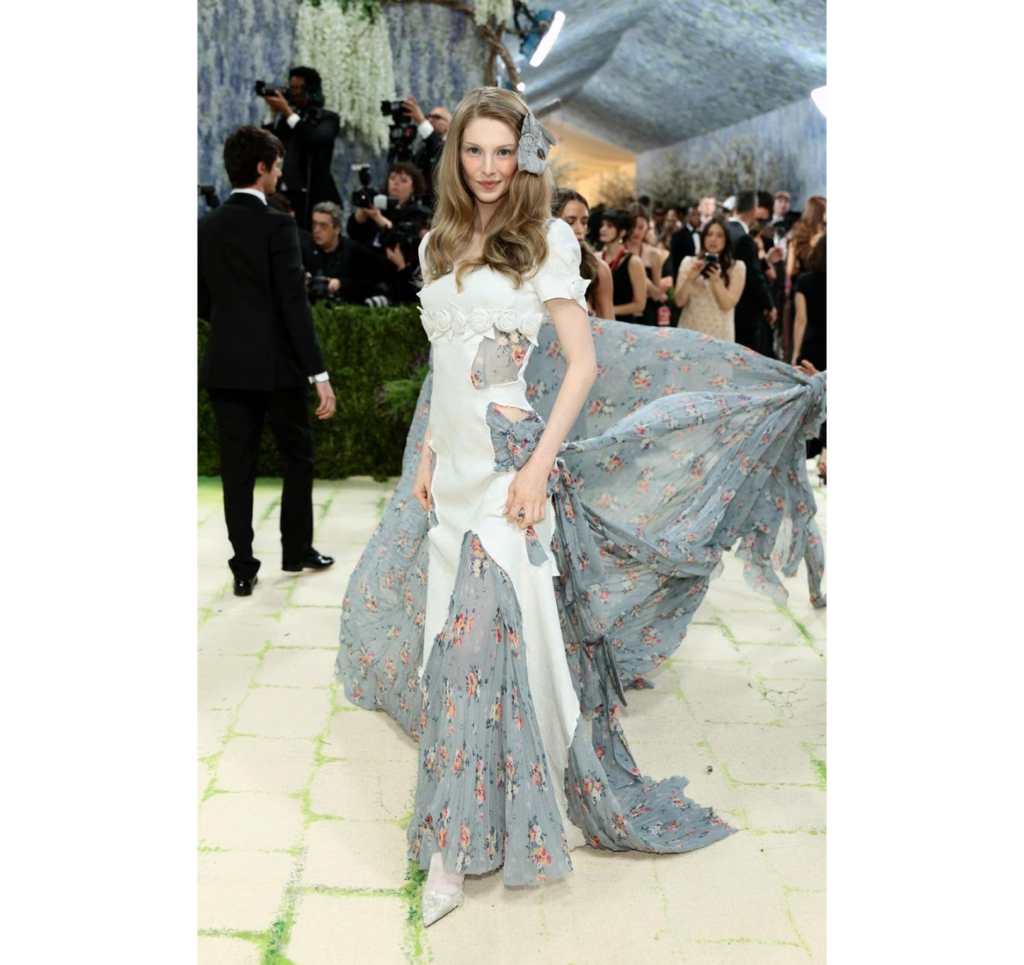
There was no beige carpet. The entrance became an installation, a Renaissance-inspired garden with texture, depth, and composition. It was not a backdrop for photographs, it was a space that required each appearance to function within a larger visual context. The image was no longer just the outfit, it became the relationship between body, garment, and environment.
Authors: Claudia Valdez & aNDREA BAU
With hosts including Beyoncé, Nicole Kidman, Venus Williams, and Anna Wintour, the Met reaffirmed its role as a space where fashion, beauty, and culture are not separated, but read together. What happens on the steps of the Metropolitan Museum of Art is not the beginning. It is the confirmation, the moment where interpretation becomes visible.
Fashion: where the difference held
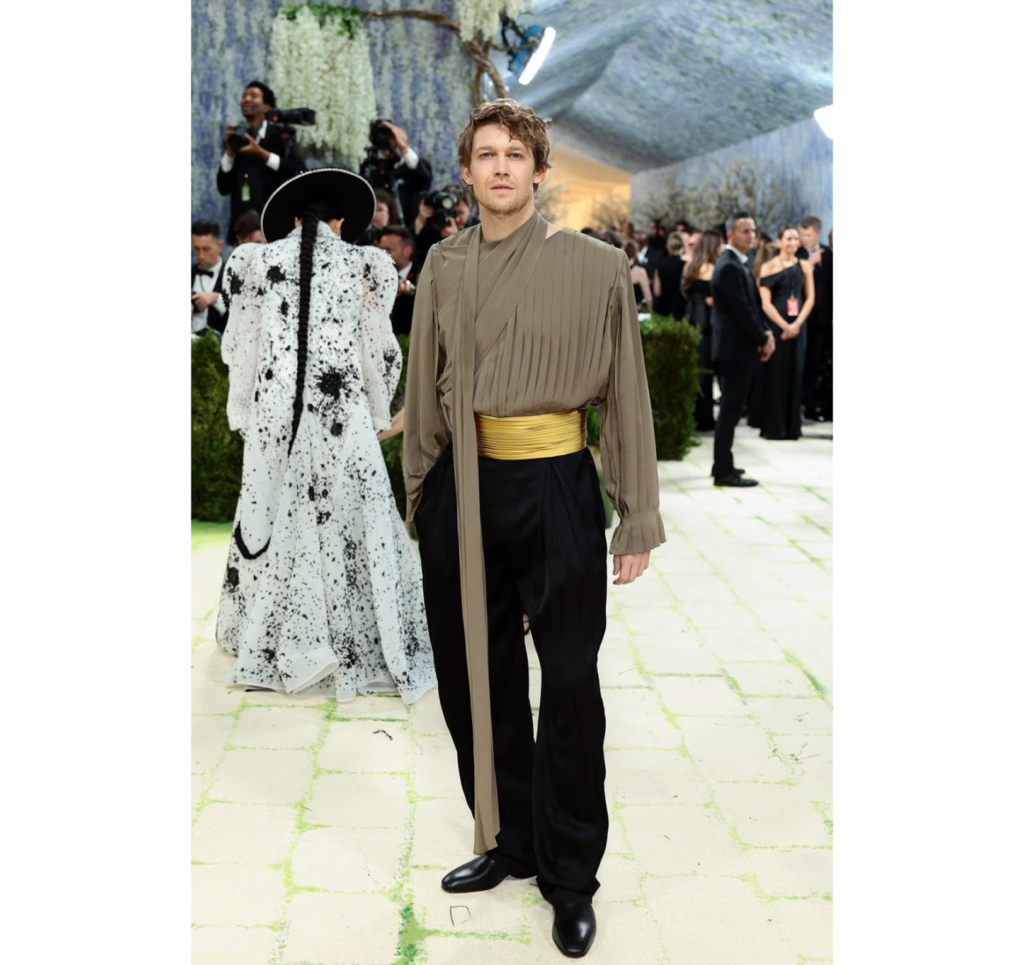
The distinction of this edition did not lie in who exaggerated the most, but in who resolved the strongest. Without a carpet designed to amplify spectacle, each look had to stand on its own construction. That exposed something clear: volume alone is no longer enough, form, structure, and the decision behind the look carried more weight.
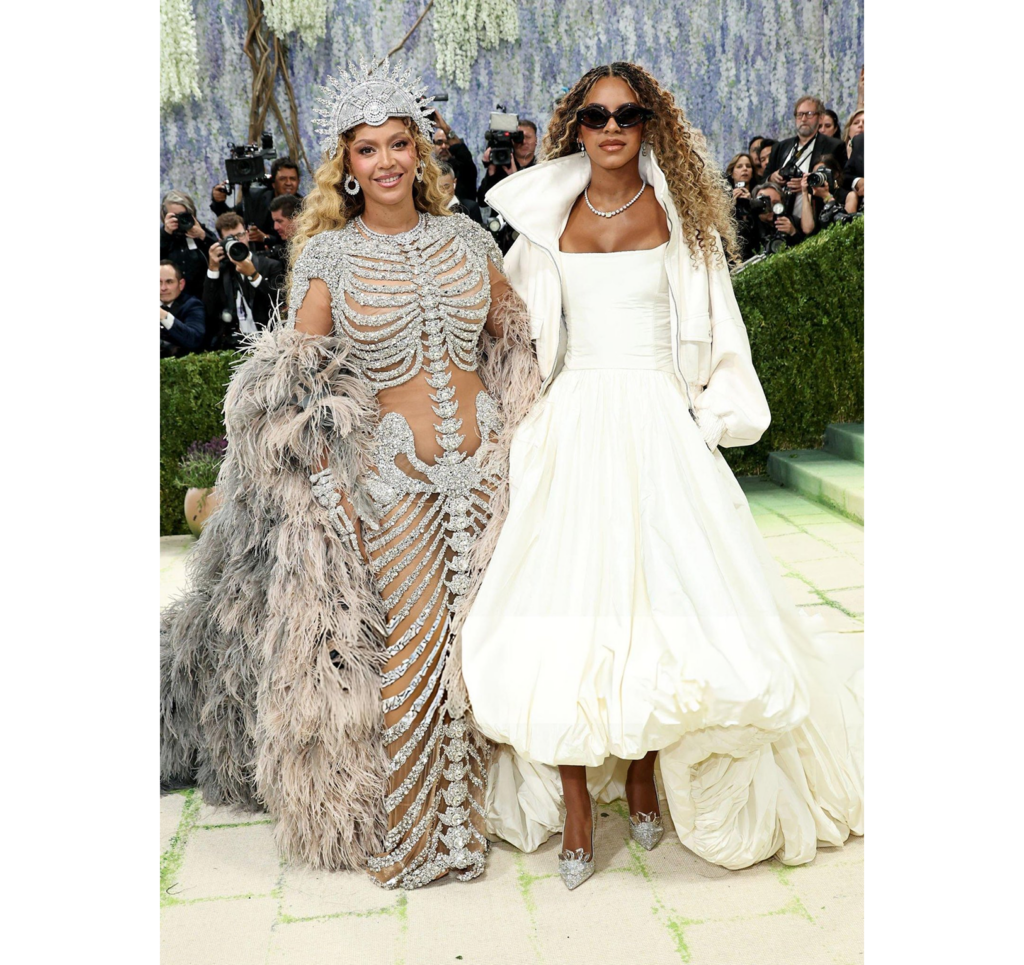
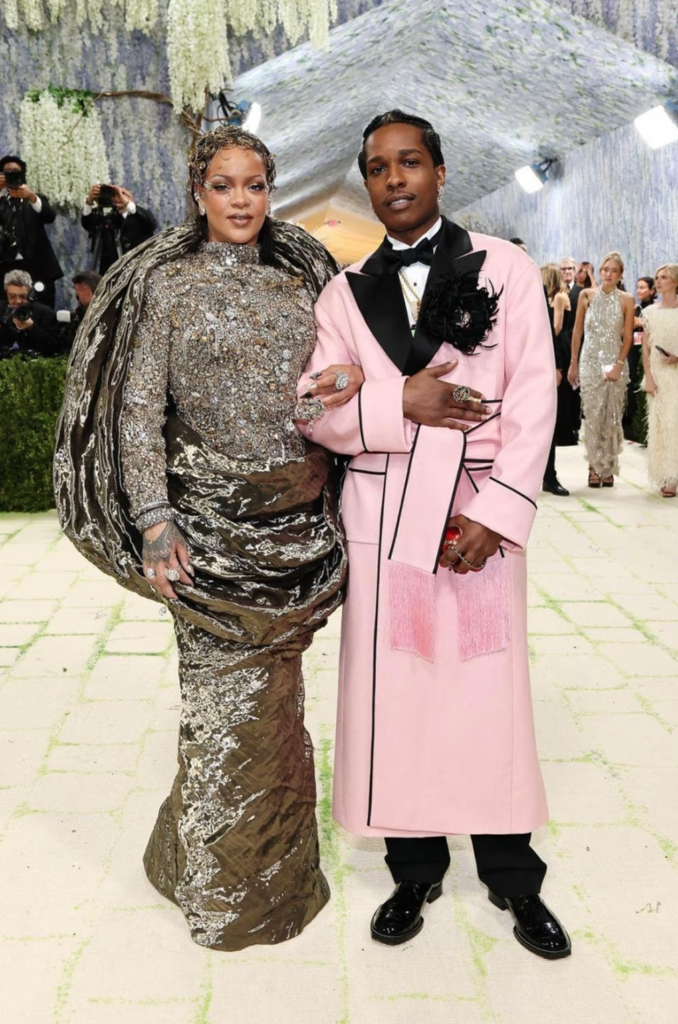
Beyoncé worked directly on the anatomy rather than dressing it. The piece intervened with the body instead of following it. Rihanna, in Margiela, stayed within a sculptural, closed logic that did not require explanation. Blake Lively approached historical reference through proportion and construction, not excess.
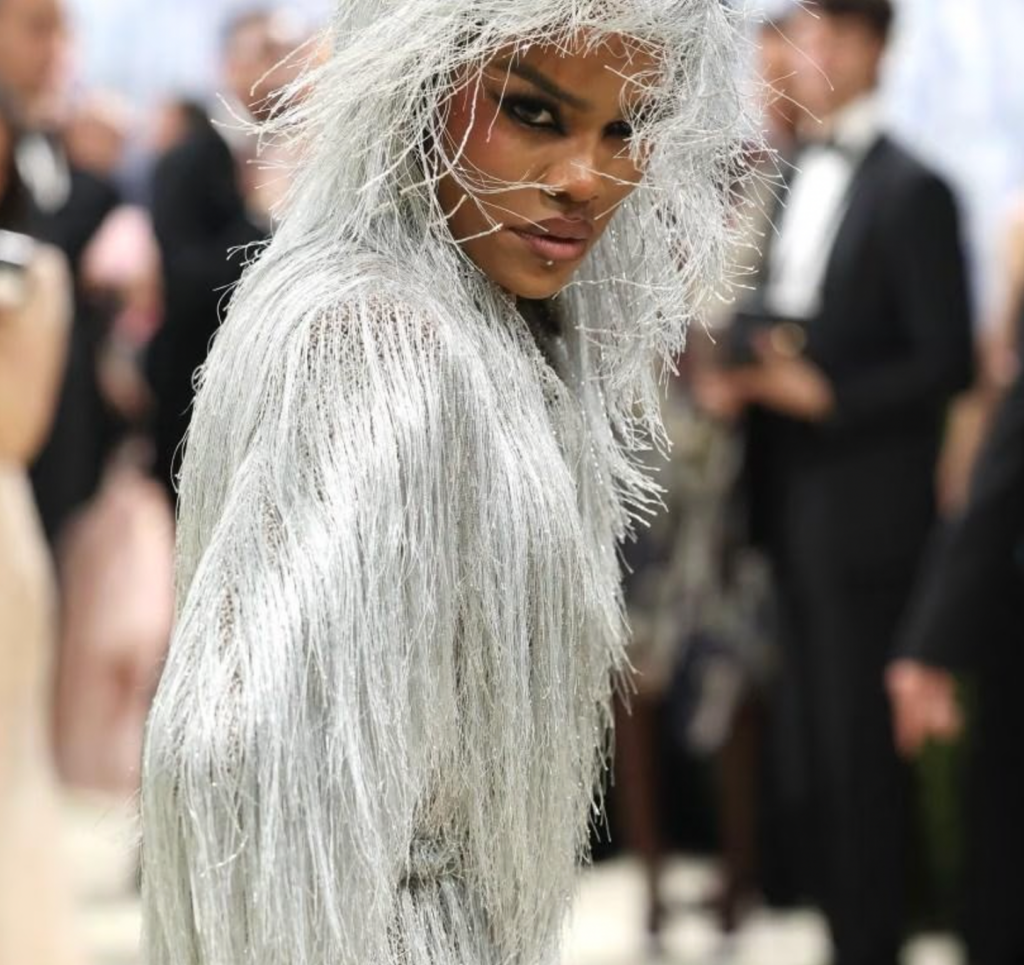
Kim Kardashian continued exploring the body as object, but with a language closer to contemporary art than immediate impact. Janelle Monáe moved the concept into a more narrative territory, where the piece extended beyond the look itself.
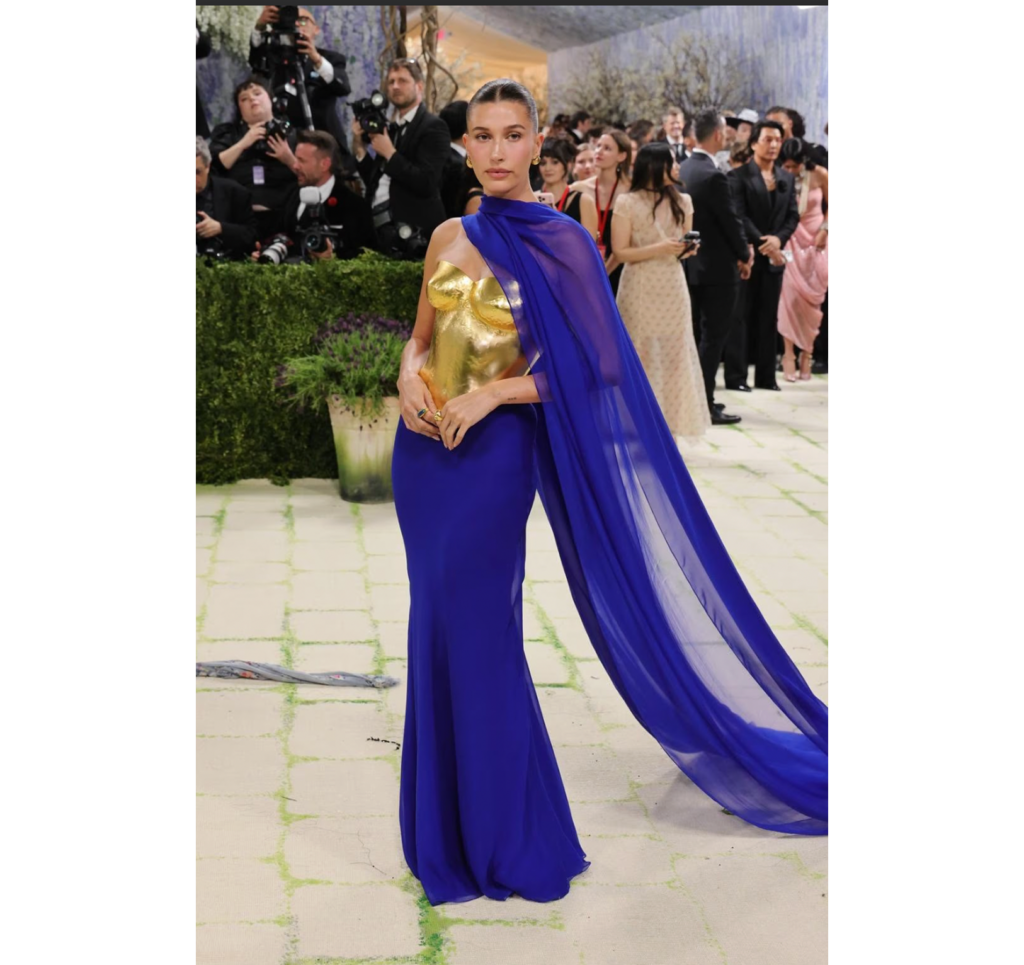
In contrast, figures like Cher and Hailey Bieber demonstrated another reading of the theme: reduction. Clean silhouettes, precise materials, controlled decisions. That is where the shift became visible: exaggeration stopped being automatic, and execution became visible.
Inspiration: art, archive, and the intervened body
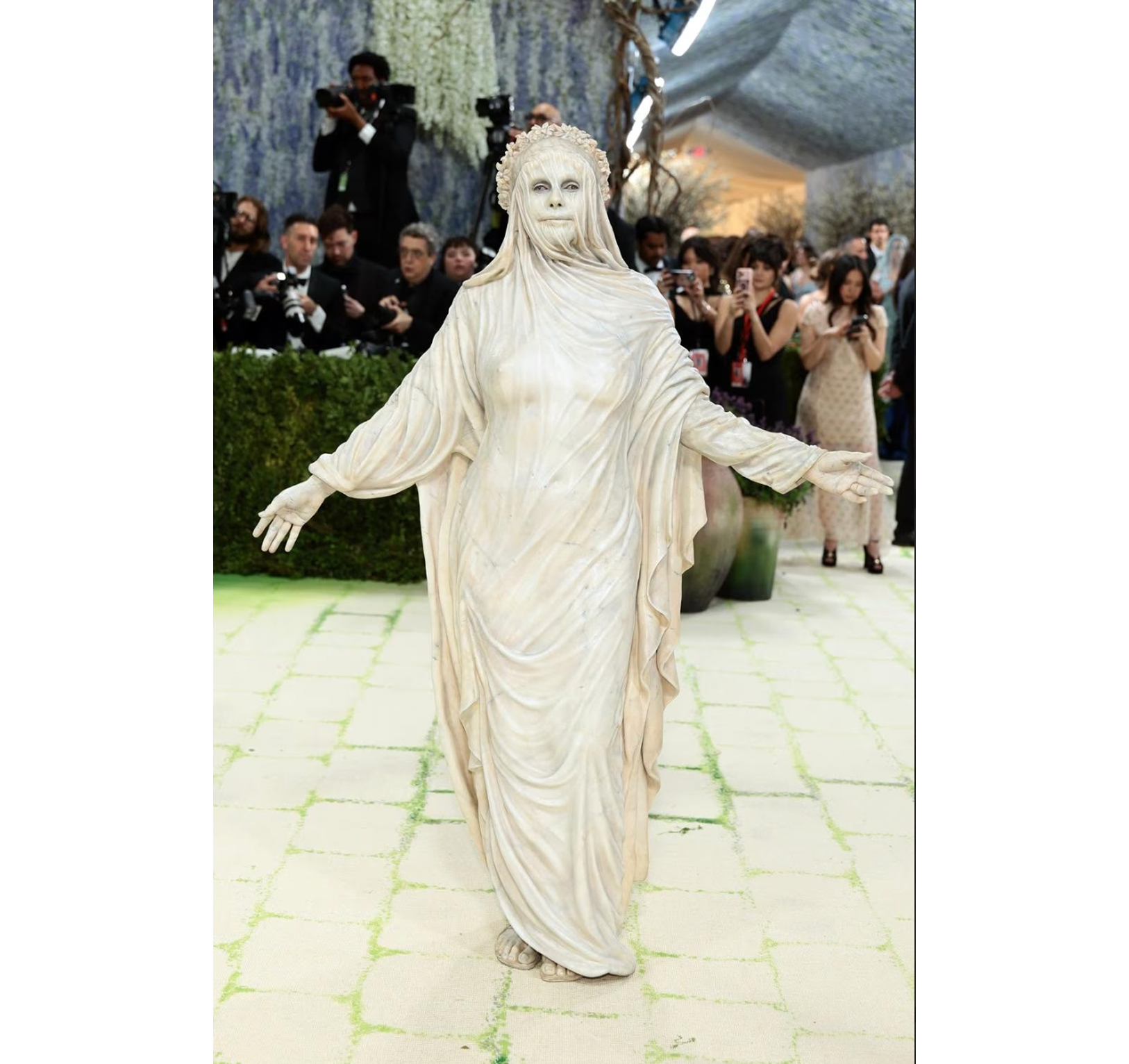
The references were clear and consistent: there was a strong influence of classical sculpture, particularly in how anatomy was approached. Bone structures, volumes that move away from the natural silhouette, pieces that construct the body from the outside. There was also a strong presence of historical archive, including Rococo, Baroque, and theatrical costume references, but executed with more restraint and less decoration.
At the same time, contemporary art appeared through materials and surface treatment. Metallic finishes, industrial textures, bodies treated as objects. Not as provocation, but as language. What mattered is that this was not about quoting art, it was about operating within it.
Inclusion: present, but integrated
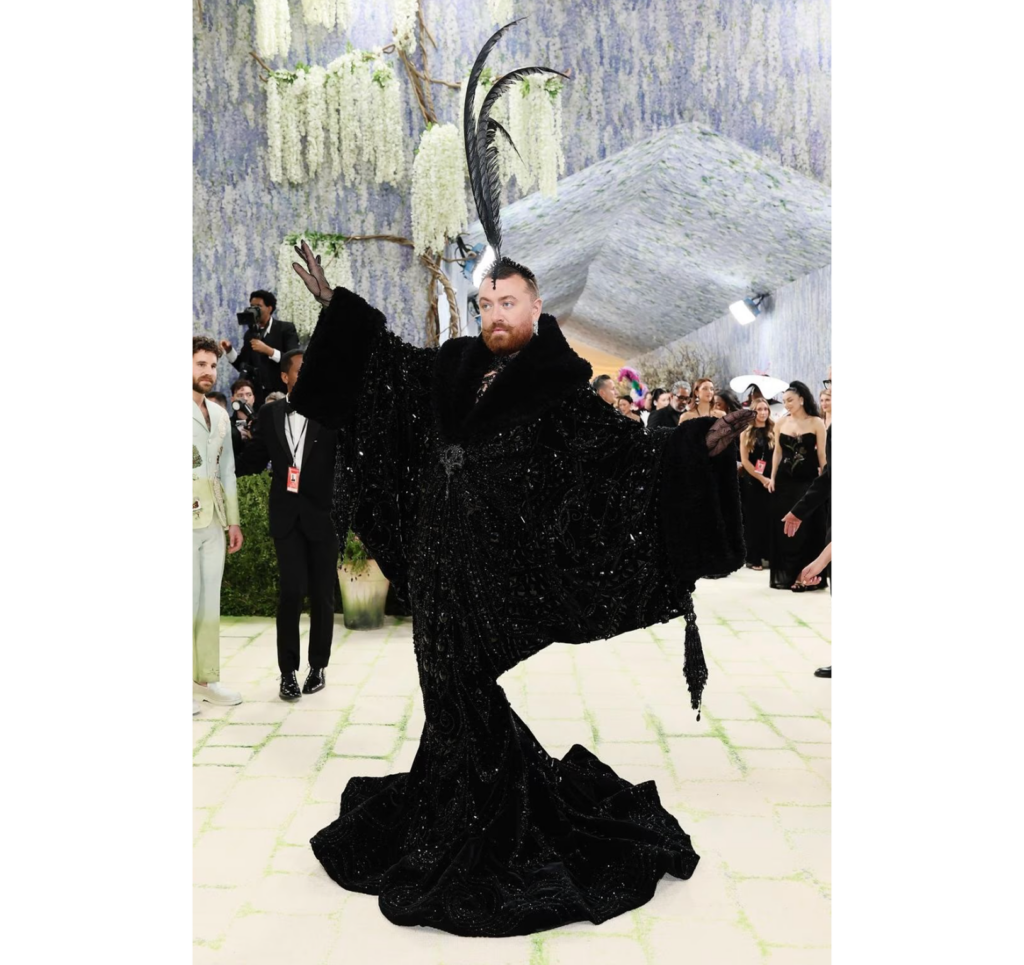
Unlike recent years, where inclusion was often explicit and sometimes performative, this edition approached it in a more integrated way.
It appeared in the diversity of bodies without needing emphasis, in proposals that did not respond to a single beauty ideal, in the presence of designers and approaches outside the traditional circuit, and in narratives that incorporated sustainability and awareness without forcing them into focus.
Janelle Monáe was one of the clearest examples of this, but not the only one. The difference is that it no longer reads as a separate statement, it reads as part of the construction.
Materials, construction, and execution
There was a visible shift in how the looks were built: less reliance on fluid or decorative fabrics.
More structure, more architecture, more pieces that define volume from within.
Even in more experimental proposals such as Iris van Herpen or the use of prosthetics, there was a clear logic behind each decision. It was not about adding elements. It was about resolving a specific idea. This also translated into the visual rhythm of the carpet, in fewer extreme peaks, and more consistency.
Beauty aligned
If fashion approached art through interpretation, beauty is where that idea settled. During the Met Gala 2026, the face stopped being secondary and became the element that holds the look. Not through excess, but through intention. In Emma Chamberlain, the eye did not try to open, it stayed contained. Deep, slightly undone shadows removed perfection to create direction.
Natural beauty also appeared, but from a different place. Not as absence, but as precision. In Gigi Hadid and Ashley Graham, the skin felt clean but never accidental. Everything was reduced to what mattered. Light placed with control, contour barely there, like a work still in progress.
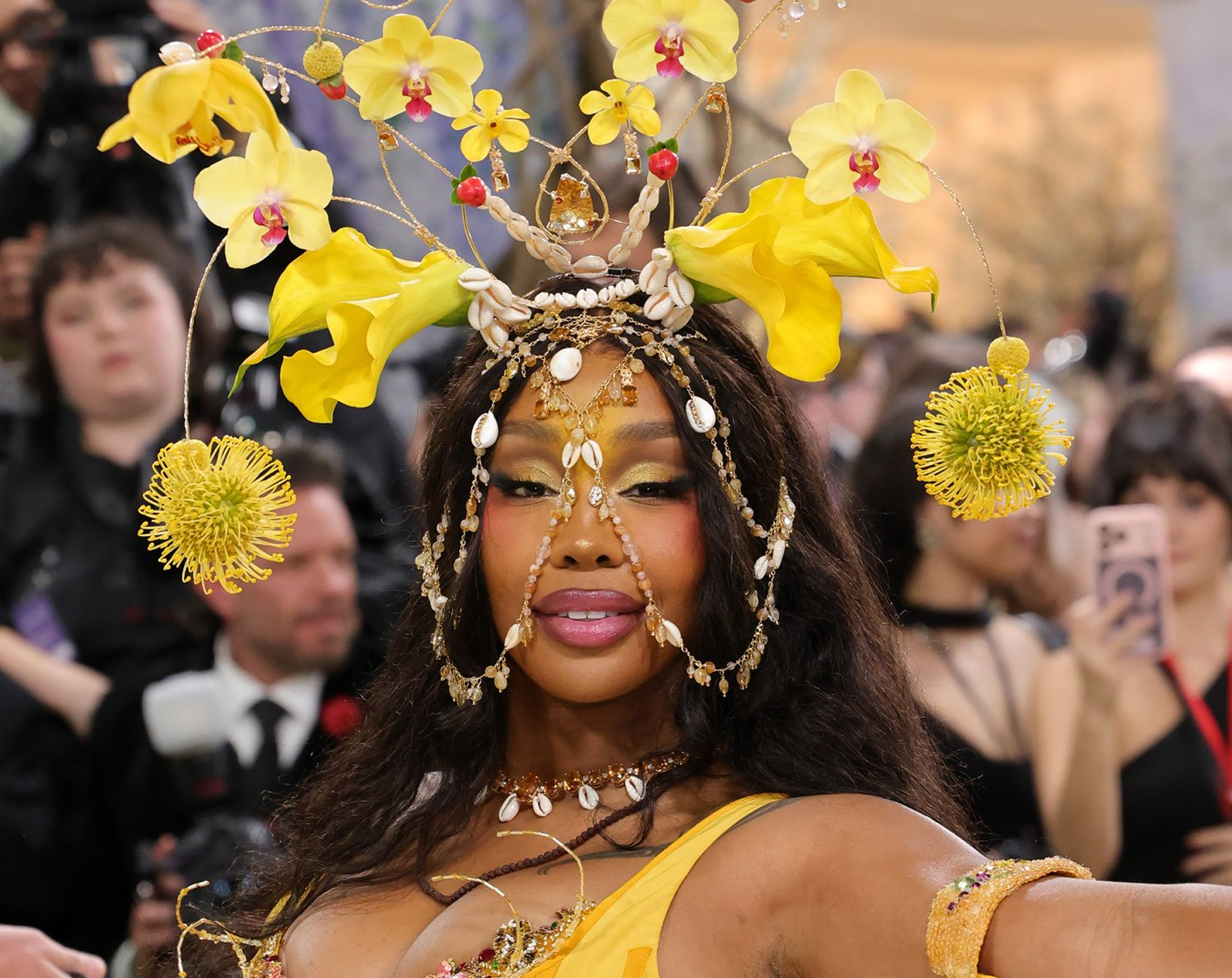
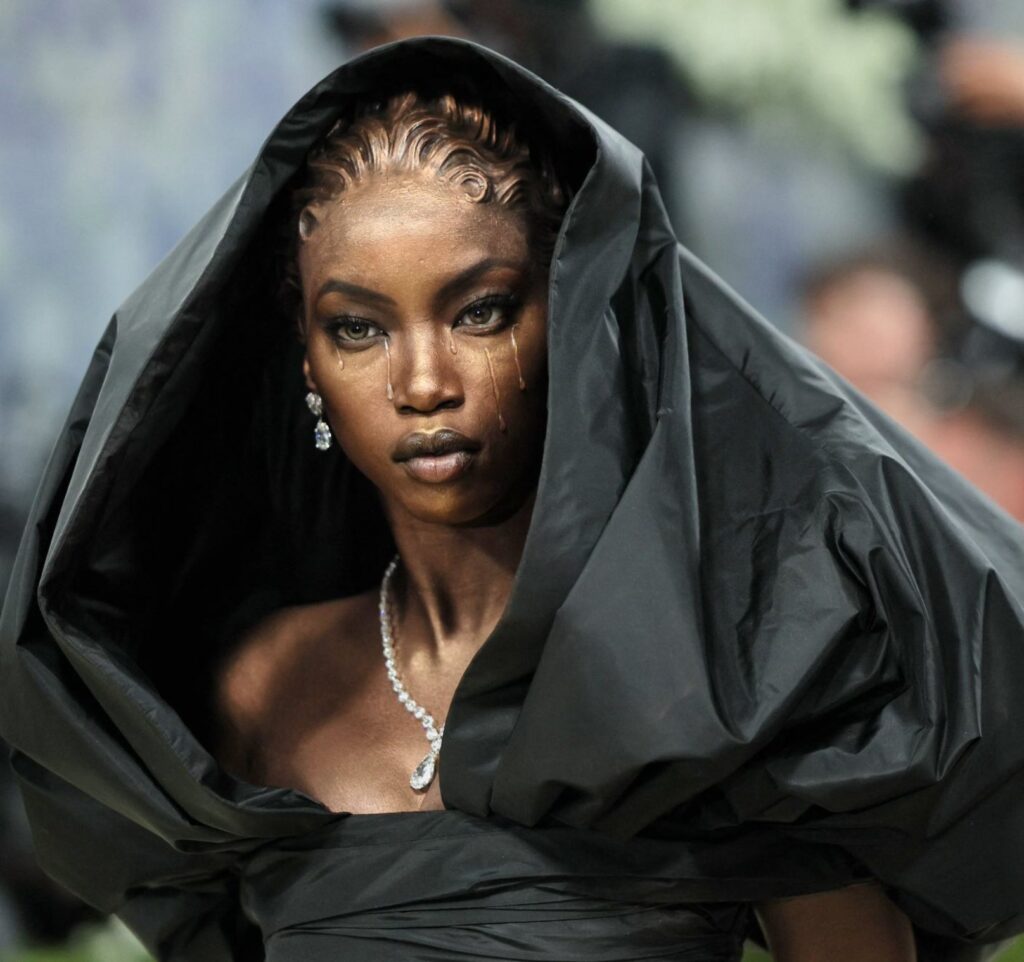
But when it comes to beauty, theatricality also emerges. In Gwendoline Christie, that decision becomes evident: the face stops responding to expectation and begins to hold something closer to character than makeup. And in Anok Yai, that same logic is pushed even further—gold tears that don’t aim to balance, but to remain. That’s where the idea of the night becomes clear: beauty no longer accompanies fashion, it interprets it.
Beauty did not support fashion, it interpreted it.
Beyond the look: what is confirmed
The Met Gala is not just a red carpet loaded with fashion iconicity. It is a central point in the current conversation. What has already been taking shape throughout the year—names, aesthetics, movements—finds its moment of confirmation there. That’s why it’s anticipated. Not for the element of surprise, but for what it establishes as a statement.
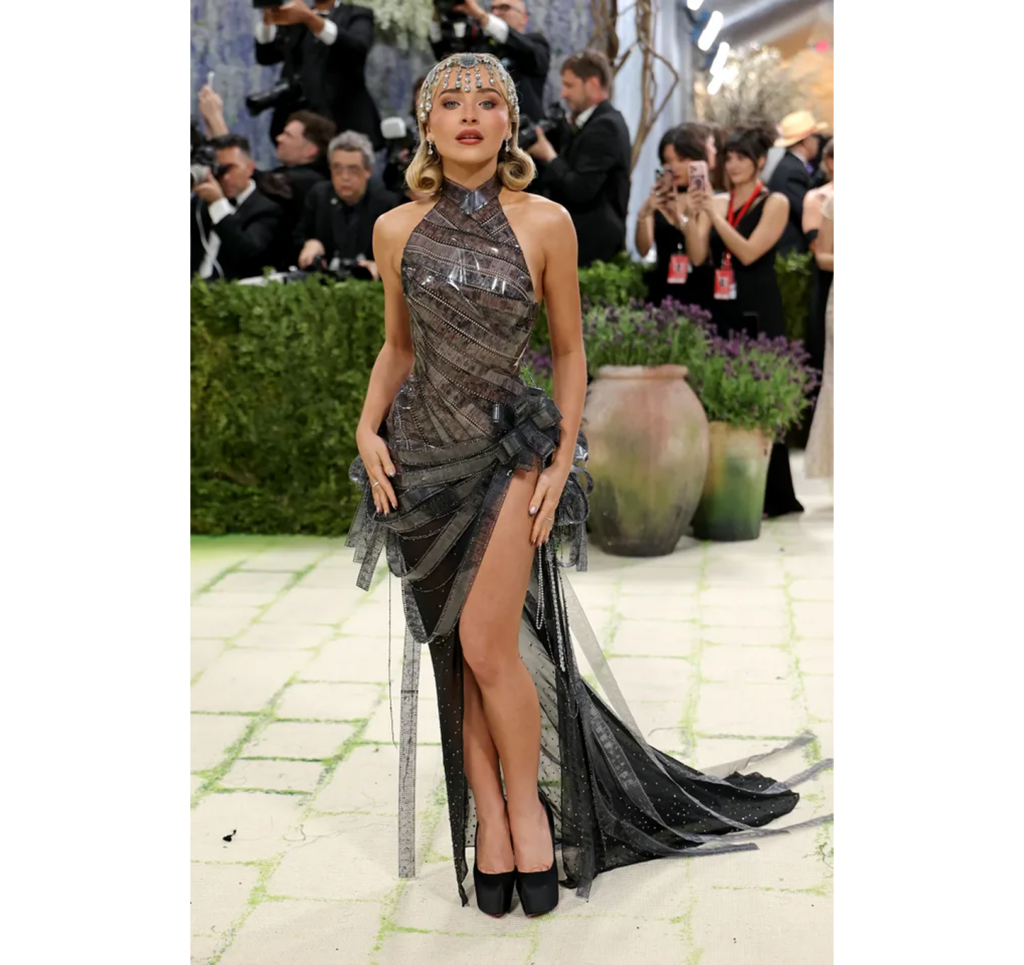
Sabrina Carpenter appears as one of the figures defining the current moment, and her presence confirms it rather than introducing it. Her choice of look, a costume design by Jonathan Anderson, reflects the convergence of two names already shaping the conversation.
A similar pattern appears with Robert Wun. Not announced, but consistent. His repeated presence across the carpet moves him from isolated appearance to established direction.
And then there is Beyoncé. Ten years after her last appearance, she returns to the steps of the Metropolitan Museum of Art alongside Blue Ivy Carter. Not as a viral moment, but as an image built from trajectory, legacy, and present.
The data and the direction
The gala raised over 42 million dollars, one of the highest figures in its history. But the number is not the point. What matters is that the event is beginning to align again with what it represents: fashion as archive, as construction, and as discipline.