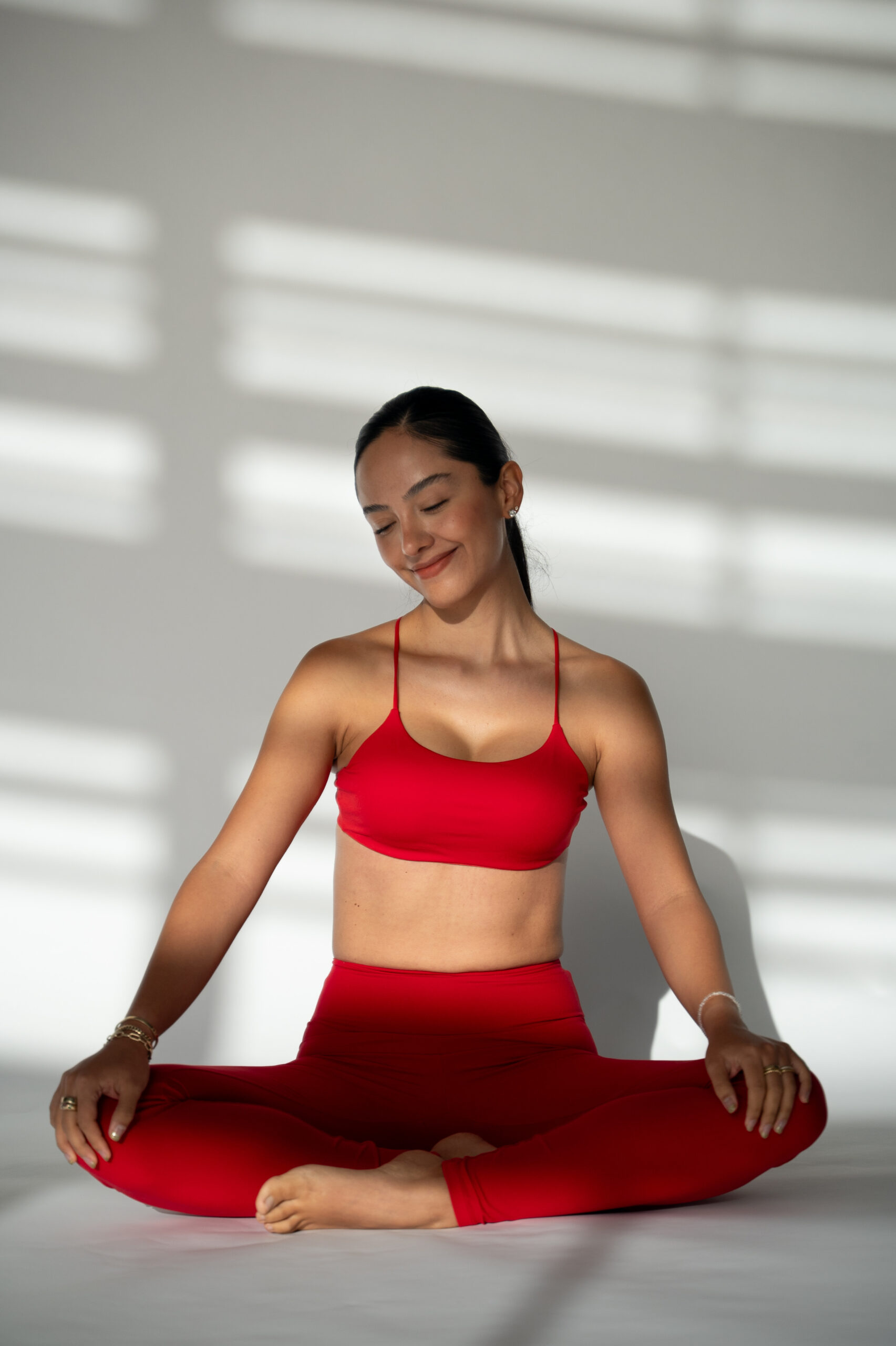
It is no secret: movement has changed its meaning. Today, women are no longer only looking for pieces that perform during a workout, but garments that respond to other equally important needs: how a fabric feels on the body, how well it moves with us, how flattering it is without discomfort, and how it withstands the rhythm of a full day. Yes, sportswear is no longer just a uniform; it is now an everyday ally.
And within that shift, it is worth paying attention to the brands that now dominate our wardrobes. Surprisingly, they are brands that were not born from traditional performance, but from lingerie, shapewear, and everyday essentials. Brands that understood support, comfort, and intimacy long before speaking the language of performance.
Author: aNDREA BAU
The Bra as a Starting Point
Before fully stepping into activewear, some brands already understood an essential conversation: how to dress one of the most complex areas of the female body, the bust. The bra was never just an intimate garment; it also involved support, structure, fit, mobility, and above all, confidence. In many ways, that is where an important part of what we now seek in workout clothing began.
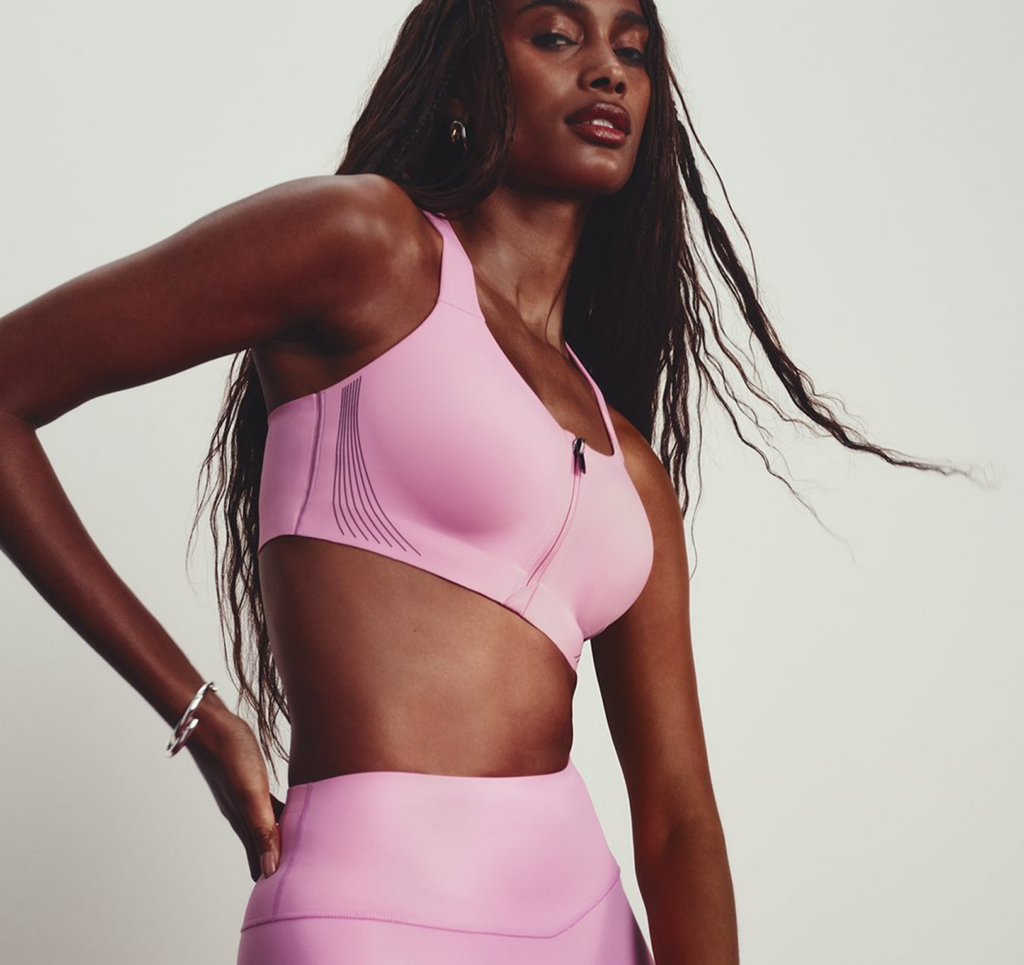
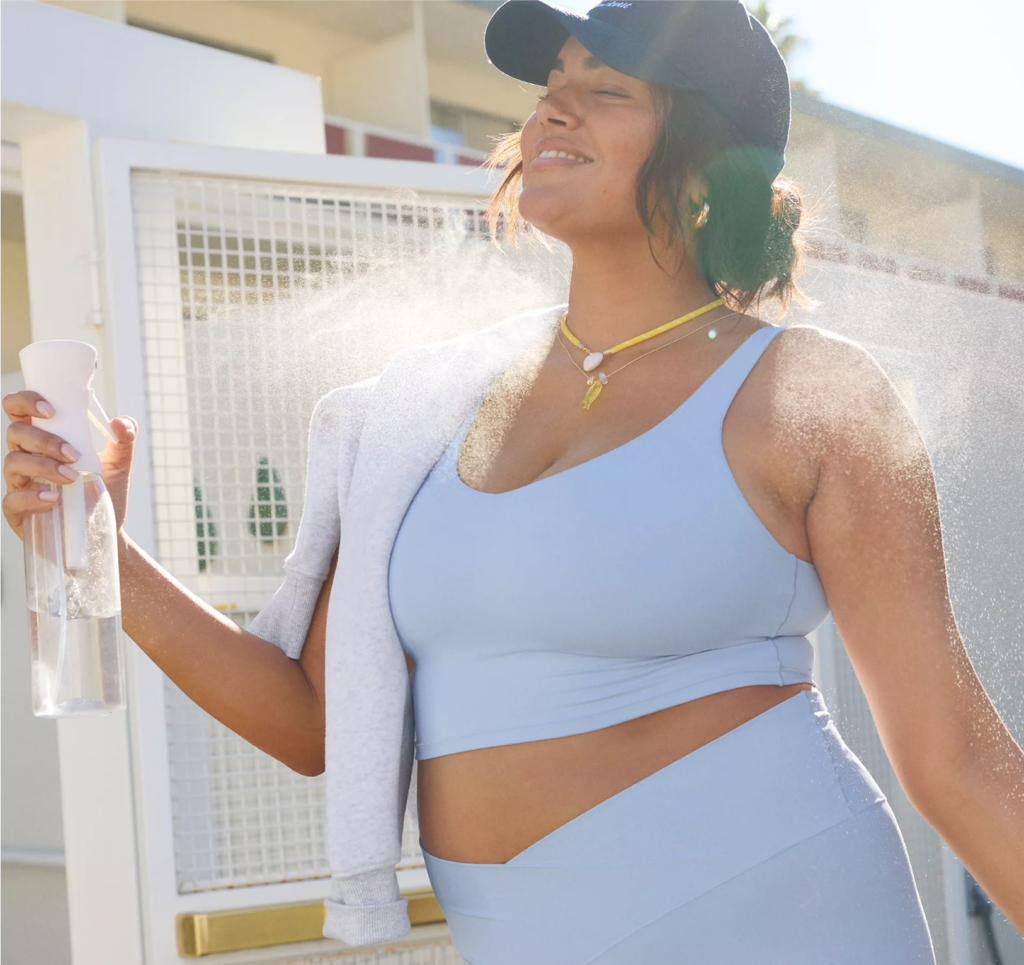
Aerie was already operating under that logic. Its proposal—built around comfort and flexibility, with a vision focused on understanding different bodies—helped shift the focus away from rigid aesthetics and toward everyday wellbeing. Its sports bras, designed for different levels of support and types of activity, quickly understood that we do not all move the same way. By the time sportswear began looking for new ways of dressing the body, built to accompany an entire day, the brand was already fluent in that language.
Victoria’s Secret, meanwhile, turned decades of experience around the brainto a natural expansion into sport. What makes VSX, its sport-focused line, particularly interesting is that it didn’t simply launch activewear pieces. It transferred all of its knowledge of support, structure, and fit into categories where that technology was essential. Put simply, both brands understood a need that now seems obvious: support without discomfort.
It is not about diminishing the value of traditional sports brands, which remain a benchmark when we talk about innovation and performance.
The Evolution of Shapewear
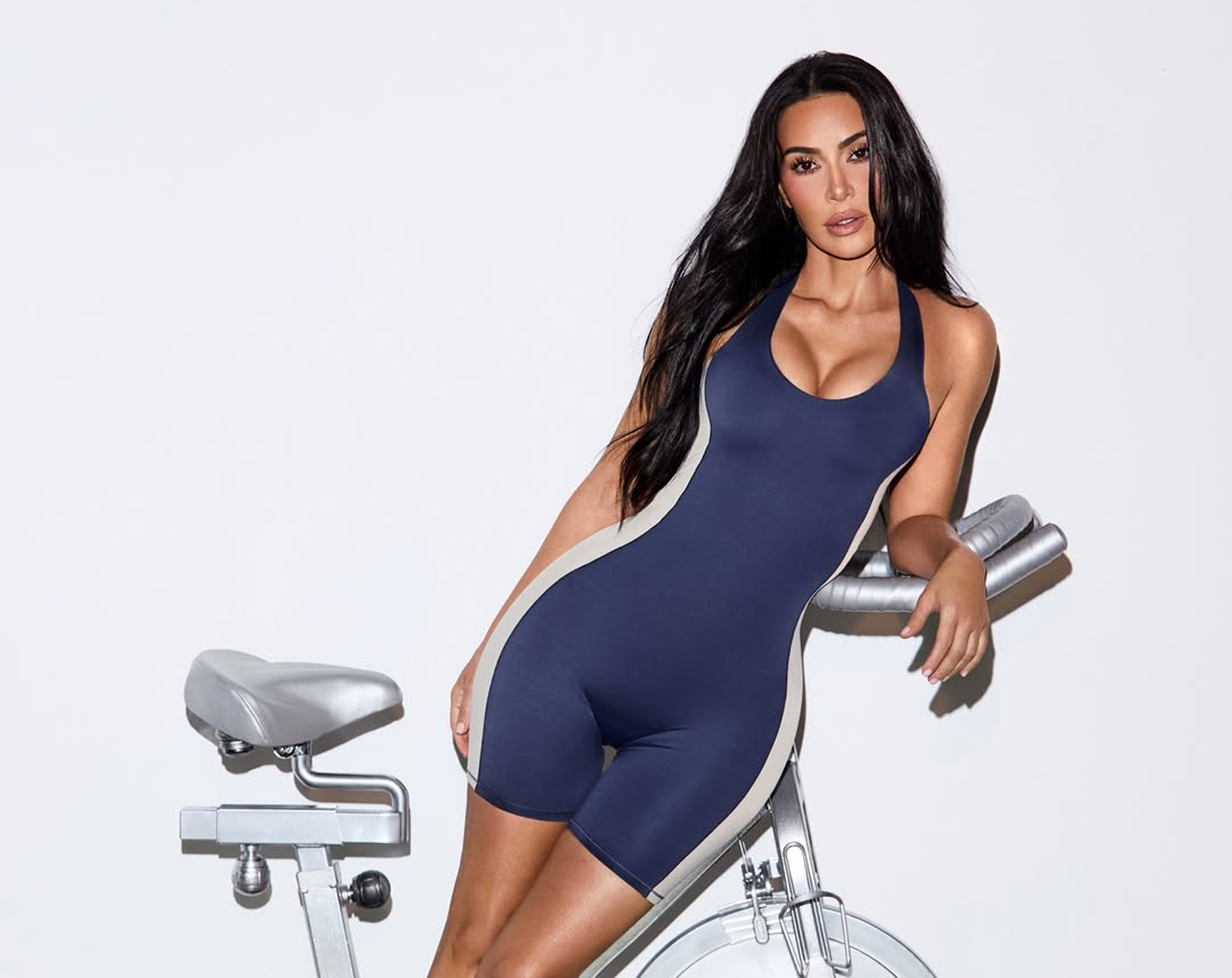
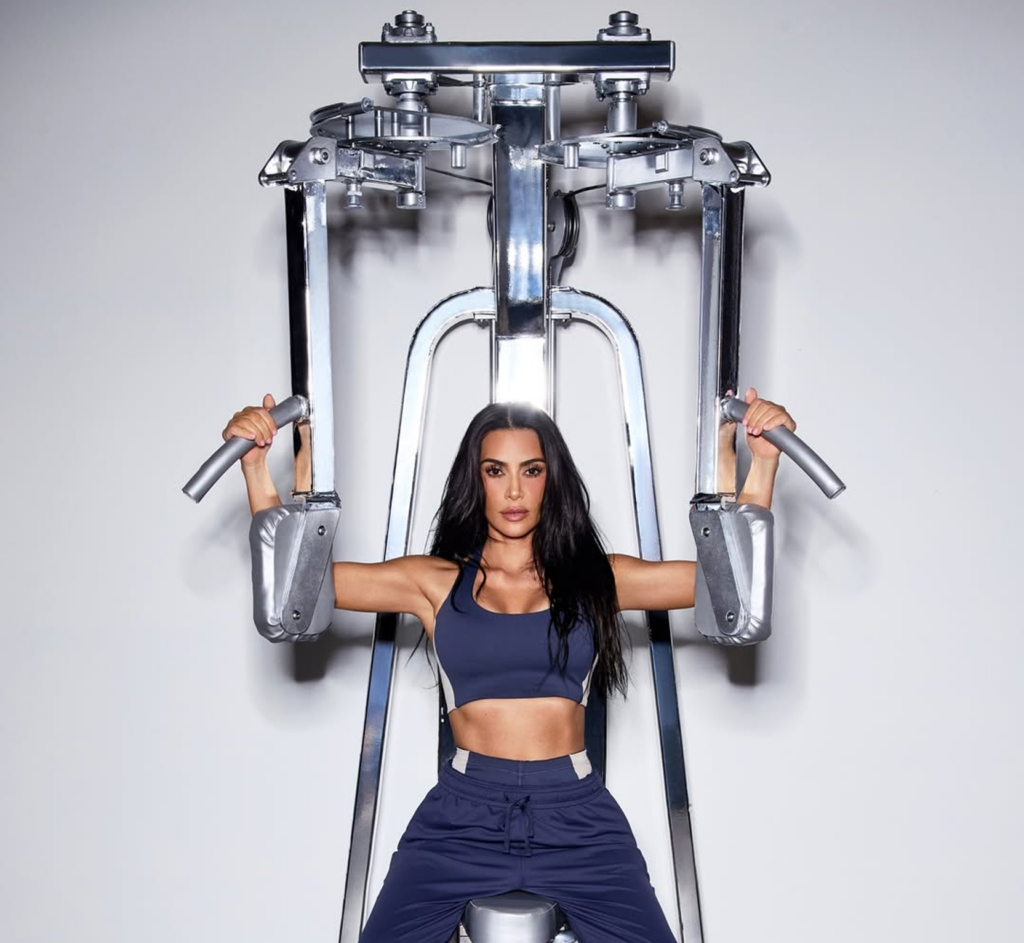
For years, shapewear was viewed only through the lens of silhouette. These were pieces designed to feel like a second skin that, honestly, were not always comfortable. The idea of shapewear became associated with rigidity, discomfort, and a corrective relationship with the body—far removed from what we wanted when it came to movement. Until Kim Kardashian changed part of that narrative.
SKIMS saw everything from another angle, transforming shapewear into garments where fit, compression, and comfort could coexist without conflict. Its expansion into activewear was equally strategic. The brand was not starting from zero. SKIMS already mastered the language of real silhouettes, flexible support, and intelligent compression; qualities that brought its training pieces into a new category: garments that support movement without feeling heavy or restrictive.
When Loungewear Entered the Gym
If shapewear arrived in activewear through intelligent compression, loungewear did so through a simpler idea: feeling comfortable all day long. Soft fabrics, relaxed silhouettes, and pieces capable of accompanying both a mountain hike and a Pilates class.
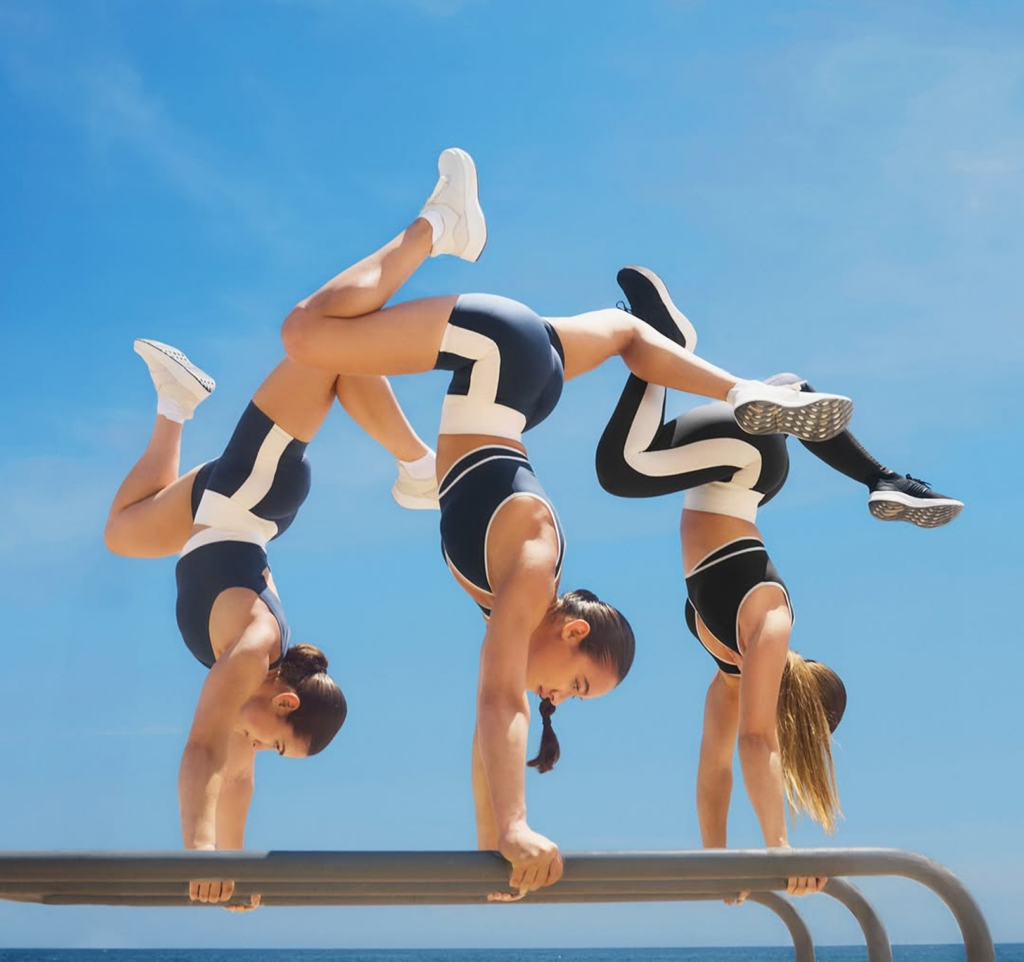
Oysho entered that category naturally, almost as if it had been preparing for it for years. The reason is simple: its universe had always been built around comfort. Pajamas, basics, and everyday underwear—which dominated its catalogue for years—became soft-compression leggings and lightweight tops, along with essential training accessories (mats, blocks, and resistance bands). In the end, its sport category came to lead its commercial proposal and today confirms that comfort and movement no longer live separately.
The bra was never just an intimate garment; it also involved support, structure, fit, mobility, and above all, confidence.
Wellness as a Trend
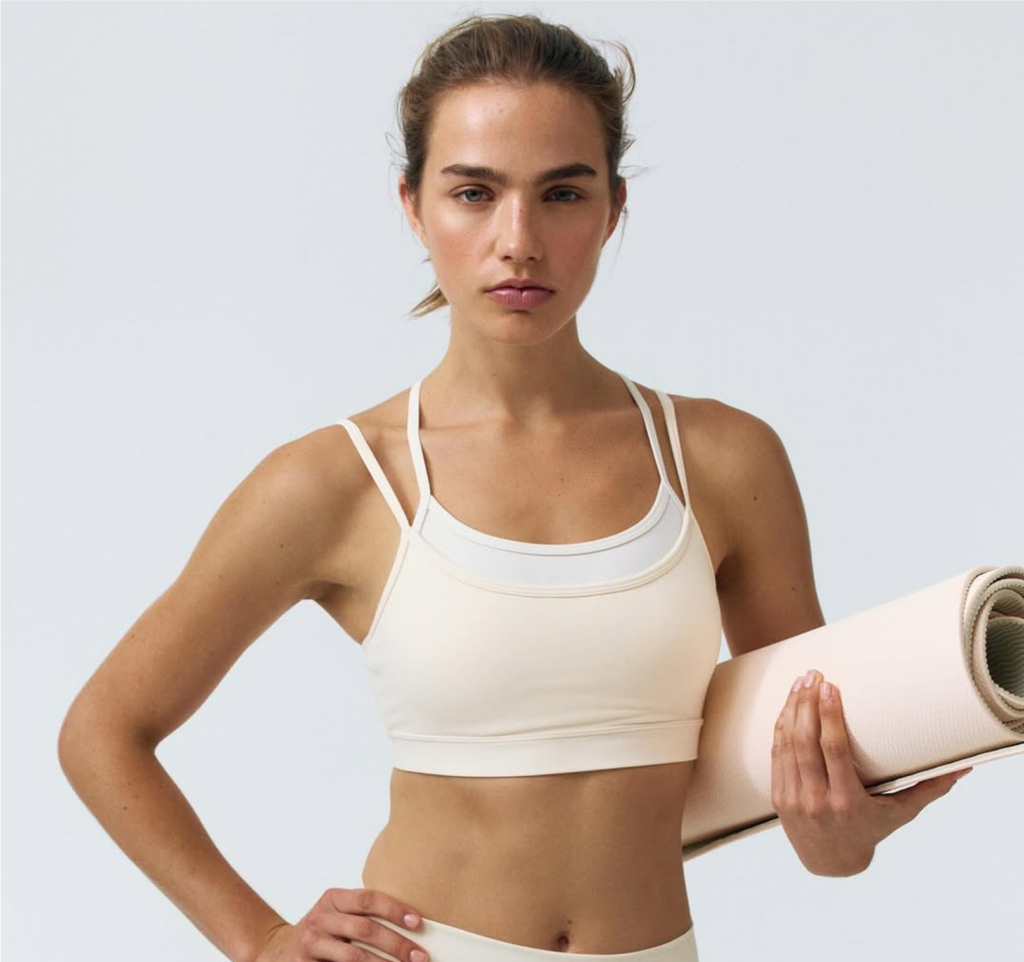
Yes, some brands arrived in activewear through intimate categories. But others did so from an even more powerful angle: understanding where the conversation is moving. And today, few trends carry as much weight as exercise turned into a lifestyle. Waking up to run at 7 a.m., matcha latte in hand, a Pilates class to release the muscles, and of course, a super cute coordinated set. Wellness became image, habit, and aspiration—and H&M understood that better than anyone.
With the launch of H&M Move, the brand entered a category where functionality, aesthetics, and accessible pricing coexist in balance. Its proposal took shape through high-support leggings, comfortable tops, lightweight layers, and thoughtfully designed sets meant to accompany everything from a morning class to the rest of the day. The Swedish giant understood that wellness no longer asked only for sportswear, but pieces ideal both for movement and for that last Story photo, very “Pilates girl aesthetic.”
Epilogue
Workout clothing is going through one of those moments when a category becomes broader than its origin. What began tied to performance and physical demand now also speaks the language of comfort, aesthetics, intimacy, and a more flexible understanding of wellness.
This is not about diminishing traditional sports brands, which remain references when it comes to innovation and performance. It simply confirms something more interesting: clothing for training no longer responds to a single formula. Perhaps that is why Aerie, Victoria’s Secret, SKIMS, Oysho, and H&M are redefining activewear: because they understood that today movement begins long before exercise.