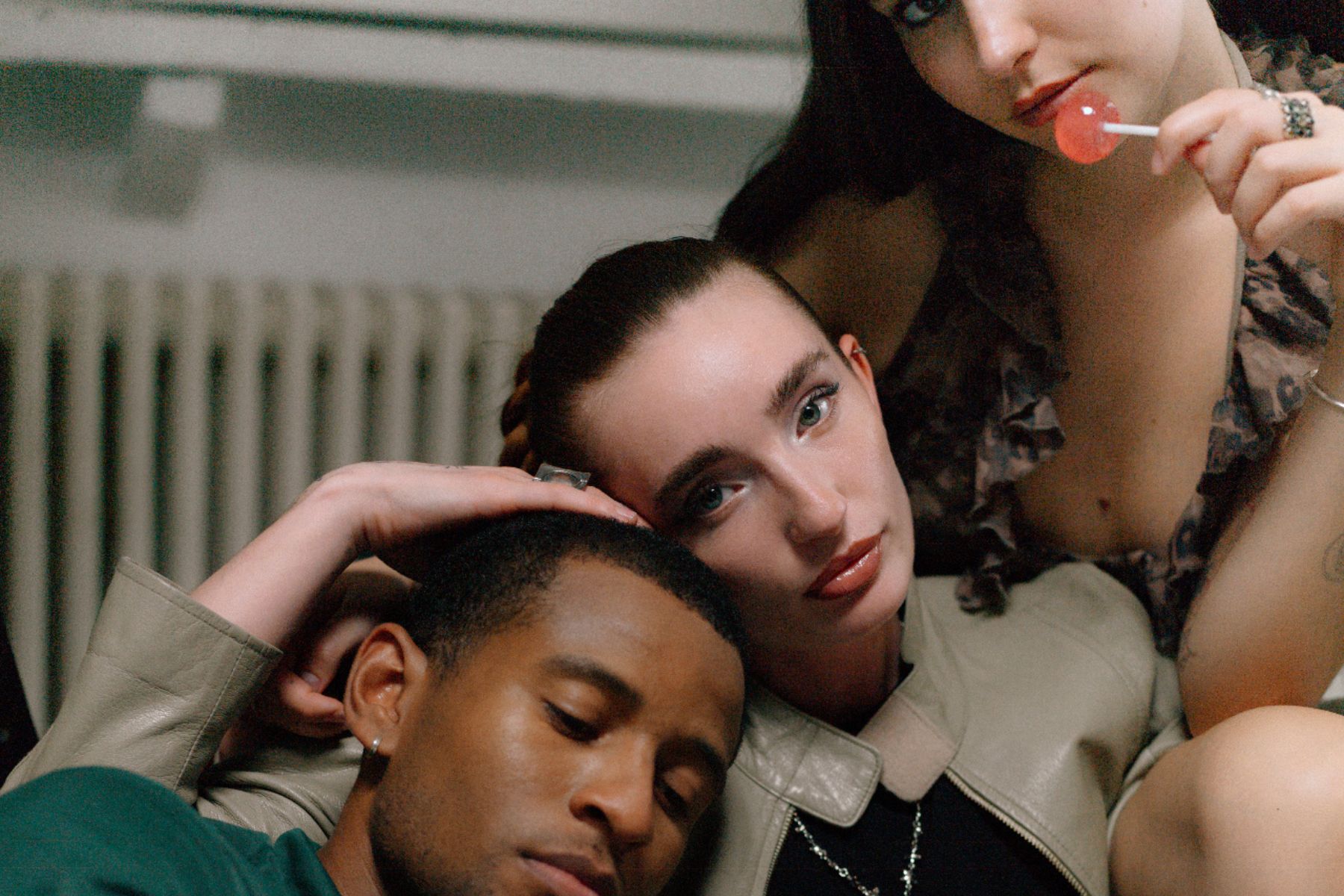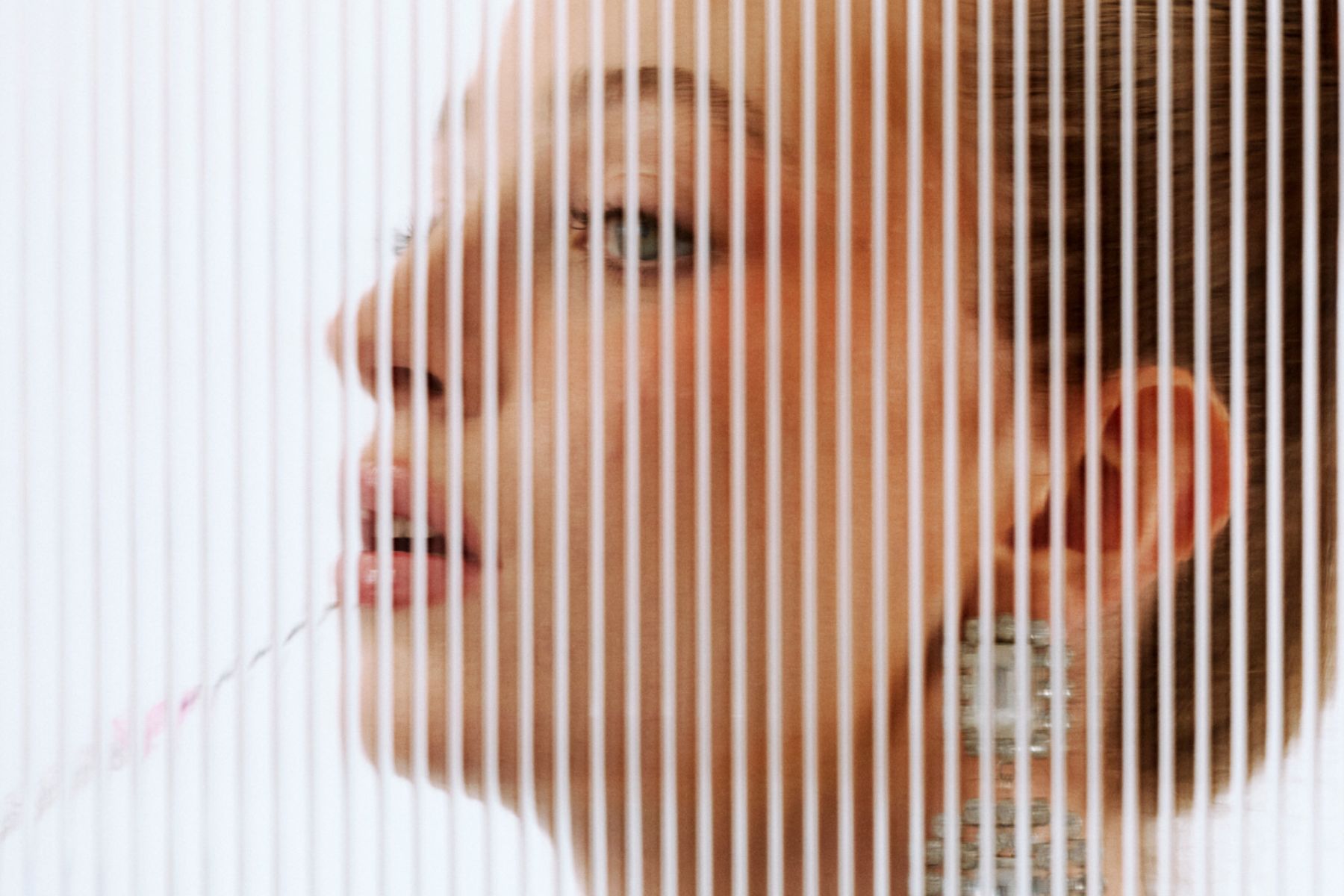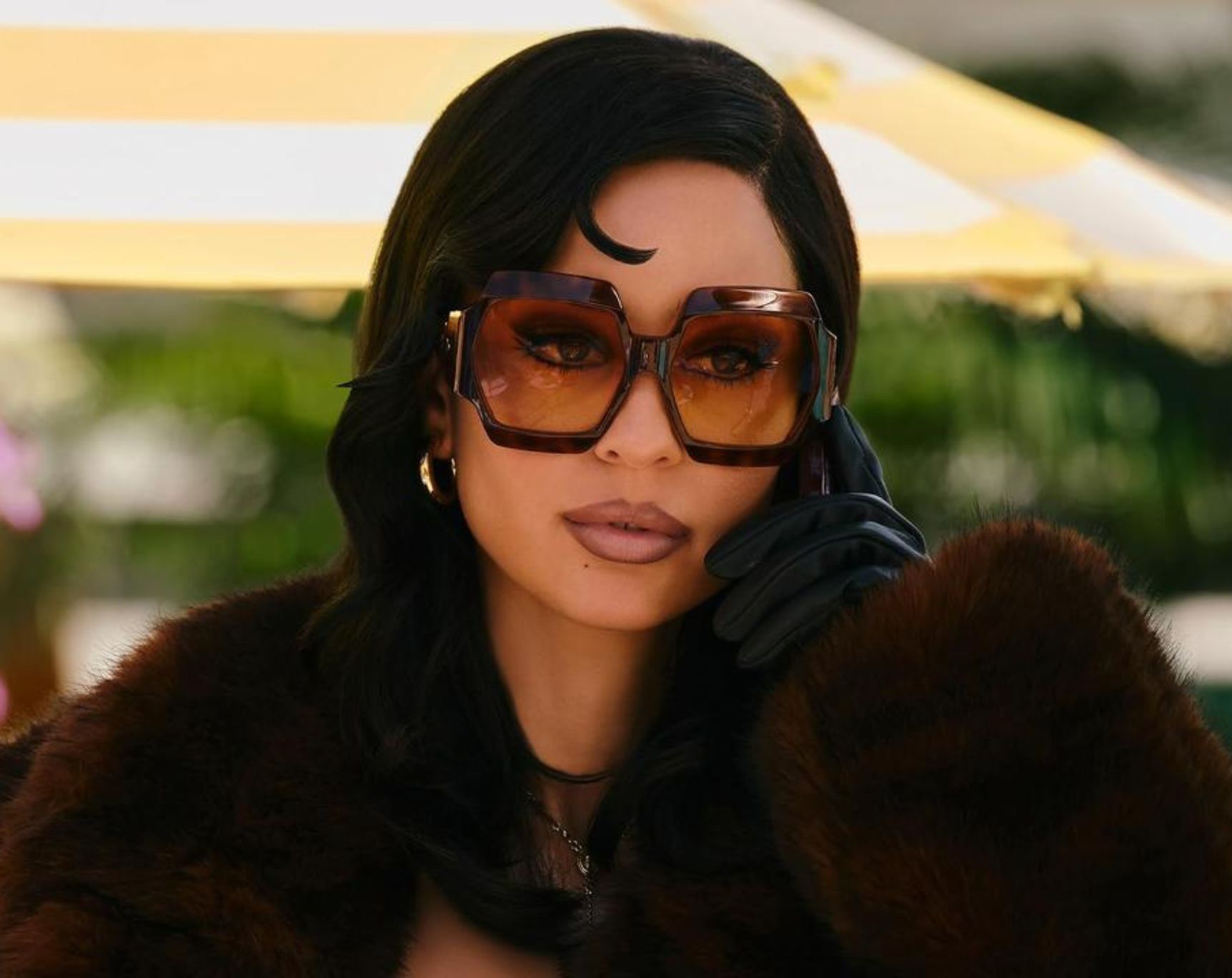
There are stories that transcend the screen and settle into real life. Since its premiere in 2019, Euphoria, created by Sam Levinson, has established itself as one of HBO’s most-watched series; however, its impact goes far beyond any metric. It has become a phenomenon that is not only consumed, but replicated, interpreted, and integrated into the way a generation expresses itself.
Today, with the release of its third and final season, that phenomenon enters a new point of tension. It is no longer just about anticipation, but about understanding the place it occupies within contemporary culture.
Authors: aNDREA BAU & FERNANDA MERINO
When Entertainment Becomes Identity
Euphoria no longer seeks to disrupt; it has consolidated itself as a language that evolves under its own codes. Its impact is not limited to fiction. It has embedded itself in contemporary visual culture and transformed the way a generation, particularly Gen Z, represents itself. More than a sum of elements, its proposal is built from recognizable gestures: disruptive, glitter-saturated makeup, styling that functions as an extension of identity, as well as phrases and scenes that migrated to social media until they became part of the conversation.
Its strength lies not only in what it tells, but in how it translates emotion, identity, and experience into an aesthetic proposal that transcends the screen. So, at what point does a series stop being just entertainment and become a generational reference? This is where the reading begins.
Euphoria no longer seeks to disrupt; it has consolidated itself as a language that evolves under its own codes.
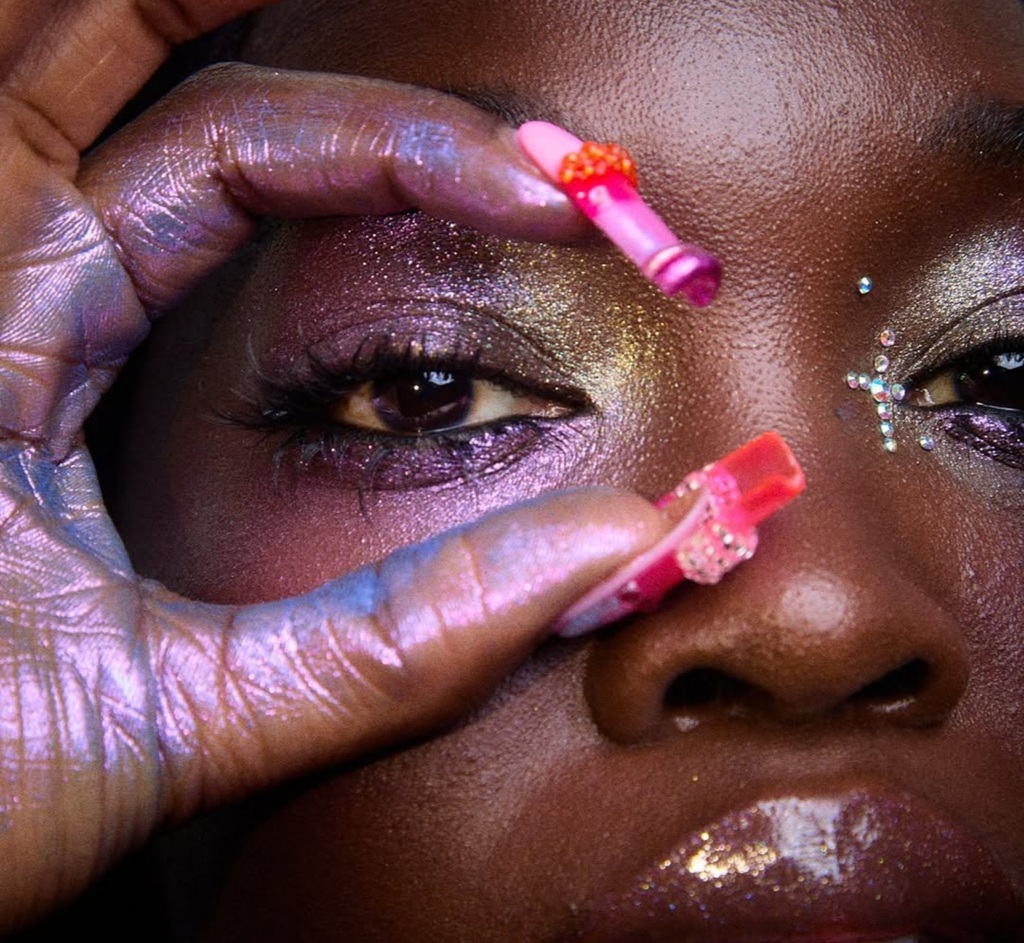
Makeup: Euphoria’s Emotional Code
In Euphoria, makeup does not function as an aesthetic complement, but as a narrative device. More than defining trends, it builds characters and translates emotional states.
Under the direction of makeup artist Doniella Davy, the proposal moves away from the conventional to become a central element within the series, working closely with Sam Levinson in shaping each identity.
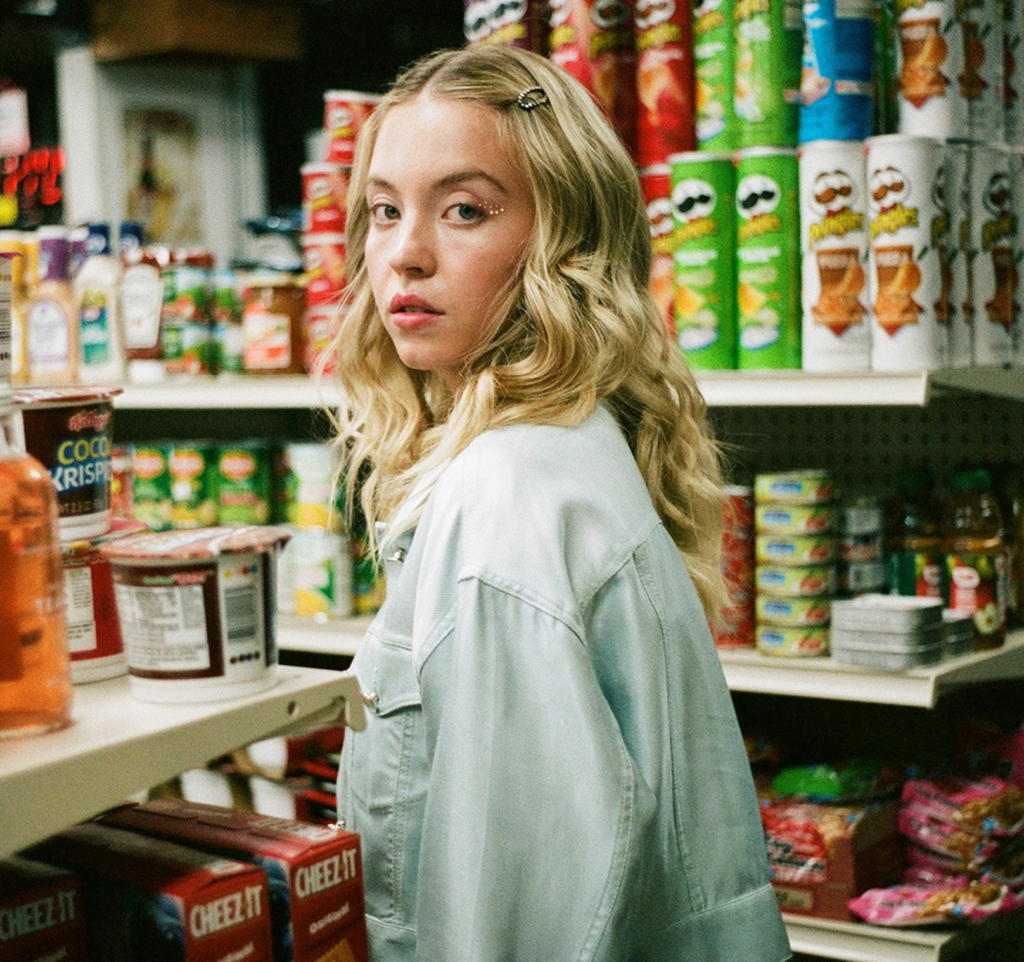
It leaves behind traditional makeup to become a leading element in the series, always in service of the narrative. In Rue (Zendaya), shimmering eyes and glitter tears reveal her contained pain; in Jules (Hunter Schafer), experimentation defines her versatility; in Maddy (Alexa Demie), it evolves into something performative; and in Cassie (Sydney Sweeney), it remains more neutral, while hinting at her desire for transformation through ultra-glossy lips and voluminous lashes.
Its impact did not end on screen. Recognized with Emmy Awards and expanded into its own universe through Half Magic, its own brand, Euphoria’s makeup confirmed something unusual within the industry: it can also become a character. It did not just define an aesthetic; it sparked a shift in how beauty is understood as a form of expression.
Styling as Visual Narrative
But disruptive makeup was not the only visual element that defined Euphoria’s aesthetic. The wardrobe, initially led by Heidi Bivens, also functioned as a character within the series. Its approach did not seek perfection, but something far more honest: capturing how young people dress and present themselves today. The result was intuitive yet precise styling. A natural mix between accessible brands such as Brandy Melville or Urban Outfitters, and luxury houses like Versace, Marc Jacobs, or Karl Lagerfeld.
More than creating looks, Bivens showed how clothing can become a way of constructing identity. And within that blend of luxury and accessibility lies one of the keys to its impact: an aesthetic that is aspirational, yet close and easy to reinterpret.
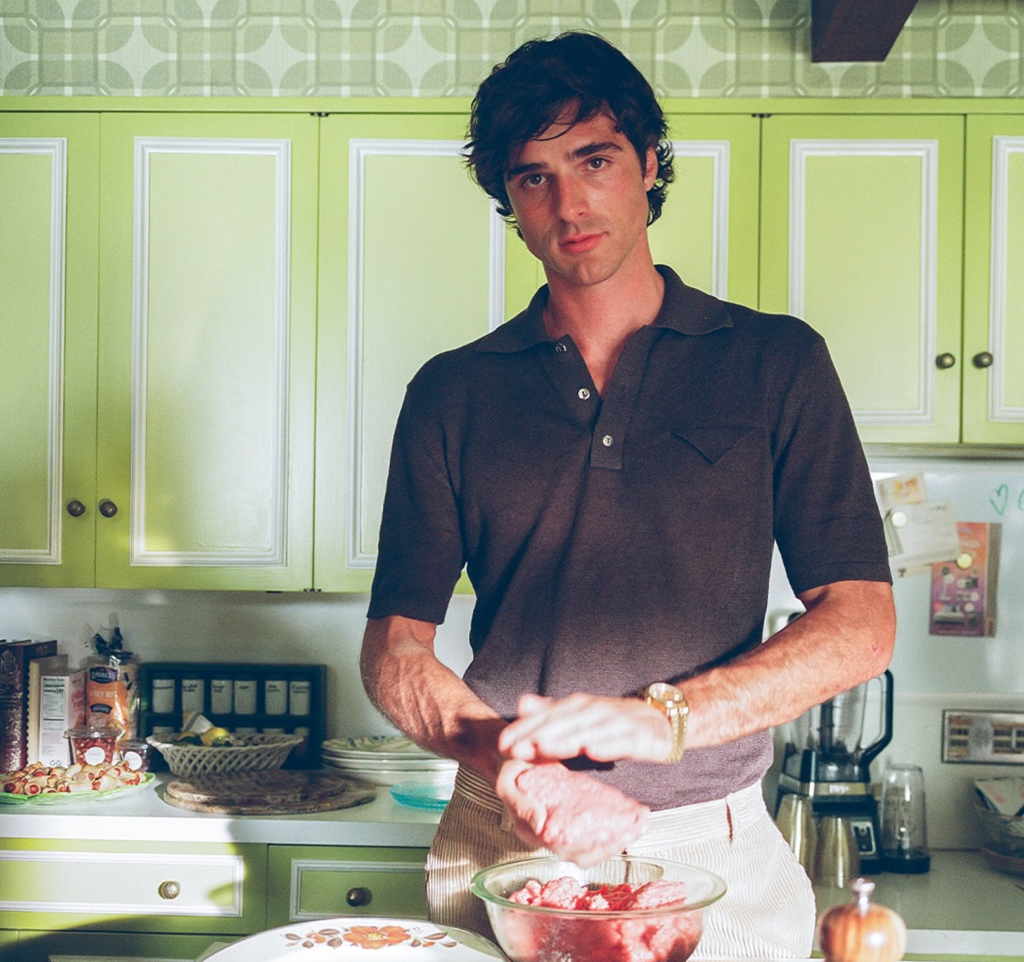
Later, when Natasha Newman-Thomas took over costume direction, the visual language did not break, it evolved alongside the characters. Maddy’s calculated sensuality, Lexie’s apparent simplicity (Maude Apatow), and an increasingly aspirational masculinity in Nate (Jacob Elordi) reflected a more conscious, complex, and defined stage.
In Euphoria, wardrobe does not accompany, it asserts. That is why its influence did not end on screen: it confirmed that fashion can narrate who we are, or who we want to become.
euphoria, it not only created memorable characters; it also launched new figures into pop culture.
From Characters to Cultural References
Euphoria did not just seek acting talent; it gave legitimacy and projection to a new generation. Beyond casting, it turned its ensemble into new cultural references. Its cast grew alongside their characters, and in that process, many of their careers found a before and after.
Some figures were already recognized, such as Zendaya, who left behind the label of child star to embody Rue, a character of uncommon emotional complexity. With her, the series marked a new stage in her career.
The rest of the cast followed a similar trajectory: growing with their characters also meant expanding beyond the screen into fashion, film, and pop culture. Jacob Elordi, through Nate, built a more layered profile. Sydney Sweeney found in Cassie a character that moved from the superficial to deep emotional territory, positioning herself in both film and fashion.
In other cases, the impact was decisive. Alexa Demie turned Maddy into an aesthetic icon; Maude Apatow consolidated her presence; Hunter Schafer found in Jules a platform to highlight identity issues; andAngus Cloud built Fezco into one of the series’ most beloved characters.
More than selecting names, Euphoria built trajectories. Within that same logic, the arrival of figures like Rosalía is not about an easy cameo, but about adding presences capable of inhabiting its universe. It not only created memorable characters; it also launched new figures into pop culture.
Sexuality, Desire, and Feminism
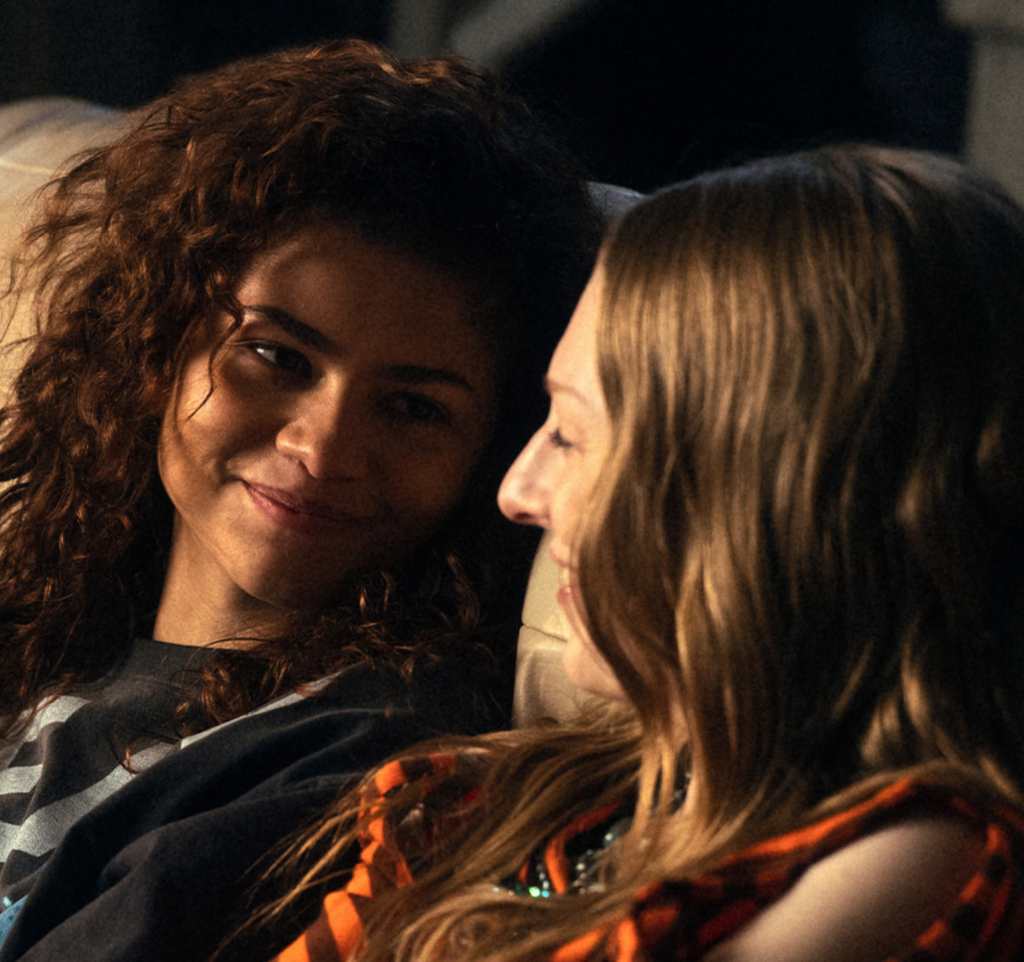
But to speak about Euphoria is not only to speak about aesthetics, trends, Gen Z, and rising trajectories. It is also to address a central narrative in which female sexuality increasingly takes up space, though not always with greater depth.
From its first season, the series turned desire, the body, and identity exploration into essential parts of its universe. In that sense, it opened a rare conversation within mainstream youth television: it portrayed pleasure, vulnerability, contradiction, and relationships through female characters who had rarely been written with such apparent freedom. However, that same proposal has always been accompanied by evident tensions.
At different moments, sexuality seems constructed more for visual impact than for emotional development, reducing several of its protagonists to symbols of desire rather than complex characters.
As it approaches its third and final season, the central question is not whether Euphoria will continue to address sex, but whether it will finally find a more mature way of portraying the women who inhabit it. Perhaps that is one of its final tensions: having spoken about freedom while still looking through old codes.
And that is where the current debate begins: does the series still represent the people who once made it a phenomenon?
EUPHORIA 3: When Chaos Stops Looking Aspirational
In its third and final season, Euphoria faces an inevitable reality. What once could be mistaken for intensity in adolescence is now recognized by other names. Excess no longer looks like freedom; it looks more like exhaustion.
With its characters now settled into young adulthood (following a five-year time jump from season two), the series suggests that some wounds do not disappear with time. Addiction remains. Broken relationships remain. Emotional voids that were once masked by aesthetics and noise remain.
There is also a generational reading within that shift. Euphoria leaves behind the fantasy of cool chaos to portray something closer to the present: a generation forced to keep functioning while carrying everything it never resolved.
And that is where the current debate begins: does the series still represent the people who once made it a phenomenon? If the answer is no longer clear, it may be because another possibility now exists; that it survives more as a stylized fiction of its era than as a generational mirror.
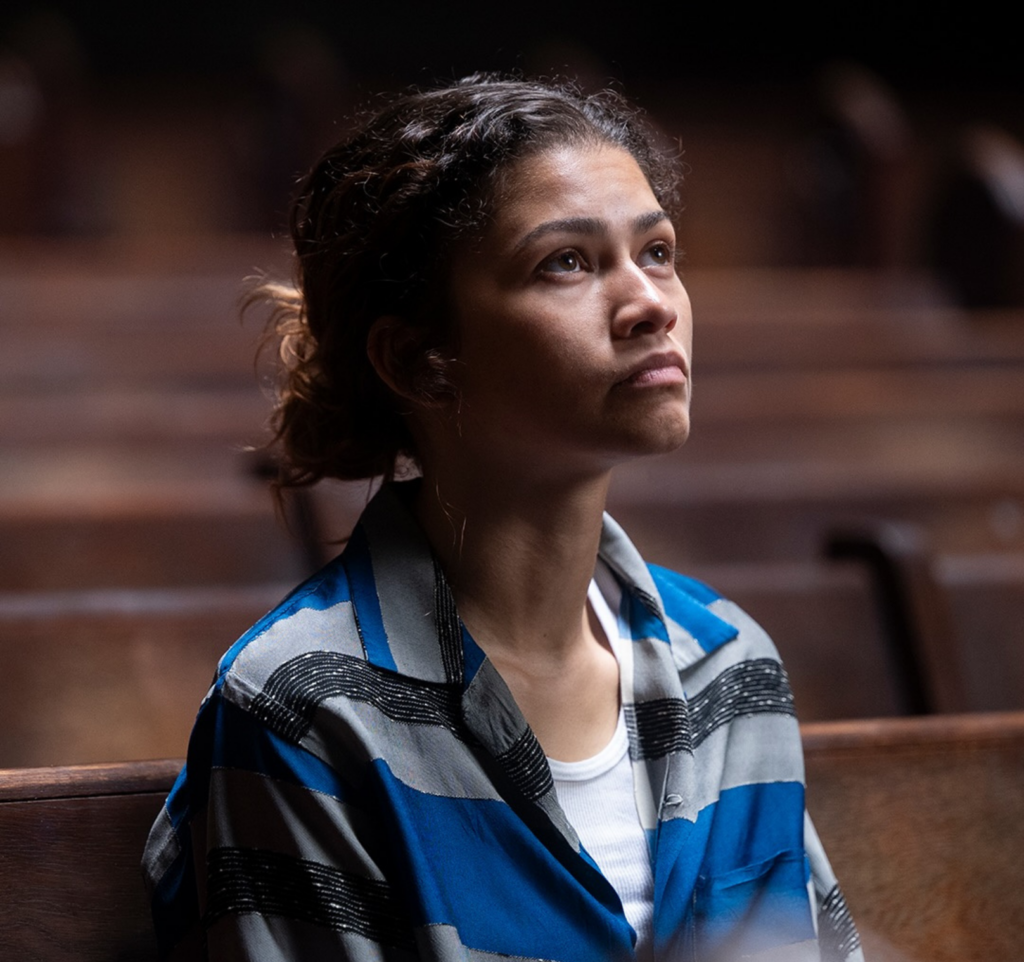
The Phenomenon Under Critique
Every return of Euphoria has also been a digital event. Fan theories, viral clips, character debates, and aesthetic readings turn each premiere into a conversation that extends far beyond the screen. Season three does not seem to be the exception, though it arrives with a different energy: less discovery, more criticism.
If the series stunned audiences with its aesthetic in 2019, and dominated social media in 2022 as a generational symbol, the conversation in 2026 is far more demanding. Viewers no longer want only memorable looks or shocking scenes; they also expect depth, evolution, and a narrative worthy of the phenomenon the series itself helped create. They want the ending fans have been waiting seven years for.
Yet the early reaction to this new chapter is no longer driven by hype. Among fans and critics, a more uncomfortable reading is growing: that Euphoria returns visually intact, but narratively less evolved, especially in the way it looks at women, once again leaning into hypersexualization, shock value, and conflicts that prioritize impact over emotional complexity.
And there lies one of the hardest tests for any cultural phenomenon: returning is not always enough. Sometimes, you also have to prove that you still have something new to say, especially after years of promising evolution. Because on the internet, nostalgia attracts people once; staying power always demands more.
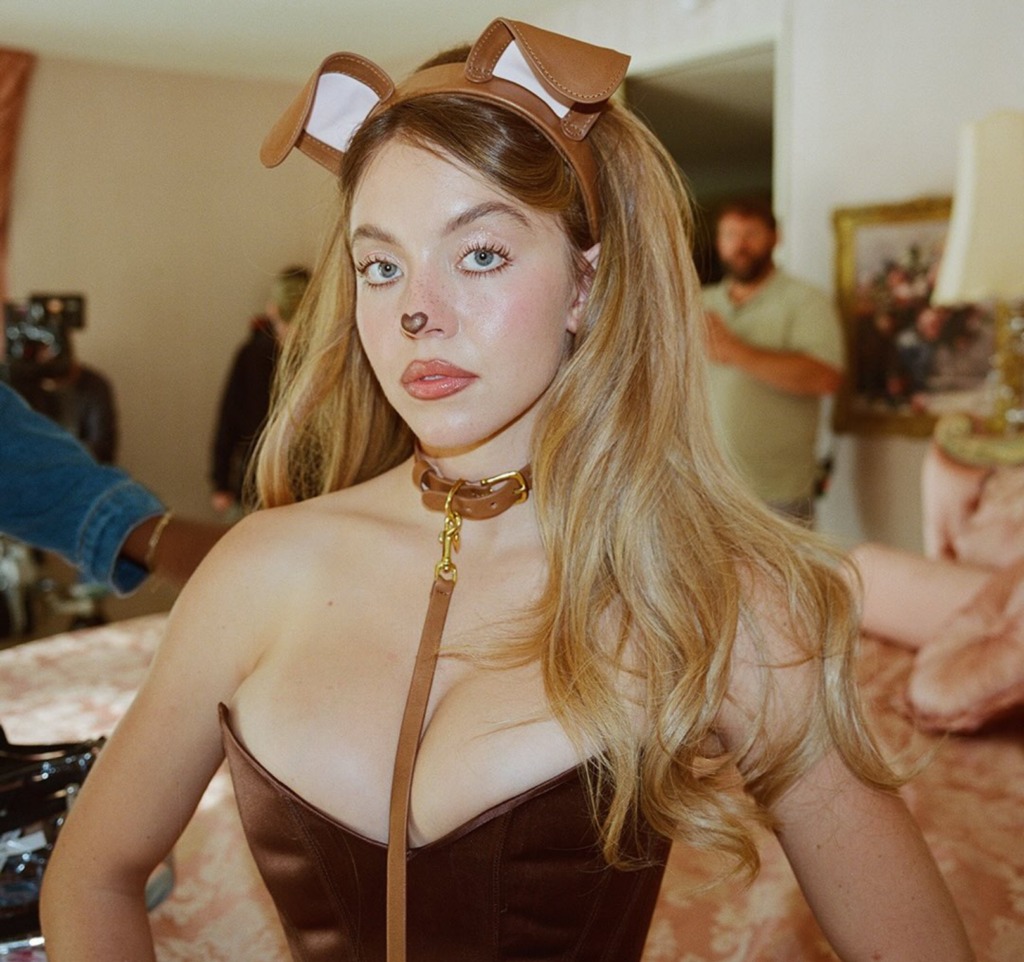
Editorial Closing
It is true: Euphoria was not the first series to portray aesthetics as narrative or sexuality as the core of its story. Its main differentiator has always been elsewhere: in turning tension into visual language, cultural conversation, and generational identity.
In 2026, as it leaves the screen, it does not entirely disappear. It remains in an aesthetic that is still recognizable, in the actors it redefined, and in the questions it never fully resolved. Because some series end when the curtain falls; others continue every time a generation tries to understand itself.