There is a version of makeup that most of us learned in our teens or early twenties and have been applying, in some variation, ever since. The same placement of concealer. The same approach to foundation. The same instinct about where the blush goes. We change the products, follow the trends, swap the shades with the seasons. But the underlying technique often stays surprisingly fixed.
The problem is that the face does not stay fixed. It changes decade by decade in ways that are gradual enough to miss in the daily mirror but significant enough to mean that a technique developed at twenty-two is working against the face at forty-five rather than with it. The same foundation that gave beautiful results at thirty can settle into fine lines at fifty in a way that reads as unlifted rather than polished.
Makeup, at its best, is a conversation with the face you have right now. That conversation changes. And the women who understand how it changes are the ones whose makeup always looks exactly right, at every age.
Author: Elizabeth Ulloa
Your 20s: Learn the Face Before You Edit It
The face in the twenties is still becoming itself. The skin is cooperative, oil production is active, and the canvas responds well to most formulas. This is the decade to experiment freely and to start building a genuine understanding of the face rather than simply following trends.
The most valuable investment in the twenties is not a product. It is observation. Learning where the face naturally holds light, where the shadows fall, how the eye shape responds to different liner placements. This intimate knowledge of your own face is what will make everything easier in every decade that follows.
Lean into lightweight formulas. Skin tints, tinted moisturizers, and buildable coverage allow the skin’s natural vitality to come through. Heavy coverage in this decade tends to cover the very quality of youth that requires no covering. Blush applied above the apple of the cheek and swept upward should look like something the skin is doing rather than something being done to it.
Your 30s: Refine and Invest
The thirties bring a subtle but real shift. The skin may be slightly drier, fine lines may be beginning to appear in areas of expression, and the natural luminosity that required little effort in the previous decade may need a small amount of help.
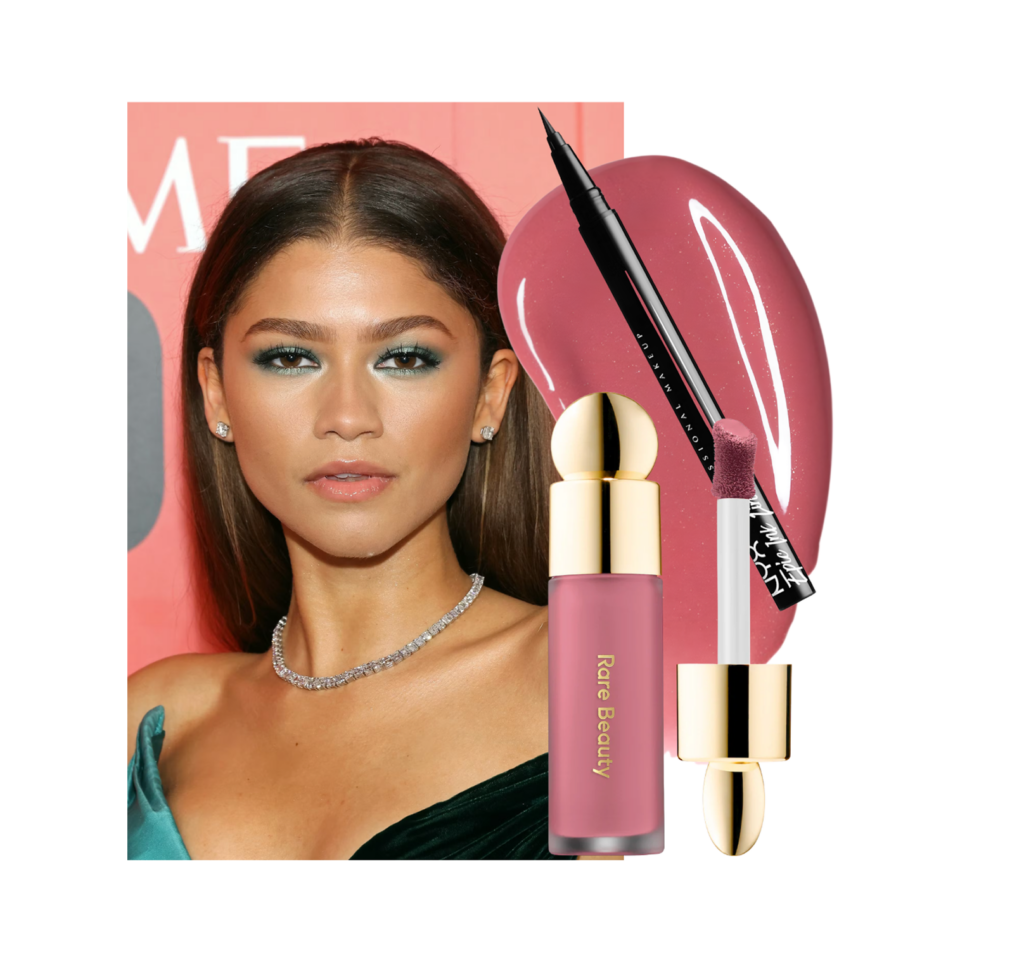
This is the decade to reassess the foundation relationship. The thirties call for dewy, skin-like finishes over anything matte or flat, unless the skin leans oily, in which case a mattifying foundation will serve the face better and keep the base from breaking down throughout the day. Skincare-infused foundations with hyaluronic acid begin to make a meaningful difference in how the base wears throughout the day.
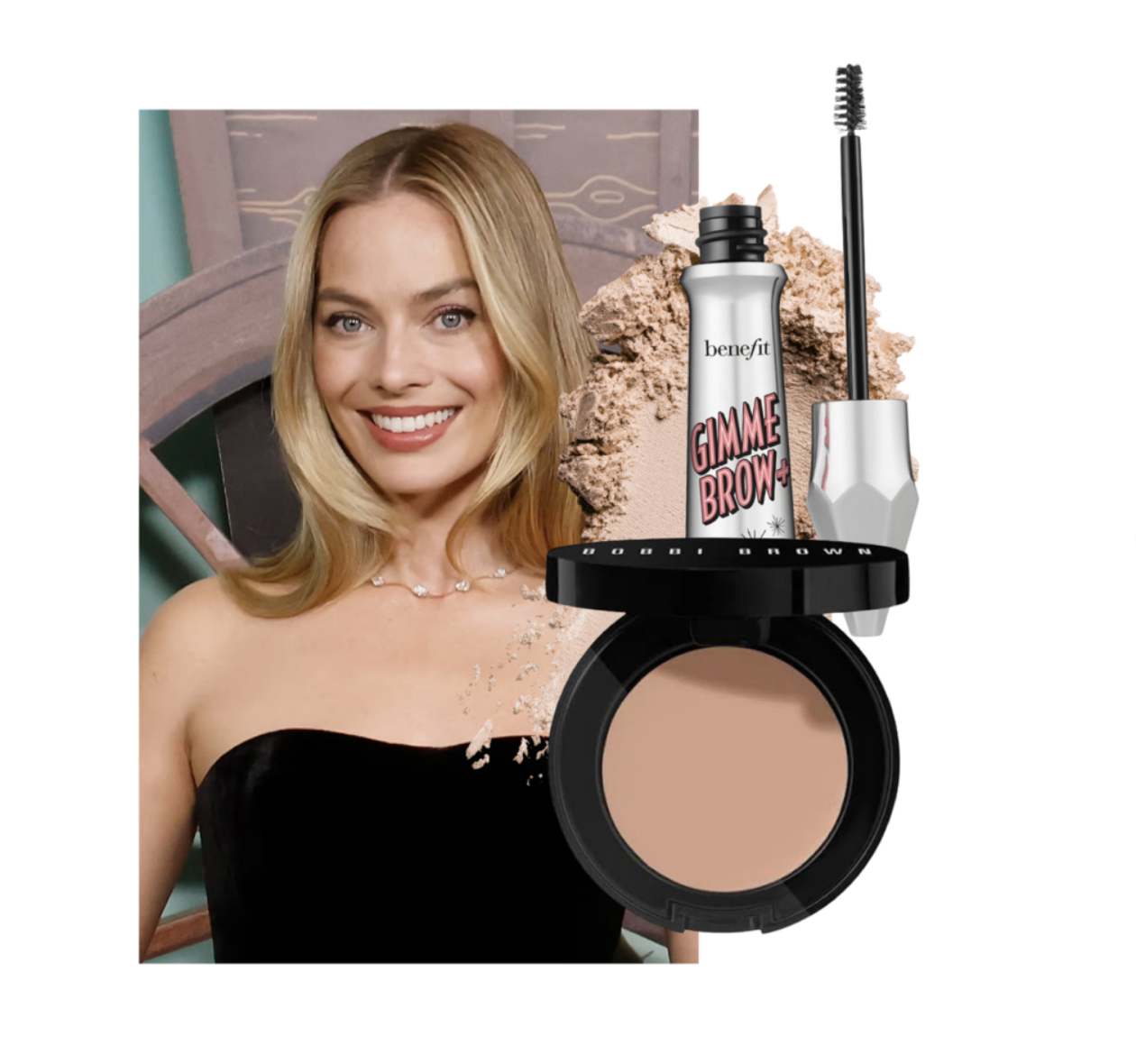
Concealer technique matters more now. Applying concealer heavily and setting it with powder is one of the quickest ways to flatten and settle the face in this decade and beyond. A small amount of peach corrector to neutralize darkness, followed by a thin layer of matched concealer applied with a light tapping motion, keeps the under-eye area looking fresh. Brows deserve more attention in the thirties than they typically receive. A fuller, more defined brow does more than frame the eye. It lifts the entire face and becomes one of the simplest things you can do as the face begins to shift.
“A technique developed at twenty-two is working against the face at forty-five rather than with it.”
Your 40s: Work With What the Face Is Doing
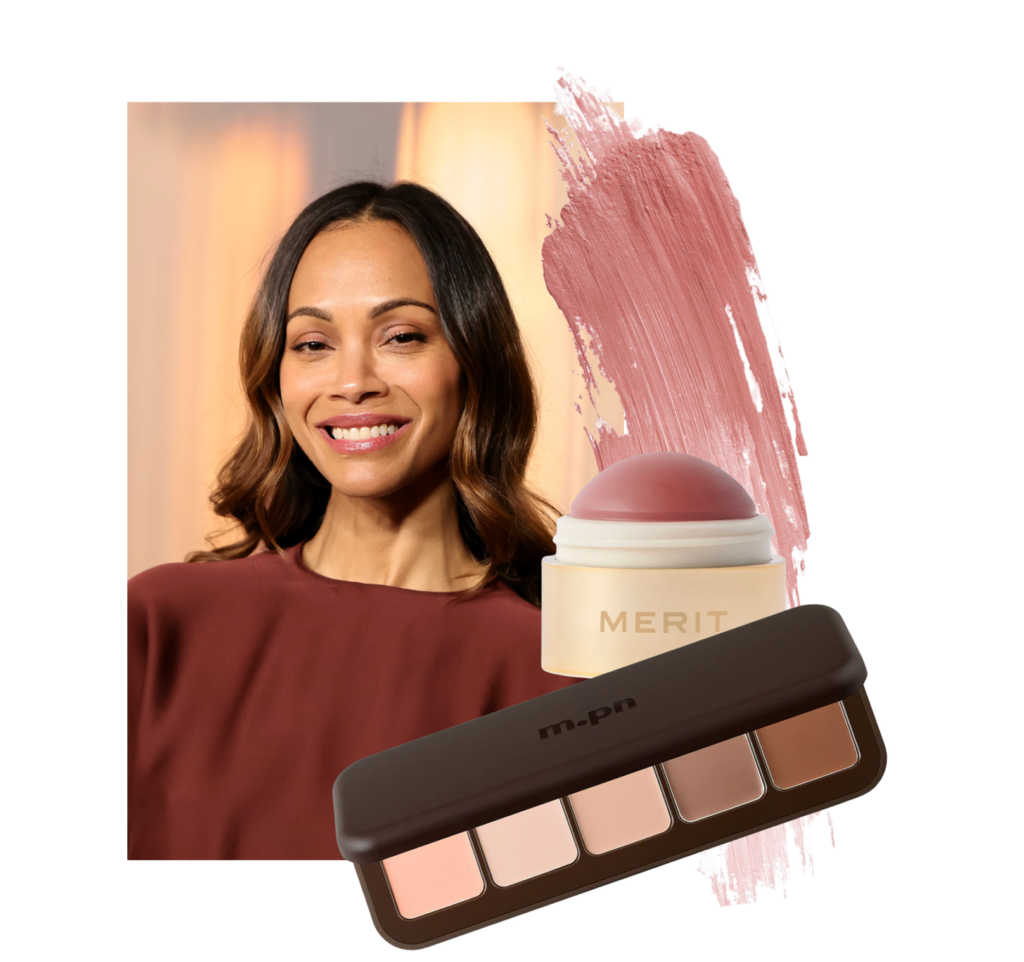
The forties bring the most significant shift in the relationship between makeup and the face. Collagen loss means less internal structure. The technique shift that matters most is the move away from anything that sinks into skin. Heavy powder, thick matte foundation, heavily set concealer collect in fine lines and emphasize texture rather than minimize it.
The forties call for cream and liquid formulas across the board, applied with fingers or damp sponges, set sparingly only in the areas that genuinely need it. Foundation applied selectively where it is needed rather than across the entire face creates a natural finish and prevents the mask-like quality that full coverage can take on in this decade. A soft underpainting contour technique, applied beneath the foundation rather than on top of it, can gently restore the structure the face is producing less of on its own, giving the cheekbones and jaw a subtle definition that reads as natural rather than drawn on.
Blush placement shifts meaningfully here. The apple of the cheek placement that works in the twenties and thirties begins to pull the face downward as the cheeks change. A higher placement swept along the cheekbone toward the temple lifts the face visually. On the eye, softening or eliminating lower liner and focusing definition on the upper lash line only opens the eye in a way that feels current rather than dated.
Your 50s: Simplify and Illuminate
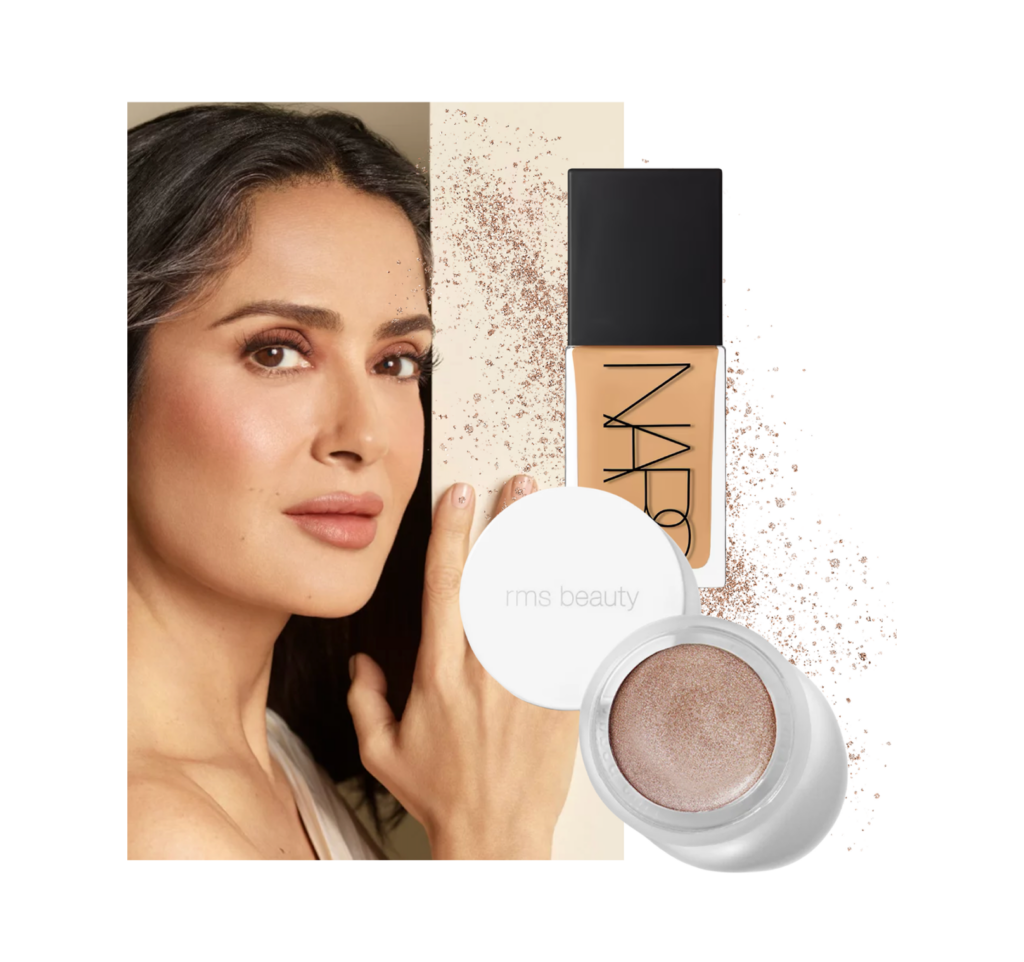
The fifties bring changes in the skin that affect how makeup behaves on the face. Dryness increases, texture changes, and the face has a different relationship with light. The approach that serves this stage works with the skin’s new reality rather than attempting to replicate what the face looked like ten years earlier.
A hydrating, luminosity-boosting primer applied before foundation creates a surface that formulas adhere to smoothly and fills in texture without settling into it. Foundation selection matters enormously. Matte and heavy coverage formulas should generally be set aside. Skin tints, luminous serums, or foundations formulated for mature skin with light-reflecting and hydrating properties move with the skin rather than sitting on top of it. Less is genuinely more.
Eye shadow technique simplifies in this decade. A single wash of a warm, light-reflecting shade across the lid with a slightly deeper shade in the crease for definition keeps the eye open and finished without the complexity that can overwhelm the face. Lip liner becomes essential, not to change the shape but to give color a clean edge and prevent migration. Applied before the lipstick and blended slightly inward, it extends wear and keeps the lip looking sharp throughout the day.
“The women who look most beautifully made up at every age are not the ones with the most products or the most elaborate routines. They are the ones who have learned to listen to their own face.”
Your 60s and Beyond: Presence Over Perfection
The face in the sixties and beyond has arrived at something the decades before it were still working toward: genuine character. The lines, the contours, the particular way the light reads across the face are not things to be corrected. They are the record of a life, and the most beautiful makeup at this stage honors them rather than fights them.
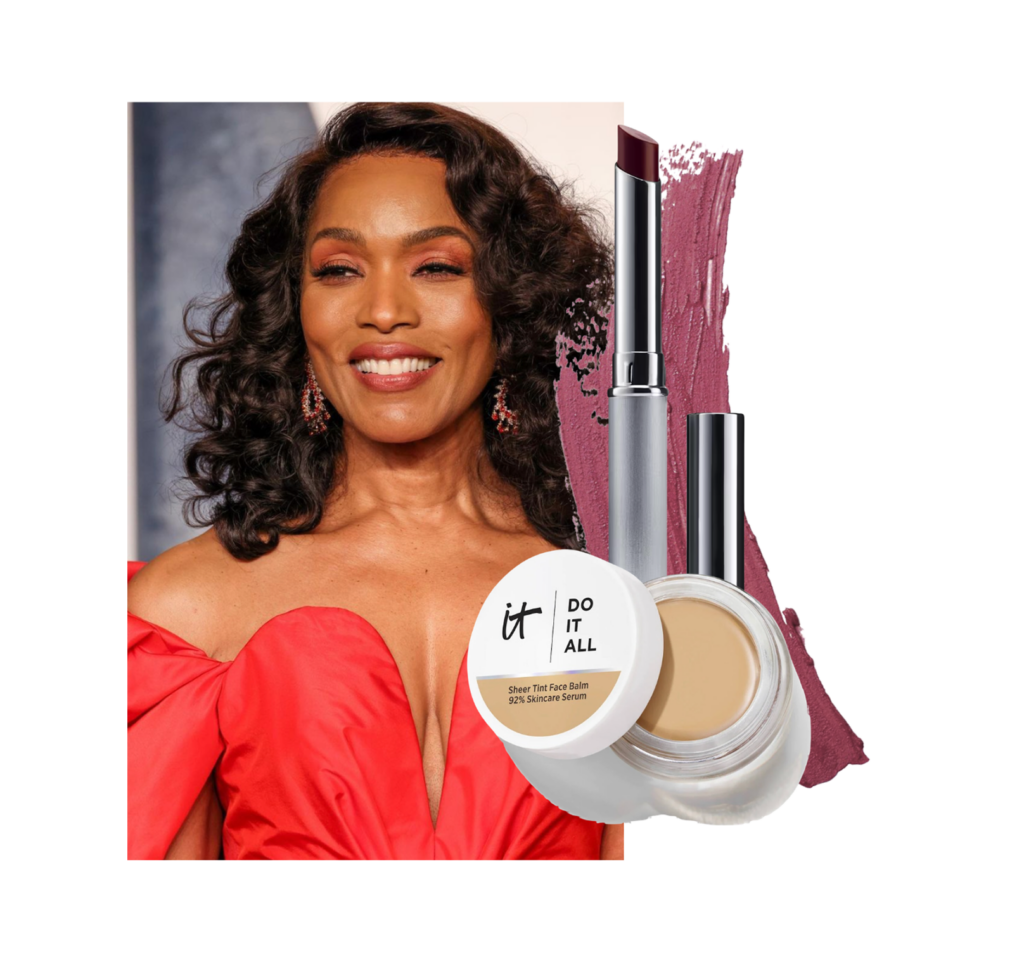
The central principle is luminosity. A moisturizing base, a sheer foundation or tinted balm, a cream blush applied high on the cheekbone, a highlighter placed with a light hand at the top of the cheekbone and inner corner of the eye. These small investments in light create a radiance that reads as vitality rather than simply as makeup. Less powder is almost always better. Even finely milled powder can settle into skin and create a flatness that ages the face more than the lines themselves.
Mascara becomes even more essential at this stage. A single coat on the upper lashes opens the eye and lifts the entire face with minimum effort. The lip benefits from color rather than elaboration. A clean, well-chosen lipstick in a warm nude, soft berry, or classic rose, applied over a matching liner and blotted once, gives the face its point of arrival. The lip in the sixties does not need to be loud. It needs to be there.
The Makeup That Grows With You
The face at twenty wants freedom. The face at thirty wants refinement. The face at forty wants honesty. The face at fifty wants illumination. The face at sixty and beyond wants presence. None of these faces need to be covered or corrected. They need to be understood, worked with, and met exactly where they are.
The women who look most beautifully made up at every age are not the ones with the most products or the most elaborate routines. They are the ones who have learned to listen to their own face and respond to what it is telling them. That fluency takes time to develop. But once it is there, it never leaves.