It’s no secret: for years, haute couture existed as an exclusive territory of the runway. Impossibly disruptive silhouettes, intricately complex embroidery, hours (and hours) of manual labor. A form of craftsmanship created more for the archive than for use. Couture was spectacle, fantasy… exceptionality.
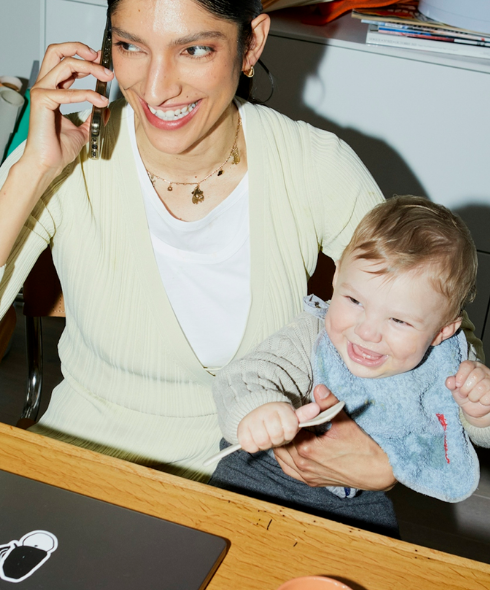
But today, the dialogue is shifting. High fashion and everyday life are beginning to speak the same language, and the techniques that once belonged to private salons and historic ateliers are gradually filtering into everyday wardrobes with unexpected ease.
Jackets with precise internal architecture, embroidery applied to denim or lace, artisanal finishes in pieces designed for daily wear make one thing clear: haute couture is no longer reserved for a single season. It now integrates, without asking permission, into the rhythm of everyday life.
Author: aNDREA BAU
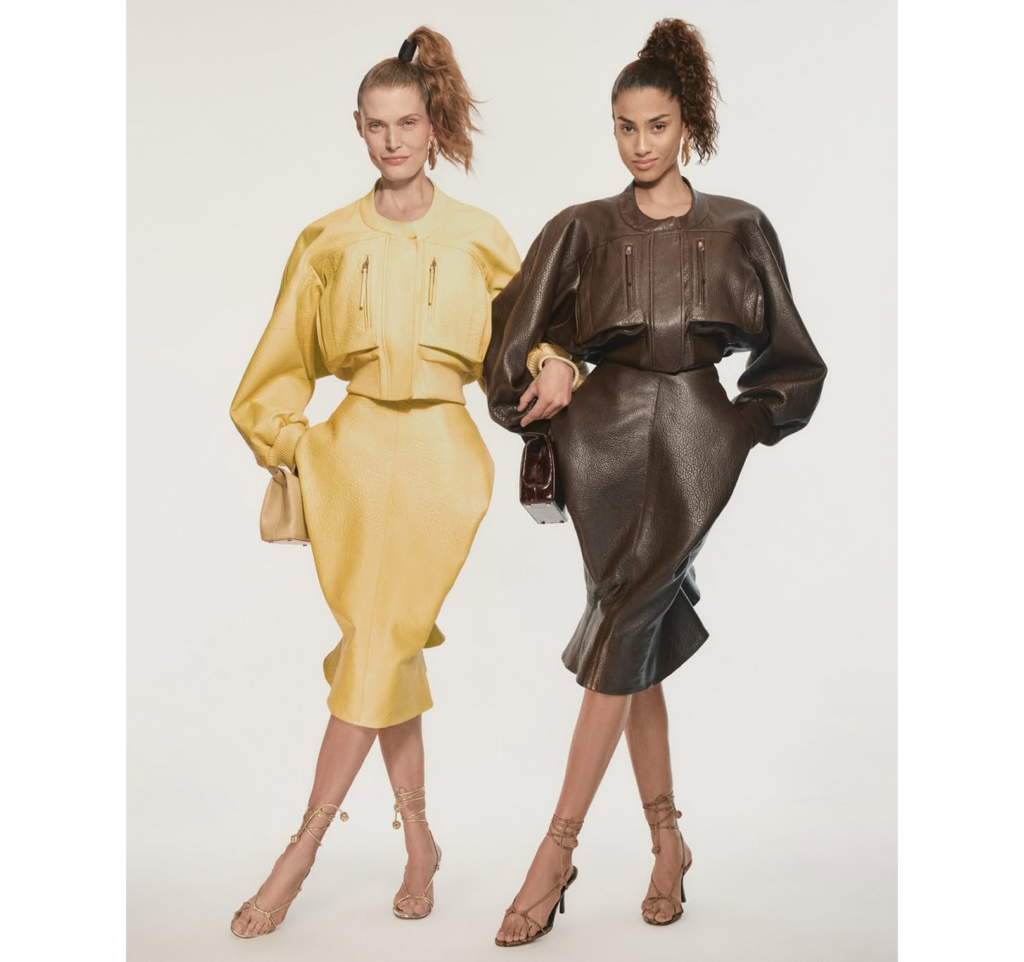
Construction as Declaration
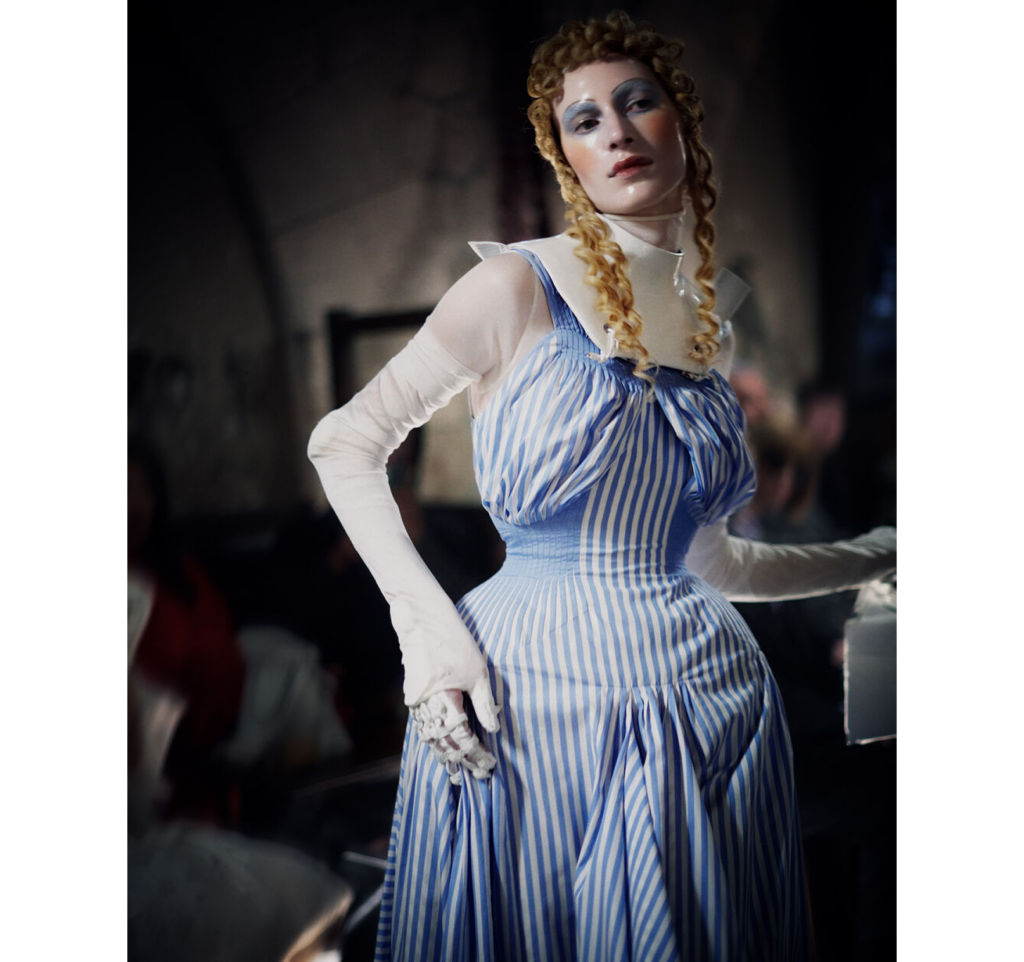
Before embroidery and spectacle, the language of haute couture begins with construction. The internal architecture that supports a silhouette shapes the body and distinguishes ready-to-wear from couture logic. For Maison Margiela, for instance, structure is not a hidden device: it is the message. Its Artisanal collections have turned deconstruction, visible corsetry, and disruption into a way of questioning how a garment is, quite literally, assembled.
Yet this structural awareness no longer lives exclusively on the couture runway. Defined silhouettes and sharp shoulders are increasingly present in contemporary proposals. Jacquemus, for example, revives volumes inspired by 1950s haute couture and translates them into wearable pieces, as seen in its collection Le Palmier.
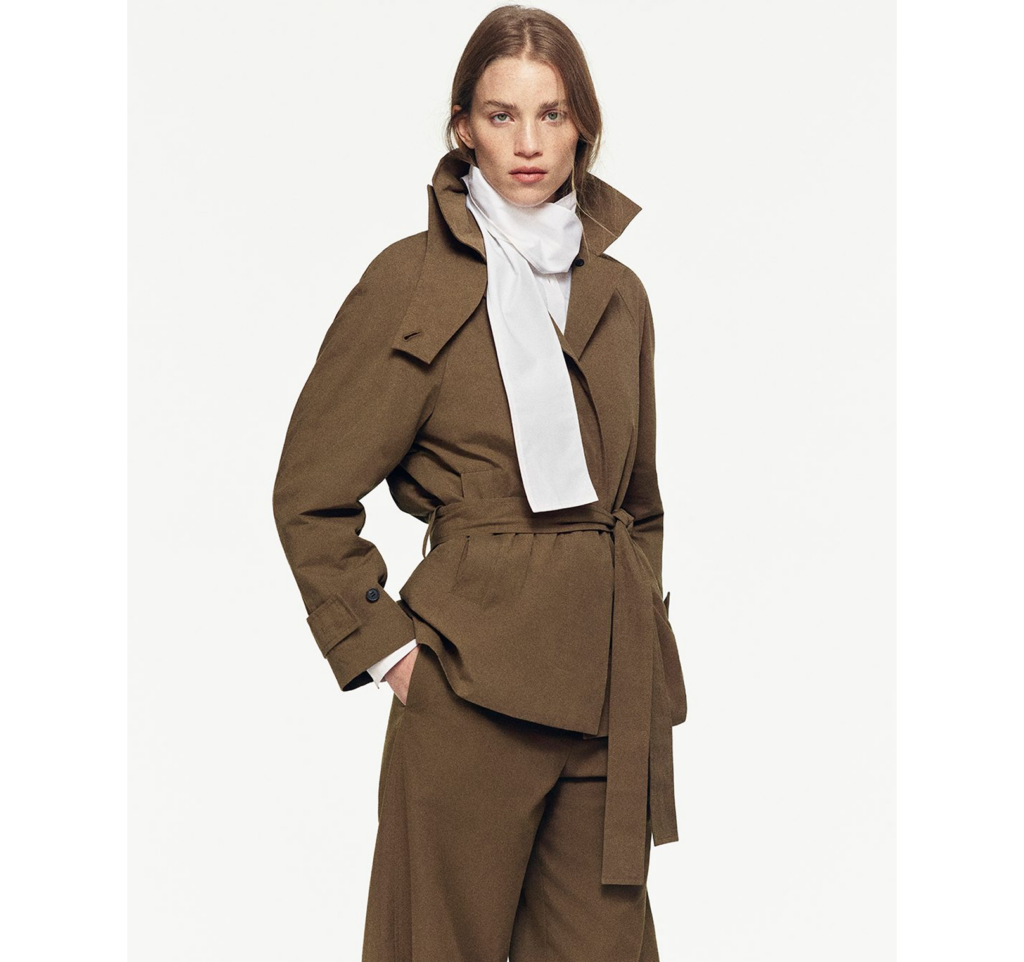
Today, structure ceases to be a dramatic gesture and becomes a daily tool: dressing is also a decision about the shape we choose to project.
“Today, structure ceases to be a dramatic gesture and becomes a daily tool: dressing is also a decision about the shape we choose to project.”
Craft as Code
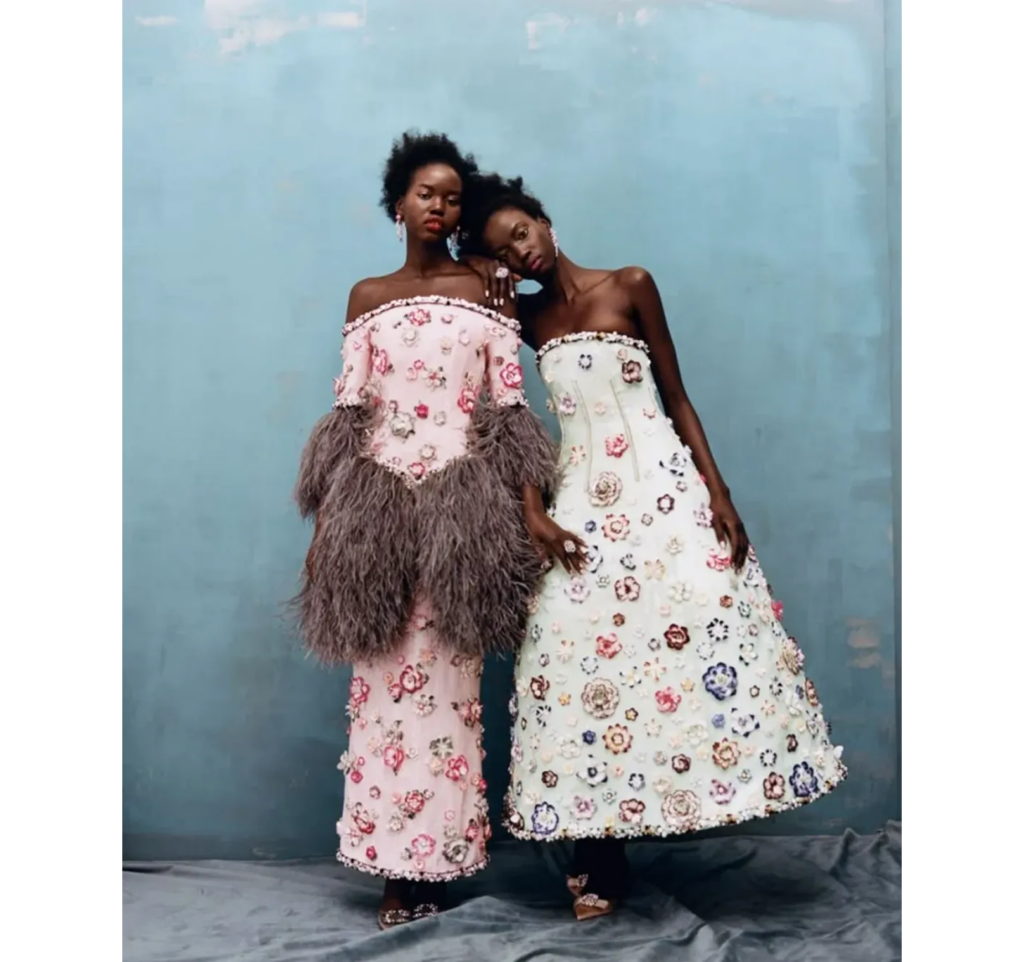
If structure is the architecture of couture’s language, then embroidery is its narrative. For decades, fashion houses understood artisanal work as a process in which time was essential to the outcome. Hours invested in a single garment meant more than fabric applications; they were a testament to the craftsmanship behind a work of art. In ateliers such as those of Chanel and Dior, embroidery does not function as decoration: it is identity.
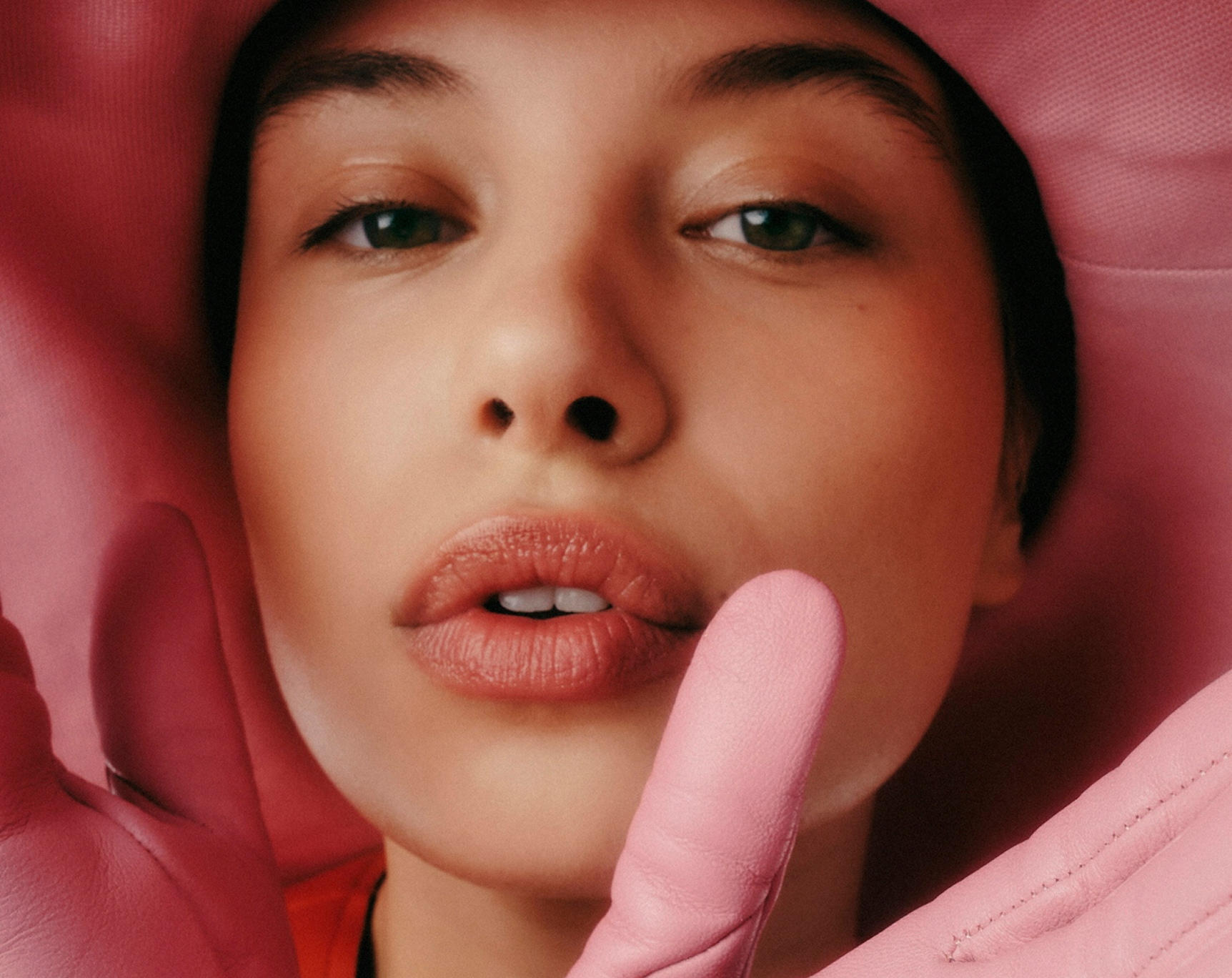
Today, we see appliqué on denim, lace reinterpreted in relaxed silhouettes, and everyday pieces elevated by a manual gesture. Even more commercial brands such as Zara or Massimo Dutti are beginning to incorporate simplified versions of these techniques.
Embroidery is no longer synonymous with excess; it is a way of translating atelier language into the everyday closet.
Where Luxury Is Felt
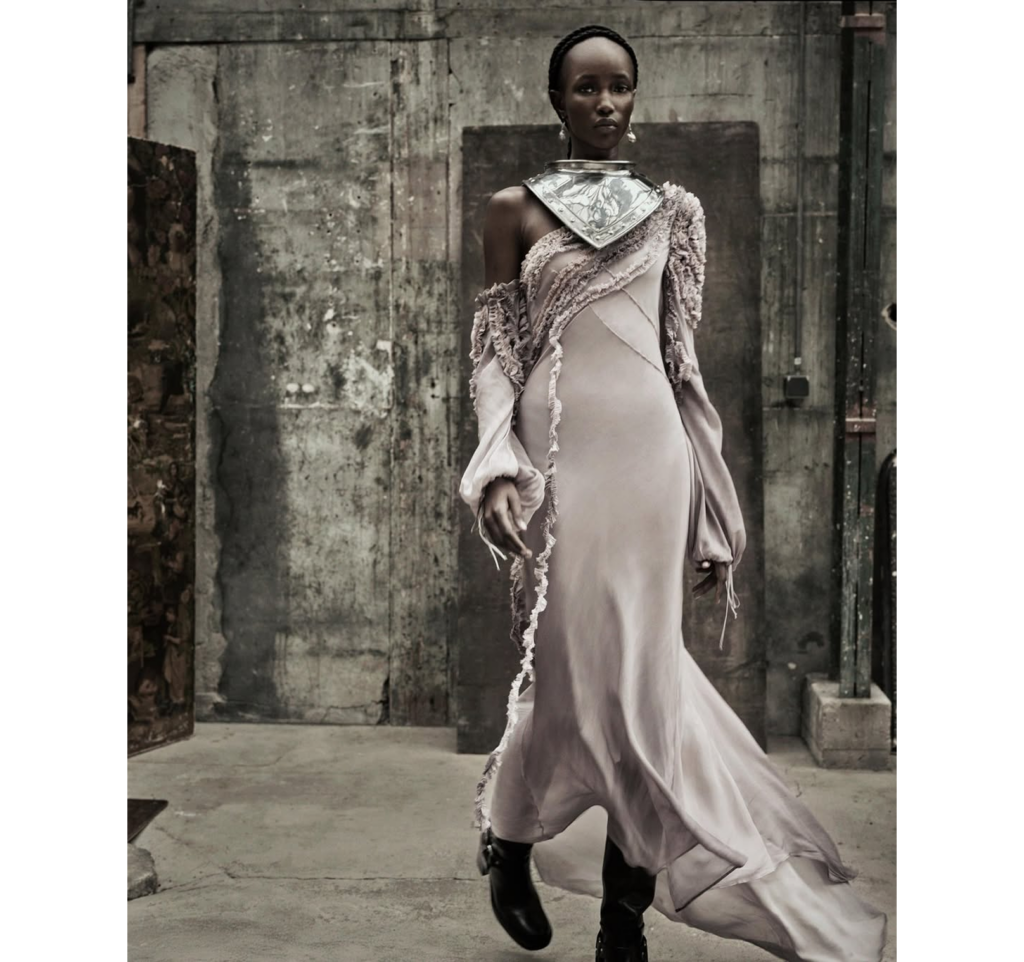
Beyond silhouette and embroidery, the language of haute couture has always understood that everything is defined in the finish. Invisible seams, perfectly integrated linings, hand-finished hems. Elements that may not be immediately visible, yet transform a garment entirely and distinguish it through absolute quality.
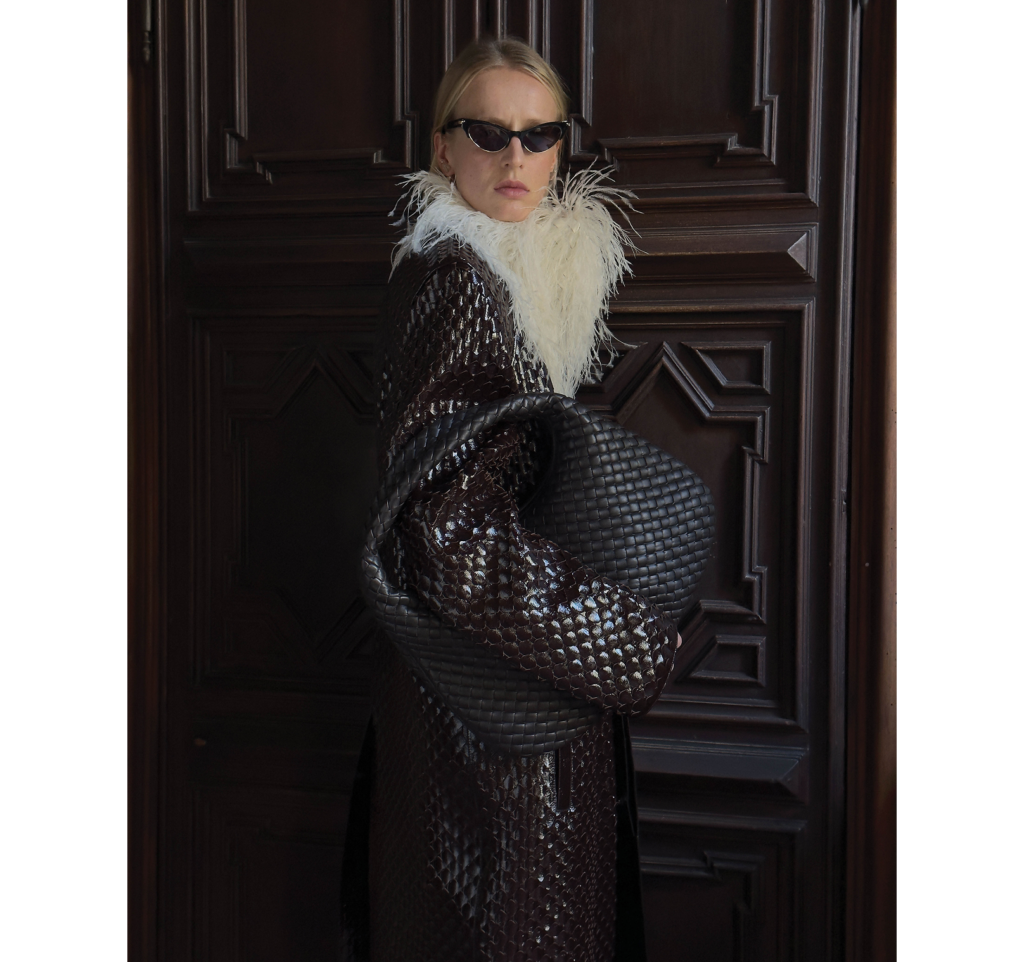
That philosophy now forms part of contemporary fashion as well. Brands such as The Row have built their identity around precision and flawless drape. Bottega Veneta has carried craft into a modern language where finish becomes central without relying on logos. More accessible proposals like COS demonstrate that carefully selected textiles and thoughtful construction can belong to everyday routine.
Thus, luxury ceases to be spectacle and becomes experience: it is not only seen, it is felt.
“Haute couture has shifted from aspirational distance to a way of inhabiting everyday life with intention.”
Epilogue
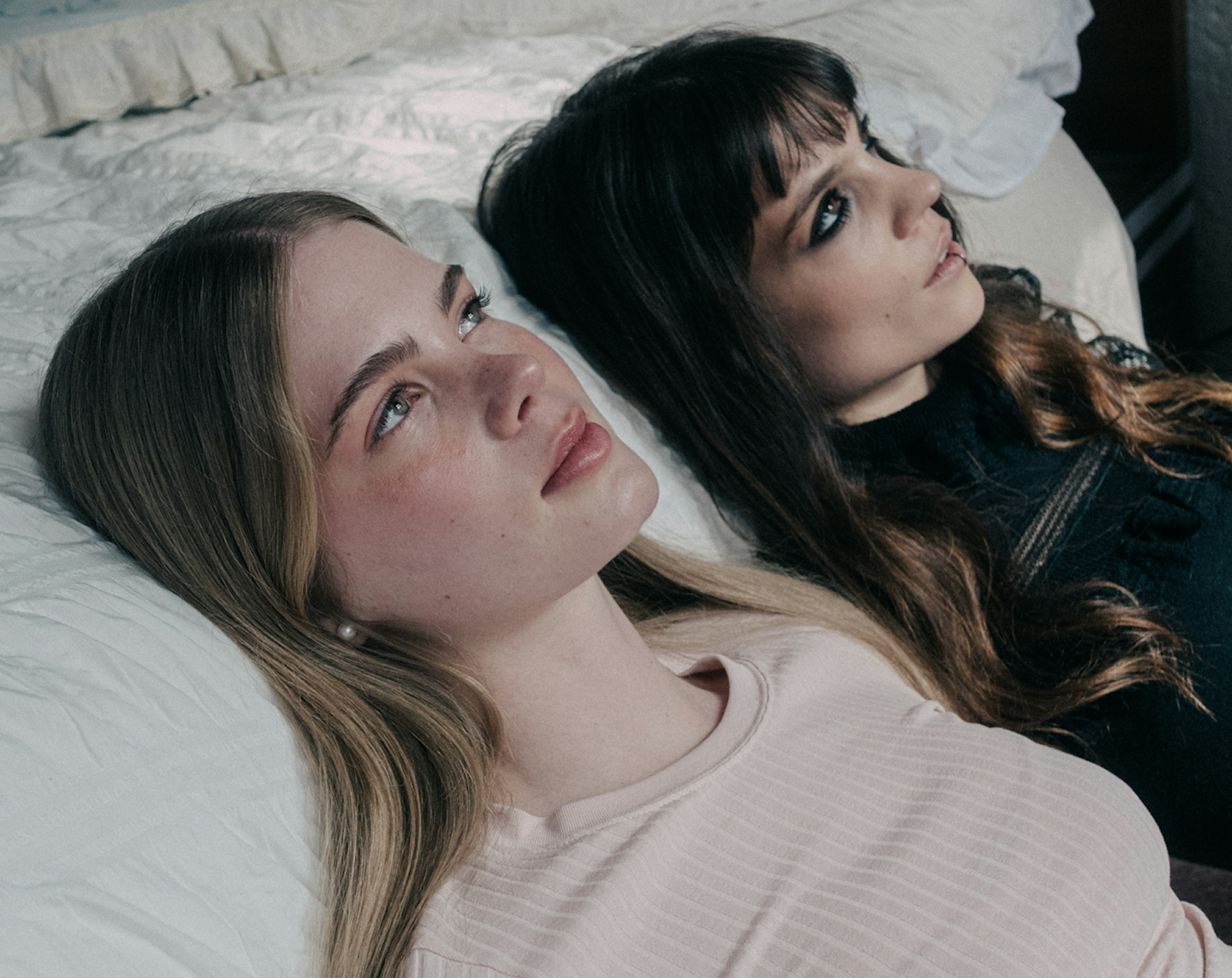
It’s official: high fashion no longer lives exclusively under runway lights. Today, it converses with routine, with conscious choice. With the decision to invest in technique, in detail, in construction. Haute couture has shifted from aspirational distance to a way of inhabiting everyday life with intention.
A reminder that luxury can also be lived on an ordinary Tuesday.
In denim.
In what appears simple.