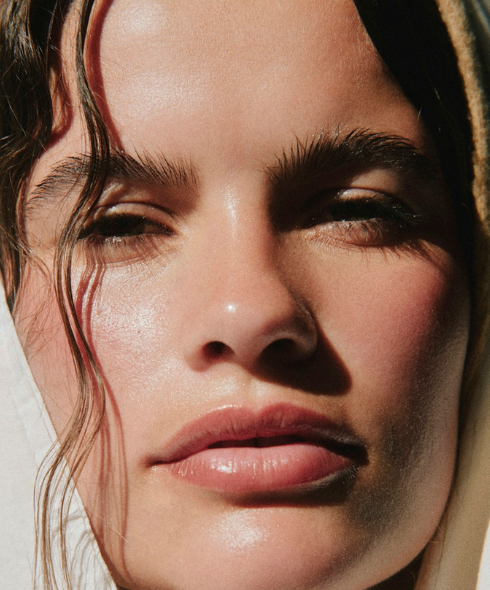
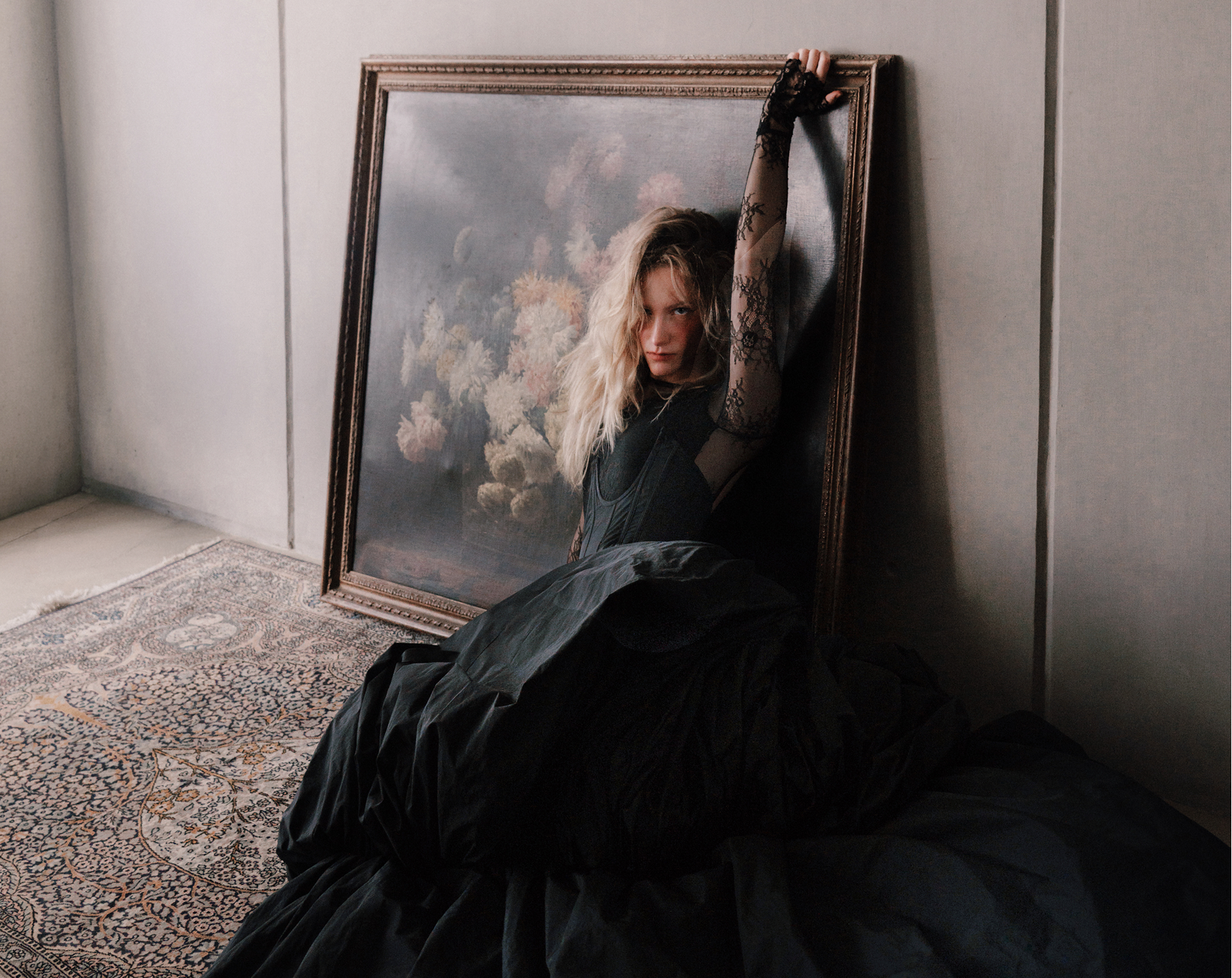
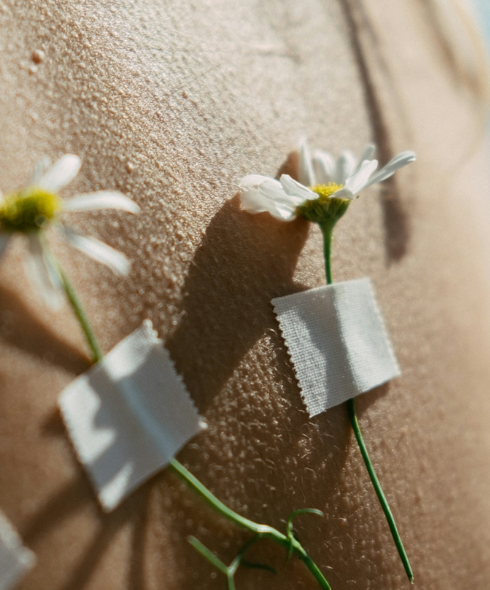
Beauty has never been only about how we look.
It shapes how we speak to ourselves, how much space we allow ourselves to occupy, and how safe we feel inside our own bodies.
For a long time, beauty books followed the same rhythm. Fix this. Improve that. Become closer to an ideal. I believed in that language too, because most of us were taught to. It felt normal. Expected. Almost invisible in how deeply it shaped us.
But eventually, I felt tired of it. Not bored. Tired.
I began looking for something quieter. Something more honest. Books that didn’t ask me to correct myself, but to understand myself.
These are not books about looking better. They are books about awareness. About perception. About learning how to relate to the body without constant judgment or negotiation.
This is a reading list I return to often. Some of these books feel deeply personal. Others are analytical or cultural. What they share is a refusal to treat beauty as something we owe the world. Instead, they bring it back to where it belongs, as a relationship we have with ourselves.
Author: Elizabeth Ulloa
Reclaiming the Body as Authority
INTACT BY CLARE CHAMBERS
This book made me pause. Intact is quiet and deeply honest. Clare Chambers writes about bodily autonomy, consent, and the expectations women absorb about what it means to be whole or acceptable. What stayed with me is how gently it unfolds. It doesn’t try to persuade. It simply observes.
While reading, questions surfaced that I had never fully allowed myself to ask. Whose standards am I living inside? Where did my idea of wholeness begin? What changes when we trust the body instead of managing it?
It felt less like learning something new and more like remembering something I already knew.
The Psychological Cost of Beauty Culture
BEAUTY SICK BY RENEE ENGELN
This book gives language to an experience many women feel but rarely name. Renee Engeln introduces the idea of beauty sickness, the mental energy spent monitoring appearance and how quietly it drains creativity, confidence, and presence. What I appreciate most is that there is no blame here. The book doesn’t ask women to stop caring about beauty. It simply reveals how constant self-surveillance becomes labor.
Once you see it, something shifts. Awareness creates space. And space allows choice.
Beauty as Care, Not Control
THE BOOK OF LYMPH BY LISA LEVITT GAINSLEY
We rarely talk about the body beneath the surface. This book changed the way I think about beauty physically. The lymphatic system influences immunity, inflammation, and vitality, yet it’s almost absent from beauty conversations. Lisa Levitt Gainsley reframes beauty around circulation, rhythm, and nervous system regulation rather than correction.
The body is approached with care, not pressure. If beauty has ever felt like something you have to control, this book offers another way of relating to it.

Foundational Texts That Still Matter
THE BEAUTY MYTH BY NAOMI WOLF
Even decades later, this book still feels relevant. Naomi Wolf explores how beauty standards shape confidence, ambition, and permission. The platforms may have changed, but the pressure feels familiar. Reading it now helps separate what is truly personal from what was learned.
That realization can be freeing. Many struggles we carry are not individual failures, but inherited stories.
Understanding the Body With Compassion
BODIES BY SUSIE ORBACH
This book approaches the body with psychological depth and gentleness. Instead of telling us how to love our bodies, Susie Orbach explores why that relationship can feel complicated in the first place. Memory, emotion, culture, and expectation all live in the body. There is no fixing here. Only understanding.
And sometimes understanding is the most generous form of care we can offer ourselves.
Challenging the Morality of Appearance
WHAT WE DON’T TALK ABOUT WHEN WE TALK ABOUT FAT BY AUBREY GORDON
This book is direct, confronting, and deeply human. Aubrey Gordon examines how weight stigma shapes healthcare, opportunity, and self-trust, and how morality becomes attached to bodies. What makes it important is its honesty. It asks us to question the narratives we have been taught about worth.
Any real conversation about beauty and self-awareness needs this perspective.

Expanding the Conversation Beyond Appearance
YOU ARE YOUR BEST THING
EDITED BY TARANA BURKE AND BRENÉ BROWN
This anthology is not explicitly about beauty, and that is precisely why it belongs here.
Through conversations around vulnerability, shame, and dignity, it reminds us that worth is not earned through perfection or visibility. For anyone rebuilding their relationship with beauty, it offers emotional grounding. It brings the conversation back to being human.
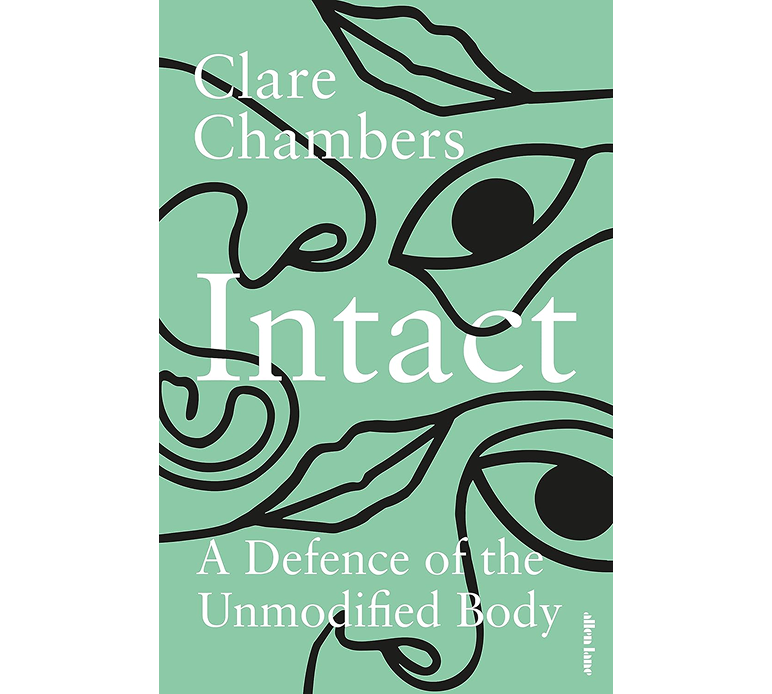
1. Intact by Clare Chambers
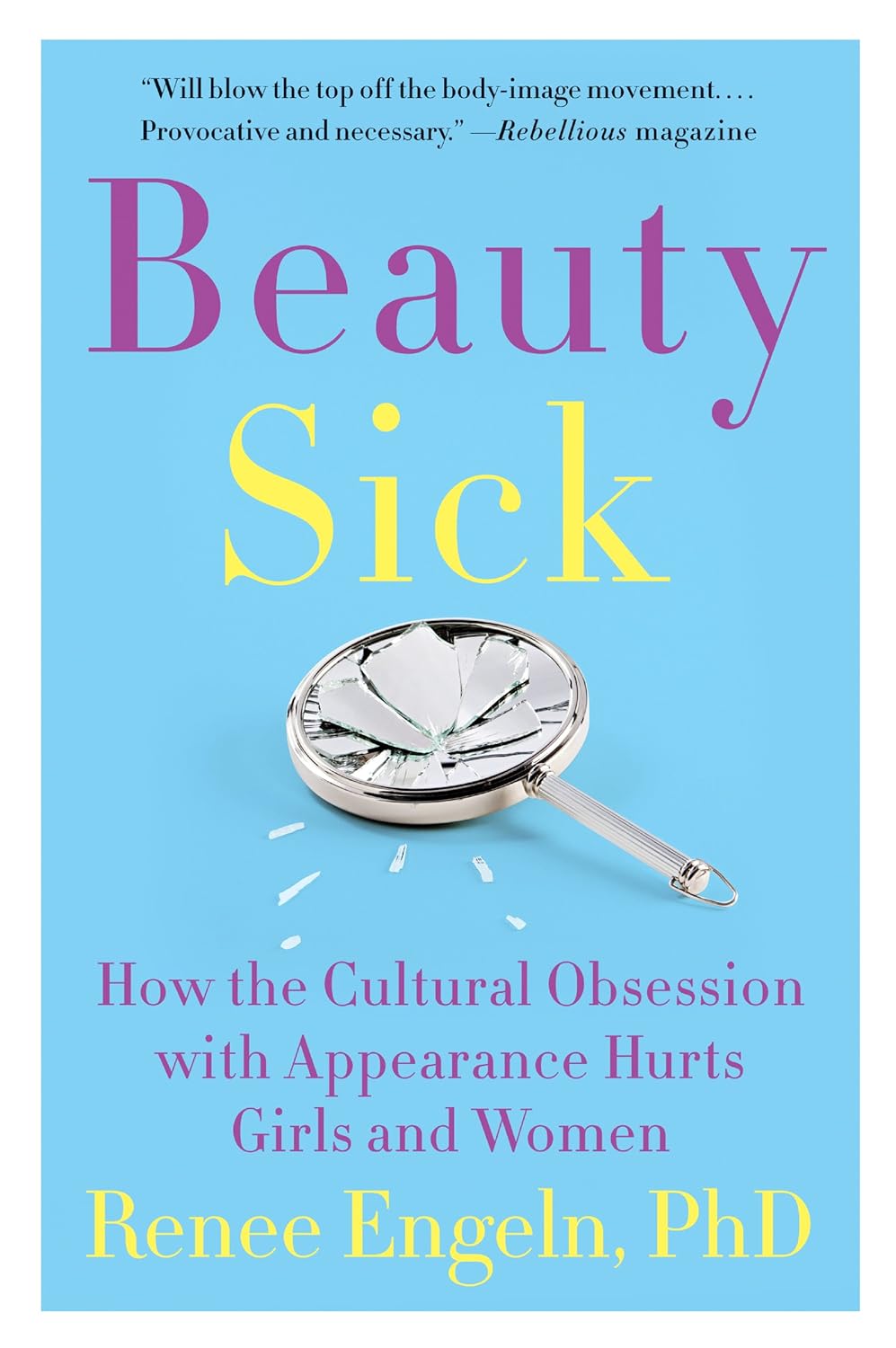
2. Beauty Sick by Renee Engeln
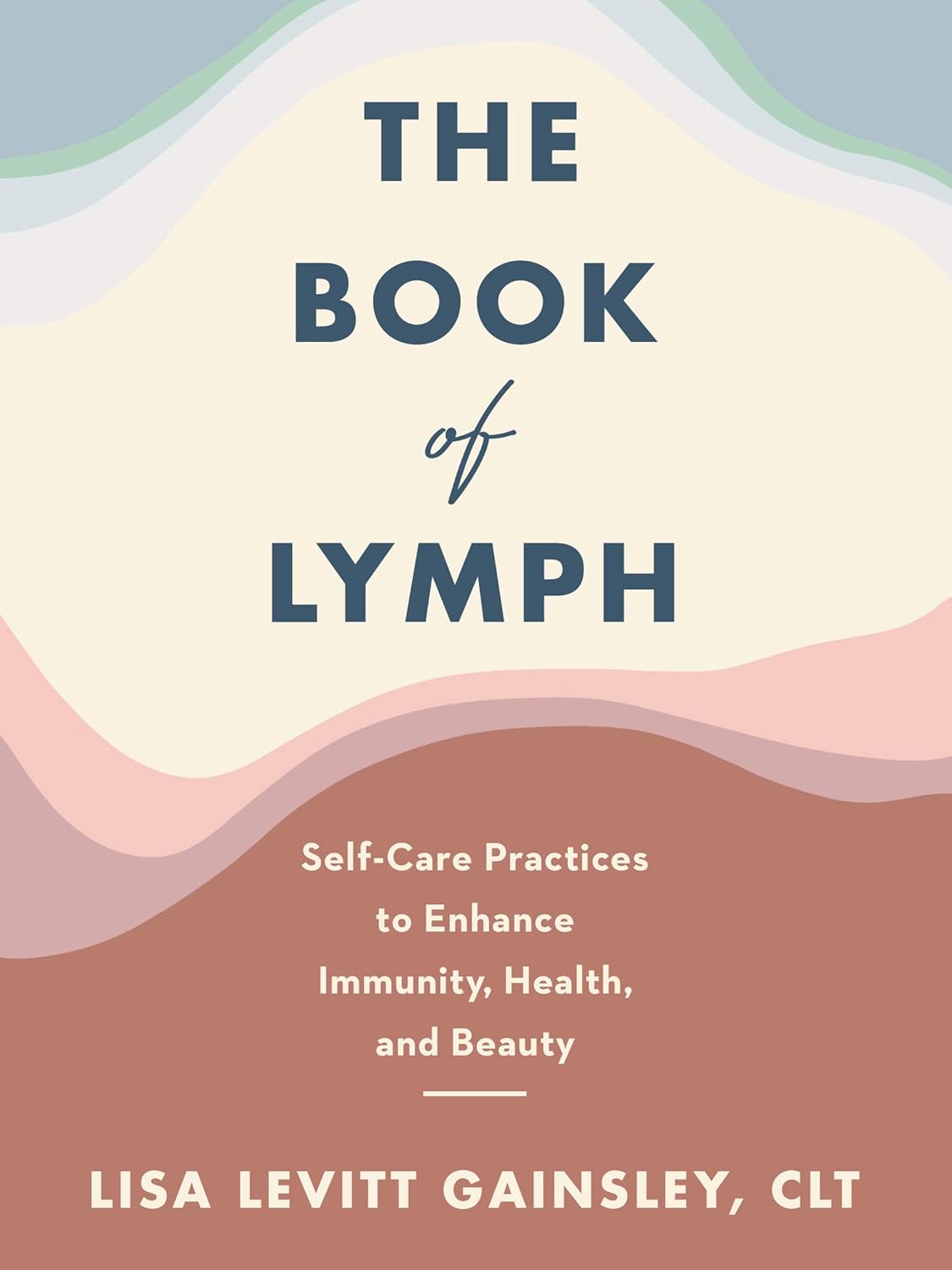
3. The Book of Lymph by Lisa Levitt Gainsley
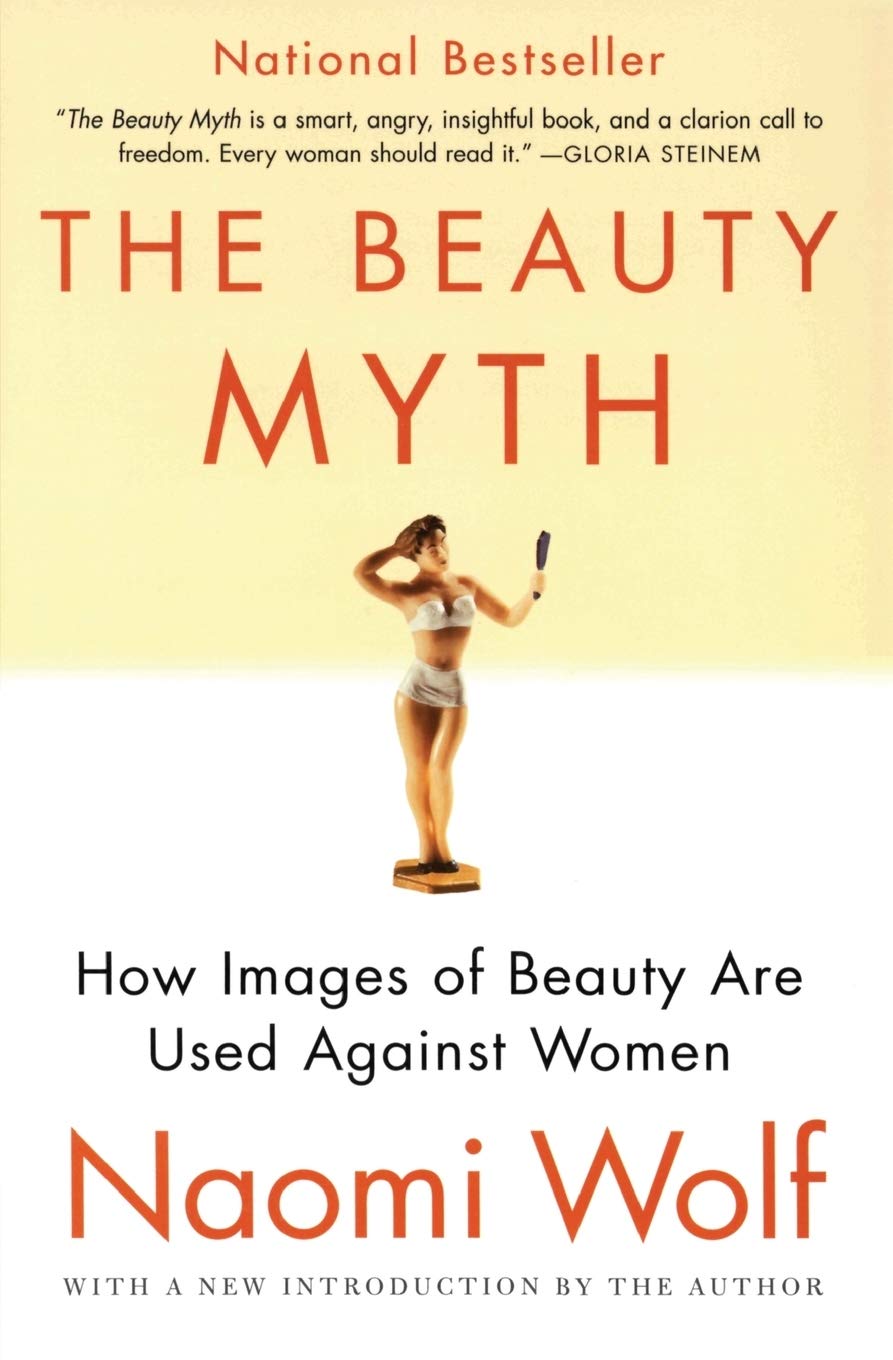
4. The Beauty Myth by Naomi Wolf
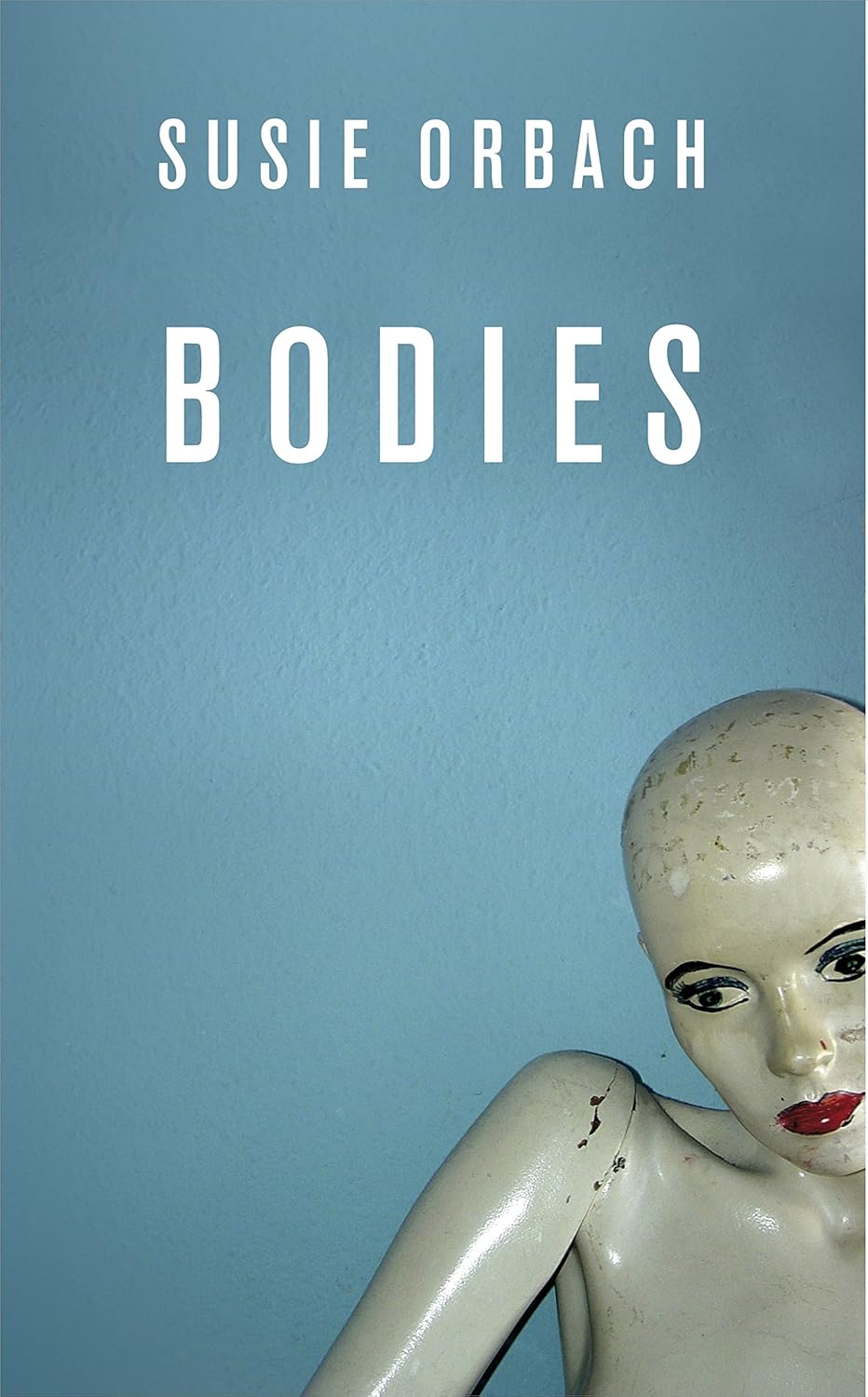
5. Bodies by Susie Orbach
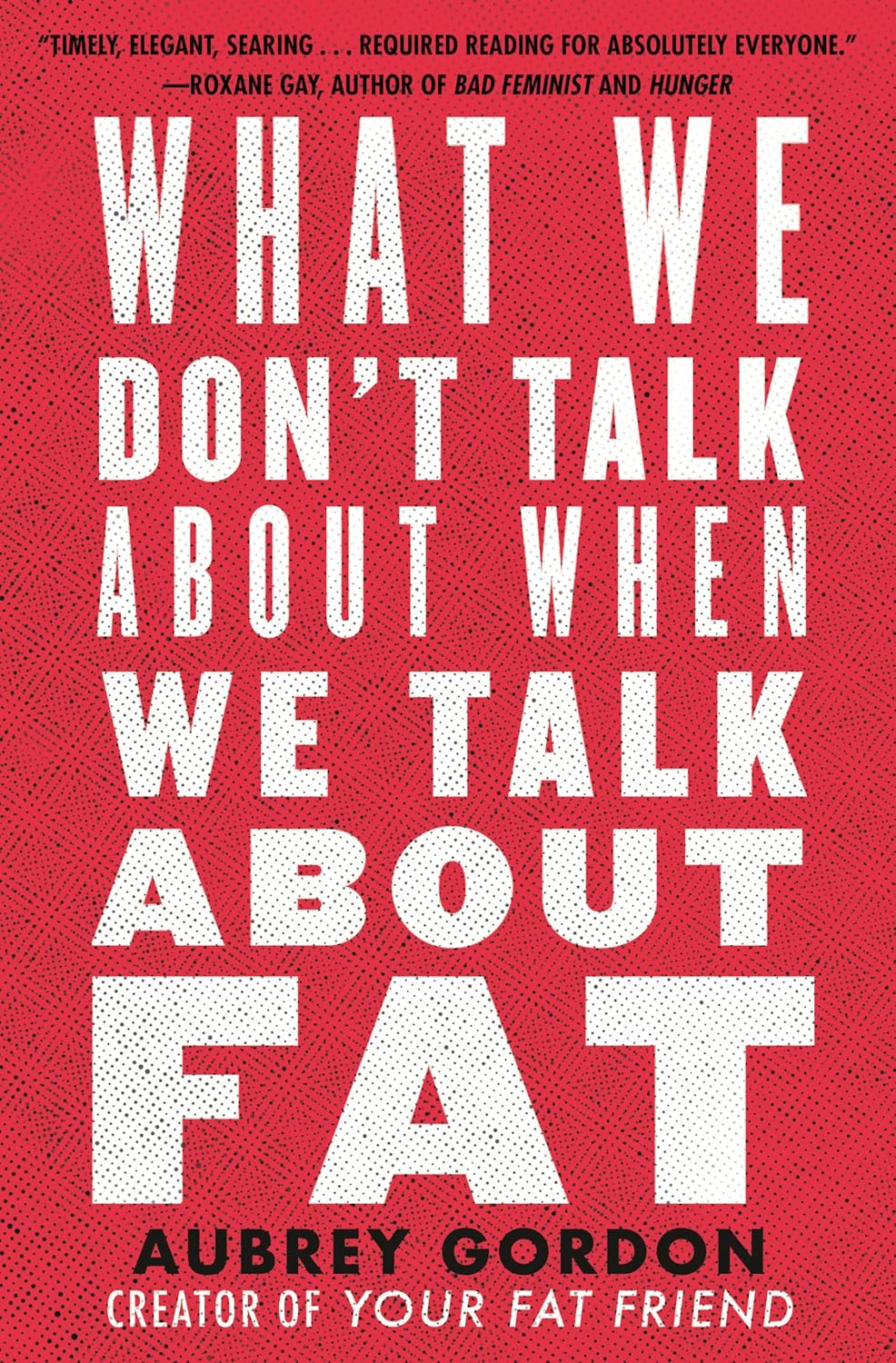
6. What We Don’t Talk About When We Talk About Fat by Aubrey Gordon
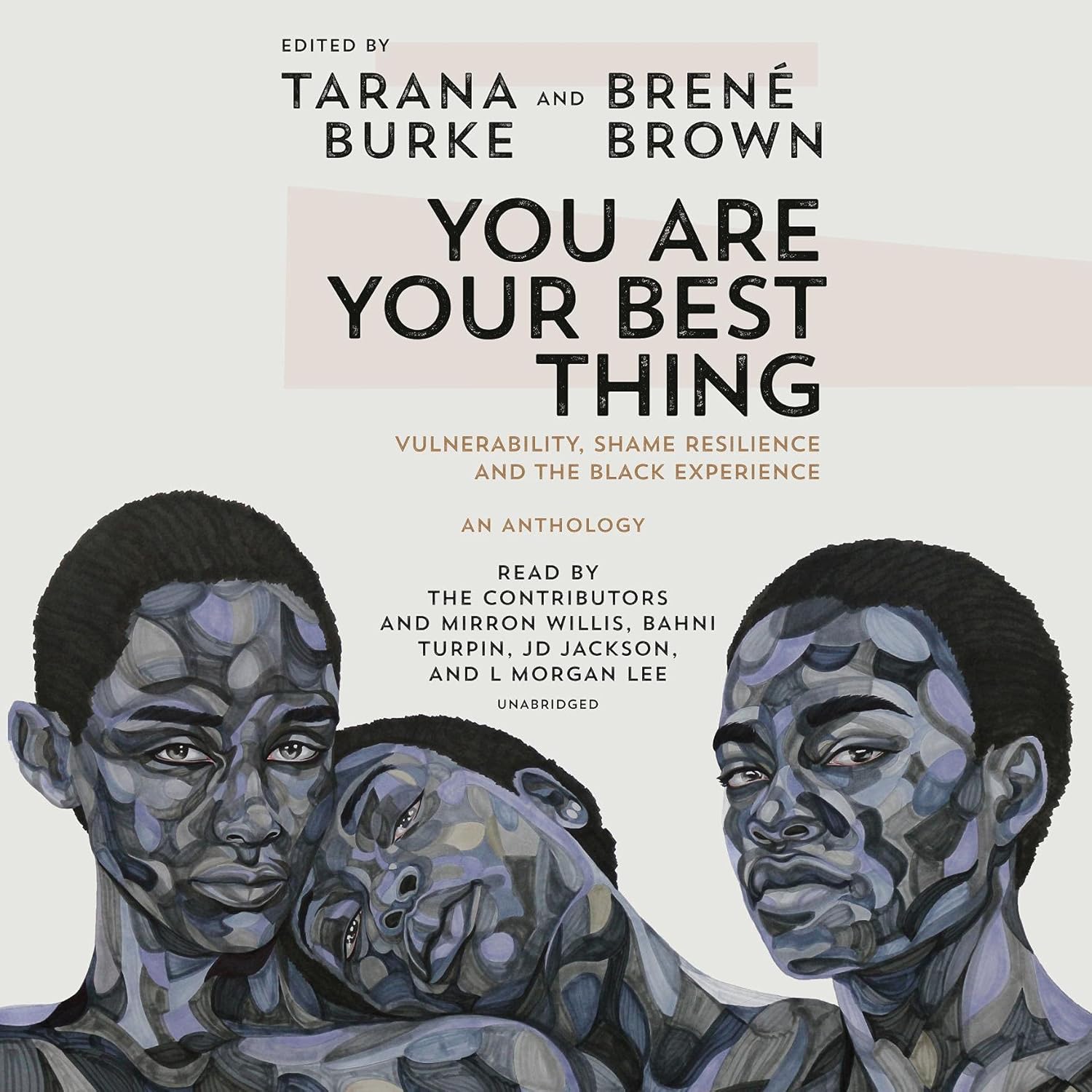
7. You Are Your Best Thing Edited by Tarana Burke and Brené Brown
Why These Books Matter
These books don’t share one philosophy. They share a direction.
They move beauty away from pressure and toward awareness. Away from performance and toward understanding. Away from approval and back into self-trust.
Reading them isn’t about collecting information. It’s about interrupting inherited narratives and choosing a different relationship with yourself.
Closing Reflection
Beauty begins to change when it stops asking us to prove something and starts helping us understand ourselves.
These books don’t promise confidence. They offer clarity. And in my experience, clarity is what actually creates change. When beauty becomes a conversation with the self, mental health is no longer separate from it. It becomes the foundation.
That’s where real change begins. These books do not teach us how to look better. They teach us how to see differently.