
There was a time when progress seemed to be measured by how much technology we could bring into our homes. First came the television in the living room; then one in every bedroom. Later came voice assistants, smart locks, app-controlled security cameras, refrigerators that could manage grocery lists, and an ecosystem where almost every object could respond to a command. For years, the promise remained the same: the smarter the home, the better life would become.
Technology fulfilled much of that promise; never before had it been so easy to adjust the temperature of a room from another continent, turn on the lights without leaving the couch, or schedule the coffee maker before opening our eyes. Yet as our homes learned to do more and more, we began to feel an unexpected need: to unplug.
Perhaps that is why one of the most compelling shifts in contemporary design is no longer about adding more screens, but about learning how to hide them. What once represented innovation is increasingly perceived, in some cases, as noise. The new aspiration is no longer to live surrounded by technology; it is to create spaces where technology quietly steps into the background.
When Home Stopped Impressing and Started Taking Care of Us
For decades, luxury was synonymous with abundance; more square footage, more automation, more objects, more stimulation. Today, that definition is quietly changing. Architects and interior designers are embracing a new priority: creating homes that offer calm before spectacle.
Televisions are disappearing from bedrooms; libraries are reclaiming their place at the heart of the home; dining tables are becoming spaces for conversation again instead of makeshift workstations. Warm lighting replaces harsh white LEDs; natural materials take the place of overly polished finishes; wood, linen, stone, and handcrafted ceramics are making a return because they offer something technology never can: a sense of permanence.
This is not nostalgia. It is a response to a generation that spends much of the day moving between video calls, emails, social media, and endless notifications. Home is no longer simply where we live; it has become the place where we try to reclaim our attention.
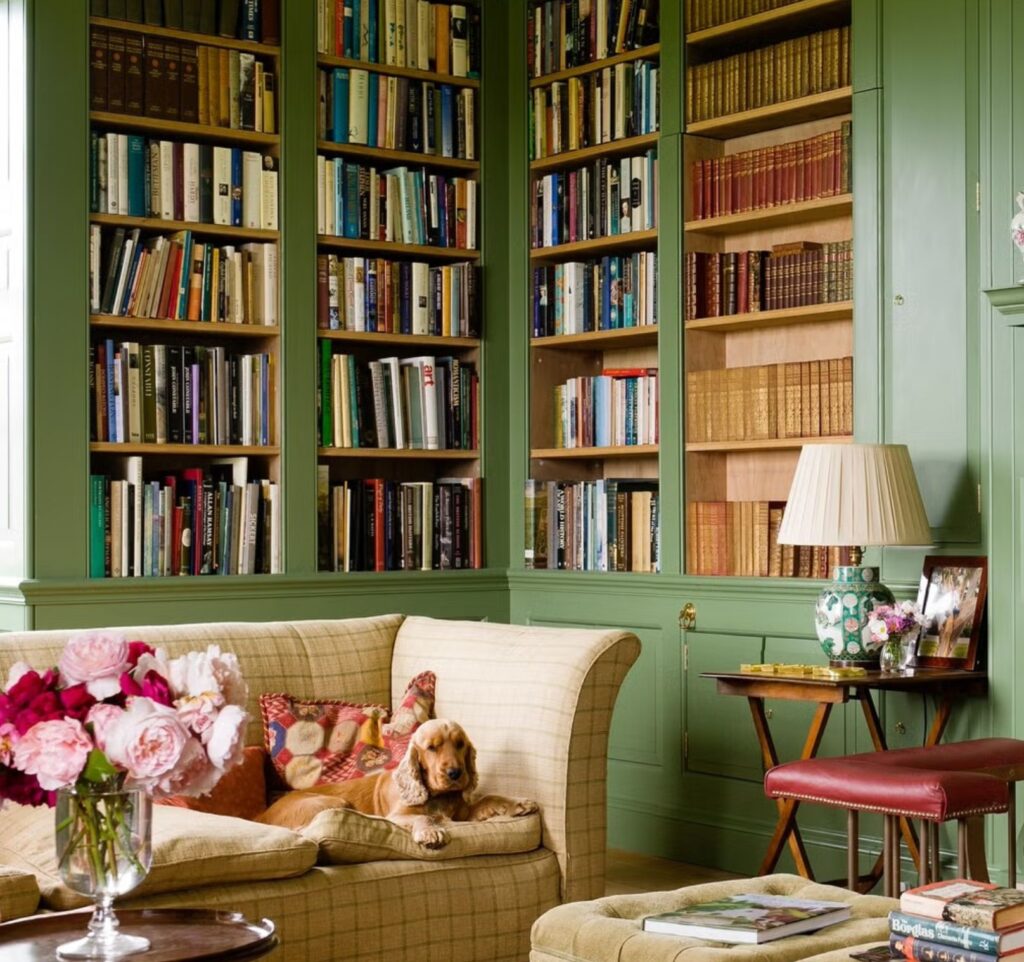
Architects and interior designers are converging around a new priority: creating homes that offer calm before spectacle
The Analog Home
It is remarkably paradoxical that, as artificial intelligence advances at an unprecedented pace, the homes attracting the most admiration seem to be looking in the opposite direction.
Turntables are returning to living rooms; books are reclaiming open shelves; kitchens are no longer hidden because cooking is once again seen as a ritual rather than a chore. Fireplaces, whether traditional or contemporary, are becoming gathering places, while manual coffee makers are finding a new generation of enthusiasts in a world where nearly everything can be done at the push of a button.
This is not about rejecting technology. It is about remembering that some experiences simply cannot be replicated by a screen. Slowly turning the pages of a book, listening to an entire vinyl record without skipping tracks, brewing coffee without rushing, or sharing a meal where no one interrupts the conversation to check a phone have quietly become small acts of resistance.
The analog home does not eliminate technology; it simply decides that technology no longer needs to occupy center stage.

Well-Being Is Designed
For a long time, we believed well-being happened somewhere outside the home; during a weekend retreat, a beach vacation, or an afternoon at the spa. Today, that idea is beginning to change.
More and more designers are talking about homes that actively reduce overstimulation. Bedrooms where the first thing we see in the morning is not a screen; living rooms designed for conversation; spaces where natural light shapes the rhythm of the day; materials that invite touch; windows opened to let in fresh air instead of another notification.
None of these decisions seem extraordinary on their own, yet together they transform everyday life. Design is no longer asking only how to make a home more efficient; it is asking how to make it more livable.
Perhaps that is why concepts like slow living, quiet luxury, and the renewed appreciation for craftsmanship have resonated so deeply in recent years. More than aesthetic trends, they reflect a shared desire: to slow down in a world that never seems to.
Technology That Knows When to Disappear
The paradox is impossible to ignore. Never have we depended so heavily on technology, and yet never have we longed so deeply to forget about it,even if only for a few hours.
This does not mean rejecting innovation. It means integrating it differently. The home of the future will probably not be the one filled with the most screens, but the one where technology operates almost invisibly; automating what genuinely simplifies life, then quietly stepping aside when it is time to rest.
Perhaps that is the new definition of a smart home: not one that constantly demands our attention, but one that knows when to stop asking for it.
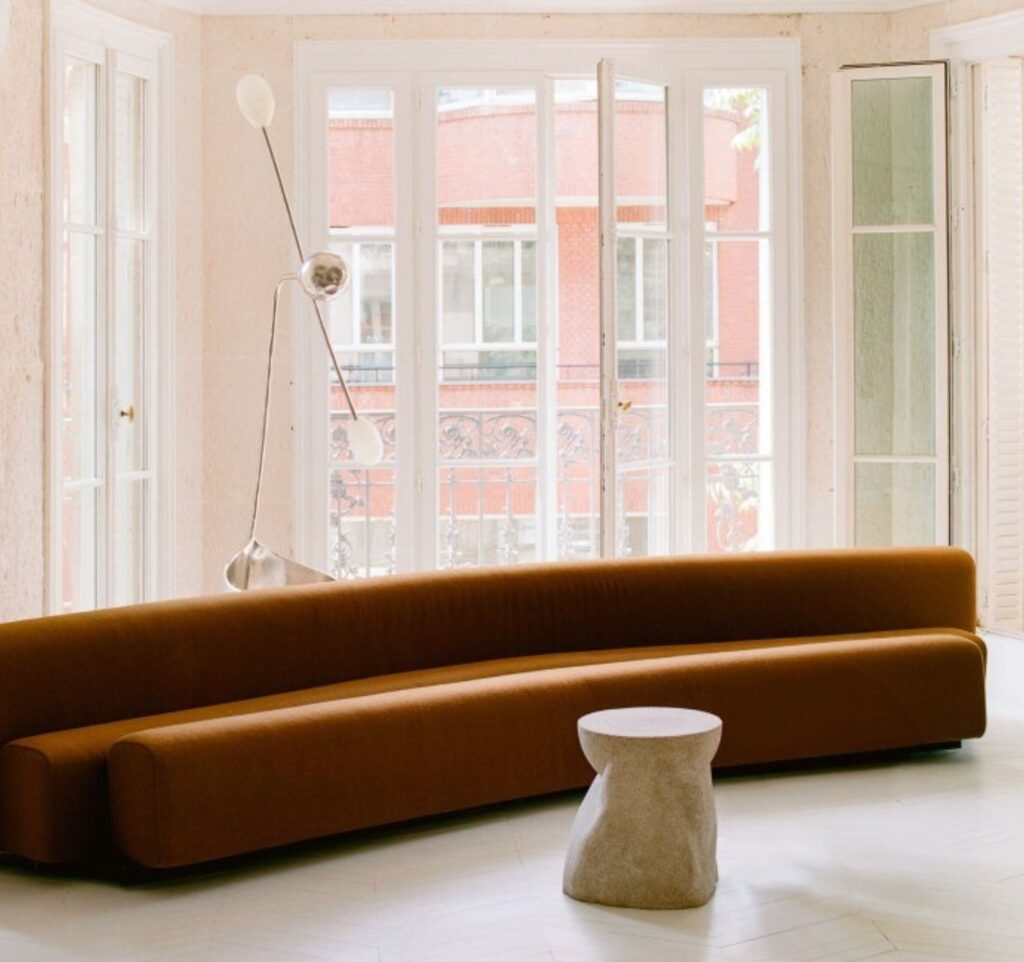
The new meaning of a smart home isn’t one that constantly demands our attention, but one that knows when to stop asking for it.
The Real Luxury
Romanticizing analog living would be just as naïve as believing technology will solve all of our problems. The two will continue to coexist. What is changing is not whether we use technology, but how much space we allow it to occupy in our lives.
That may be why the homes defining contemporary design today are no longer those that impress with the latest innovation, but those capable of offering something that has become increasingly rare: silence, time, and presence.
Because in an age where everything competes for our attention, the true luxury is no longer adding more technology to our homes. It is designing a home where, if only for a moment, we can forget that technology is there at all.