The beauty industry is used to talking about innovation. New formulas, new ingredients, new brands. Everything has to feel original, as if everything started from scratch. But there are projects that are not born from the need to create something new, but from recognizing what already existed but had not yet been named. Cidra belongs to that space.
A space where the narrative of Latin American pride is not reduced to a trend, where ingredients are not used as empty discourse, and where the most powerful bond moves beyond the most superficial layer of a brand to be built from something more intimate: family.
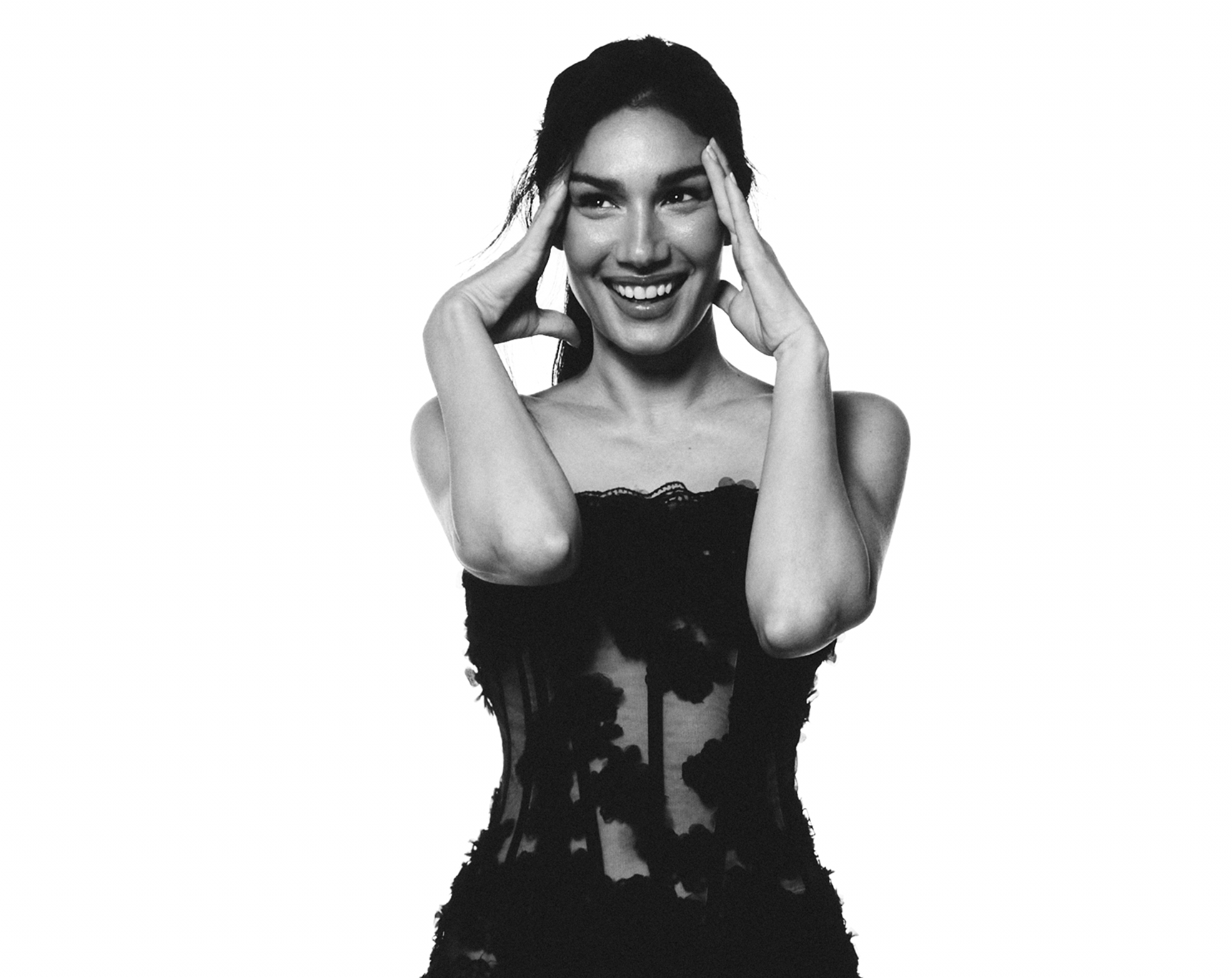
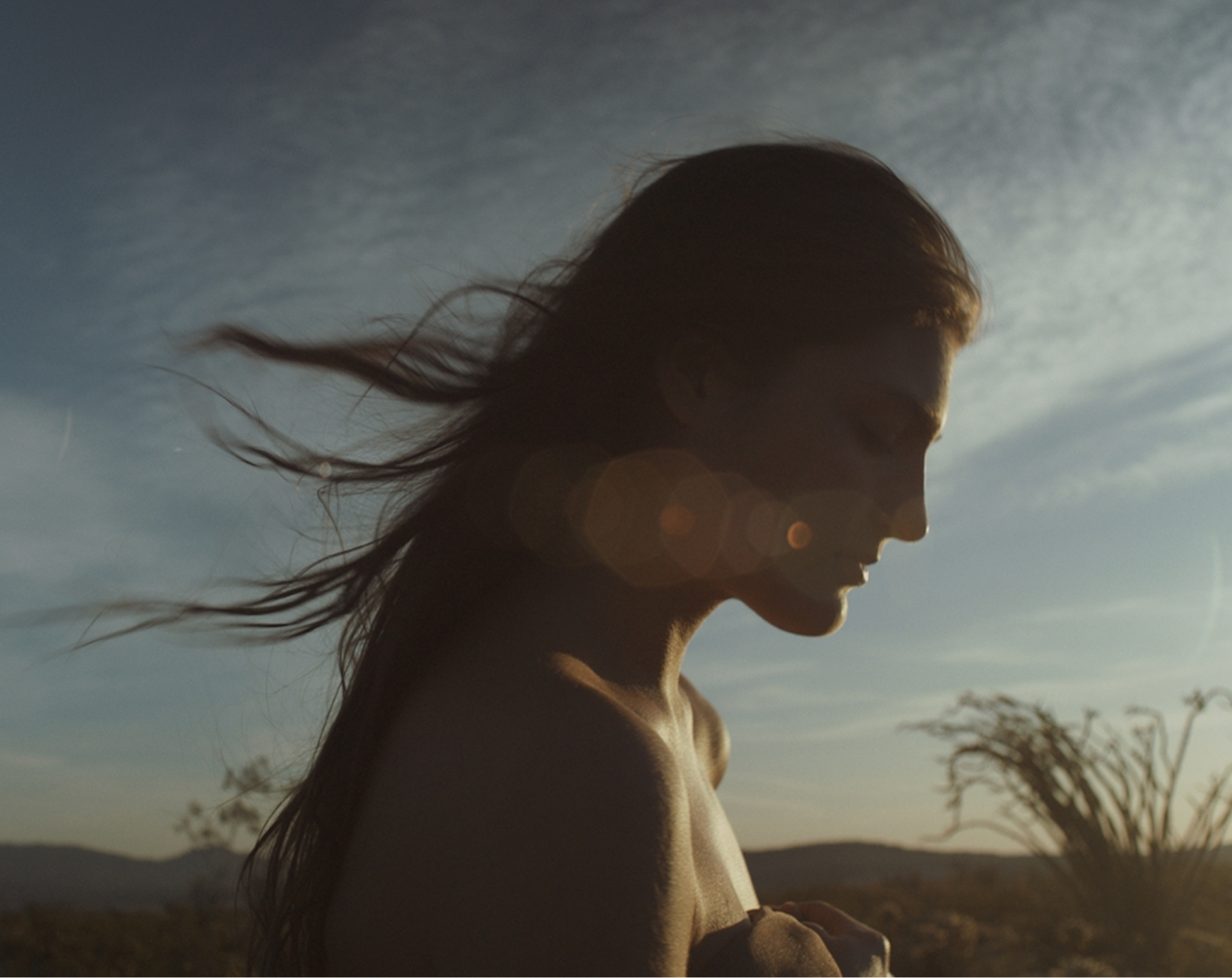
Exclusively for Topics That Transform, Catalina and Camila, sisters and founders of Cidra, share the story behind a brand that is rooted in something deeply personal, yet seeks to expand into something greater. A conversation about heritage, family, and what it means to create beauty from Latin America.
Author: aNDREA BAU
Before Cidra
Catalina and Camila don’t speak about Cidra as a business. It is, rather, a natural extension of what they have always lived. Together, they represent the third generation of a family deeply rooted in the cosmetics industry. They grew up surrounded by formulas, ingredients, and processes, in an environment where they learned to observe — and to admire — beauty. “It was more than an interest; it was our universe, something we naturally gravitated toward.”
Perhaps that is why founding Cidra was never about adding something new to the industry, but about something much more specific: not seeing themselves reflected in the contemporary beauty conversation. “The world didn’t need more noise, there was already enough,” they explain. “People like us weren’t part of the conversation. That absence gave us clarity. What once was just a shared passion began to take shape as a purpose. That’s when our story stopped being just a memory and became a vision worth building.”

“Cidra carries a piece of our heart in its name”
When beauty is also inherited
Their story is not accidental. It is their family history that truly gives it meaning. What Catalina and Camila are building today does not begin with them — it comes from before. “Cidra carries a piece of our heart in its name,” they share. It is a tribute to their grandmother, the woman who first began this journey in cosmetics for the family, and whose presence continues to shape what the brand is today.
Within that story, their father emerges as a key figure. “There is no Cidra without him,” they say. His presence is not just part of the process — it is the axis that runs through every formula, every decision, and every product. In that sense, Cidra becomes not just a brand, but a legacy.

Latin America as context, not as discourse
If Cidra is born from legacy, it is through its origin that everything begins to take shape. Because to speak about Cidra is also to speak about Latin America — not as a category, but as a point of origin.
“We are Latina, we were born and raised in Colombia. It’s not a strategy, it’s simply who we are,” they explain, making it clear that their identity is not a constructed brand narrative, but something far more essential. “We never felt the need to force our place. We knew our community existed and that we would find each other naturally.” More than positioning itself, Cidra recognizes itself — and proudly — as a Latin brand.
That identity does not remain at the level of discourse. It translates into how the brand is built: in the decisions they make, the processes and ingredients they choose, and the relationships they prioritize. “We work with a network of more than 700 families in the Colombian and Brazilian Amazon. Through their care of the land, they not only preserve the forest, they restore it,” they explain.
Ingredients like cupuaçu stop being read as trends and are understood through their real value. “We want people to understand their importance, and the importance of protecting the ecosystems they come from,” they add. This is where responsibility stops being an abstract idea and becomes something tangible. Sustainability stops being an added value and becomes a constant practice. One that is not communicated, but exercised.

“We work with a network of more than 700 families in the Colombian and Brazilian Amazon. Through their care of the land, they not only preserve the forest, they restore it.”
The balm as a starting point
Cidra does not present itself with a traditional makeup line. It begins with a single product: a lip balm. “It was the one product I always carried with me — every day, everywhere, for every occasion,” Camila shares. What may seem like a simple choice is actually something much more intentional: starting from what is essential, from the most basic gesture of care. “If it’s something I need and love, surely others will too,” she adds. Rather than building from a market opportunity, the starting point was personal.
But turning that into a product was not simple. “We had to research, formulate, and test. Test, test, and test again,” she says about the creation of a formula that would not respond to trends, but to a standard of its own. It wasn’t enough for it to be ‘clean’ — it had to perform. Ingredients sourced from the Amazon, known for their hydrating and repairing properties, are part of a formula that seeks balance between care and result.
That same logic also defines its range of shades. They are not born from an aesthetic trend, but from a cultural gesture. “I wanted to speak to my people — those who often didn’t feel represented,” she explains. The result is a range designed for different skin tones, where color does not aim to cover, but to accompany.

EPILOGUE
Cidra does not try to fit into the industry — it is built from somewhere else. From memory, yes, but also from the decision not to translate itself. At its core, two Latin American sisters who understand beauty as something that is inherited, questioned, and redefined at the same time. And as a result, a product that does not aim to be more, but to be enough.
“Because it’s not just about beauty — it’s about the stories that transform the way we understand it.” — Andrea Bau.