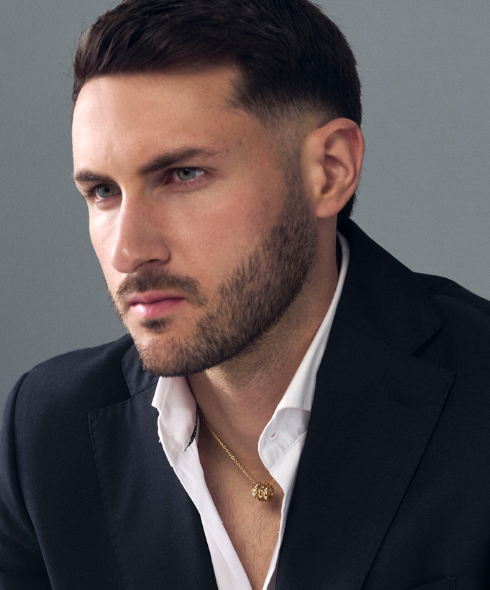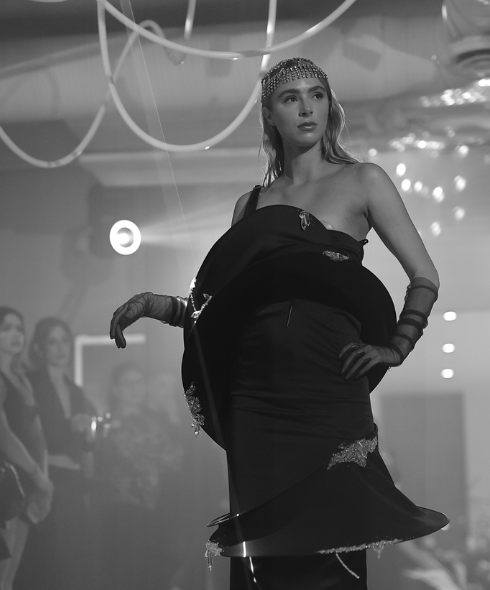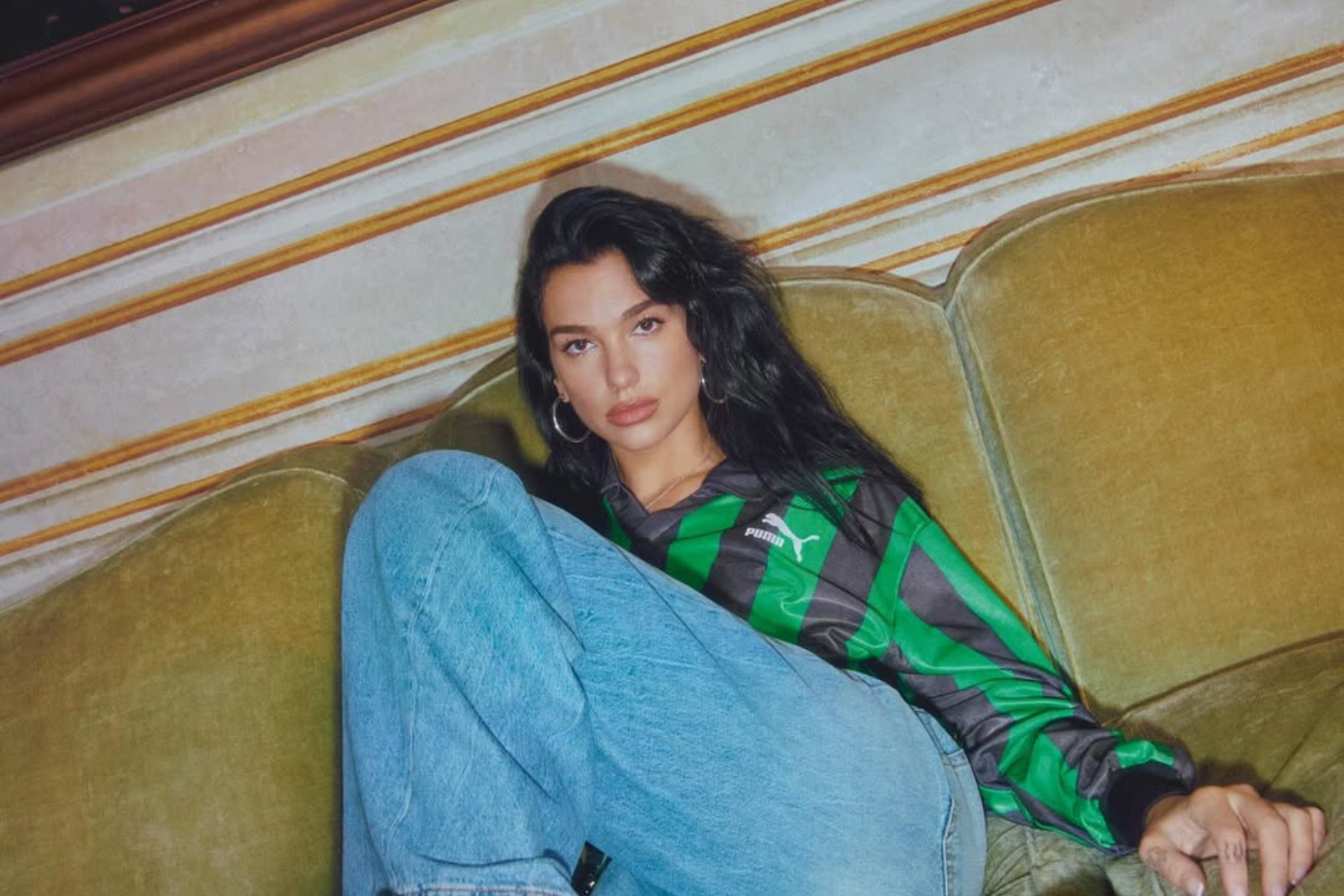
Just days before the 2026 World Cup kicks off, football’s influence can be felt far beyond the pitch. Vintage jerseys, team crests, athletic silhouettes and football-inspired references are showing up in fashion collections, campaigns and everyday wardrobes under one shared conversation: blokecore. Or, as many have started calling it this year, FIFA Core.
An aesthetic that, while rooted in the world’s most popular sport, stopped belonging exclusively to fans long ago. Today, it lives within street style, Mexican fashion and even some of the industry’s most influential luxury houses. Because long before it became a trend, football had already become a visual language.
Author: aNDREA BAU
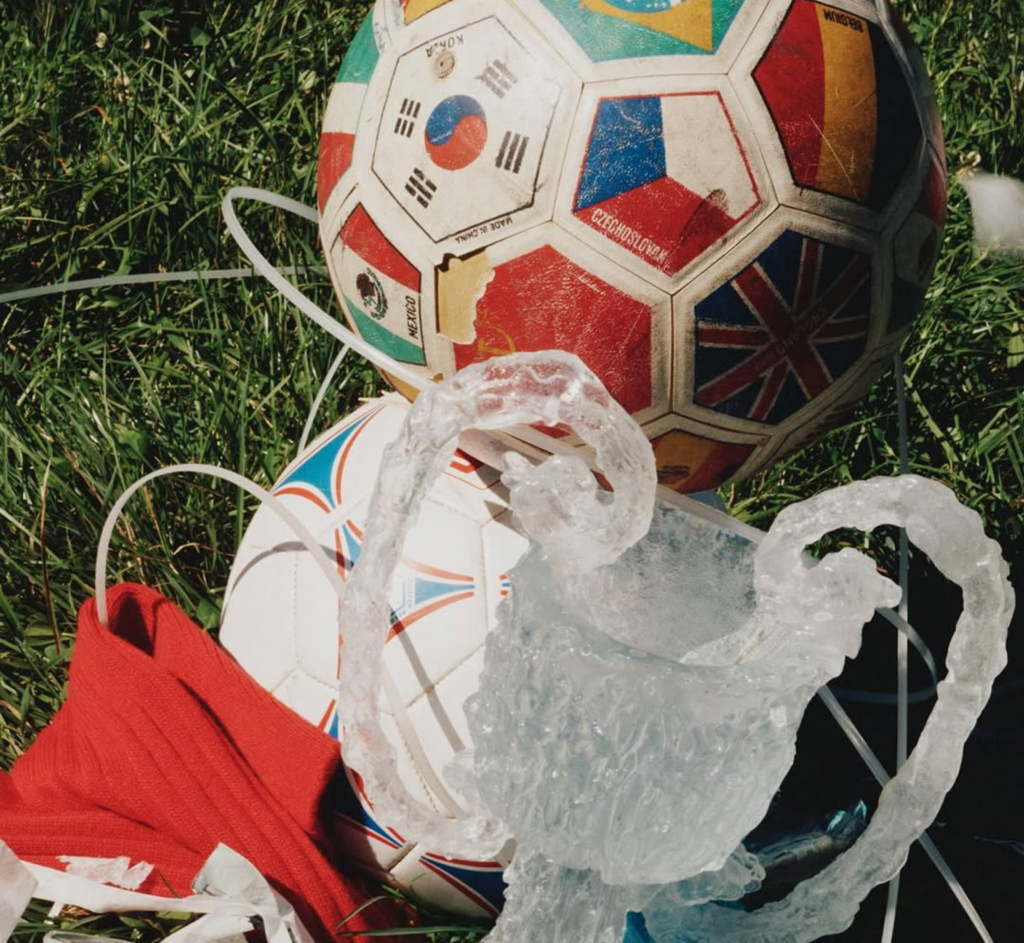
When Football Became a Trend
For years, football jerseys seemed to belong exclusively to stadiums, reserved for players and devoted supporters. Then something shifted. Gradually, they began appearing at music festivals, fashion weeks and in everyday wardrobes, becoming one of the most visible style trends of recent years.
Originally known as blokecore, the aesthetic draws on classic football culture and brings it into contemporary fashion. Now, on the eve of the 2026 World Cup, many are identifying it under a new name: FIFA Core.
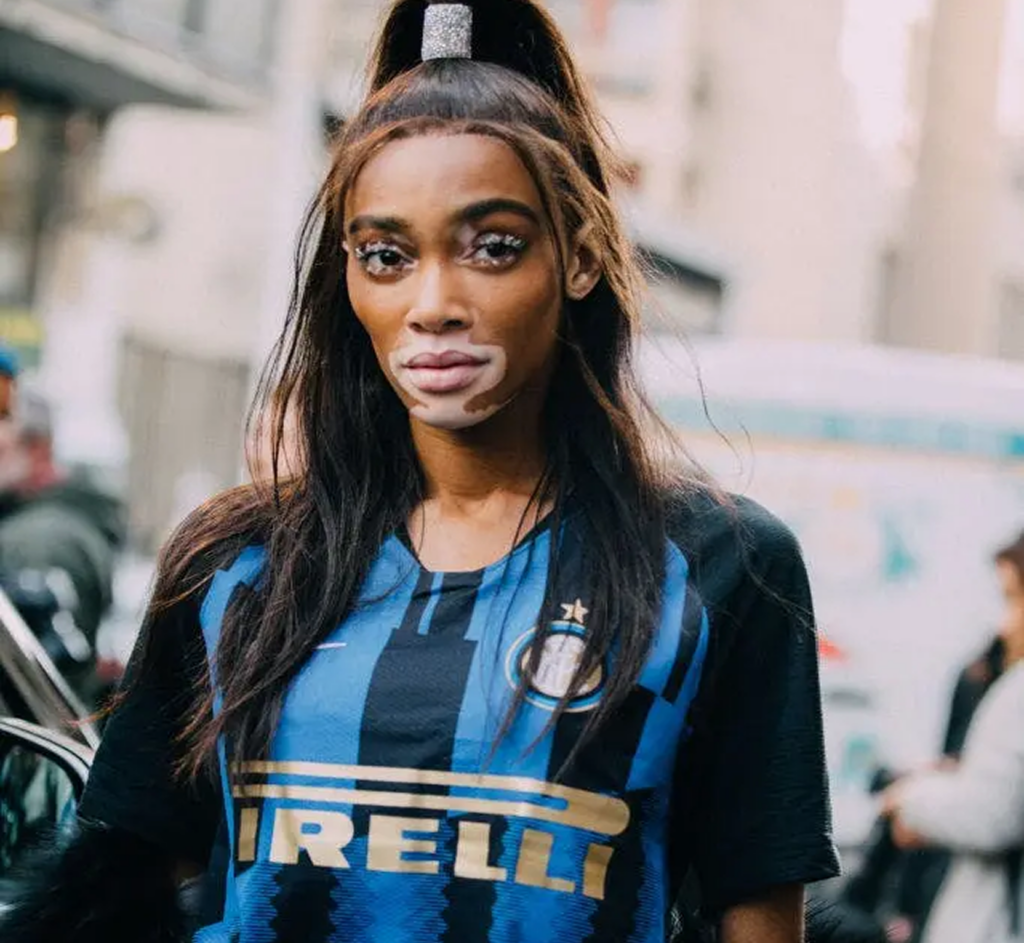
Rather than simply recreating a team uniform, the trend reinterprets some of football’s most recognizable visual codes beyond the pitch. The result? Vintage jerseys, team crests, athletic numbers and pieces inspired by the visual language of the game. Silhouettes that no longer function solely as symbols of fandom, but as a style capable of moving between street style and the runway.
An aesthetic that makes one thing clear: football is no longer just played. It is worn.
“What once functioned as a symbol of fandom has become a visual language capable of moving between street style, luxury fashion and cultural identity.”
More Than a Uniform
To understand why FIFA Core has managed to outgrow the typical trend cycle, it is important to understand something else first: football stopped being just a sport a long time ago. Today, it stands as one of the most influential cultural phenomena in the world.
It builds communities, shapes identities and creates symbols capable of connecting millions of people regardless of language or geography. Uniforms are part of that influence. Because football jerseys no longer represent only victories and championships. They represent belonging.
That is why it has become increasingly common to see jerseys at music festivals, fashion weeks and even in the wardrobes of celebrities such as Dua Lipa, Chiara Ferragni and Winnie Harlow. Because when a garment transcends its original function and becomes a cultural symbol, it inevitably earns a place within the fashion conversation.
Mexican Brands Enter the Field
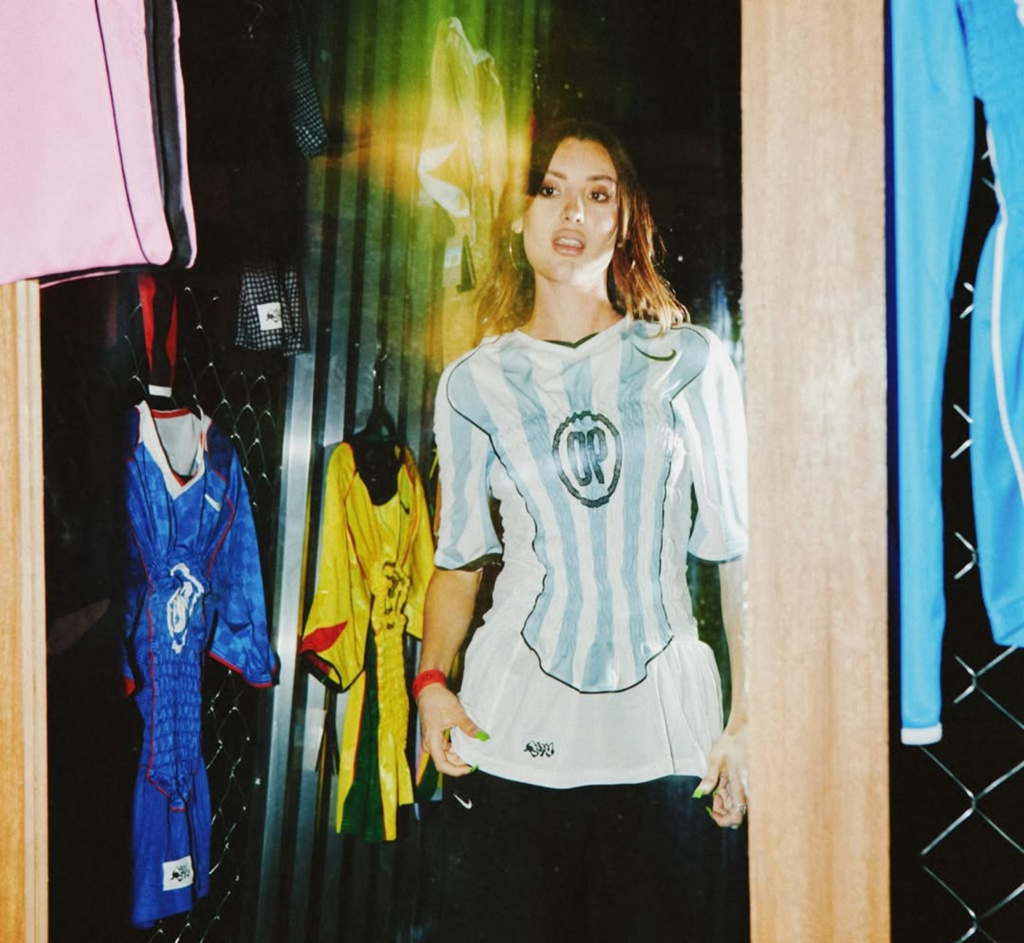
One of the most fascinating aspects of FIFA Core is how its influence has spread into nearly every corner of the conversation surrounding the 2026 World Cup, including Mexican fashion. As football once again takes center stage within popular culture, a growing number of brands have begun reinterpreting its most recognizable visual codes through their own lens.
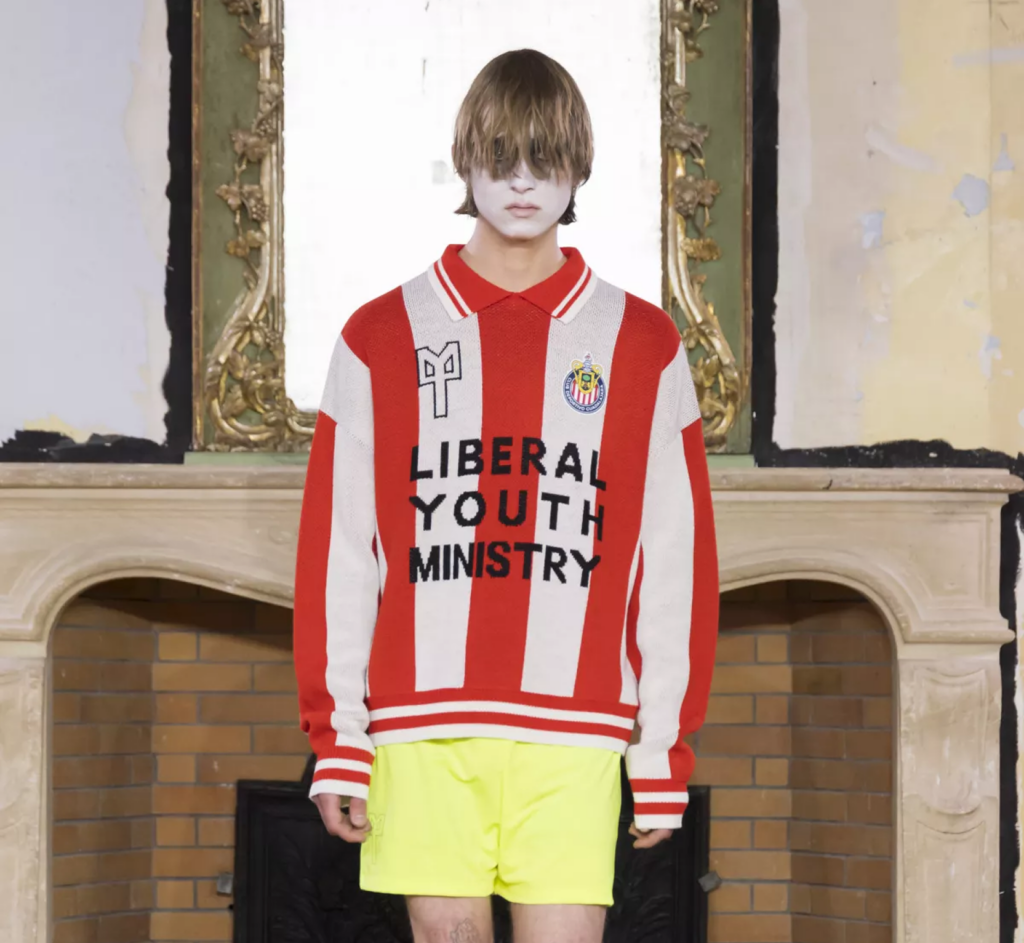
Brands such as CO.ZA, Sentimiento, Liberal Youth Ministry and Someone Somewhere are proof of this. Each approaches the conversation differently, yet all demonstrate that football-inspired aesthetics can move beyond the stadium and become part of the visual narratives shaping today’s street style. A conversation where the pitch and the city seem to speak the same language.
“FIFA Core confirms that style is no longer just about trends, but about identity and belonging.”
From the Locker Room to the Runway
FIFA Core’s influence has not been confined to street style. Over the past several years, luxury fashion houses have increasingly looked to sport for inspiration. Athletic references, sporty silhouettes and high-profile collaborations have gradually blurred the line between fashion and football. From brands historically tied to sport, such as Puma and Adidas, to luxury houses including Gucci, Balenciaga, Etro and Louis Vuitton.
Viewed through a cultural lens, this should come as no surprise. After all, fashion and football share something fundamental: both build community. Both create belonging. Both transform symbols into objects of desire.
Perhaps that is why sporting codes have found such a natural place within luxury fashion. Because beyond clothing, both understand the power of stories that bring people together.
When Aesthetics Become Identity
Let’s make one thing clear: this is not just a conversation about football. FIFA Core confirms something fashion has been demonstrating for years and years: when it comes to personal style, it is no longer only about trends—it is about identity.
What once belonged exclusively to sport is now part of street style, the runway and the visual narratives shaping a new generation of consumers. And, as the 2026 World Cup approaches, the conversation continues to expand far beyond the pitch.