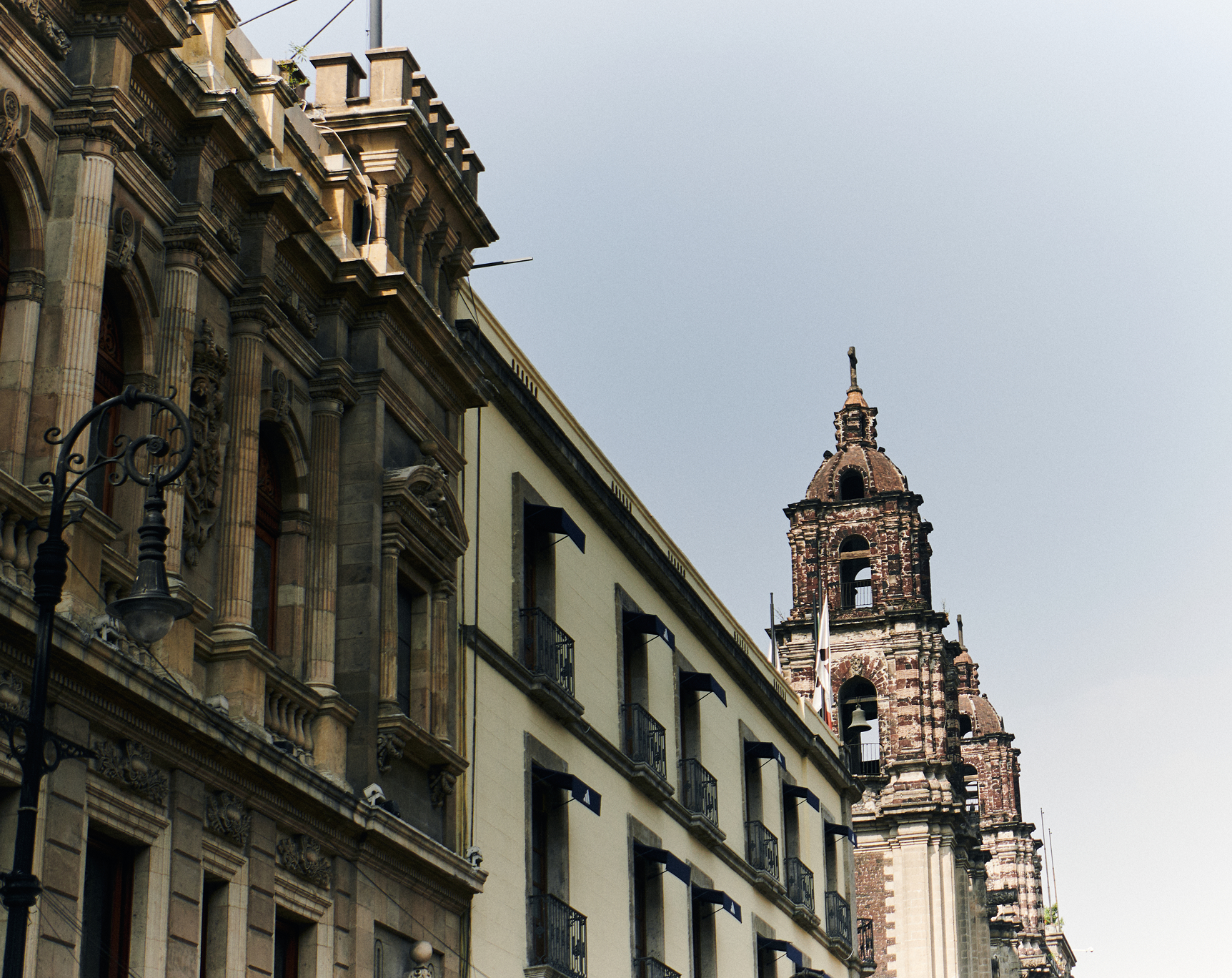
Mexico City possesses a remarkable ability to reinvent itself without ever letting go of its past. It is a city that moves relentlessly forward while preserving the traces of those who built it centuries ago. Few places capture that duality as elegantly as Downtown Mexico.
Author: Claudia Valdez
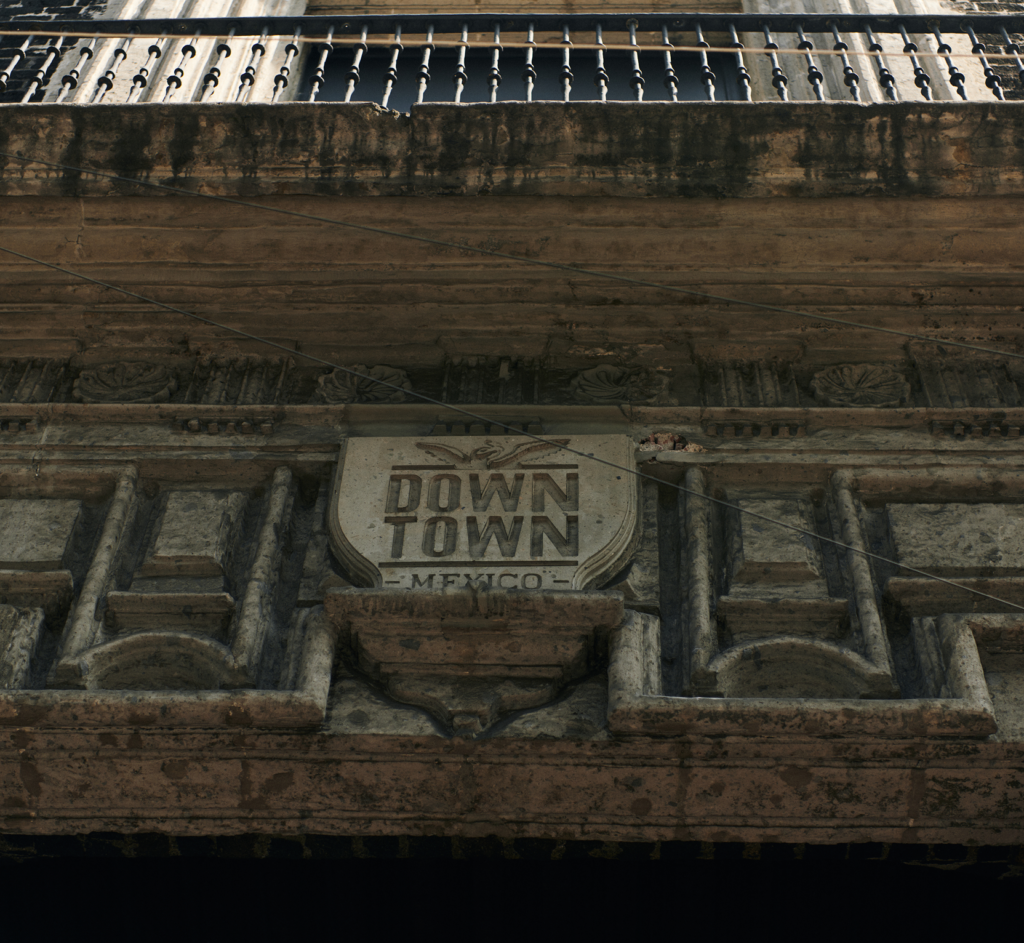
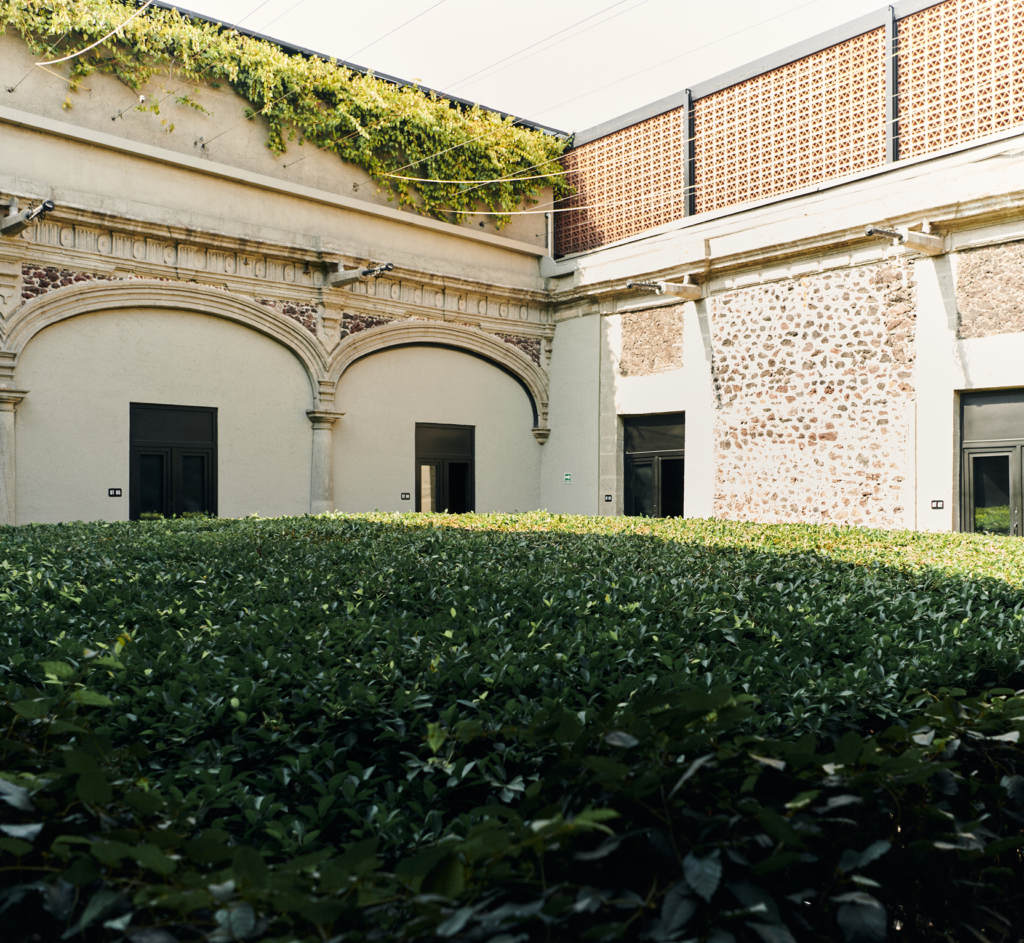
Located on Isabel la Católica, just steps from the Zócalo and some of the city’s most iconic landmarks, the hotel occupies a magnificent 17th-century viceregal building that has been carefully restored to engage with the present without abandoning its history. Beyond its volcanic stone walls, interior courtyards, and open-air corridors, time seems to take on a different dimension. The energy of Mexico City’s Historic Center remains ever present, yet filtered through an atmosphere of calm, design, and understated sophistication.
More than a hotel, Downtown belongs to a generation of visionary spaces that helped redefine the Historic Center as one of Latin America’s most compelling cultural districts. Here, architecture is not simply a backdrop—it is an essential part of the experience.
Architecture That Tells Stories
There is a difference between occupying a historic building and truly understanding it. Downtown belongs firmly to the latter category.
Every courtyard, archway, and stone wall preserves the memory of a city shaped by centuries of encounters, transformations, and cultural exchange. The contemporary intervention avoids competing with the original structure; instead, it complements it with a sensitivity that allows guests to appreciate the richness of the space through a modern lens.
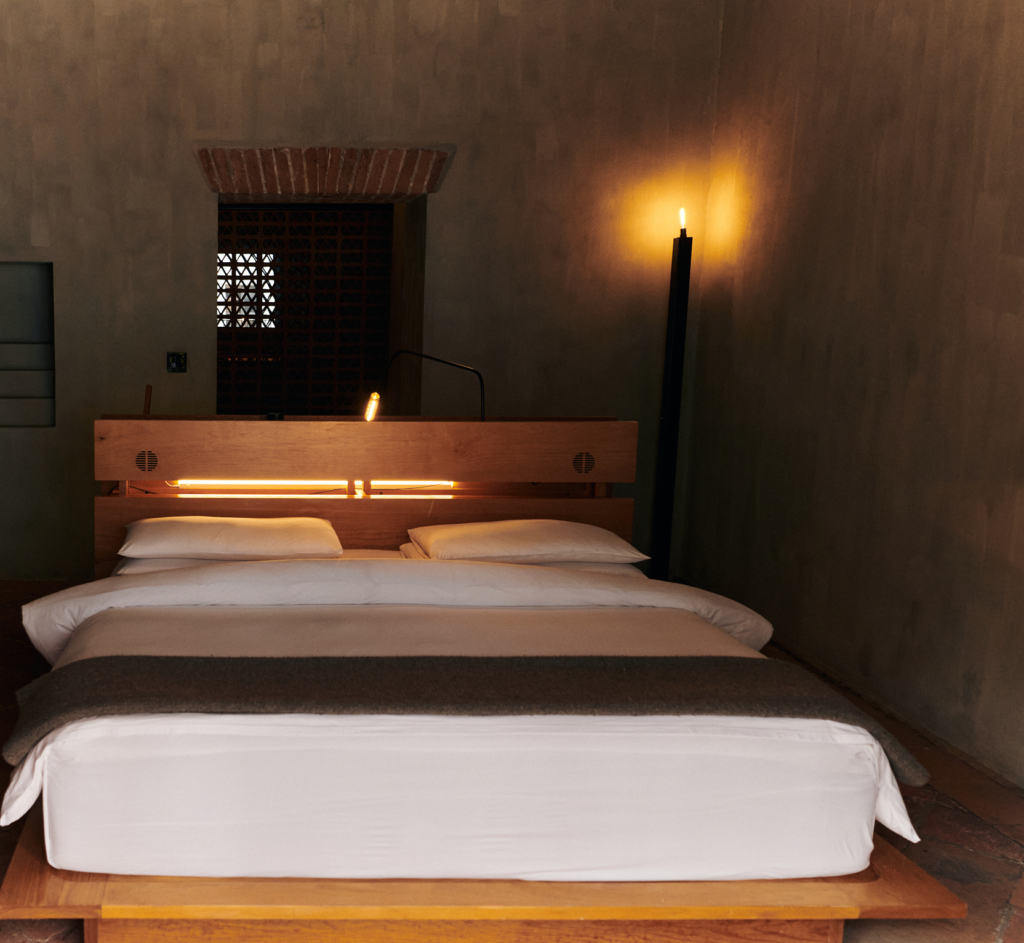
The result is an aesthetic deeply connected to the character of Mexico City: sophisticated, cosmopolitan, and yet profoundly aware of its roots. With just 17 rooms and suites, the hotel maintains an intimate scale that feels increasingly rare in one of the world’s most dynamic cities.
More than a hotel, Downtown belongs to a generation of visionary spaces that helped redefine the Historic Center
A Rooftop Pool Suspended Above Centuries of History
Yet it is upon reaching the rooftop terrace that Downtown reveals one of its greatest virtues.
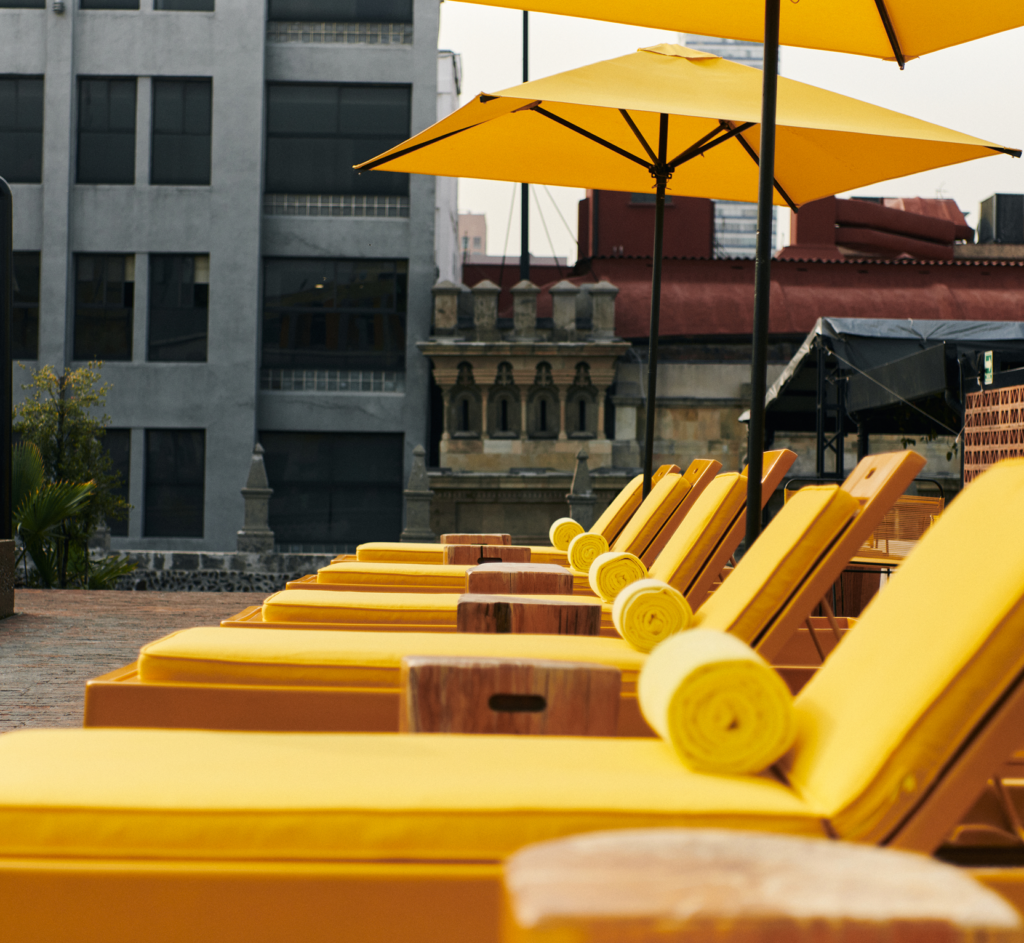
From this privileged vantage point, Mexico City’s Historic Center unfolds as an architectural composition unlike any other. The domes of colonial churches rise above centuries-old rooftops, while historic facades and contemporary buildings coexist along a skyline that reflects generations of urban evolution.
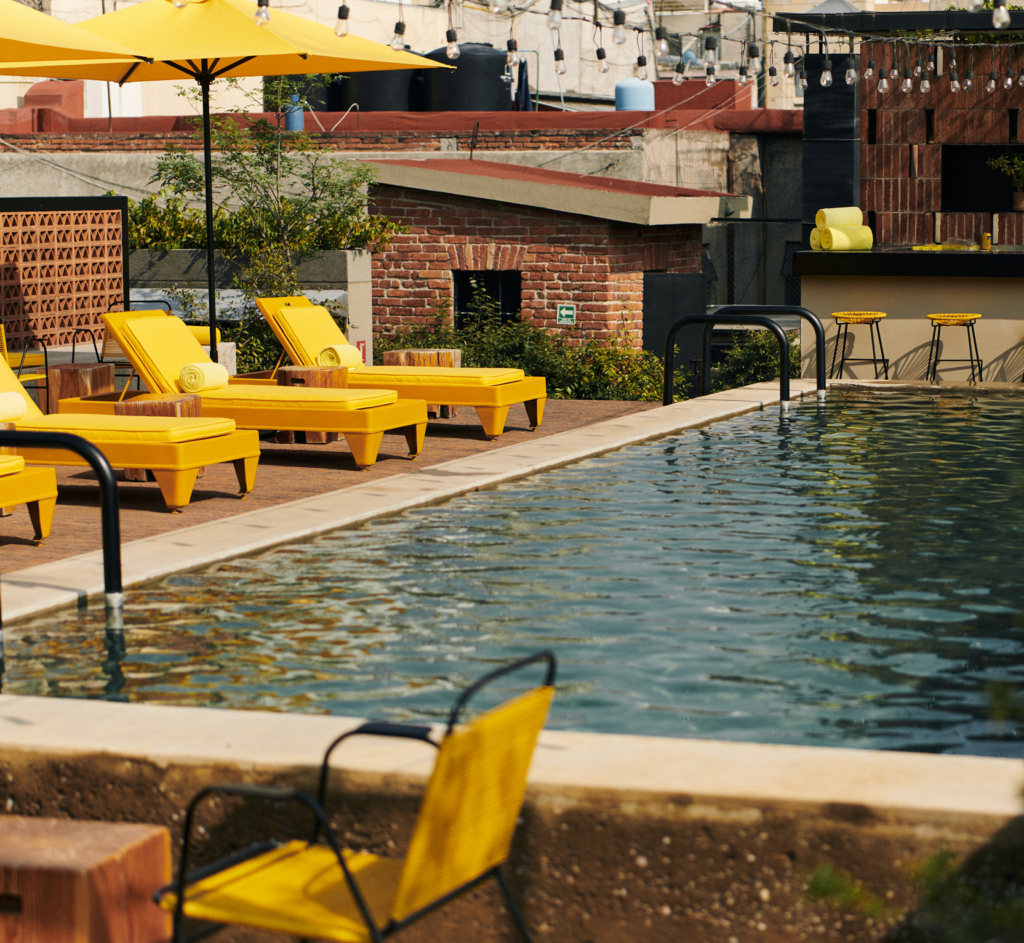
At the center of this panorama lies the pool. Not as a decorative element or a concession to modern luxury, but as an invitation to experience the city from a different perspective. While the rhythm of Mexico City continues several stories below, the terrace offers something increasingly rare in the heart of a global metropolis: the opportunity to pause.
Some views are memorable, others transform the way a place is perceived. Downtown belongs to the latter.
The Day Pass Locals Prefer to Keep to Themselves
While the hotel itself remains one of the property’s greatest attractions, there is another reason Downtown has become such a beloved fixture within the city’s cultural landscape. Its day pass.
Far removed from the atmosphere of beach clubs or experiences designed purely for spectacle, daytime access to the rooftop terrace offers guests the opportunity to enjoy one of the Historic Center’s most privileged perspectives for a few hours. A leisurely lunch under the sun, an afternoon by the pool, or simply the pleasure of observing the city from above takes on an entirely different dimension here.
It is an experience that attracts both international travelers and Mexico City residents a rare intersection that often signals a place has become genuinely woven into the life of the city.

An Address That Transcends Hospitality
At a time when luxury hospitality often seems driven by an endless pursuit of novelty, Downtown Mexico continues to demonstrate the enduring value of permanence.
Its appeal extends far beyond its rooms, architecture, or celebrated rooftop terrace. It lies in the property’s ability to connect visitors with a deeper version of Mexico City, one where history, culture, design, and contemporary life coexist with remarkable ease.
Because some addresses offer accommodation. The most memorable ones become part of a city’s identity.