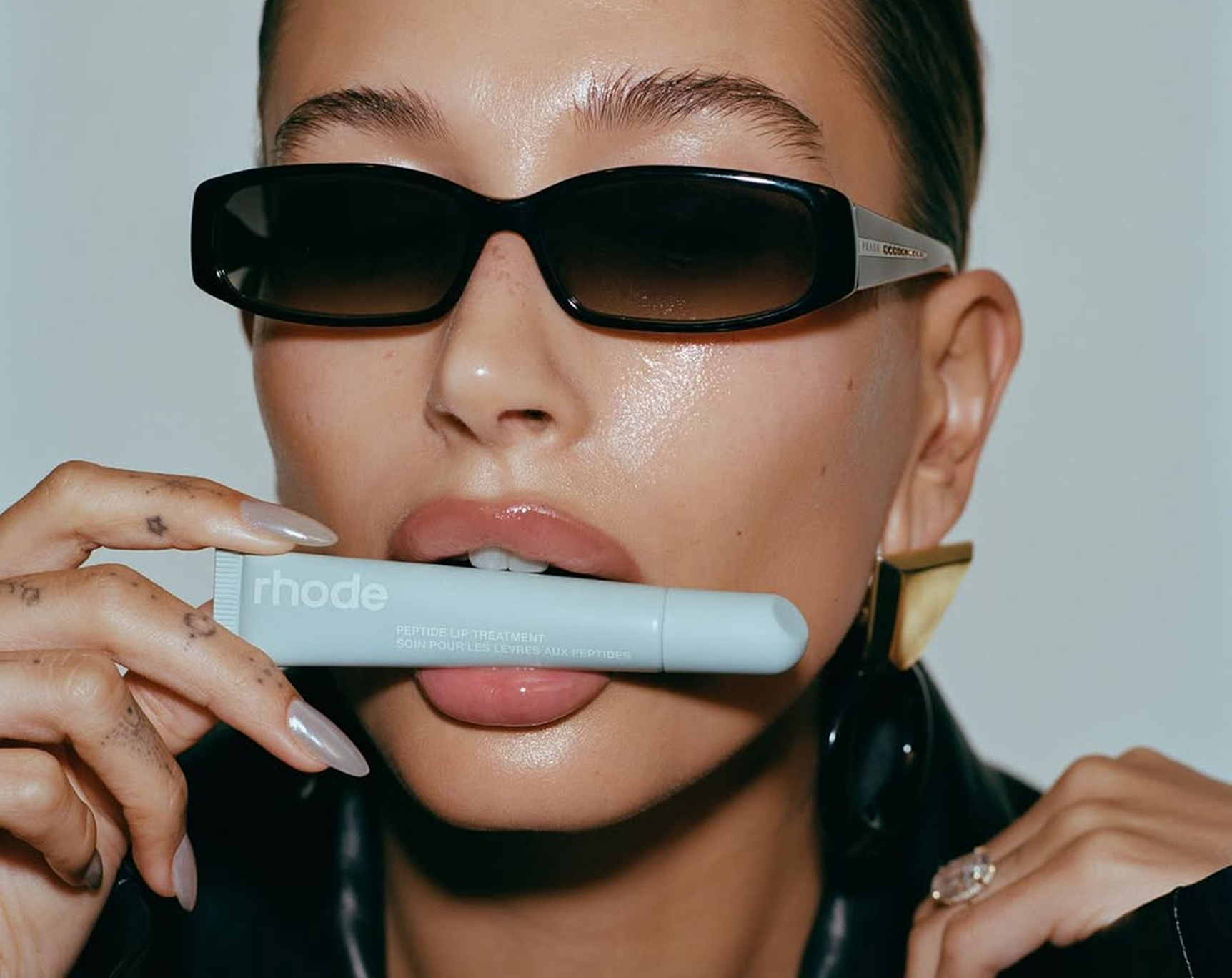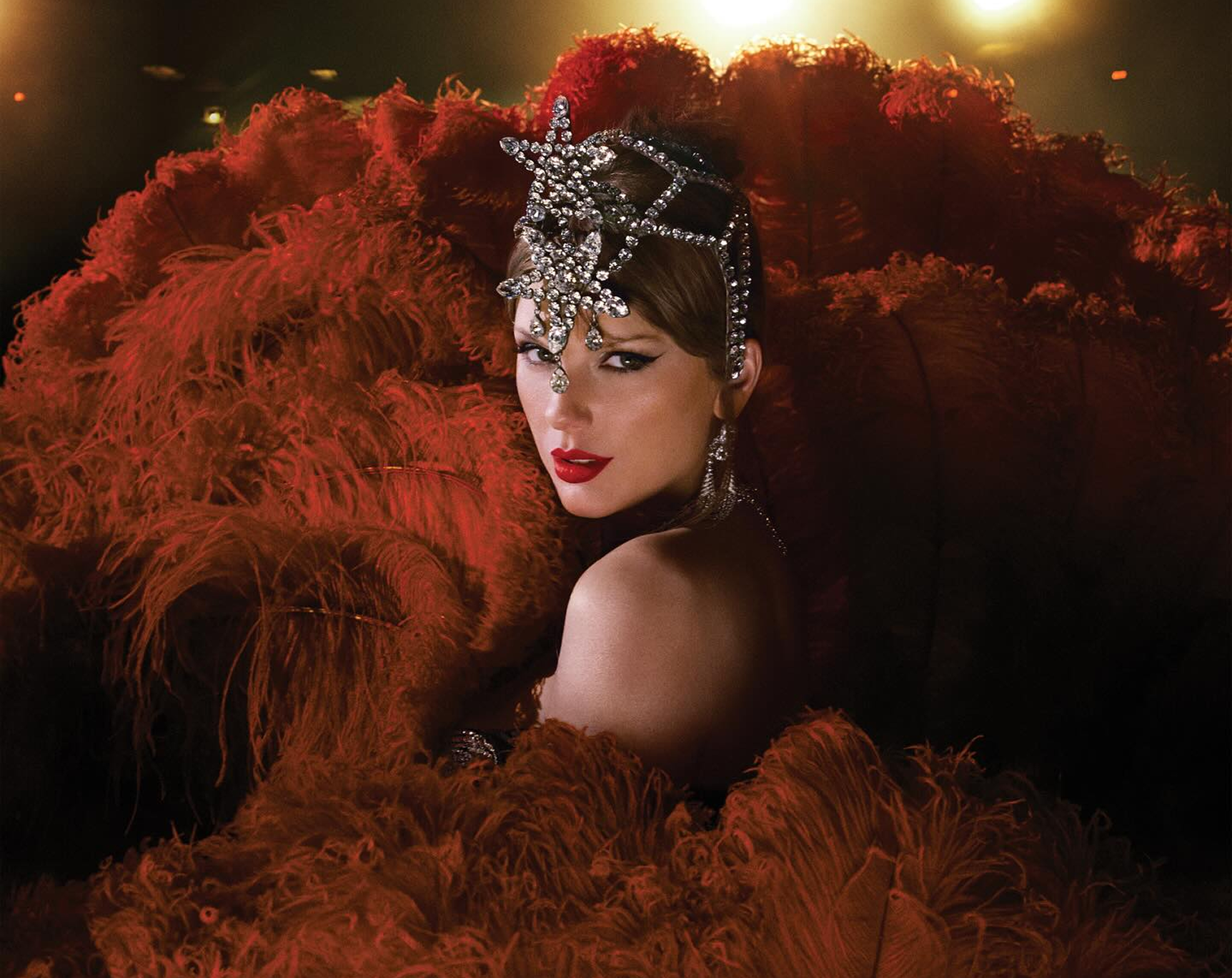
In the world of beauty, red lipstick has long functioned as a declaration. A gesture so powerful it has crossed the history of makeup, the most emblematic fashion houses, and the many ways women have chosen to present themselves in public. It is not just a color; it is a decision loaded with meaning.
Red is not announced or explained. It remains. And when it holds over time, it stops being a purely aesthetic resource and becomes cultural narrative. A gesture that, in certain creative universes, like Taylor Swift’s, becomes a signature of identity.
Author: aNDREA BAU
Red Lipstick as a Cultural Statement
In the beauty industry, red lipstick is not merely an aesthetic choice. Read as a historical thesis, it has become a symbol powerful enough to stand outside fleeting trends or seasonal fashions. Its strength does not lie in novelty, but in what it communicates. Red embodies power, femininity, and rebellion, but also sophistication. It implies decision, intention, and presence. It is not a color chosen by accident. In beauty, red is chosen as a statement.
For that reason, red lipstick operates as a visual language. A beauty gesture that is recognized, interpreted, and charged with meaning depending on who wears it and how it is sustained over time. When red repeats itself, it stops being just makeup, it becomes a signature.
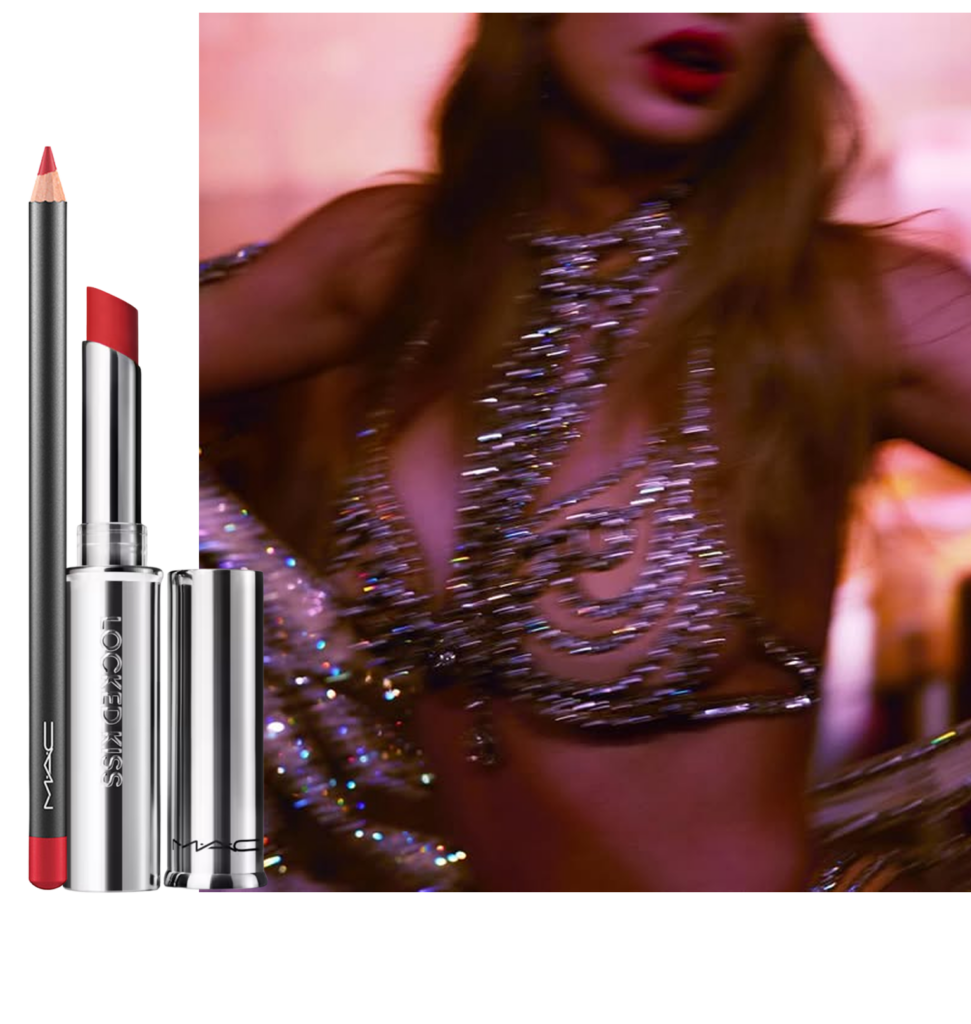
For Swift, red lipstick accompanies a form of femininity that is neither softened nor apologetic.
Taylor Swift and the Gesture That Is Not Negotiated
In Taylor Swift’s case, red lipstick is not an aesthetic decision either. It functions as affirmation. Yes, it has accompanied her public image for years, but it is its consistency that has turned it into an icon within a narrative she herself controls in the music industry. A gesture that appears when she chooses to be firm, visible, and fully in command of her own voice.
As her music, her eras, and her way of occupying the stage evolve, red remains. Not as a symbol of nostalgia or automatic repetition, but as a declaration of identity. It was there when she moved from country to pop, when she embraced a sharper aesthetic during Red, when she faced public scrutiny during Reputation, and when she reclaimed authorship over her own catalog. A gesture that confirms her power does not belong to a moment, but to a historical trajectory.
For Swift, red lipstick accompanies a form of femininity that is neither softened nor apologetic. It does not seek to please or provoke; it seeks to endure. And in that conscious repetition, red stops being a visual resource and integrates into the language through which she has written her place in pop culture.

When a Gesture Becomes Collective Reading
Over time, Taylor Swift’s choice turned into a symbol within a collective language. The fandom tracks it, compares it, debates it, and replicates it. Not with the intention of copying her aesthetic, but of participating in her narrative. Of experiencing the same power, and the same femininity, that Swift projects.
For Swifties, red functions as a code. It activates theories, connects eras, and becomes part of a way of reading Taylor Swift where every gesture matters.
Taylor Swift has built, from that clarity, an image, a posture, and a way of being that does not respond to the noise of the moment, but to an identity that is recognized without explanation.

From Aesthetic to Reference
There are decisions that, when held with force, begin to define a trajectory. Not because they are repeated, but because they are not negotiated. Throughout her career, Taylor Swift has built, from that clarity, an image, a posture, and a way of being that does not respond to the noise of the moment, but to an identity that is recognized without explanation.
Perhaps that is why she is one of the most important stars of our time: because her presence is no longer consumed, it is understood as cultural reference.