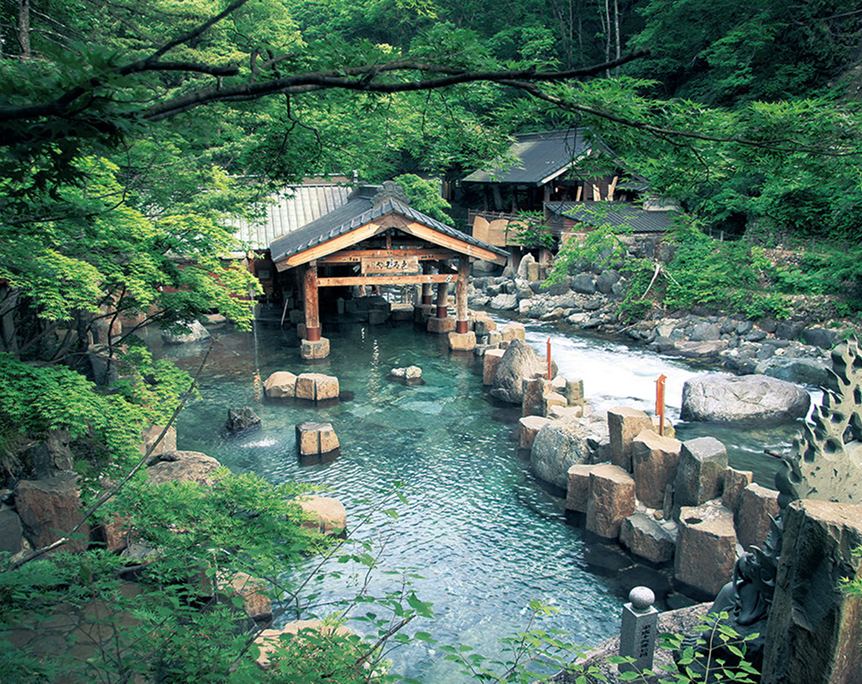
In Japan, water tells stories, too. Some begin beneath the earth’s surface, where volcanic activity feeds thousands of natural hot springs that have shaped the culture of onsen in Japan. Others unfold in small towns where residents have gathered at communal baths for generations, or in traditional inns that have elevated hospitality into a cultural art form.
This tradition is known as onsen. And while the image of a steaming pool surrounded by mountains might resemble the promise of any wellness retreat, what exists in Japan belongs to a far more intricate cultural world.
Here, bathing is not necessarily an extension of a spa treatment, nor an experience conceived exclusively for tourism. It is a practice that has shaped the architecture, customs, and identity of different regions across the country. Entire towns have developed around thermal springs, routes connect public bathhouses, and ryokans offer stays shaped by water, cuisine, and the surrounding landscape. To understand onsen culture is to discover another geography of Japan. One explored not only on foot, but through immersion.
The onsen experience reveals another geography of Japan. One explored not only on foot, but through immersion.
Onsen in Japan: The Origins of a Tradition
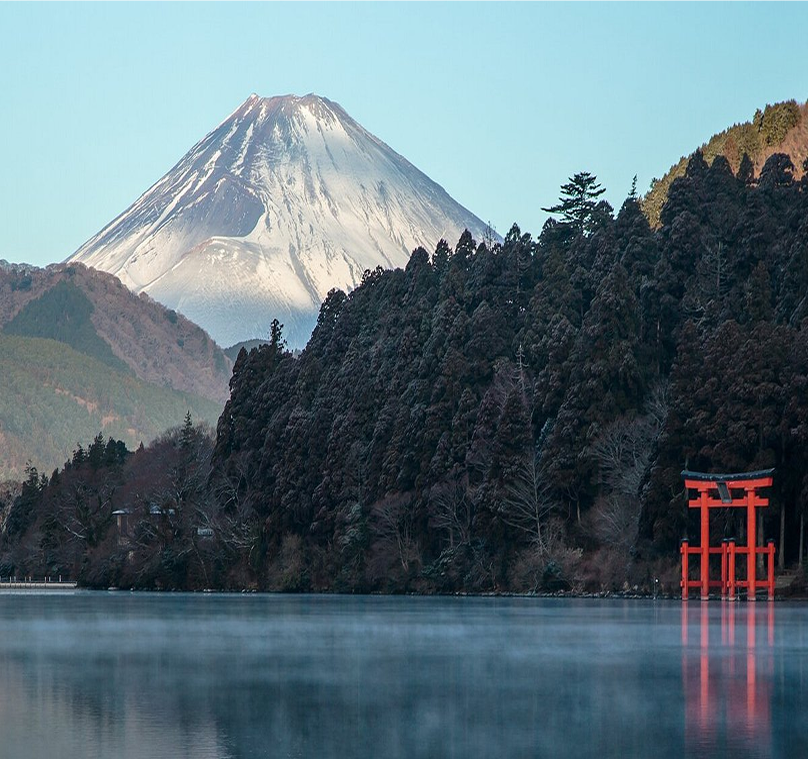
The volcanic geography of the Japanese archipelago has given rise to an extraordinary diversity of thermal springs. Water emerges from beneath the earth at temperatures and with mineral compositions that vary from region to region, characteristics that have shaped the development of communities devoted to bathing and relaxation.
The word onsen (温泉) literally means “hot spring.” Under Japanese law, water qualifies as onsen when it reaches at least 25 degrees Celsius at its source or contains certain designated minerals. This is an important distinction from sentō, the traditional public bathhouse, which does not necessarily use naturally heated spring water.
The history of these waters is also closely connected to tōji, a traditional practice involving extended stays in hot spring regions to rest and experience the properties historically attributed to their waters. Some visits could last several weeks, reflecting an understanding of time that contrasts with contemporary travel, where even relaxation is often organized around carefully planned itineraries.
Onsen culture did not emerge as a wellness trend. Its enduring significance lies in a relationship between communities and their natural surroundings that has evolved over centuries.
The Ritual and Its Codes
Entering an onsen means understanding certain customs that are integral to the experience. In most traditional establishments, bathing areas are separated by gender and swimsuits are not worn. Before entering the water, visitors must thoroughly wash and rinse their bodies. Small towels are kept out of the communal baths, and long hair should be tied up.
Nudity, which may surprise first-time visitors, carries a particular cultural significance. The Japanese expression hadaka no tsukiai refers to a form of social interaction free from the usual distinctions of clothing or social status. While this interpretation is not universal, it offers insight into how an everyday ritual can acquire a collective meaning.
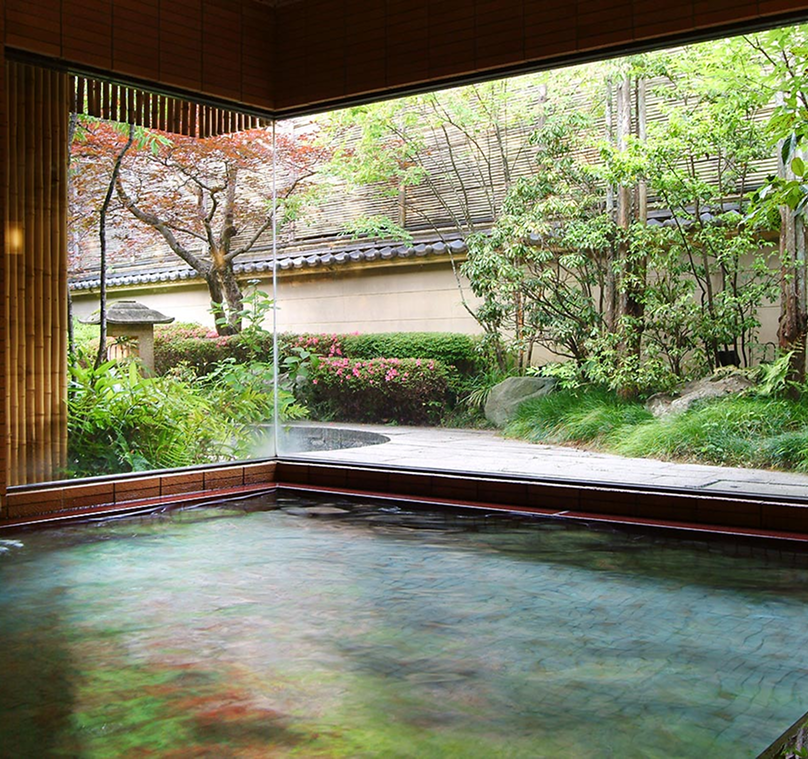
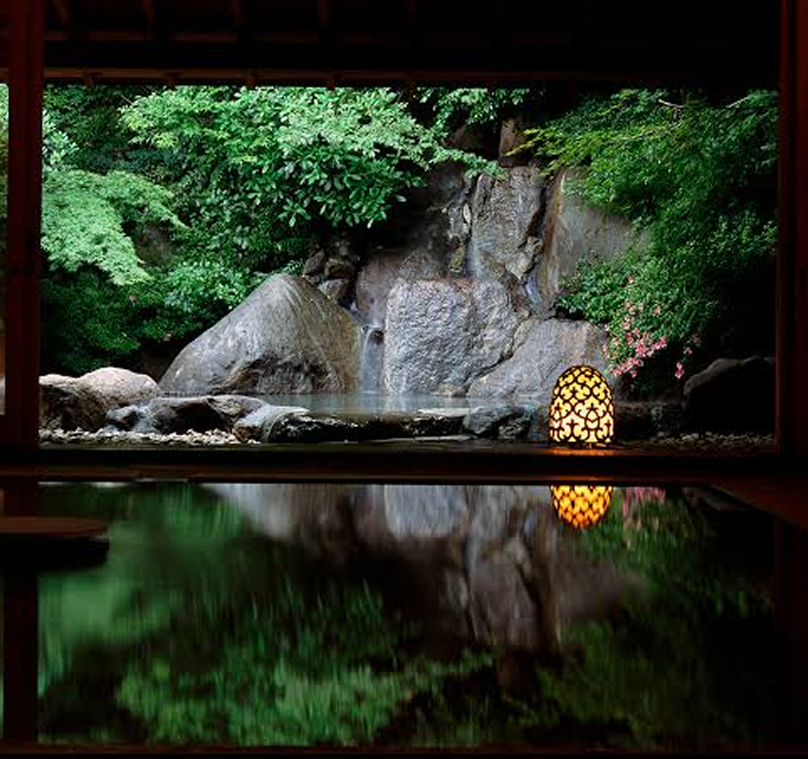
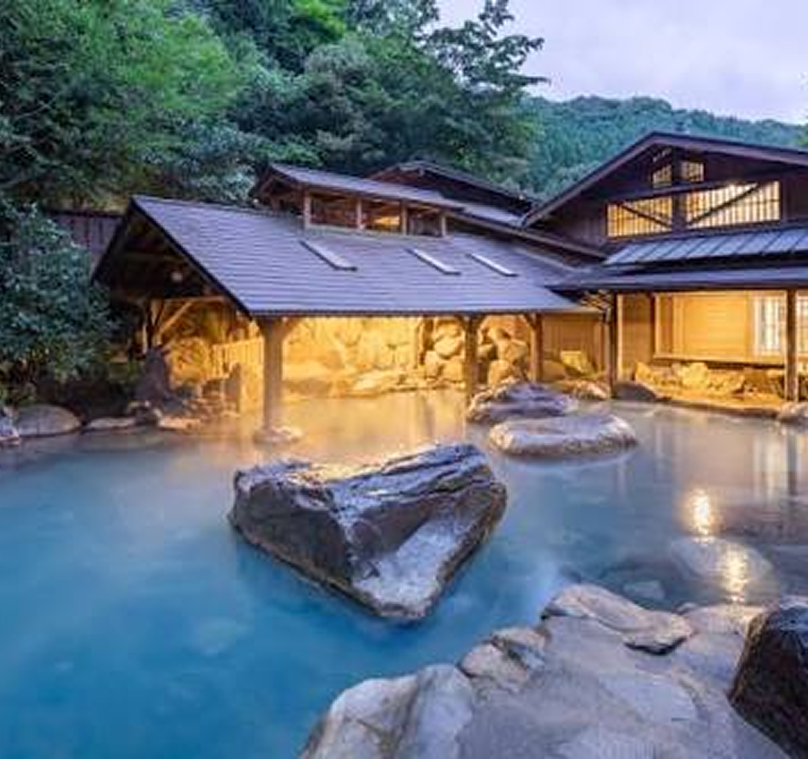
Bathing also has its own architectural language. Rotenburo, or open-air thermal baths, incorporate the landscape as an essential part of the experience. Cedar forests, snow-covered mountains, gardens, and rivers become part of the setting, while stone and wood establish a natural dialogue with the surroundings.
Many of these spaces belong to a ryokan, a traditional Japanese inn where hospitality is expressed through architecture, seasonal cuisine, and meticulous attention to detail. Here, luxury is not necessarily defined by abundance, but by the harmony between a place and the experience it offers.
Although hot springs have historically been associated with various therapeutic properties, it is important to distinguish tradition from scientific evidence. Immersion in warm water may promote relaxation, but not all claims regarding mineral benefits have been scientifically established. High water temperatures also require caution, particularly for people with certain medical conditions.
The Onsen Edit: Five Ways to Discover Japan
Japanese hot spring culture cannot be defined by a single aesthetic. Each region offers its own interpretation, shaped by geography, history, and the customs that have developed around its waters.
Hakone, within easy reach of Tokyo, brings together mountains, museums, and a distinguished tradition of ryokans. Its location along the historic Tōkaidō route recalls the region’s longstanding role as a place of passage and rest. Today, it offers an introduction to onsen culture where dramatic landscapes and contemporary architecture coexist with traditional hospitality.
In Kinosaki Onsen, in Hyōgo Prefecture, bathing extends beyond the walls of any single accommodation. The town is known for sotoyu meguri, the custom of visiting multiple public bathhouses. Visitors stroll in yukata along canals, across bridges, and past traditional buildings, making the journey through town an essential part of the ritual.
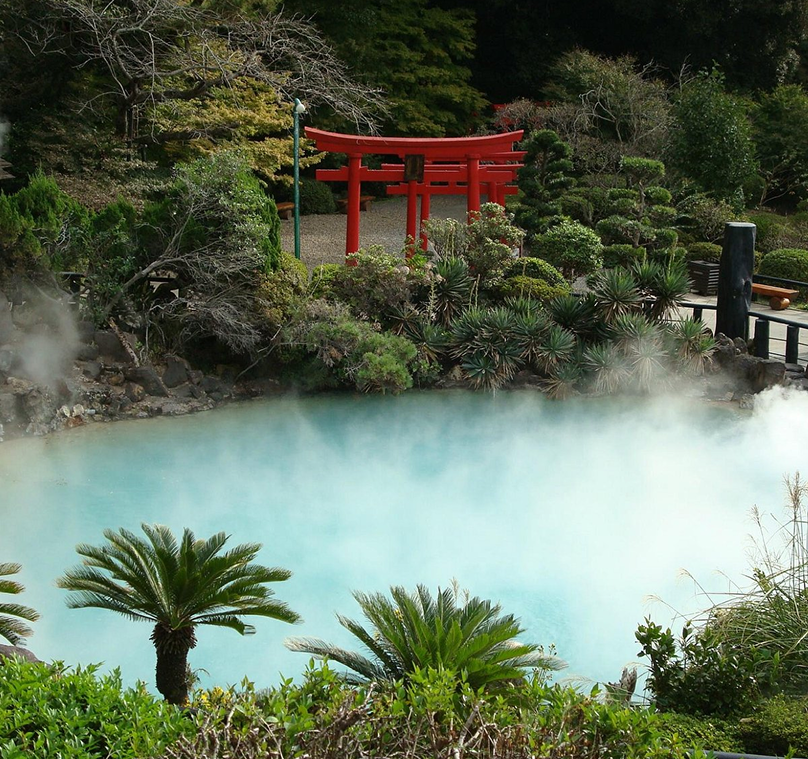
Beppu, on the island of Kyūshū, reveals a more dramatic expression of Japan’s volcanic landscape. Steam rises between buildings, while the region’s thermal districts offer experiences ranging from geothermally heated sand baths to mud baths. Its celebrated jigoku, intensely hot springs intended for observation rather than bathing, reveal the extraordinary forces beneath the surface.
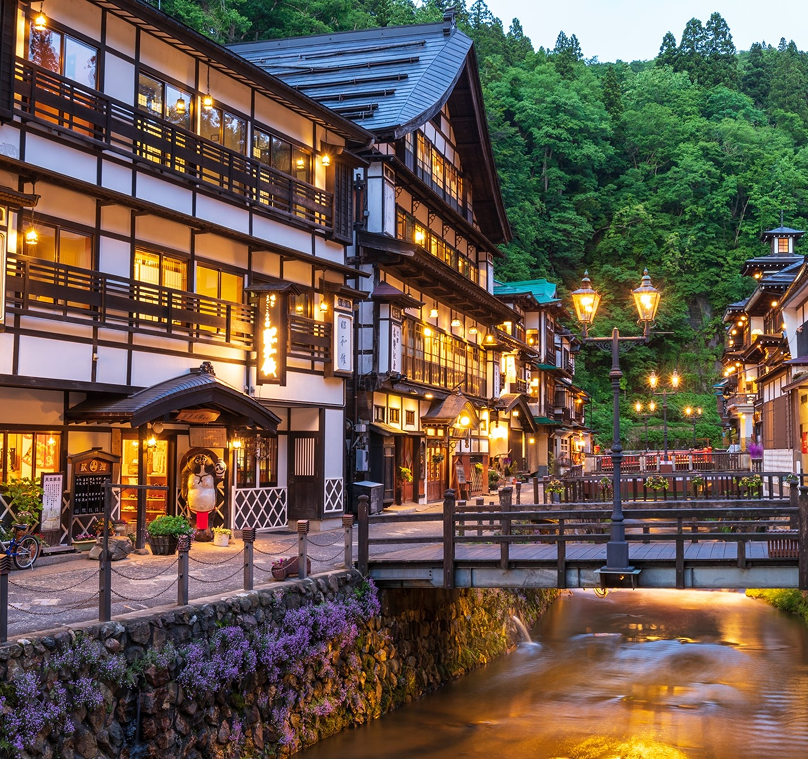
In the mountains of Yamagata, Ginzan Onsen retains an atmosphere defined by wooden buildings and architecture reminiscent of the Taishō period. During winter, snow and gas lamps transform the town into one of Japan’s most recognizable hot spring landscapes, where history seems woven into everyday life.
Farther south, Kurokawa Onsen, in Kumamoto, offers a particularly intimate relationship with nature. Its ryokans are nestled among forests and rivers, with open-air baths integrated into the landscape. The Nyūtō Tegata, a traditional bathing pass that grants access to selected participating baths, invites visitors to discover the town beyond a single property.
Where to Stay: Two Expressions of Japanese Hospitality
Choosing a ryokan can transform the experience entirely. In these traditional inns, the hot spring bath is not simply an additional amenity, but part of a philosophy in which architecture, gastronomy, and heritage come together to create a distinct sense of place.
Gora Kadan, Hakone
Set on grounds historically associated with a former summer villa of the Japanese imperial family, Gora Kadan offers a contemporary interpretation of traditional hospitality. Its architecture combines clean lines with natural materials and spaces that maintain a constant connection with the surrounding landscape.
Some of its rooms and suites feature private open-air hot spring baths, while the dining experience embraces the tradition of kaiseki, a sequence of carefully composed dishes celebrating seasonal ingredients. Its appeal lies in the way contemporary design coexists with elements inherited from Japanese culture, without compromising the intimacy that defines the ryokan experience.
Hakone, Kanagawa · gorakadan.com
Nishimuraya Honkan, Kinosaki Onsen
With more than 165 years of history, Nishimuraya Honkan represents another dimension of Japanese luxury: one built through continuity. Its traditional guest rooms, gardens, and thermal baths maintain a close connection to the heritage of Kinosaki.
Selected room categories feature private open-air baths, although an essential part of the experience unfolds beyond the property itself. Walking through town in a yukata to visit its public bathhouses allows guests to participate in a custom that continues to define the community’s identity. Here, hospitality is not confined to the ryokan; it belongs to a living, shared tradition.
Kinosaki Onsen, Hyōgo · nishimuraya.ne.jp
Before Entering the Water
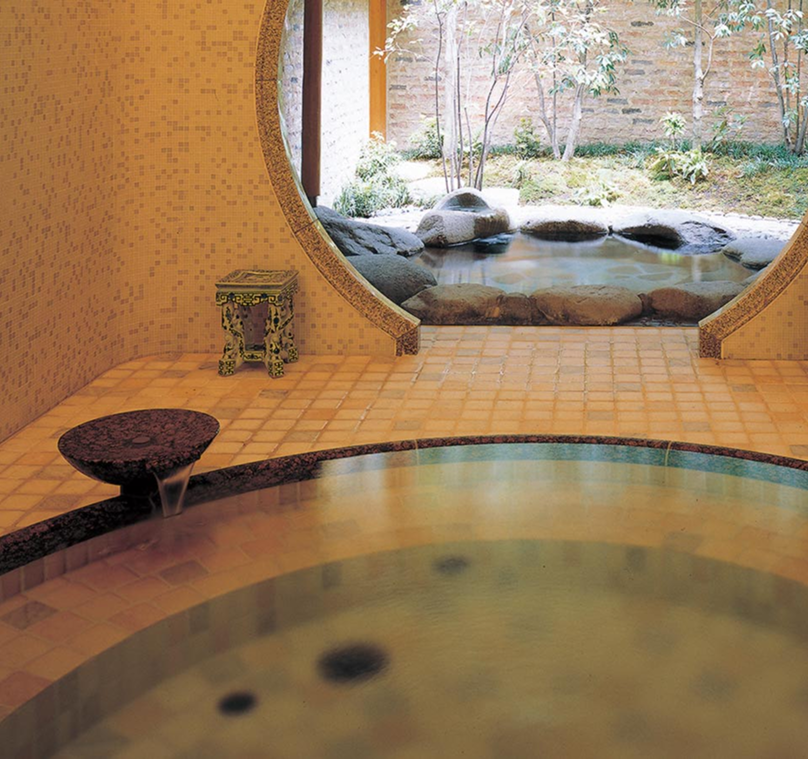
Experiencing an onsen does not necessarily require staying at a ryokan. Many establishments welcome day visitors, while others offer private baths by reservation. It is advisable to check tattoo policies, opening hours, and entry requirements before traveling. Visitors should also confirm whether private bathing facilities use natural hot spring water.
The changing seasons bring different dimensions to the experience: winter’s striking contrasts, autumn foliage, and the lush greenery of spring and summer each offer a distinct way of engaging with the landscape.
Japan Beyond What Meets the Eye
Discovering a country often means exploring its cities, visiting monuments, and experiencing its cuisine. Onsen culture offers another perspective: an opportunity to understand how a natural element can shape architecture, customs, and the identity of a community over centuries.
In Japan, hot springs are far more than places of relaxation. They are part of a collective history that remains alive, from the public bathhouses of small towns to the ryokans that have made hospitality an enduring tradition.
A way of discovering the country that begins long before entering the water and remains in memory long after leaving it.