This contemporary refuge is defined by a clear decision: to lower the volume. In the heart of Mérida, Yucatán, space, rhythm, and experience are conceived to integrate with the city’s pulse, not interrupt it.
Hotel Sevilla is not presented as a promise of instant transformation, but as a sustained way of inhabiting time. In an environment shaped by climate, history, and restraint, the project does not impose itself or compete; it belongs.
A Living Structure in Mérida
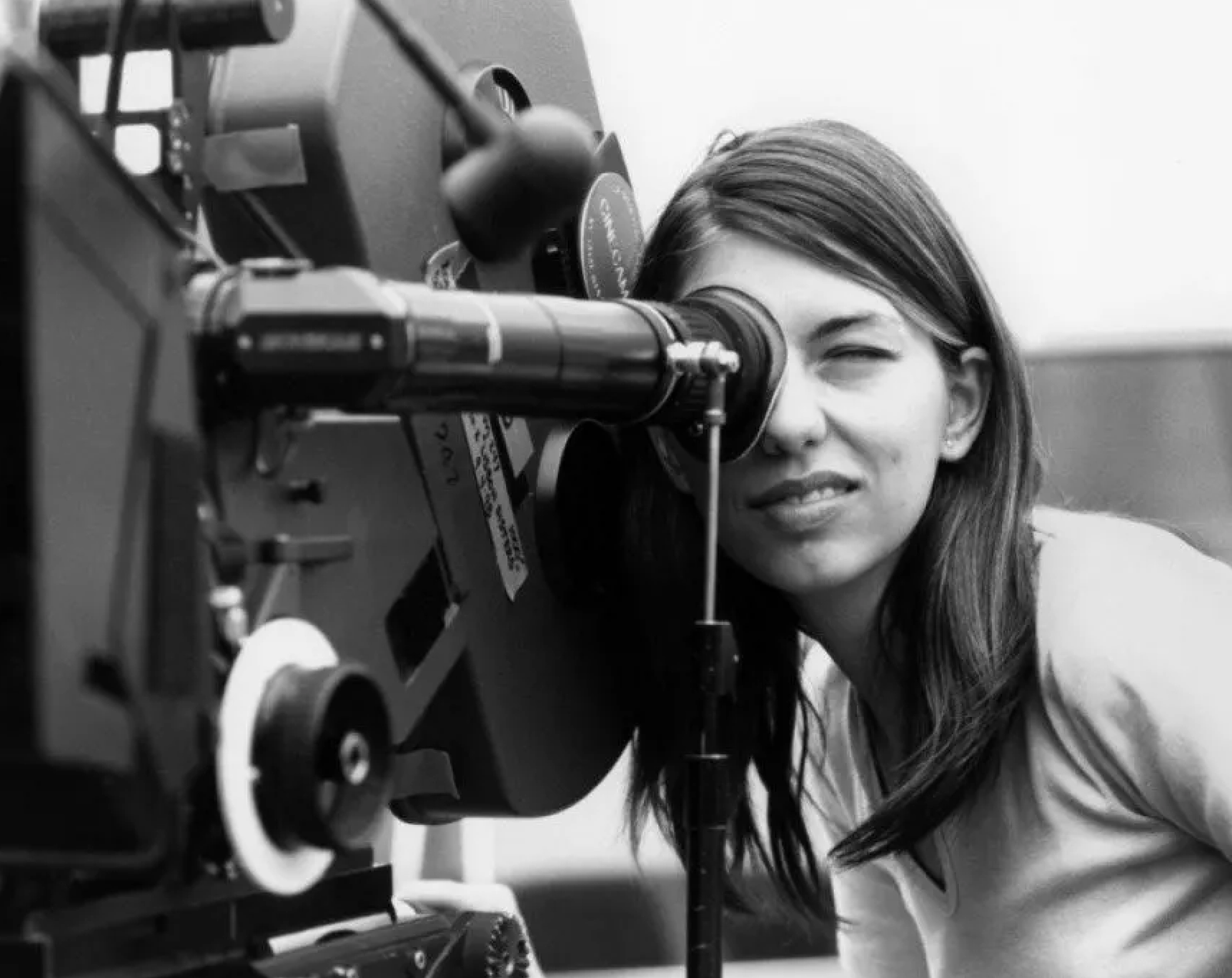
This sense of integration stems from the vision of Rafael Micha, founding partner of Grupo Habita, whose approach to hospitality has been shaped far from spectacle and close to editorial precision. Rather than designing visible experiences, Micha articulates silent decisions that organize space and allow the place to speak for itself. In an industry driven by constant attention, this project proposes something else: coherence, attentiveness, and a respectful relationship with its surroundings.
Before addressing the current proposal, it is essential to understand the place itself. The building that now houses the project has accompanied Mérida since its earliest urban traces, not as a static monument, but as a living structure, capable of adapting to the city and its rhythms. Long before formally becoming a hotel, it functioned as a space of passage, conversation, and encounter. Hospitality here was not a recent decision; it was an inherent condition of the site.
Through his role as co-founder of Grupo Habita, Micha has developed an understanding of hospitality that does not rely on replicable formulas or exportable aesthetics. Each project begins with a different question and is resolved from its context. In that sense, this opening is not conceived as an isolated gesture, but as a historical continuity reinterpreted from the present.

When a project is born from listening
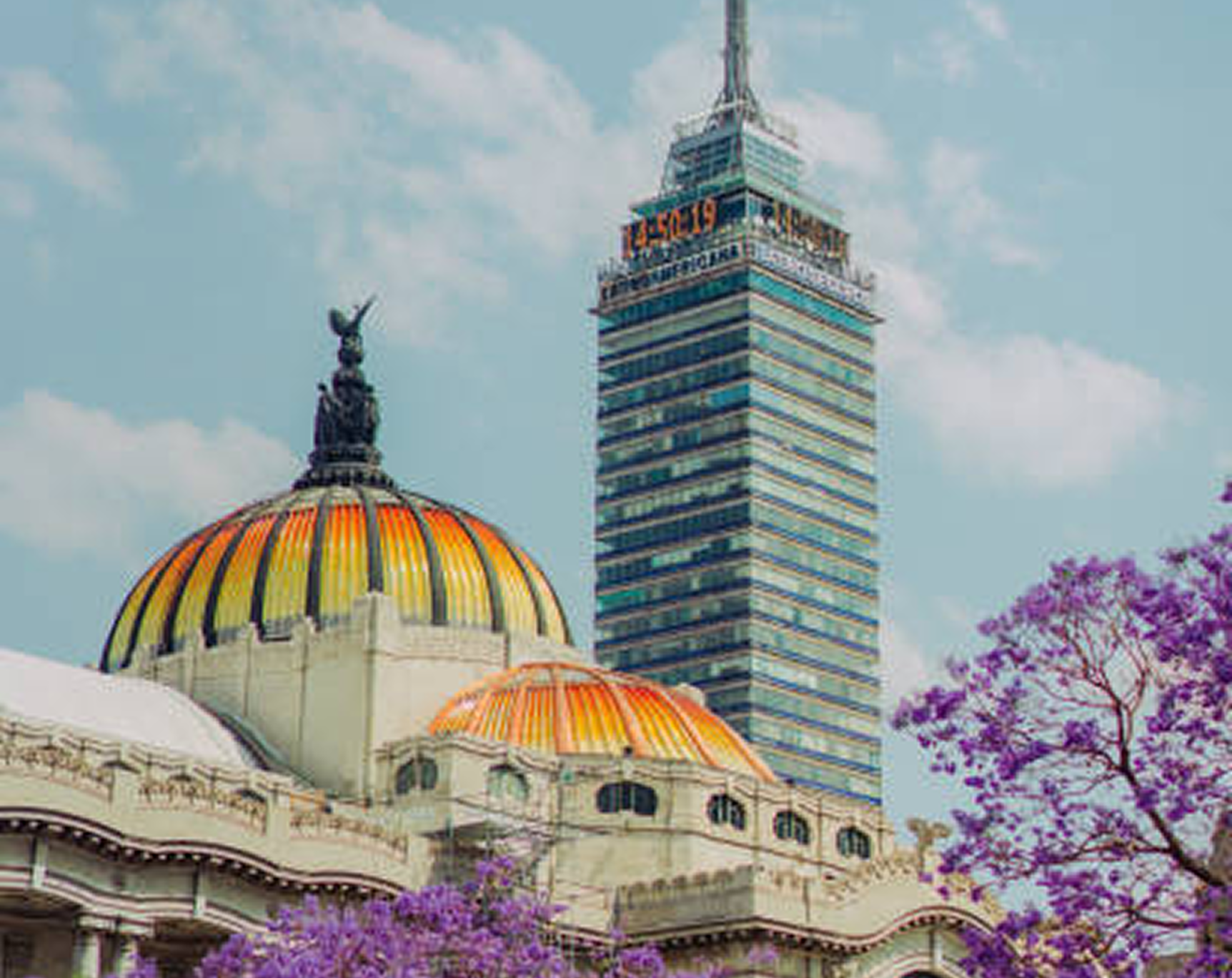
In the historic center of Mérida, Yucatán, a city where time does not move in a straight line, but in layers of stone, heat, shade, and vegetation, the intervention does not interrupt or compete. It inserts itself. The architecture preserves the logic of the city’s earliest colonial constructions: solid walls, interior courtyards, and proportions that invite a slower pace. Not as nostalgia, but as structure.
The contemporary intervention does not seek to rescue or embellish the past. It seeks to organize it. To listen to what the building was, what the city is, and what the traveler needs when noise recedes. Courtyards, historically centers of life and gathering, resume that role. Circulation opens to tropical light. The garden functions as an urban pause. Everything responds to a simple yet profound logic: allowing space to breathe.


Rafael Micha: a reading of space
At the core of the project lies a precise way of thinking about space. Over the years, Rafa Micha has cultivated a sensibility that privileges coherence over impact, experience over explanation, and the long term over immediate gratification.
The project cannot be understood without this perspective. Each decision feels grounded in experience rather than urgency. Nothing seeks instant validation. Nothing shouts. His presence is not imposed; it is perceived in how the building breathes, in how time becomes another material of the project, and in how hospitality shifts from spectacle to thoughtful practice.
Intimacy as a contemporary stance
With a deliberately restrained scale 21 rooms, the project favors intimacy over expansion. Not to limit, but to concentrate. The rooms are not designed to impress, but to sustain: rest, temperature, silence. Materials converse with the environment without literalism. Natural light, textures, and open pathways create an experience that requires no explanation.
This understanding of luxury, discreet, precise, almost invisible, has long defined Grupo Habita’s trajectory. Here, however, it reaches a particular maturity: that of a project that does not seek to stand out within the city, but to belong to it.
Mérida, Yucatán as condition, not backdrop
This refuge could not exist anywhere else. Mérida, Yucatán does not appear as a backdrop or postcard, but as a condition. A city where history is not displayed, but inhaled. Where heat slows the rhythm and architecture teaches one to look inward.
The project does not attempt to translate the city for the visitor. It allows entry. It integrates into the urban fabric with the understanding that sophistication lies not in imposing an external narrative, but in not speaking louder than the place itself.
When hospitality no longer needs explanation
It does not promise a transformative experience. And precisely because of that, it is. It transforms because it does not rush. Because it does not distract. Because it does not interrupt.
From the vision of Grupo Habita and the sensitive reading of Rafa Micha, this project proposes something increasingly rare: spaces where time feels different. Where hospitality stops shouting and begins to think.
More than a hotel, this work is a conscious way of inhabiting. A silent editing of space, rhythm, and memory that confirms that when hospitality is exercised with rigor, it can become culture.